Understanding Tonsillitis Holes: A Complete Patient Guide
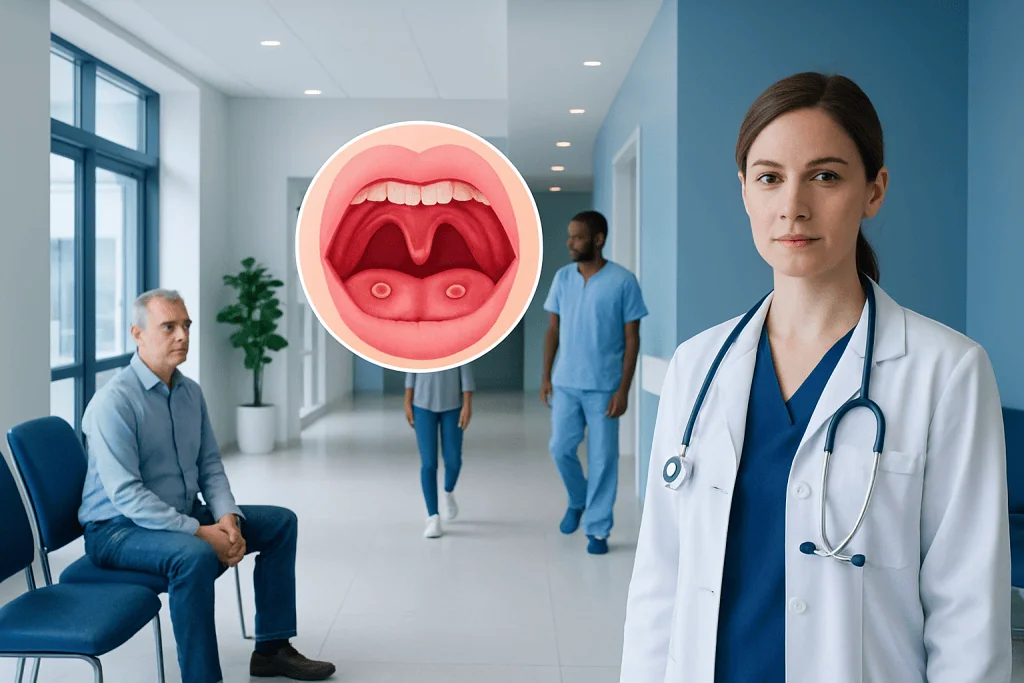
Tonsillitis holes are often enlarged tonsil crypts rather than true holes caused by tissue loss. They commonly develop after repeated tonsil inflammation, scarring, or buildup of debris in the tonsils.
Key Takeaways
- Tonsillitis holes are often enlarged tonsil crypts rather than true holes caused by tissue loss.
- They commonly develop after repeated tonsil inflammation, scarring, or buildup of debris in the tonsils.
- Symptoms may include sore throat, bad breath, visible white material, swallowing discomfort, or recurrent infections.
- Doctors diagnose the cause with a history, throat examination, and sometimes a throat swab or imaging if another problem is suspected.
- Treatment depends on the cause and may range from self-care and antibiotics to specialist procedures or tonsil removal in selected cases.
Tonsillitis holes usually refer to small pits, craters, or enlarged crypts in the tonsils that may appear after repeated inflammation or alongside tonsil stones. In many people they are harmless, but persistent pain, bad breath, repeated infections, or trouble swallowing should be assessed by a doctor.
What are tonsillitis holes?
Tonsillitis holes are usually small pits, indentations, or crater-like openings seen on the surface of the tonsils. In most cases, these are enlarged tonsil crypts, which are natural folds and pockets in tonsil tissue. They can become more noticeable after infections, when swelling settles down, or when debris collects inside them.
The term can be confusing because the tonsils normally are not perfectly smooth. Many people have visible crypts without any illness. What brings attention to these areas is often recurrent tonsillitis, discomfort, a white or yellow deposit, or bad breath. Repeated inflammation can make the crypts deeper or more irregular over time.
Tonsillitis holes are not always dangerous, and they do not automatically mean there is severe damage. However, when they are associated with repeated sore throats, fever, pus, or difficulty swallowing, they may point to ongoing or chronic inflammation that needs medical review. In some people, the holes mainly trap debris and lead to tonsil stones rather than active infection.
How tonsils change after inflammation
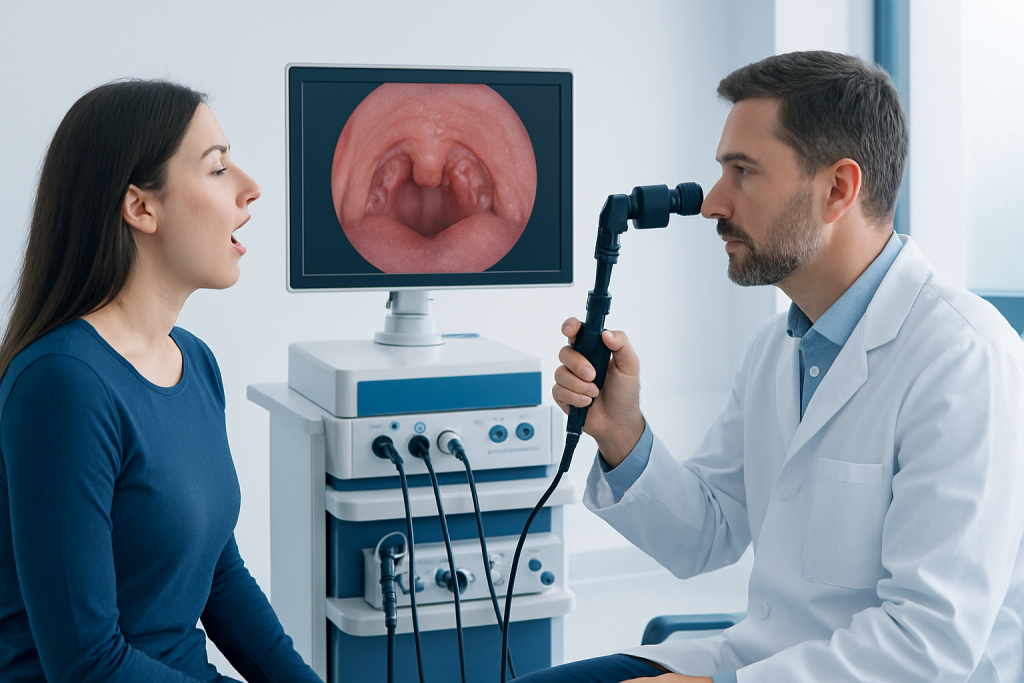
The tonsils are part of the immune system and help recognize germs entering through the mouth and nose. Because they are exposed to bacteria, viruses, mucus, and food particles, they can become inflamed during infections. During an episode of tonsillitis, the tonsils often swell, turn red, and may develop white patches or exudate.
After the inflammation improves, the tonsil surface may not return to exactly the same appearance. Recurrent swelling can stretch the natural crypts, and healing can leave minor scarring. This makes the pockets look more obvious, giving the impression of holes in the tonsils.
These surface changes can also create a place where dead cells, mucus, and bacteria collect. Over time, this trapped material may harden into small stones and cause irritation or odor. That is why some people notice tonsillitis holes even when they no longer feel acutely ill.
Symptoms that can happen with holes in the tonsils

Some people have visible tonsil crypts without symptoms. Others notice them only during a sore throat or when looking in a mirror. When symptoms occur, they often depend on whether the issue is active infection, chronic irritation, or trapped debris.
Common symptoms may include:
- Sore throat or throat irritation
- Pain when swallowing
- Bad breath
- A feeling that something is stuck in the throat
- White, yellow, or cream-colored material in the tonsils
- Swollen neck glands
- Fever during an acute infection
- Ear pain referred from the throat
Children may be more likely to present with fever, poor appetite, irritability, or trouble eating. Adults often report recurrent throat discomfort, halitosis, or visible debris in the tonsil holes. If symptoms are severe, one-sided, or worsening quickly, prompt medical evaluation is important to rule out a deeper infection.
Causes and risk factors
The most common reason people notice tonsillitis holes is repeated inflammation of the tonsils. This can follow viral or bacterial throat infections. Streptococcal infection is one possible bacterial cause, but many sore throats are viral and do not require antibiotics. Recurrent episodes can gradually enlarge the natural crypts and leave the tonsil surface more uneven.
Another frequent cause is retained material inside the crypts. Mucus, food particles, dead cells, and bacteria can collect in these pockets and harden into tonsil stones. People with deeper crypts, chronic postnasal drip, dry mouth, or persistent throat irritation may be more prone to this buildup. Smoking and poor oral hygiene can worsen odor and irritation.
Less commonly, the appearance of a hole may be related to healing after an abscess, trauma, or previous procedure. Rarely, an unusual ulcer, asymmetrical tonsil, bleeding lesion, or persistent one-sided change may have another cause and should be examined by an ENT specialist. If snoring, mouth breathing, or enlarged tonsils are also concerns, a doctor may assess for broader airway or sleep-related issues.
How doctors diagnose the cause
Diagnosis begins with a medical history and a physical examination of the throat. A doctor will ask about the frequency of sore throats, fever, swallowing pain, bad breath, snoring, and whether stones or white material are regularly seen. They will also look for redness, swelling, pus, asymmetry, neck lymph nodes, and signs of dehydration.
If an acute infection is suspected, a throat swab or rapid strep test may be recommended. Blood tests are not needed in every case, but sometimes they help when symptoms are persistent or another infection is possible. When severe pain, muffled voice, limited mouth opening, or one-sided swelling is present, the clinician may check for a peritonsillar abscess or other deeper infection.
Imaging is not routine for simple tonsil crypts, but it may be used when symptoms are unusual or complications are suspected. An ENT specialist may examine the throat more closely and discuss whether the appearance fits chronic tonsillitis, cryptic tonsils, or another condition. The goal is to identify the cause of the holes rather than treating the appearance alone.
Treatment options for tonsillitis holes
Treatment depends on the underlying problem. If the holes are simply natural or mildly enlarged crypts without troublesome symptoms, treatment may not be needed. When there is an active infection, management may include rest, fluids, pain relief, and, if a bacterial infection is confirmed or strongly suspected, prescribed antibiotics. Viral tonsillitis does not improve with antibiotics, so supportive care is often the main treatment.
When trapped debris or tonsil stones are the main issue, gentle self-care may help reduce recurrence. Doctors often advise regular oral hygiene, gargling with salt water, staying well hydrated, and avoiding smoking. It is best not to dig deeply into the tonsils with sharp objects, because this can cause bleeding, infection, or more scarring.
For persistent or recurrent symptoms, an ENT specialist may discuss procedural options. In carefully selected cases, tonsil removal surgery may be considered for repeated infections, significant crypt-related problems, or complications. If a patient also has nasal blockage or related ENT concerns contributing to mouth breathing and throat irritation, management may involve broader ENT evaluation and treatment. Acibadem International’s multidisciplinary specialists and JCI-accredited hospitals diagnose and treat tonsil conditions for international patients when specialist care is needed.
Prevention and self-care
Not every case of tonsillitis holes can be prevented, especially when the tonsils naturally have deep crypts. Still, a few measures may reduce irritation, lower the chance of debris buildup, and support recovery after an infection. Consistent self-care is often helpful for people who mainly struggle with bad breath or recurring stones.
Useful self-care steps include:
- Brushing teeth and tongue regularly
- Using alcohol-free mouth rinse if recommended
- Gargling gently with warm salt water
- Drinking enough water to avoid dry mouth
- Managing allergies or postnasal drip with medical advice
- Avoiding smoking and secondhand smoke
- Resting and staying hydrated during throat infections
It is important not to self-prescribe antibiotics or repeatedly squeeze the tonsils. If symptoms keep returning, a doctor can help determine whether the problem is recurrent infection, cryptic tonsils, or another throat condition that needs a different approach.
When to seek medical care
Medical advice should be sought if tonsillitis holes are accompanied by repeated sore throats, fever, worsening pain, difficulty swallowing, or persistent bad breath that does not improve with oral hygiene. A doctor should also assess white patches, pus, or large recurring tonsil stones, especially when they are uncomfortable or interfere with eating.
Urgent care is important if there is trouble breathing, drooling, inability to swallow fluids, severe dehydration, or a muffled “hot potato” voice. One-sided swelling, significant jaw stiffness, or severe ear pain with throat symptoms can suggest a deeper infection that needs prompt treatment. A persistent one-sided tonsil change or bleeding area should also be evaluated without delay.
If episodes happen often, an ENT consultation can clarify whether chronic tonsillitis or another condition is present and whether ongoing monitoring or treatment is appropriate. In some cases, a broader throat and airway assessment may be useful, particularly if snoring or sleep disruption accompanies enlarged tonsils.
Frequently asked questions
Are tonsillitis holes normal?
Small pits in the tonsils can be normal because tonsils naturally have crypts. They become more noticeable after inflammation or when debris collects. They are only a concern if they cause symptoms or are linked to recurrent infection.
Do tonsillitis holes mean there is an infection?
Not always. Tonsillitis holes may simply be enlarged tonsil crypts left more visible after past infections. Signs that suggest active infection include fever, significant throat pain, swelling, pus, and feeling unwell.
Can tonsillitis holes cause bad breath?
Yes, they can. Debris, bacteria, and tonsil stones may collect in the pockets and create an unpleasant odor. Improving oral hygiene and treating recurrent stones or inflammation often helps.
Will tonsillitis holes go away on their own?
Sometimes they become less noticeable after swelling settles, but deeper crypts may remain. If they are due to scarring from repeated inflammation, they may not disappear completely. Treatment is usually aimed at symptoms and the underlying cause rather than appearance alone.
Is it safe to remove debris from tonsil holes at home?
Gentle gargling is generally safer than trying to scrape the tonsils. Using sharp objects or forceful pressure can injure the tissue and increase bleeding or infection risk. If debris returns often, a doctor or ENT specialist should advise on safe management.
When is tonsil surgery considered for tonsillitis holes?
Surgery may be considered when there are frequent infections, ongoing symptoms, significant tonsil stones, or complications that do not improve with conservative care. The decision depends on symptom pattern, examination findings, and overall health. An ENT specialist can explain the benefits and limitations for each person.
References
- American Academy of Otolaryngology–Head and Neck Surgery
- Centers for Disease Control and Prevention
- National Health Service
- Mayo Clinic
- Cleveland Clinic
This article is for general information only and is not a substitute for professional medical advice. Please consult a qualified doctor about your individual situation.
Explore treatments in Turkey — costs, top hospitals & a free quote
JCI-accredited · board-certified surgeons · reply within 24h
Add us as a Preferred Source to see more of our trusted health content across Google Search, AI Overviews and Discover.