Understanding Tuberous Sclerosis: A Complete Patient Guide

Tuberous sclerosis is a lifelong genetic condition that affects people differently, from very mild signs to more complex medical needs. It can cause noncancerous growths in several organs, especially the brain, skin, kidneys, heart, lungs, and eyes.
Key Takeaways
- Tuberous sclerosis is a lifelong genetic condition that affects people differently, from very mild signs to more complex medical needs.
- It can cause noncancerous growths in several organs, especially the brain, skin, kidneys, heart, lungs, and eyes.
- Seizures, developmental concerns, skin findings, and kidney changes are common reasons it is diagnosed.
- Treatment is individualized and may include regular monitoring, medicines, surgery, and supportive therapies.
- Early specialist follow-up can help prevent complications and improve daily functioning.
Tuberous sclerosis is a genetic condition that can cause benign tumors and other changes in the brain, skin, kidneys, heart, lungs, and eyes. Its effects vary widely, so care usually focuses on monitoring organ health, treating symptoms early, and supporting long-term quality of life.
Overview
Tuberous sclerosis is a genetic disorder that leads to the growth of noncancerous tumors, also called hamartomas, in different parts of the body. These growths most often affect the brain, skin, kidneys, heart, lungs, and eyes. Although the tumors are benign, they can still interfere with how an organ works depending on their size and location.
The condition is also called tuberous sclerosis complex, or TSC. Some people have only a few mild skin findings and live with minimal symptoms, while others may have seizures, developmental differences, or kidney and lung problems that need ongoing care. This wide range of effects is one of the most important things for patients and families to understand.
Tuberous sclerosis is present from birth because it is caused by a change in a gene, but it may be recognized at different ages. In some children, it becomes apparent early because of seizures or heart findings before or shortly after birth. In others, diagnosis happens later when skin changes, learning concerns, or kidney lesions are investigated.
Because multiple organs can be involved over time, care is usually coordinated across specialties. People with tuberous sclerosis may benefit from pediatric, neurologic, dermatologic, nephrologic, pulmonary, and imaging follow-up, with the goal of identifying problems early and treating them before they cause lasting complications.
How Tuberous Sclerosis Affects the Body
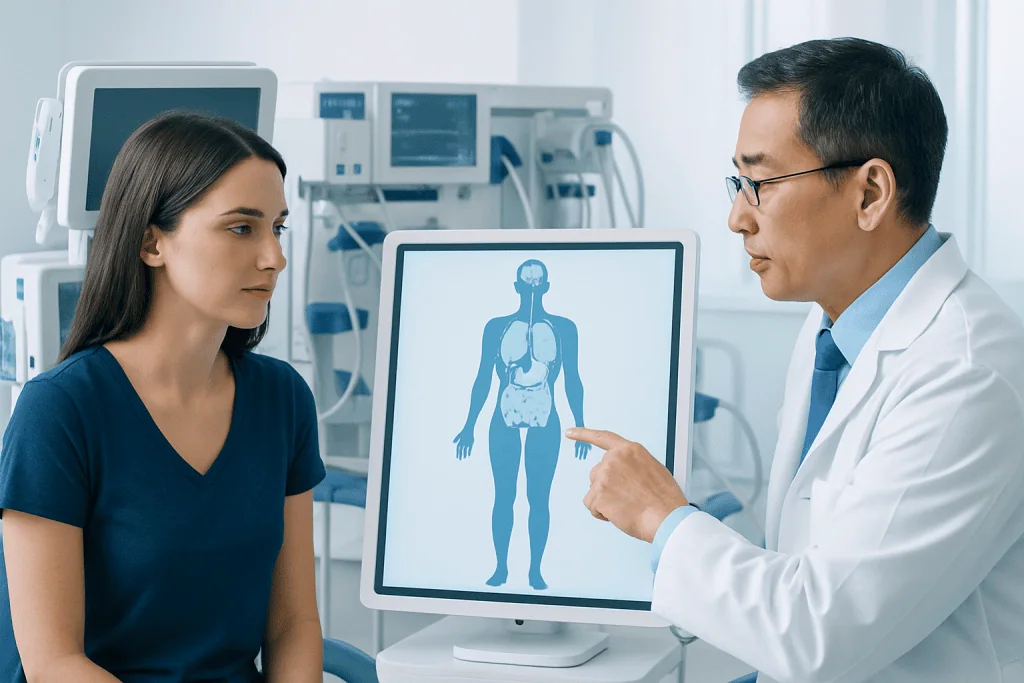
Tuberous sclerosis can affect the body in several ways, and no two people have exactly the same pattern. In the brain, it may cause structural changes that increase the risk of seizures, headaches, hydrocephalus, or learning and behavior differences. Some children and adults also experience challenges with attention, sleep, mood, or features associated with autism spectrum disorder.
On the skin, common signs include light-colored patches, small facial bumps called angiofibromas, thickened skin areas, or growths around the nails. These changes are often harmless from a medical standpoint, but they may still be important clues to the diagnosis and may affect comfort or self-confidence.
In the kidneys, tuberous sclerosis can lead to growths such as angiomyolipomas or cysts. These may remain stable for years, but larger lesions can raise the risk of bleeding or reduced kidney function. The heart may develop rhabdomyomas, especially in infancy, and the lungs can be affected in some adults, particularly women, with breathing symptoms over time.
The eyes may also show retinal lesions, though these do not always affect vision. Because different organs can be involved at different life stages, regular surveillance is an important part of living well with tuberous sclerosis. Related neurological complications may overlap with conditions such as epilepsy, which is why careful specialist assessment is often needed.
Symptoms and Signs

Tuberous sclerosis symptoms can begin before birth, during infancy, in childhood, or later in adult life. Many infants come to medical attention because of seizures, especially infantile spasms, or because a heart rhabdomyoma is seen on prenatal or early-life imaging. In older children, delayed development, learning differences, behavior concerns, or visible skin findings may lead to evaluation.
Common neurological symptoms include seizures, developmental delay, intellectual disability, headaches, and behavioral or psychiatric concerns. Some people have subtle cognitive or emotional effects rather than severe neurological disease. Others may have more complex symptoms that require regular neurologic care and sometimes advanced treatment such as epilepsy surgery when seizures do not respond well to medication.
Skin findings are often among the easiest signs to notice. These may include pale leaf-shaped patches, small reddish facial bumps, thickened patches of skin, or fibrous growths near or under the nails. While these are usually not dangerous, they can help doctors recognize the condition and decide what further testing is needed.
Other possible symptoms depend on which organs are involved. A person may have flank pain or blood in the urine from kidney lesions, shortness of breath from lung involvement, or vision changes if eye structures are affected. Some people, however, have very few symptoms and are diagnosed only after a relative is found to have tuberous sclerosis.
Causes and Risk Factors
Tuberous sclerosis is caused by changes in the TSC1 or TSC2 gene. These genes help regulate cell growth and division. When one of them is not working properly, cells may grow in an unregulated way, leading to the benign tumors and tissue changes seen in the condition.
The disorder follows an autosomal dominant inheritance pattern, which means a person needs only one altered copy of the gene to have the condition. A parent with tuberous sclerosis can pass it to a child. However, many cases happen because of a new genetic change in the affected person, with no previous family history.
Having a family member with tuberous sclerosis increases the likelihood that another relative could be affected, so genetic counseling can be helpful. It can support families in understanding inheritance, recurrence risk, and options for testing. A diagnosis in one person may also lead doctors to recommend evaluation of parents, siblings, or children, even if symptoms seem mild.
There are no lifestyle factors known to cause tuberous sclerosis. Nothing a parent did during pregnancy causes the condition. This can be reassuring for families, who may otherwise worry that an environmental exposure or personal action was responsible.
Diagnosis and Monitoring
Doctors diagnose tuberous sclerosis by combining clinical findings with imaging and, in many cases, genetic testing. A diagnosis may be suspected from seizures, characteristic skin changes, kidney lesions, prenatal heart tumors, or a family history. Formal criteria help specialists determine whether the pattern of findings fits tuberous sclerosis complex.
Tests often include brain MRI, kidney imaging, heart evaluation, eye examination, and a careful skin assessment. EEG may be used when seizures are suspected, and developmental or neuropsychological assessments may be recommended for children and adults with learning, behavior, or attention concerns. Genetic testing can confirm a mutation in TSC1 or TSC2, though not every person with clear clinical features has a detectable variant on standard testing.
Diagnosis is not a one-time event. Because tuberous sclerosis can evolve over time, regular monitoring is essential even when a person feels well. Follow-up may include repeat imaging of the brain or kidneys, blood pressure checks, kidney function tests, lung assessment in selected adults, and surveillance for changes in behavior, sleep, school performance, or daily functioning.
When brain lesions cause pressure effects or difficult symptoms, doctors may involve advanced imaging and specialist review, including brain tumor surgery planning when a procedure is appropriate. The aim is to match treatment and surveillance to the individual’s age, organs involved, and risk of future complications.
Treatment Options
Tuberous sclerosis treatment is individualized because the condition affects people in different ways. Care may involve monitoring alone for stable lesions, symptom control with medication, developmental support, or procedures for growths that threaten organ function. The main goals are to reduce complications, protect development, and maintain quality of life.
Seizure management is often a central part of treatment. Anti-seizure medicines may be used, and some patients may need dietary therapy, implanted devices, or surgery if seizures remain uncontrolled. Brain lesions such as subependymal giant cell astrocytomas may require medicine that targets the mTOR pathway or surgical treatment if they block fluid flow or grow significantly. In selected cases, treatment planning may involve neurosurgery specialists.
Kidney angiomyolipomas may be monitored with imaging, treated with targeted medication, or managed with procedures if they become large or bleed. Skin lesions can sometimes be treated with topical medicines, laser procedures, or other dermatologic care. Lung involvement may need pulmonary follow-up and treatment tailored to breathing symptoms and imaging findings.
Supportive therapies are also important. Speech therapy, occupational therapy, physical therapy, behavioral support, and school accommodations can make a meaningful difference, especially for children. Near the end of the care pathway, some international patients may seek coordinated assessment at centers such as Acibadem International, where multidisciplinary specialists in JCI-accredited hospitals diagnose and treat complex conditions including tuberous sclerosis.
Living With Tuberous Sclerosis: Prevention and Self-Care
There is no known way to prevent tuberous sclerosis because it is a genetic condition. However, there is a great deal that patients and families can do to support health over time. Keeping scheduled follow-up visits, completing recommended imaging, and reporting new symptoms early are among the most effective ways to reduce the chance that treatable problems are missed.
Daily self-care depends on the person’s age and symptoms. For someone with seizures, taking medicines exactly as prescribed and following safety advice around bathing, swimming, heights, and driving is especially important. For kidney and lung health, clinicians may recommend avoiding smoking and staying well engaged with regular checkups. A balanced routine with sleep, physical activity, and support for learning and mental health can also be beneficial.
Families often find it helpful to keep a clear medical record that includes test results, medication lists, seizure history, and contact details for specialists. This can make emergency care and transitions between pediatric and adult services smoother. Genetic counseling may also be useful for people considering pregnancy or wanting to understand family planning options.
Emotional support matters as much as medical care. Living with a rare chronic condition can be stressful for both patients and caregivers, especially when symptoms affect school, work, or independence. Support groups, counseling, and coordinated care plans can help people feel more informed and less overwhelmed.
When to Seek Medical Care
Medical care should be sought promptly if a baby, child, or adult has a first seizure, repeated seizures, sudden weakness, severe headache, confusion, or a noticeable change in alertness. These symptoms need urgent assessment because they may reflect seizure activity or pressure changes in the brain. Any new loss of developmental skills in a child should also be discussed with a doctor without delay.
It is also important to contact a healthcare professional for blood in the urine, persistent flank pain, shortness of breath, chest pain, or rapidly changing skin lesions. While these symptoms do not always mean a serious complication, they may signal kidney bleeding, lung involvement, or another issue that deserves review. A person already diagnosed with tuberous sclerosis should not wait for the next routine appointment if new symptoms appear.
For ongoing care, patients benefit from regular follow-up even when they feel well. Planned surveillance can detect changes before they cause symptoms, which is especially important in a condition that may affect several organs over time. Families should ask their doctor what warning signs are most relevant for their specific situation.
Frequently asked questions
Is tuberous sclerosis cancer?
No. Tuberous sclerosis causes benign, or noncancerous, tumors and tissue changes. Even though these growths are not cancer, they can still cause health problems if they affect the function of organs such as the brain or kidneys.
Can tuberous sclerosis be cured?
There is currently no cure for tuberous sclerosis, but many of its symptoms and complications can be treated or carefully monitored. Long-term care often helps people manage seizures, protect organ function, and improve daily life.
Does everyone with tuberous sclerosis have severe symptoms?
No. The condition varies widely from person to person, even within the same family. Some people have very mild skin findings and few medical problems, while others need ongoing treatment for neurological, kidney, or lung involvement.
How is tuberous sclerosis usually discovered?
It may be found before birth through heart imaging, in infancy because of seizures, or later due to skin changes, developmental concerns, or kidney findings. Sometimes it is diagnosed after a relative is found to have the condition and family members are evaluated.
Can adults be diagnosed with tuberous sclerosis?
Yes. Although tuberous sclerosis is present from birth, some adults are not diagnosed until later because their symptoms are mild or were not recognized earlier. Adult diagnosis may happen during evaluation for kidney lesions, skin findings, seizures, or family history.
Should family members be tested if one person has tuberous sclerosis?
In many cases, yes. A doctor or genetic counselor may recommend genetic testing or clinical evaluation for close relatives, especially parents, siblings, or children. This can help identify mild cases and guide monitoring or family planning discussions.
References
- National Institute of Neurological Disorders and Stroke
- National Organization for Rare Disorders
- Genetics Home Reference / MedlinePlus
- National Institutes of Health
- International Tuberous Sclerosis Complex Consensus Group
This article is for general information only and is not a substitute for professional medical advice. Please consult a qualified doctor about your individual situation.
Explore treatments in Turkey — costs, top hospitals & a free quote
JCI-accredited · board-certified surgeons · reply within 24h
Add us as a Preferred Source to see more of our trusted health content across Google Search, AI Overviews and Discover.