Unloader Knee Brace: A Complete Medical Overview
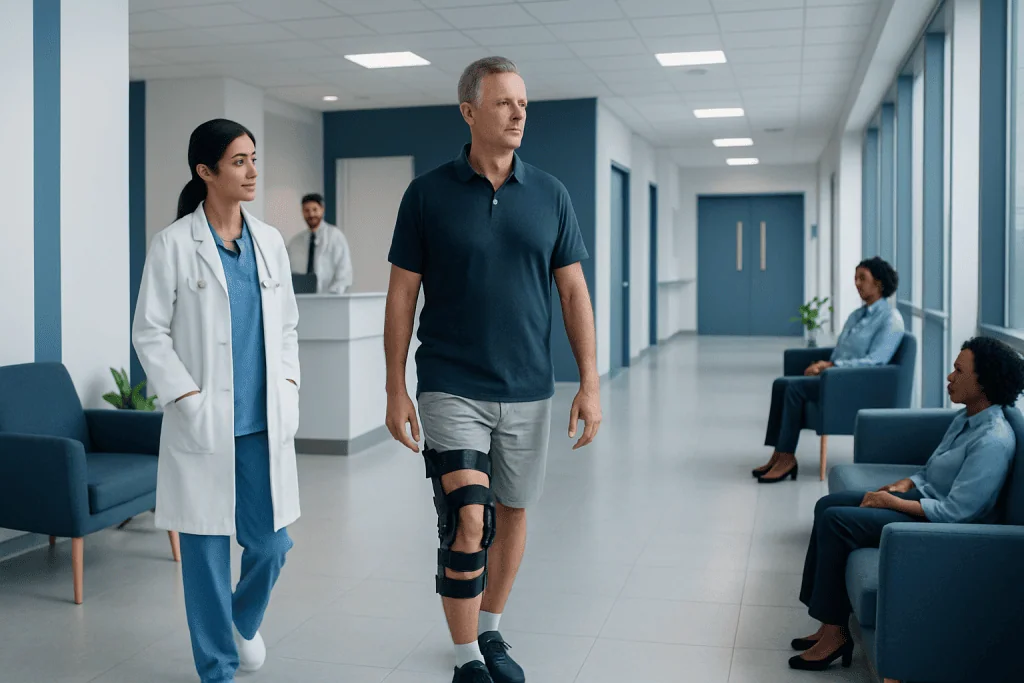
An unloader knee brace is commonly used when arthritis affects mainly one side of the knee. The brace works by changing how force passes through the joint during standing and walking.
Key Takeaways
- An unloader knee brace is commonly used when arthritis affects mainly one side of the knee.
- The brace works by changing how force passes through the joint during standing and walking.
- It may reduce pain and improve function, but it does not cure arthritis or reverse joint damage.
- Proper fitting, gradual adjustment, and regular follow-up improve comfort and effectiveness.
- A brace is usually one part of treatment alongside exercise, weight management, medication, and sometimes surgery.
An unloader knee brace is a specialized brace designed to shift weight away from the painful, damaged part of the knee. It is most often used for unicompartmental <a href="https://acibademinternational.com/diseases/knee-osteoarthritis/”>knee osteoarthritis and may help reduce pain, improve walking, and support daily activity when fitted and used correctly.
What Is an Unloader Knee Brace?
An unloader knee brace is a medical brace designed to reduce pressure on the part of the knee joint that is bearing too much load. In most cases, it is prescribed for people with osteoarthritis that mainly affects either the inner side of the knee (medial compartment) or, less commonly, the outer side (lateral compartment). By shifting force away from the painful area, the brace may make walking, standing, and daily activities more comfortable.
Unlike simple elastic sleeves that mainly provide compression, an unloader knee brace uses a more structured frame and a corrective force. This can gently change the alignment of the leg during movement. For this reason, the brace is sometimes called an offloading brace or, depending on design, a valgus or varus brace.
The brace is not a cure for arthritis, cartilage wear, or deformity. Its role is supportive: it can reduce symptoms, improve confidence with movement, and help some people stay active while they continue other treatments such as physical therapy, weight management, and pain control.
How the Brace Works
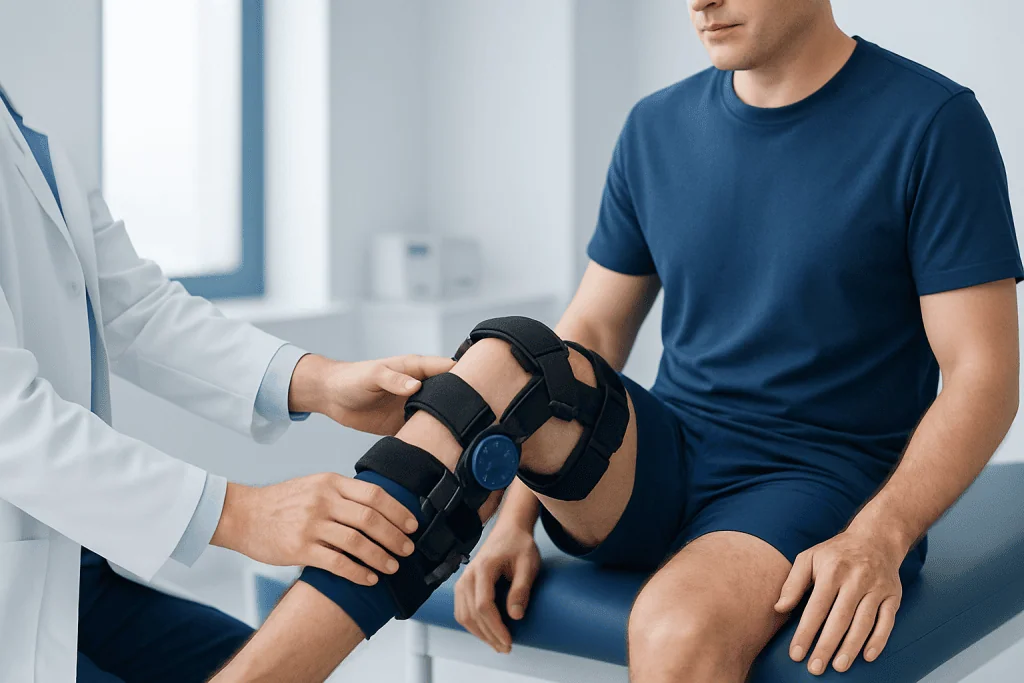
The knee joint is divided into compartments. In many adults with osteoarthritis, one compartment becomes more worn than the others. This uneven wear can make each step painful because body weight repeatedly passes through the damaged side. An unloader knee brace applies a gentle counterforce to redistribute some of that load.
For example, if the inner part of the knee is affected, the brace may create a small outward corrective force to reduce pressure on the medial compartment. If the outer part is affected, the principle is reversed. This mechanical support can improve joint positioning during walking and may lessen the “bone-on-bone” feeling some people describe.
Results vary from person to person. Some notice relief quickly, while others need time for fitting adjustments and gradual use. The brace tends to work best when the painful area is clearly limited to one side of the knee and the person can tolerate wearing a structured device for part of the day.
Who May Benefit Most

An unloader knee brace is most commonly recommended for people with unicompartmental knee osteoarthritis, especially when pain is worse with standing, walking, stairs, or longer periods of activity. It may be helpful for those who want to stay active, delay surgery, or improve symptoms while considering other treatment options for knee osteoarthritis.
Doctors may also consider this type of brace after a careful exam and imaging if there is mild to moderate deformity, such as bow-legged or knock-kneed alignment, that increases pressure on one side of the knee. It can sometimes be used during rehabilitation planning or when surgery is not suitable because of age, health conditions, or personal preference.
It may be less helpful if arthritis affects the whole knee rather than one compartment, if the knee is very unstable, or if there is severe stiffness that limits motion. People with significant skin sensitivity, circulation problems, or difficulty putting on the brace may need another approach.
- Most suitable for pain mainly on one side of the knee
- Often used for walking-related pain from osteoarthritis
- Can support non-surgical treatment plans
- Requires proper fitting and follow-up for best results
Symptoms and Conditions It Is Used For
The main reason for using an unloader knee brace is pain from compartment-specific knee arthritis. Symptoms often include pain during walking, aching after activity, stiffness after rest, mild swelling, and reduced confidence when standing or turning. Some people feel that the knee becomes more painful the longer they are on their feet.
It may also be considered when a clinician finds that alignment problems are making symptoms worse. In these cases, the brace aims to reduce stress across the damaged area rather than simply immobilize the joint. This is why it is different from a post-injury brace used after ligament tears or fractures.
In selected patients, a doctor may discuss bracing alongside treatment for related orthopedic problems or after assessment for chronic knee pain. If symptoms are linked to advanced joint degeneration, a brace may still offer temporary support, but a broader treatment plan is usually needed.
Evaluation, Fitting, and Diagnosis
Before prescribing an unloader knee brace, a doctor usually confirms the source of pain through medical history, physical examination, and often imaging such as standing X-rays. This helps show whether one compartment is more affected than the others and whether leg alignment is contributing to symptoms. The aim is to match the brace to the person’s specific knee mechanics, not simply to provide general support.
Fitting is especially important. A poorly fitted brace may slip, pinch, rub the skin, or fail to unload the joint effectively. Orthopedic specialists, physiatrists, rehabilitation teams, or trained orthotists may adjust strap tension, hinge position, and brace size to improve comfort and function.
Some people need a short adaptation period. Wearing time is often increased gradually so the skin and soft tissues can adjust. Follow-up visits are helpful if pain persists, the brace feels unstable, or the person is unsure whether it is being worn correctly. In a broader assessment, specialists may also consider whether treatments such as physical therapy and rehabilitation would improve strength, flexibility, and movement patterns.
Benefits, Limitations, and Possible Side Effects
The main potential benefits of an unloader knee brace are reduced pain during activity, better walking tolerance, and improved sense of stability. For some people, these changes make it easier to participate in exercise, complete daily tasks, and reduce reliance on pain medicines. It may also support efforts to postpone surgery while other treatments are tried.
However, a brace has limitations. It does not rebuild cartilage, cure arthritis, or correct severe deformity. Some people find it bulky under clothing or uncomfortable in hot weather. Others stop using it because of skin irritation, pressure points, slipping, or difficulty applying the device without help.
Possible side effects are usually mild and mechanical rather than dangerous. They can include rubbing, redness, bruising, sweating, or temporary discomfort while adjusting to the device. These problems often improve with refitting, protective layers recommended by a clinician, or changes in wear time. Persistent pain, numbness, swelling, or skin breakdown should be assessed by a healthcare professional.
Treatment Options Alongside a Brace
An unloader knee brace is usually part of a larger treatment plan rather than a stand-alone solution. Exercise remains a key part of care because stronger thigh and hip muscles can improve knee support and reduce joint stress. Low-impact activities such as walking on level ground, cycling, or aquatic exercise are often preferred, depending on symptoms.
Weight management can also make a meaningful difference, since every step places force across the knee. Doctors may recommend pain-relieving medicines, anti-inflammatory treatments when appropriate, or supervised rehabilitation. For some people, injections may be discussed, although suitability depends on the diagnosis, symptoms, and clinical findings.
If symptoms remain significant despite conservative care, further orthopedic review may be needed. Depending on age, activity level, alignment, and the pattern of joint damage, options can include knee replacement or other procedures. In selected international patients, Acibadem International’s multidisciplinary specialists in JCI-accredited hospitals diagnose and treat knee conditions using individualized plans.
Self-care Tips and When to Seek Medical Care
Daily self-care can improve the benefit of an unloader knee brace. The brace should be worn exactly as instructed, with regular skin checks, especially during the first few weeks. Comfortable footwear, paced activity, and a gradual exercise routine often help. If pain increases after a new activity, reducing intensity and discussing the change with a clinician may prevent setbacks.
Good habits can also protect the knee over time. These include maintaining a healthy weight, avoiding repetitive high-impact activity when it worsens symptoms, and following a home exercise program to preserve strength and flexibility. People should not continue using a brace that causes ongoing pain, sores, or numbness without medical review.
Medical care should be sought if knee pain suddenly becomes severe, the joint locks, gives way repeatedly, becomes very swollen, or if there is redness, warmth, fever, or inability to bear weight. A doctor should also be consulted if the brace no longer helps, symptoms are progressing, or there are signs that another condition may be present. In some cases, assessment by orthopedic teams involved in orthopedics and traumatology is the safest next step.
Frequently asked questions
What does an unloader knee brace do?
An unloader knee brace shifts pressure away from the damaged side of the knee joint. This can reduce pain during walking and standing, especially when arthritis affects mainly one compartment of the knee.
Who should use an unloader knee brace?
It is most often used by people with knee osteoarthritis affecting mainly the inner or outer side of the joint. A doctor usually recommends it after examining the knee and confirming that the pattern of wear and alignment make the brace likely to help.
Can an unloader knee brace replace surgery?
For some people, it may delay the need for surgery or reduce symptoms enough to improve daily life. However, it does not reverse joint damage, so it is not a permanent substitute when arthritis is advanced and symptoms remain severe.
How long should an unloader knee brace be worn each day?
Wear time depends on the person, the brace design, and the doctor’s advice. Many people start gradually and use it during activities that trigger pain, rather than wearing it continuously all day.
Are there any side effects from wearing an unloader knee brace?
Common issues include skin irritation, pressure spots, sweating, or discomfort if the brace slips or is too tight. These problems often improve with proper fitting, adjustment, and follow-up, but persistent symptoms should be reviewed by a clinician.
Can someone buy an unloader knee brace without seeing a doctor?
Some braces are available without a prescription, but a medical assessment is still wise. Knee pain has many causes, and the wrong brace or poor fit may be uncomfortable or may not address the real problem.
This article is for general information only and is not a substitute for professional medical advice. Please consult a qualified doctor about your individual situation.
Joint and spine care in Turkey — expert assessment & treatment
JCI-accredited · board-certified surgeons · reply within 24h
Add us as a Preferred Source to see more of our trusted health content across Google Search, AI Overviews and Discover.

More from the Health Library

Ear Mites in Humans — Explained by Medical Evidence, Not Myths

Clobazam: An Evidence-Based Guide for Patients

Birth Control Patch: A Complete Medical Overview

Zometa Infusion: A Complete Medical Overview

Jealous: What Patients Need to Know

Lichenification: An Evidence-Based Guide for Patients
Physical Medicine & Rehabilitation Specialists at Acibadem

Fzt. Busenur Sezer
Physical Medicine & Rehabilitation
Büşra Zeybek
Physical Medicine & Rehabilitation
Fzt. Çağlar Dal
Physical Medicine & Rehabilitation
Assoc. Prof. Dr. Çağrı Örs
Orthopedic Surgery & Traumatology