Unusual Movements During Sleep: What They Can Mean

Many sleep-related movements are benign, but some need medical evaluation. Common causes include parasomnias, REM sleep behavior disorder, restless legs syndrome, periodic limb movements, and nocturnal seizures.
Key Takeaways
- Many sleep-related movements are benign, but some need medical evaluation.
- Common causes include parasomnias, REM sleep behavior disorder, restless legs syndrome, periodic limb movements, and nocturnal seizures.
- A detailed history, sleep diary, and sometimes an overnight sleep study help identify the cause.
- Treatment depends on the underlying condition and may include safety measures, lifestyle changes, or medication.
- A doctor should assess movements linked to injury, confusion, breathing pauses, or daytime sleepiness.
Unusual movements during sleep are common and often harmless, but some patterns may point to a sleep disorder or another medical condition. Careful attention to timing, type of movement, and daytime symptoms can help guide proper diagnosis and treatment.
Overview
Unusual movements during sleep describe actions or body motions that happen while a person is falling asleep, staying asleep, or waking up. These can range from small muscle jerks and leg kicks to talking, walking, acting out dreams, or repetitive body movements. In many people, occasional movements during sleep are normal and do not reflect a serious health problem.
At the same time, some nighttime movements may be a sign of a sleep disorder, a neurological condition, medication effect, or another medical issue. The meaning often depends on what the movement looks like, when it occurs during the night, whether the person remembers it, and whether there are other symptoms such as snoring, choking, daytime tiredness, or injuries.
Sleep specialists often group these events into categories such as parasomnias, movement disorders related to sleep, and seizures occurring during sleep. Because the causes can overlap, a clear evaluation is important rather than assuming every movement is simply restless sleep.
What Types of Sleep Movements Can Occur?
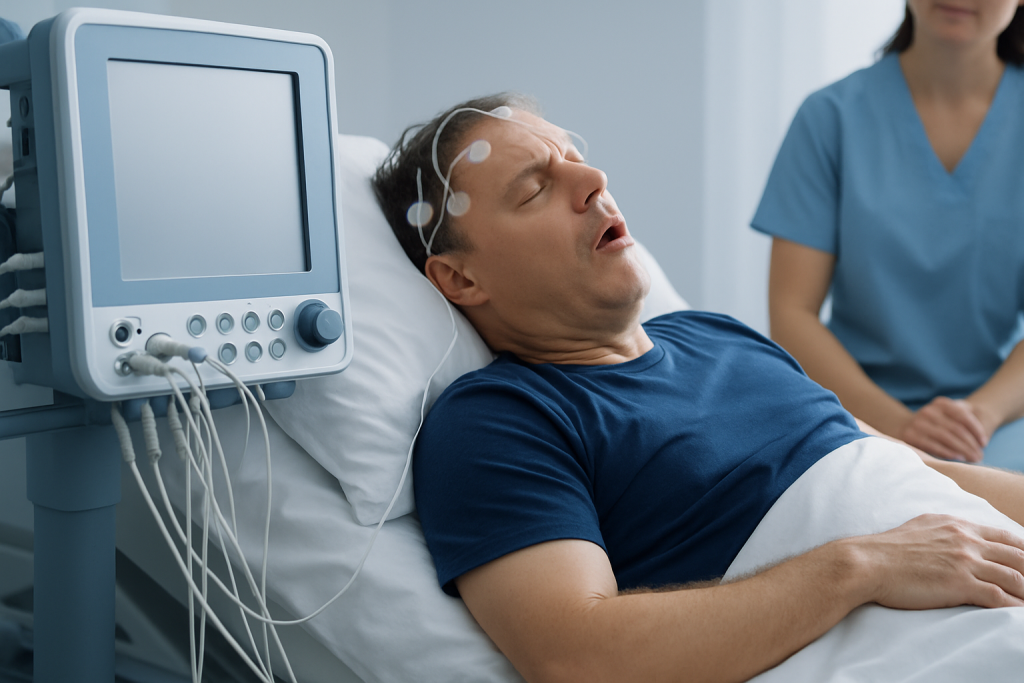
Several different kinds of movements may happen during sleep. Some are brief and simple, while others are more complex. For example, many healthy people experience sleep starts, also called hypnic jerks, which are sudden muscle twitches as they drift off to sleep. These are usually harmless.
Other sleep-related movements include rhythmic leg kicks, repeated foot flexing, teeth grinding, body rocking, sleep talking, sleepwalking, and episodes of sitting up or appearing frightened. In REM sleep behavior disorder, a person may physically act out dreams with talking, punching, kicking, or reaching. This is different from typical dream-related twitching because the movements are stronger and more purposeful.
Unusual movements can also occur from conditions such as restless legs syndrome, periodic limb movement disorder, obstructive sleep apnea, or nocturnal seizures. In some cases, the movement itself is not the main problem but a clue pointing to disrupted sleep. For example, repeated leg movements may coexist with insomnia or daytime fatigue, while sudden arousals may happen in people with breathing pauses during sleep.
- Brief jerks when falling asleep
- Repeated leg or arm movements
- Sleepwalking or confused arousals
- Talking, shouting, or acting out dreams
- Grinding teeth or jaw clenching
- Episodes suggestive of seizures
Causes and Risk Factors

The causes of unusual movements during sleep vary widely. Benign causes include stress, sleep deprivation, caffeine, irregular sleep schedules, and certain medications. These factors can make normal twitches more noticeable or trigger events such as sleep talking and sleep starts. Alcohol may also disrupt sleep architecture and increase unusual behaviors at night.
Common sleep-related causes include parasomnias such as sleepwalking, night terrors, and confusional arousals, which often arise from non-REM sleep. REM sleep behavior disorder tends to occur later in the night during REM sleep and may be associated with neurological conditions in some adults. Repetitive limb movements may occur in people with iron deficiency, kidney disease, pregnancy, or nervous system conditions.
Sometimes unusual movements are linked to breathing-related sleep disorders. A person with sleep apnea may toss, jerk, gasp, or awaken suddenly as the brain responds to interrupted breathing. Nocturnal seizures are another important cause and may be suspected when episodes are very stereotyped, brief, frequent, or followed by confusion, tongue biting, or incontinence.
Risk factors depend on the specific disorder but can include family history, older age for some conditions, childhood for others, neurologic disease, mental health conditions, medication use, and poor sleep habits. Because the same symptom can have many explanations, the overall clinical picture matters most.
Symptoms That Help Doctors Tell the Difference
Doctors look beyond the movement itself and ask detailed questions about the surrounding symptoms. Important clues include the time of night the episode occurs, how long it lasts, whether it happens every night, and whether the person can be awakened during it. A bed partner’s description or a smartphone video can be especially helpful.
Parasomnias from non-REM sleep often happen in the first third of the night and may involve confusion or no memory of the event. REM sleep behavior disorder usually occurs later and may include vivid dream recall. Restless legs syndrome typically causes an uncomfortable urge to move the legs before sleep rather than after the person is fully asleep, while periodic limb movements happen during sleep and are often noticed by a partner.
Warning signs that deserve prompt medical attention include violent movements, falling out of bed, injury to self or a bed partner, breathing pauses, cyanosis, loss of bladder control, tongue biting, persistent daytime sleepiness, or episodes that appear seizure-like. Children may also have sleep movements, and while many are benign, recurring episodes that interfere with learning, behavior, or safety should be discussed with a clinician.
How Diagnosis Is Made
Diagnosis begins with a careful medical and sleep history. A doctor will ask about the pattern of events, medications, alcohol or caffeine use, mental health symptoms, and any history of neurological disease. Information from a spouse, parent, or other observer is often valuable because the person sleeping may not remember the episodes.
A sleep diary can help identify triggers such as stress, irregular bedtimes, or sleep deprivation. In some cases, doctors may ask patients to record episodes on video at home. Blood tests may be used when there is concern for iron deficiency, metabolic problems, or other contributing conditions.
If the cause is unclear, an overnight sleep study may be recommended. Polysomnography records brain waves, breathing, heart rhythm, oxygen level, and body movements during sleep. This can help distinguish between parasomnias, breathing-related sleep disorders, periodic limb movements, and some seizure-related events. Some people may also need neurological testing such as EEG, especially if nocturnal seizures are suspected.
Accurate diagnosis matters because treatments differ widely. What helps one condition may not help another, and some nighttime behaviors require specific safety planning.
Treatment Options
Treatment depends on the underlying cause. Benign sleep starts or occasional simple movements often do not need medical treatment. Instead, improving sleep habits, reducing stress, and avoiding excess caffeine or alcohol may be enough. When medications are contributing, a doctor may review whether adjustments are appropriate.
Parasomnias are often managed first with safety measures and sleep stabilization. This may include securing the sleep environment, locking doors or windows if sleepwalking is a concern, removing sharp objects, and maintaining a regular sleep schedule. If episodes are frequent or risky, a sleep specialist may consider targeted therapy based on the specific diagnosis.
Restless legs syndrome and periodic limb movements may improve when triggers are addressed, iron deficiency is corrected when present, or sleep-disrupting factors are treated. If obstructive sleep apnea is involved, treating the breathing disorder can reduce nighttime restlessness and awakenings; some patients may benefit from sleep apnea treatment.
Dream enactment behavior, violent movements, or episodes suggestive of seizures need specialist assessment. Some patients may require neurology evaluation or ongoing care in a dedicated sleep disorders center. Near the end of the care pathway, patients seeking international evaluation may also consider Acibadem International, where multidisciplinary specialists in JCI-accredited hospitals assess and treat sleep-related neurological conditions.
Prevention and Self-care
While not every sleep movement can be prevented, healthy sleep routines can reduce many common triggers. Going to bed and waking up at consistent times, allowing enough sleep, and limiting sleep deprivation are simple but important steps. Evening caffeine, nicotine, and alcohol may worsen some nighttime behaviors and are best reduced when possible.
Stress management can also help. Relaxation techniques, gentle stretching, and a calm bedtime routine may decrease the frequency of some sleep-related events. People who suspect a connection between medication use and nighttime movements should not stop treatment on their own, but they should discuss concerns with their doctor.
Safety is an important part of self-care when the movements are strong or unpredictable. Padding sharp furniture edges, placing the mattress lower to the floor, and removing dangerous objects near the bed can lower injury risk. A sleep diary noting bedtime, awakenings, substances, stress, and any unusual event can provide useful information for a doctor.
When to See a Doctor
A medical review is a good idea if unusual movements during sleep are frequent, disruptive, or worrying to the patient or family. This is especially important when episodes lead to poor sleep, excessive daytime sleepiness, trouble concentrating, or relationship strain. Even movements that seem minor can be worth discussing if they happen regularly.
Prompt evaluation is recommended if the person injures themselves or a bed partner, leaves the bed while asleep, has breathing pauses, turns blue, experiences loss of consciousness, or has episodes that resemble seizures. Sudden new dream enactment in later adulthood also deserves attention because it may need neurological assessment.
Parents should seek advice if a child’s sleep behaviors are intense, persistent, or affecting daytime function. In all age groups, a doctor can help determine whether the movements are part of normal sleep, a treatable sleep disorder, or a sign that further testing is needed.
Frequently asked questions
Are unusual movements during sleep always a sign of a serious problem?
No. Many people have occasional movements during sleep, such as brief twitches when falling asleep, and these are often normal. The movements are more concerning when they are frequent, violent, cause injuries, or come with daytime sleepiness or breathing problems.
What is the difference between sleepwalking and acting out dreams?
Sleepwalking usually happens during non-REM sleep, often earlier in the night, and the person is commonly confused and does not remember the event. Acting out dreams is more typical of REM sleep behavior disorder, tends to occur later in the night, and may be linked with vivid dream recall.
Can sleep apnea cause unusual movements at night?
Yes. Sleep apnea can lead to repeated arousals, gasping, tossing, or jerking as breathing is interrupted and then restarted. Treating the breathing disorder may improve the nighttime movements and overall sleep quality.
How do doctors tell whether nighttime movements are seizures?
Doctors look at the pattern, timing, duration, and associated signs such as confusion, tongue biting, or loss of bladder control. A sleep study, EEG, or neurological evaluation may be needed when the episodes are repetitive or suspicious for seizures.
Should a person record the movements on video?
Yes, if it can be done safely and respectfully. A home video can give the doctor useful information about what the movements look like and how long they last, especially when the person sleeping does not remember the episode.
Can children have unusual movements during sleep?
Yes. Children commonly experience some parasomnias, including sleep talking, sleepwalking, and night terrors, and many outgrow them over time. A doctor should evaluate episodes that are frequent, dangerous, or affecting daytime behavior, learning, or sleep quality.
References
- American Academy of Sleep Medicine
- National Institute of Neurological Disorders and Stroke
- National Institute for Health and Care Excellence
- Mayo Clinic
- Cleveland Clinic
This article is for general information only and is not a substitute for professional medical advice. Please consult a qualified doctor about your individual situation.
Explore treatments in Turkey — costs, top hospitals & a free quote
JCI-accredited · board-certified surgeons · reply within 24h
Add us as a Preferred Source to see more of our trusted health content across Google Search, AI Overviews and Discover.