

Urine Protein Normal Range Explained: Reference Ranges and What Affects Them

Most healthy adults excrete less than 150 mg of total protein in urine in 24 hours. An ACR below 30 mg/g is generally in the normal or mildly increased albumin range.
Key Takeaways
- Most healthy adults excrete less than 150 mg of total protein in urine in 24 hours.
- An ACR below 30 mg/g is generally in the normal or mildly increased albumin range.
- A single positive dipstick result may be temporary and often needs repeat testing.
- Exercise, fever, dehydration, infection, and pregnancy can affect urine protein results.
- Persistent protein in the urine may need assessment for kidney disease or other underlying conditions.
The urine protein normal range is generally less than 150 mg of total protein over 24 hours. For a spot urine sample, an albumin-creatinine ratio (ACR) below 30 mg/g is usually considered normal to mildly increased, but the meaning of any result depends on the test type, the person’s health, and whether the finding persists.
Urine protein normal range at a glance
The urine protein normal range for most adults is less than 150 milligrams (mg) of total protein in a 24-hour urine collection. When a spot urine sample is used, a urine albumin-creatinine ratio (ACR) below 30 mg/g is generally considered normal to mildly increased. A routine urine dipstick commonly reports a normal result as “negative” or “trace,” depending on the laboratory and the concentration of the urine.
Small amounts of protein naturally pass through the kidneys every day. Healthy kidneys filter blood while keeping most proteins, especially albumin, in circulation. Finding more protein than expected can occur temporarily, such as after vigorous exercise or during a fever, or it may be a sign that the kidneys need further evaluation.
There is no single result that explains every situation. The type of protein measured, the collection method, hydration status, pregnancy status, age, and other health conditions all affect interpretation. For this reason, clinicians often confirm an abnormal result with a repeat urine test rather than relying on one sample.
How urine protein is measured and reported
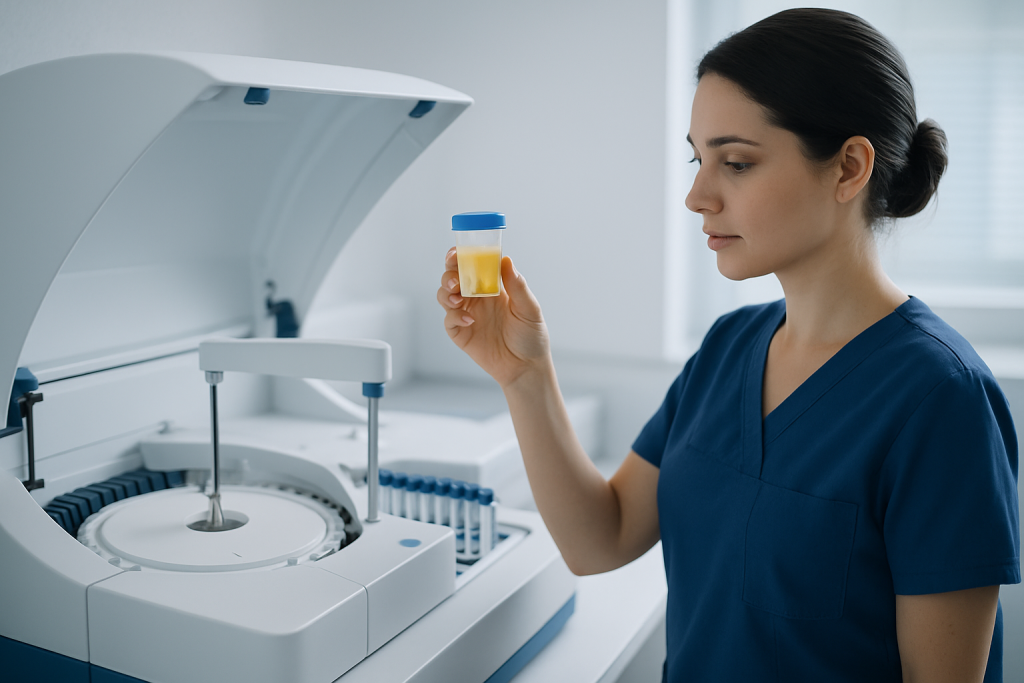
Urine protein may be measured in several ways. A urine dipstick is a quick screening test that mainly detects albumin and reports results qualitatively, such as negative, trace, 1+, 2+, or higher. It is useful for screening, but it can be influenced by how concentrated or dilute the urine is and is less sensitive to small amounts of albumin.
A urine ACR compares albumin with creatinine in a single urine sample. Creatinine is produced by muscles and is excreted relatively steadily, so this comparison helps account for how concentrated the urine is. A first-morning urine sample is often preferred because it is less affected by daytime activity, posture, food intake, and fluid intake.
A protein-creatinine ratio (PCR) measures total protein rather than albumin. It may be used when clinicians suspect non-albumin proteins or wish to estimate total daily protein loss. A 24-hour urine collection can directly measure protein excretion, although accurate collection is important and can be inconvenient. Laboratories may use slightly different units and reference intervals, so the report’s stated range should always be considered.
What can change a urine protein result

Protein in urine is not always caused by chronic kidney disease. Temporary, or transient, proteinuria can develop after strenuous exercise, fever, dehydration, emotional stress, exposure to extreme cold, or an acute illness. Urinary tract infections and blood in the urine can also interfere with some test results. These causes often resolve once the underlying trigger has passed.
Body position can matter, particularly in children, teenagers, and young adults. Orthostatic proteinuria means protein appears in urine during the day after standing or being active but is absent or much lower in a first-morning sample. This pattern is usually benign, but a clinician may recommend follow-up testing to confirm it.
Results can also differ because urine creatinine levels vary with muscle mass, diet, and kidney function. Therefore, ACR and PCR results should be interpreted in clinical context rather than viewed as exact measures of protein loss in every individual. Men may on average produce more creatinine because of greater muscle mass, but ACR thresholds are generally interpreted similarly across sexes.
- Very concentrated urine may make a dipstick protein result appear higher.
- Very dilute urine may reduce dipstick sensitivity.
- Menstruation or vaginal discharge can contaminate a sample.
- Some medicines and recent medical procedures may affect kidney function or urine findings.
When higher protein levels are medically meaningful
A persistent ACR of 30 mg/g or above may indicate increased albumin loss. An ACR of 30 to 300 mg/g is often described as moderately increased albuminuria, while a result above 300 mg/g is severely increased. These categories help clinicians assess kidney health, particularly in people with diabetes, high blood pressure, cardiovascular disease, or a family history of kidney disease.
Higher total protein levels may occur with conditions that affect the kidney filters, called glomeruli. Diabetes and high blood pressure are common causes of long-term kidney damage. Inflammation of the kidney filters, autoimmune diseases, certain infections, heart failure, and some medicines may also contribute. Proteinuria can occur alongside other changes, such as reduced estimated glomerular filtration rate (eGFR), blood in the urine, swelling, or elevated blood pressure.
Proteinuria does not by itself establish a diagnosis. Clinicians usually review repeat urine tests, blood pressure, kidney blood tests, medical history, medicines, and symptoms. If protein remains elevated for three months or longer, it may support a diagnosis of chronic kidney disease when considered with other kidney findings. Early assessment is valuable because addressing contributing conditions can help protect kidney function.
Normal ranges in children and pregnancy
Children can have different expected urine protein levels from adults, especially during infancy. In general, older children are expected to have low levels of protein in urine, often estimated as less than 100 mg per square meter of body surface area per day in a 24-hour collection. Pediatric clinicians commonly use a first-morning protein-creatinine ratio when assessing a child, since it is practical and can help identify orthostatic proteinuria.
In pregnancy, kidney blood flow and filtration naturally increase, which can cause a modest rise in urinary protein. Total protein excretion below 300 mg in 24 hours is generally considered within the expected range in pregnancy. However, results must be assessed alongside blood pressure, gestational age, symptoms, and other laboratory findings.
New or rising proteinuria after 20 weeks of pregnancy, especially with high blood pressure, headache, visual changes, upper abdominal pain, or sudden swelling, needs prompt obstetric assessment because it may be associated with preeclampsia. A urine test alone cannot diagnose this condition. Pregnant people should contact their maternity team rather than trying to interpret an abnormal result independently.
What happens after an abnormal urine protein test
If a dipstick test shows protein, the next step is often to repeat the test using a clean-catch, first-morning sample after temporary factors have resolved. A clinician may order an ACR or PCR because these provide more precise information. They may also check a blood test for creatinine and eGFR, measure blood pressure, and examine the urine for blood, glucose, white cells, or casts.
Before repeating a test, it may be sensible to avoid unusually strenuous exercise for a day or two unless a clinician advises otherwise. Staying normally hydrated is helpful, but drinking excessive water solely to change the result is not recommended. People should tell their clinician about recent illness, urinary symptoms, pregnancy, supplements, and all prescription or nonprescription medicines.
Treatment is directed at the cause rather than at the urine protein number alone. This may include improving blood pressure or diabetes management, treating an infection, reviewing medicines, or referring to a kidney specialist. Acibadem International’s multidisciplinary specialists and JCI-accredited hospitals can assess kidney-related findings and coordinate care for international patients when appropriate.
When to seek medical care
A person should arrange a medical appointment if protein is found repeatedly on urine testing, particularly if they have diabetes, high blood pressure, known kidney disease, or a close family history of kidney problems. Review is also appropriate if urine appears persistently foamy, swelling develops around the eyes, hands, ankles, or feet, or there are changes in urine amount.
More urgent medical advice is needed for protein in urine together with visible blood in the urine, severe swelling, shortness of breath, very high blood pressure, or a marked reduction in urine output. During pregnancy, urgent contact with an obstetric care team is important for proteinuria accompanied by high blood pressure, severe headache, visual symptoms, upper abdominal pain, or sudden swelling.
Many abnormal results are temporary and do not indicate serious disease. Nonetheless, repeat testing and professional interpretation are the safest way to distinguish a short-lived change from a finding that needs monitoring or treatment.
Frequently asked questions
What is the normal urine protein range in mg/dL?
A single mg/dL value is difficult to interpret because it changes with urine concentration. This is why clinicians often prefer an ACR or PCR, which adjusts for urine creatinine, or a 24-hour collection showing less than 150 mg of total protein.
Is trace protein in urine normal?
Trace protein can occur in healthy people, particularly when urine is concentrated, after exercise, or during a short-term illness. If trace or higher protein persists on repeat testing, a clinician may recommend an ACR or another kidney assessment.
Can dehydration cause protein in urine?
Dehydration can concentrate urine and make protein more noticeable on a dipstick test. It may contribute to a temporary result, but persistent protein should not be attributed to dehydration without repeat testing and medical review.
What ACR level suggests kidney disease?
An ACR of 30 mg/g or higher is considered increased albuminuria and may warrant repeat testing. Chronic kidney disease is generally assessed when abnormalities persist for at least three months or occur together with other evidence of kidney damage or reduced kidney function.
Can exercise increase urine protein?
Yes. Intense or prolonged exercise can cause temporary proteinuria, which usually resolves with rest. A first-morning sample collected after avoiding unusually strenuous activity may help provide a clearer result.
Does protein in urine always mean kidney disease?
No. Fever, infection, dehydration, exercise, pregnancy, and orthostatic proteinuria can all cause temporary or context-related protein in urine. Persistent elevation, especially with high blood pressure or abnormal kidney blood tests, needs medical evaluation.
References
- National Kidney Foundation
- Kidney Disease: Improving Global Outcomes (KDIGO)
- National Institute of Diabetes and Digestive and Kidney Diseases
- American College of Obstetricians and Gynecologists
- MedlinePlus, U.S. National Library of Medicine
This article is for general information only and is not a substitute for professional medical advice. Please consult a qualified doctor about your individual situation.
Explore treatments in Turkey — costs, top hospitals & a free quote
JCI-accredited · board-certified surgeons · reply within 24h
Add us as a Preferred Source to see more of our trusted health content across Google Search, AI Overviews and Discover.
Check your numbers in seconds
BMI, calories, due date, blood pressure and 30+ more clinical calculators — free, instant, doctor-reviewed ranges.

More from the Health Library



Related Specialists

Prof. Dr. Sezgin Sarban
Orthopedic Surgery & Traumatology
Prof. Dr. İlgin Özden
General Surgery
Dr. Burak Orakçıoğlu
Inpatient Clinic Physicians
Dr. Esra Akbulut
Neonatal Intensive Care Unit