Uterine fibroids Symptoms: Early Signs You Should Not Ignore
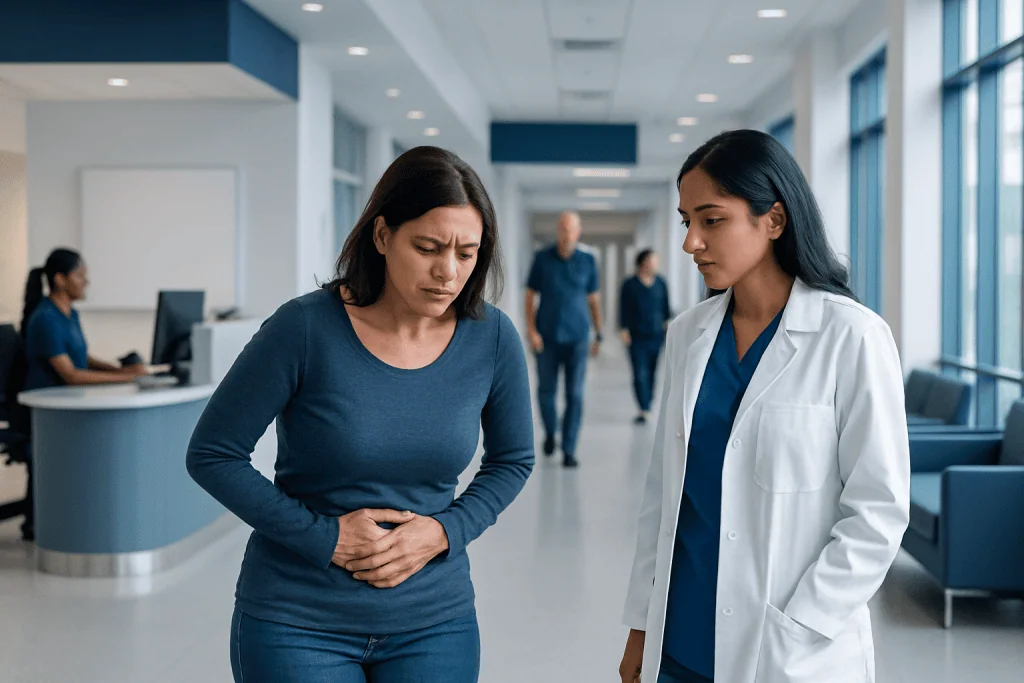
Fibroids are noncancerous growths that develop in or around the muscular wall of the uterus. Heavy bleeding, pelvic pressure and urinary symptoms are common uterine fibroids symptoms, but symptoms vary by fibroid size and location.
Key Takeaways
- Fibroids are noncancerous growths that develop in or around the muscular wall of the uterus.
- Heavy bleeding, pelvic pressure and urinary symptoms are common uterine fibroids symptoms, but symptoms vary by fibroid size and location.
- New heavy bleeding, bleeding between periods, severe pain or symptoms of anemia should be assessed by a healthcare professional.
- Ultrasound is commonly used to confirm fibroids and evaluate their number, size and position.
- Treatment can range from observation and medicines to minimally invasive procedures or surgery, depending on symptoms and fertility goals.
Uterine fibroids symptoms often include heavier or longer periods, pelvic pressure, abdominal enlargement, frequent urination or pain during sex, although many fibroids cause no symptoms at all. Early assessment can identify the cause of symptoms, check for anemia or other conditions, and help guide treatment choices that fit a person’s health and reproductive plans.
Overview: What Uterine Fibroid Symptoms Can Feel Like
Uterine fibroids symptoms can include heavy or prolonged menstrual bleeding, pelvic pressure, cramping, frequent urination, constipation, lower back discomfort and a feeling of fullness in the lower abdomen. Some people also notice that their abdomen appears larger or that periods become more difficult to manage. However, many people with fibroids have no noticeable symptoms and only learn about them during a pelvic examination or imaging test.
Fibroids, also called leiomyomas or myomas, are benign growths made of uterine muscle and connective tissue. They are not cancer, and having fibroids does not mean a person will develop uterine cancer. Their effects depend less on the number of fibroids alone than on their size, position and whether they change the shape of the uterine cavity.
Fibroids may grow within the uterine wall, project toward the outer surface of the uterus, or grow into the uterine cavity. Fibroids that affect the cavity can be particularly associated with heavy menstrual bleeding and fertility concerns, while larger fibroids on the outside of the uterus may cause pressure on the bladder or bowel. For a broader introduction to diagnosis and care options, see uterine fibroids.
Early Signs and Common Symptoms
The earliest changes may be gradual. A person may notice that periods are becoming heavier, lasting longer than usual, or requiring more frequent changes of pads or tampons. Passing larger blood clots, needing to plan daily activities around menstrual flow, or having tiredness and reduced exercise tolerance may also suggest significant menstrual blood loss.
Common uterine fibroids symptoms include:
- Heavy, prolonged or painful periods
- Bleeding or spotting between periods
- Pelvic pressure, heaviness or aching
- Cramping or lower abdominal pain
- Frequent urination or difficulty fully emptying the bladder
- Constipation, bloating or rectal pressure
- Lower back or leg discomfort
- Pain or pressure during sexual intercourse
- A visibly enlarged lower abdomen
Not every symptom is caused by fibroids. Heavy bleeding can also occur with hormonal changes, polyps, adenomyosis, pregnancy-related conditions, bleeding disorders or, less commonly, other gynecological conditions. A clinical evaluation is therefore important, especially if symptoms are new, worsening or interfering with everyday life.
Why Fibroids Cause Symptoms and Who Is More Likely to Develop Them
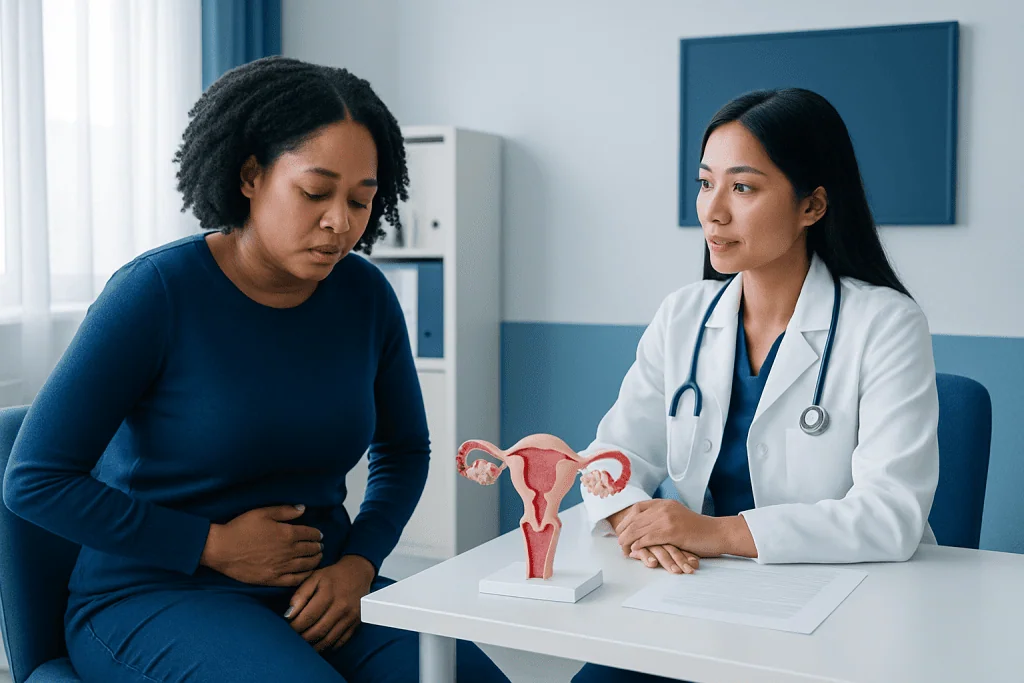
The uterus changes throughout the menstrual cycle in response to hormones, and fibroids are influenced by reproductive hormones, particularly estrogen and progesterone. They most often develop during the reproductive years and commonly shrink after menopause, when hormone levels decline. Symptoms may change over time and can become more noticeable during pregnancy because fibroids may temporarily enlarge.
Location helps explain many symptoms. A submucosal fibroid grows toward the inside lining of the uterus and may disrupt normal menstrual bleeding. Intramural fibroids develop in the muscular wall and can contribute to heavier periods, cramping or enlargement of the uterus. Subserosal fibroids grow outward and are more likely to create pressure symptoms if they become large.
Known factors associated with a higher likelihood of fibroids include a family history of fibroids, increasing age before menopause, and certain reproductive and hormonal factors. Body weight and some lifestyle factors may also influence risk. These associations do not mean that fibroids are preventable in every case, and people should not blame themselves for developing them.
Diagnosis: Finding the Cause of Heavy Bleeding or Pelvic Pressure
A clinician usually begins by discussing menstrual patterns, pain, pressure symptoms, pregnancy history, medications and any plans for future pregnancy. A pelvic examination may identify an enlarged or irregularly shaped uterus, though small fibroids cannot always be felt. It is helpful to bring a record of bleeding days, clotting, pain, urinary symptoms and how symptoms affect work, sleep or daily activities.
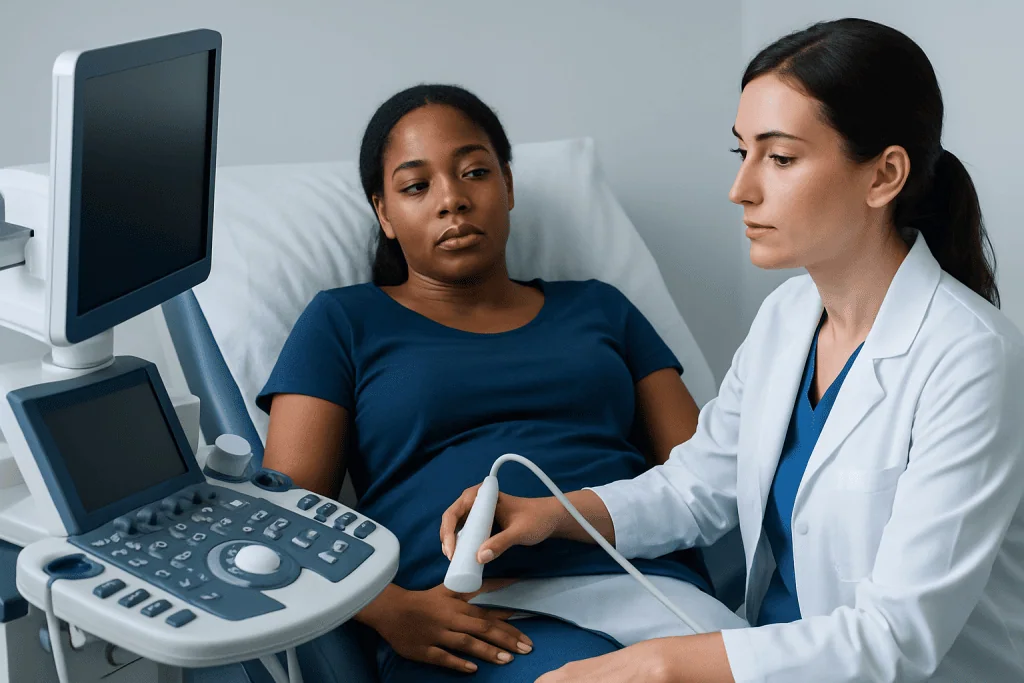
Pelvic ultrasound is the most common imaging test used to identify fibroids. It may be performed through the abdomen, through the vagina, or both. If more detail is needed before a procedure, magnetic resonance imaging (MRI) can clarify fibroid size, location and the anatomy of the uterus.
Blood tests may be recommended when bleeding is heavy, particularly to check for iron-deficiency anemia. Depending on age, symptoms and medical history, the clinician may also investigate other causes of abnormal uterine bleeding. This careful assessment helps ensure that treatment is directed at the right cause rather than symptoms alone.
Treatment Options and the Role of Procedures
Treatment is individualized. People with small fibroids and no troublesome symptoms may only need periodic review, often called watchful waiting. Treatment may be considered when bleeding causes anemia, pain or pressure affects quality of life, fibroids interfere with fertility, or rapid changes need further assessment.
Medicines can help control heavy bleeding or pain for some people. Options may include hormonal treatments, non-hormonal medicines that reduce menstrual bleeding, or medicines that temporarily lower hormone stimulation before surgery. Medication can improve symptoms but may not remove fibroids, and the most suitable choice depends on medical history, side effects and reproductive plans.
Procedures can be appropriate when symptoms persist, fibroids are large or positioned in a way that affects the uterine cavity, or a person prefers a more definitive approach. These may include hysteroscopic removal for some fibroids inside the uterus, myomectomy to remove fibroids while preserving the uterus, uterine artery embolization to reduce blood flow to fibroids, and hysterectomy to remove the uterus. A detailed overview of approaches is available through uterine fibroid treatment.
How Fibroid Procedures Work: Candidacy, Steps, Recovery and Risks
The best procedure depends on the fibroid’s location, number and size, the severity of symptoms, previous treatments and whether future pregnancy is desired. Myomectomy is often discussed for people who wish to preserve the uterus, although fibroids can recur after removal. Uterine artery embolization may reduce bleeding and bulk-related symptoms by blocking the blood supply feeding fibroids; its suitability for those planning pregnancy should be discussed carefully with a specialist. Hysterectomy is definitive because the uterus is removed, but it is not appropriate for people who wish to carry a pregnancy in the future.
Before a procedure, imaging and blood tests help the team plan care. The procedure itself may be performed through the vagina and cervix, by small abdominal incisions, through a catheter placed in an artery, or through an abdominal incision, depending on the method. Anesthesia or sedation is selected according to the procedure and the patient’s health needs. The clinical team explains preparation, what to expect on the day and the plan for pain management.
Recovery varies. Some minimally invasive procedures allow a return to light activities within days, while abdominal surgery can require several weeks of recovery. Benefits may include lighter periods, less pelvic pressure and improved daily comfort. Possible risks include bleeding, infection, blood clots, injury to nearby organs, adhesions, anesthesia-related complications, incomplete symptom relief or the need for additional treatment. A specialist can explain the expected recovery timeline and risks for the individual procedure being considered.
Self-Care and When to Seek Medical Care
Self-care does not shrink fibroids, but it can support comfort and overall health. Keeping a symptom and bleeding diary can make appointments more productive. Gentle activity, a balanced diet and adequate sleep may support wellbeing, while iron-rich foods can be useful when menstrual bleeding is heavy. Iron supplements should be taken only when advised by a clinician, ideally after blood testing.
Medical review is advisable for periods that become much heavier or longer than usual, bleeding between periods, ongoing pelvic pain or pressure, frequent urination, constipation, difficulty becoming pregnant or a growing abdominal swelling. Prompt assessment is especially important for symptoms that cause fatigue, dizziness, shortness of breath or palpitations, as these can be signs of anemia.
Urgent medical care is needed for very heavy bleeding with fainting, severe weakness, chest discomfort, trouble breathing, sudden severe pelvic pain, or possible pregnancy with pain or bleeding. These symptoms can have causes other than fibroids and should not be managed at home. Acibadem International’s multidisciplinary specialists and JCI-accredited hospitals evaluate and treat fibroid-related concerns for international patients.
Frequently asked questions
What are the first symptoms of uterine fibroids?
Early symptoms may include gradually heavier or longer periods, more menstrual cramping, pelvic heaviness or needing to urinate more often. Some people notice no symptoms at all. Because these symptoms can have several causes, a healthcare professional can help determine whether fibroids are involved.
Can uterine fibroids cause heavy bleeding?
Yes. Fibroids, especially those that grow toward or into the uterine cavity, can contribute to heavy or prolonged menstrual bleeding. Persistent heavy bleeding can lead to iron-deficiency anemia, so it is important to seek assessment if bleeding affects daily life or causes tiredness, dizziness or breathlessness.
Do fibroids cause weight gain or a large stomach?
Fibroids do not usually cause generalized weight gain, but larger fibroids can enlarge the uterus and make the lower abdomen look or feel fuller. Bloating and pressure may also occur. A new or increasing abdominal enlargement should be assessed rather than assumed to be due to fibroids.
Can fibroids affect fertility or pregnancy?
Many people with fibroids become pregnant without difficulty. However, some fibroids, particularly those that alter the uterine cavity, may affect conception or pregnancy outcomes. Individual advice should be based on imaging findings, symptoms, age and reproductive plans.
Do uterine fibroids go away on their own?
Fibroids may remain stable, grow slowly or occasionally shrink over time. They often decrease in size after menopause, although symptoms should still be evaluated if they develop or continue. Fibroids that cause significant bleeding, pain or pressure may need active treatment.
When should someone see a doctor about possible fibroids?
A person should arrange medical assessment for heavy or prolonged periods, bleeding between periods, persistent pelvic pain or pressure, urinary or bowel symptoms, or concerns about fertility. Urgent care is appropriate for severe bleeding with fainting or marked weakness, sudden severe pain, or bleeding and pain during a possible pregnancy.
References
- American College of Obstetricians and Gynecologists
- National Institute of Child Health and Human Development
- National Health Service
- Mayo Clinic
- World Health Organization
This article is for general information only and is not a substitute for professional medical advice. Please consult a qualified doctor about your individual situation.
Uterine Fibroids in Turkey — costs, top hospitals & a free quote
JCI-accredited · board-certified surgeons · reply within 24h
Add us as a Preferred Source to see more of our trusted health content across Google Search, AI Overviews and Discover.

Gynecology & Obstetrics
Women’s health across pregnancy, gynecologic surgery and high-risk pregnancy care.
187 specialists in this unit