

Vaginal Birth After Cesarean (VBAC): Who May Be a Good Candidate?

A previous cesarean does not always mean future births must be cesarean. The safest VBAC candidates are identified by reviewing prior surgical records and current pregnancy details.
Key Takeaways
- A previous cesarean does not always mean future births must be cesarean.
- The safest VBAC candidates are identified by reviewing prior surgical records and current pregnancy details.
- A trial of labor after cesarean, or TOLAC, should take place in a hospital prepared for emergency cesarean delivery if needed.
- Benefits of VBAC may include shorter recovery, less blood loss, and fewer surgical risks than repeat cesarean birth.
- Not everyone is a good candidate, especially if there are certain uterine scars or pregnancy complications.
Vaginal birth after cesarean, often called VBAC, is possible for many women and can be a safe choice in the right setting. Whether someone is a good candidate depends on the reason for the previous cesarean, the type of uterine incision, current pregnancy factors, and access to appropriate obstetric care.
Overview of Vaginal Birth After Cesarean
Vaginal birth after cesarean, or VBAC, means giving birth vaginally after having had a cesarean delivery in a previous pregnancy. The planned process of attempting labor in this situation is called a trial of labor after cesarean, often shortened to TOLAC. For many women, VBAC is a reasonable and evidence-based option when pregnancy and delivery are carefully assessed by an obstetric team.
In the past, many women were routinely advised to have repeat cesarean births. Today, care is more individualized. Doctors consider the type of uterine incision used in the past, the reason for the previous cesarean, the number of prior cesareans, the health of the mother, and the course of the current pregnancy before recommending the safest delivery plan.
VBAC can offer important advantages. A successful vaginal birth often means a shorter hospital stay, faster physical recovery, less postoperative pain, lower risk of some surgical complications, and fewer risks linked with multiple future cesarean operations. However, it is not the right choice for every pregnancy, so shared decision-making is essential.
Who May Be a Good Candidate for VBAC
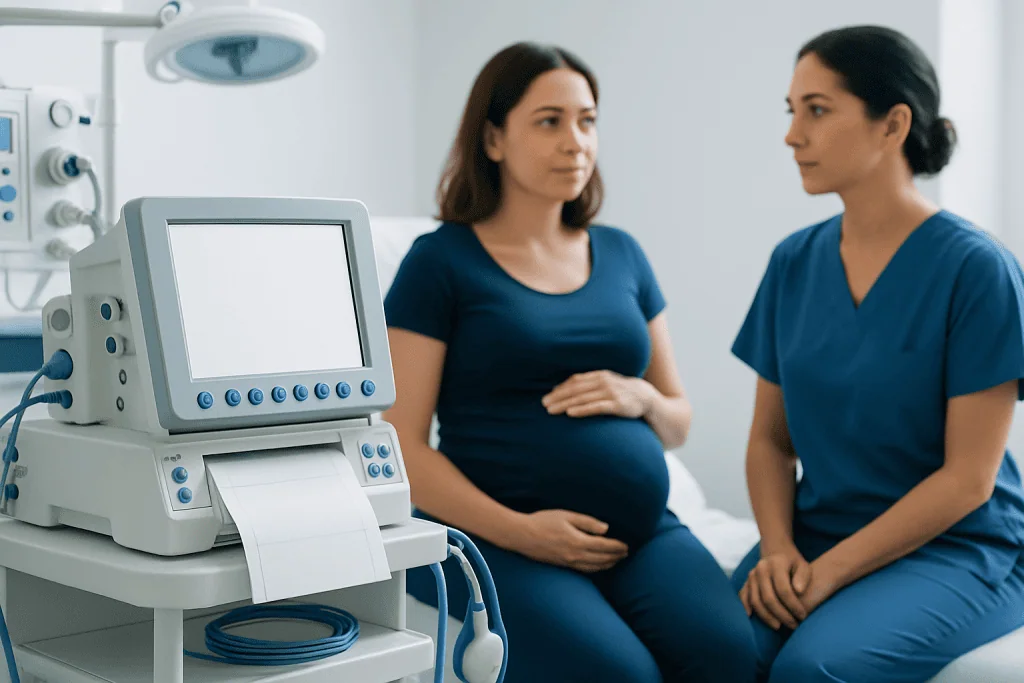
A woman may be a good candidate for VBAC if she has had one previous cesarean with a low transverse uterine incision, no history of uterine rupture, and no current medical or obstetric reason that makes vaginal birth unsafe. Many people are surprised to learn that the skin scar on the abdomen does not always match the incision on the uterus. The uterine incision type is what matters most for VBAC planning.
VBAC is often more likely to succeed when the previous cesarean was done for a non-recurring reason, such as breech position, temporary fetal concerns, or placenta-related issues that are not present in the current pregnancy. A history of previous vaginal birth, especially a prior successful VBAC, also tends to support a higher chance of success.
Doctors also look at the current pregnancy. A single baby in a head-down position, spontaneous labor, and the absence of major complications can all favor a trial of labor. If the patient is otherwise healthy and the hospital can provide continuous fetal monitoring and emergency surgical care if needed, TOLAC may be a reasonable option.
- One prior low transverse cesarean is often the most favorable situation.
- A previous vaginal birth can improve the chance of successful VBAC.
- The reason for the earlier cesarean helps predict whether labor may progress differently this time.
- Careful review of medical records is an important part of decision-making.
When VBAC May Not Be Recommended

VBAC is not advised in every case. Some uterine scars carry a higher risk of rupture during labor. For example, a prior classical cesarean incision, which is a vertical incision in the upper part of the uterus, usually makes a planned repeat cesarean the safer option. A history of previous uterine rupture is another major reason to avoid labor after cesarean.
Other situations may also make VBAC less suitable. These can include some forms of extensive uterine surgery, certain placental conditions, or a present pregnancy issue that would make vaginal birth unsafe even without a prior cesarean. Examples may include placenta previa or some fetal positioning problems close to delivery.
Having more than one previous cesarean does not automatically rule out TOLAC, but it does require more individualized assessment. The same is true when prior surgical records are unavailable. In such cases, doctors weigh the possible benefits and risks very carefully and may recommend additional review or a more cautious delivery plan.
Benefits and Risks to Understand
The main benefit of a successful VBAC is avoiding another abdominal surgery. Compared with a repeat cesarean, vaginal birth usually involves less recovery time, less pain after delivery, and a lower chance of some surgical risks such as wound complications. Avoiding repeated cesareans may also help lower the risk of placenta accreta spectrum and surgical adhesions in future pregnancies.
The most important risk discussed with VBAC is uterine rupture, which means the scar on the uterus opens during labor. Although this is uncommon, it can be serious for both mother and baby and requires immediate medical care. This is why TOLAC should take place in a setting where emergency cesarean delivery can be performed promptly if necessary.
It is also important to know that an attempted VBAC does not always end in vaginal delivery. If labor does not progress well or signs of concern appear, a cesarean may still be needed. In general, the safest plan is one made after a balanced discussion of the likelihood of success, the potential need for urgent surgery, and the patient’s own values and birth preferences.
How Doctors Assess VBAC Eligibility
Assessment starts with a detailed pregnancy and surgical history. The obstetric team reviews prior cesarean reports when available, including the type of uterine incision and whether there were complications. The reason for the earlier cesarean is also important because some reasons are unlikely to happen again, while others may be more likely to recur.
Current pregnancy factors are then considered. These include the baby’s position, estimated size, gestational age, the number of babies, placental location, and whether labor starts on its own. The health of the mother matters too, including blood pressure, diabetes, body mass index, and any conditions that could affect labor or emergency surgery planning.
Doctors usually explain the difference between a planned repeat cesarean and TOLAC in practical terms. They may discuss hospital readiness, pain relief options, fetal monitoring, and what signs would lead to changing the plan during labor. In some cases, imaging or additional review of prior records may help clarify risks, but the decision is most often based on clinical history and present pregnancy findings.
Labor, Delivery, and Treatment Planning
If a patient chooses TOLAC, labor is usually monitored closely in the hospital. Continuous fetal heart monitoring is commonly recommended because changes in the baby’s heart rate may be one of the first signs of uterine scar problems. The care team also watches the progress of labor, the mother’s symptoms, and overall well-being throughout delivery.
Pain relief options, including epidural anesthesia, may still be available during VBAC labor. Labor may begin spontaneously, or in selected situations doctors may discuss ways to support labor carefully. Not all induction methods are equally suitable after cesarean, so the approach is individualized. If labor progresses well and no warning signs appear, vaginal delivery may be achieved safely.
If labor stops progressing or concerns develop, a repeat cesarean section may become the safest next step. For women planning childbirth after an earlier c-section, counseling often includes both VBAC preparation and discussion of how an unplanned cesarean would be managed if needed. In hospitals with coordinated obstetric, anesthesia, and neonatal teams, the goal is to support safe and flexible decision-making throughout labor.
Self-care, Questions to Ask, and When to See a Doctor
Preparing for a possible VBAC starts during prenatal care. Attending regular appointments, discussing prior birth records early, and asking about hospital policies can help reduce uncertainty. Patients may find it helpful to ask about their estimated chance of successful VBAC, the signs that would make doctors recommend a cesarean during labor, and what emergency resources are available on site.
General healthy pregnancy habits remain important. These include following prenatal advice, managing chronic conditions, staying physically active if approved by the doctor, and reporting any new symptoms promptly. Good communication with the care team helps make the birth plan realistic and adaptable.
Medical attention is needed right away for labor symptoms, heavy bleeding, severe abdominal pain, reduced fetal movement, fluid leakage, or any urgent concern during pregnancy. Near the end of care planning, some families may wish to seek consultation at centers with comprehensive maternity services. Acibadem International’s multidisciplinary specialists and JCI-accredited hospitals diagnose and manage complex pregnancy and delivery planning for international patients.
Frequently asked questions
Can a woman have a vaginal birth after one cesarean?
Yes, many women with one previous cesarean may be able to have a vaginal birth. The decision depends on the type of uterine incision, the reason for the first cesarean, and the details of the current pregnancy.
What is the difference between VBAC and TOLAC?
VBAC refers to a successful vaginal birth after a previous cesarean. TOLAC means trying labor after cesarean with the goal of vaginal birth, though it may still end in cesarean if needed.
Is VBAC safer than a repeat cesarean?
Neither option is best for everyone. A successful VBAC can avoid surgery and speed recovery, while a planned repeat cesarean may be safer in some higher-risk situations, so the choice should be individualized with a doctor.
Does the reason for the first cesarean matter?
Yes, it matters a great deal. If the first cesarean happened بسبب a non-recurring issue such as breech presentation, VBAC may be more likely to succeed than if the first cesarean was related to labor not progressing well.
Can labor be induced during a VBAC attempt?
Sometimes, but induction after a previous cesarean requires extra caution. Some methods are more appropriate than others, and the decision depends on the individual pregnancy and the hospital’s protocols.
What records should be reviewed before planning VBAC?
The most helpful record is the operative report from the previous cesarean. It can show the type of uterine incision and whether there were any surgical complications that may affect future labor planning.
References
- American College of Obstetricians and Gynecologists
- Royal College of Obstetricians and Gynaecologists
- World Health Organization
- National Institute for Health and Care Excellence
- Society for Maternal-Fetal Medicine
This article is for general information only and is not a substitute for professional medical advice. Please consult a qualified doctor about your individual situation.
Explore treatments in Turkey — costs, top hospitals & a free quote
JCI-accredited · board-certified surgeons · reply within 24h
Add us as a Preferred Source to see more of our trusted health content across Google Search, AI Overviews and Discover.

More from the Health Library



Related Specialists

Dr. Mustafa Engin Çakmakçı
Otorhinolaryngology
Dr. Mehmet Yörubulut
Radiology
Assoc. Prof. Dr. Çetin Kılıççı
Gynecology & Obstetrics
Ody. Sıla Çelebi
Audiology