Vaginal Dryness: Causes, Treatment Options, and When to Get Checked

Vaginal dryness is common and can happen before, during, or after menopause. Lower estrogen is a frequent cause, but medications, skin conditions, infections, and irritation can also contribute.
Key Takeaways
- Vaginal dryness is common and can happen before, during, or after menopause.
- Lower estrogen is a frequent cause, but medications, skin conditions, infections, and irritation can also contribute.
- Symptoms may include burning, itching, soreness, urinary discomfort, and pain during sex.
- Treatment depends on the cause and may include moisturizers, lubricants, hormonal treatment, or care for an underlying condition.
- Medical review is important if symptoms are persistent, severe, or associated with bleeding, discharge, or pelvic pain.
Vaginal dryness is a common symptom that can affect comfort, sexual health, and quality of life at any age. It is often related to hormonal changes, but irritation, medications, and some medical conditions can also play a role, and effective treatments are available.
Overview
Vaginal dryness happens when the tissues of the vagina do not have enough natural moisture and elasticity. Many people notice this as dryness, burning, irritation, or discomfort during daily activities or sex. Although it is often associated with menopause, it can affect younger women as well.
The vaginal lining is normally kept healthy by hormones, especially estrogen. Estrogen helps the tissue stay thick, flexible, and well lubricated. When estrogen levels drop, the vaginal walls may become thinner, drier, and more sensitive. This can lead to symptoms that range from mild irritation to ongoing discomfort.
Vaginal dryness is treatable, and many people feel better once the cause is identified. Because symptoms can overlap with infection, skin conditions, or urinary problems, a medical assessment can help guide the most appropriate care.
Symptoms of vaginal dryness
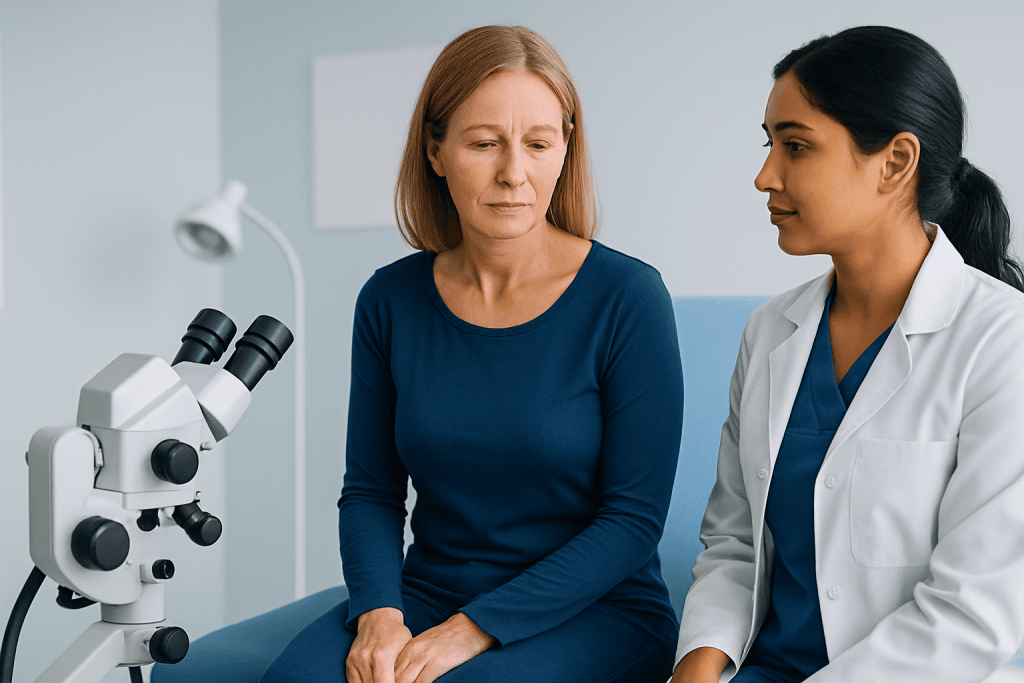
Symptoms can vary from person to person. Some people notice only mild dryness, while others develop more significant irritation that affects exercise, sitting, urination, or sexual activity. Symptoms may be constant or may come and go.
Common symptoms include:
- A dry, tight, or uncomfortable feeling in the vagina
- Burning, stinging, itching, or soreness
- Pain or friction during sex
- Light spotting after sex because delicate tissue becomes irritated
- Reduced natural lubrication during arousal
- Urinary symptoms such as burning with urination, urgency, or frequent urinary tract infections
Some people also describe pressure, tenderness around the vaginal opening, or a feeling that the tissue is more fragile than usual. When dryness continues over time, it may affect sleep, mood, body confidence, and intimate relationships. These symptoms are real and common, and they deserve attention.
Causes and risk factors

The most common cause of vaginal dryness is a drop in estrogen. This frequently happens during perimenopause and menopause, after childbirth, and while breastfeeding. It may also occur after removal of the ovaries or with treatments that affect hormone levels. In menopause, vaginal dryness may be part of a broader group of changes sometimes described as genitourinary syndrome of menopause.
Other possible causes include medications that reduce moisture in body tissues, such as some antihistamines, antidepressants, acne treatments, or hormonal therapies. Cancer treatments, including chemotherapy and some breast cancer medicines, can also contribute. In addition, smoking may worsen dryness by affecting circulation and tissue health.
Irritation is another important factor. Scented soaps, bubble baths, vaginal douches, perfumed pads, some laundry products, and certain condoms or lubricants may trigger burning or dryness in sensitive tissue. Skin conditions such as eczema, lichen sclerosus, or contact dermatitis can cause similar symptoms and may need specialist care.
Less commonly, vaginal dryness may occur alongside autoimmune conditions such as Sjogren syndrome, after pelvic radiation, or due to ongoing stress and reduced arousal. Sometimes pain during sex is not caused by dryness alone and may overlap with pelvic floor tension or conditions such as endometriosis. A clinician can help sort out these possibilities.
How doctors diagnose the cause
Diagnosis usually begins with a conversation about symptoms, menstrual history, sexual discomfort, medications, childbirth history, and general health. A doctor will often ask when symptoms started, whether they are linked to menopause or breastfeeding, and whether there are urinary symptoms, discharge, bleeding, or pelvic pain.
A pelvic examination may be recommended to look for dryness, thinning tissue, inflammation, skin changes, infection, or other causes of pain. This exam can also help distinguish vaginal dryness from other conditions that may need different treatment, such as a yeast infection, bacterial vaginosis, vulvar skin disease, or an ovarian cyst causing pelvic discomfort.
Depending on the situation, tests may include a vaginal swab to check for infection, a urine test if urinary symptoms are present, or blood tests if hormone or thyroid issues are suspected. If symptoms are persistent, severe, or unusual, referral to a gynecologist or dermatologist may be helpful. The goal is not only to confirm dryness, but also to identify what is driving it.
Treatment options
Treatment depends on the cause, symptom severity, age, and personal preferences. For many people, simple non-hormonal measures help significantly. Vaginal moisturizers are used regularly to improve tissue hydration, while lubricants are used during sex to reduce friction and discomfort. Water-based or silicone-based products are often preferred, especially if fragranced products have caused irritation before.
When dryness is linked to low estrogen, local vaginal estrogen may be recommended by a doctor. This treatment comes in forms such as creams, tablets, or rings and works mainly in the vaginal tissue to improve moisture, thickness, and elasticity. For some patients, other hormonal or non-hormonal prescription treatments may be considered depending on symptoms, medical history, and whether menopause is the main cause.
If an underlying problem is present, that condition should also be treated. For example, infections, inflammatory skin conditions, medication side effects, or pelvic floor muscle problems may all need specific care. In some situations, specialist assessment in gynecology care helps guide treatment, especially if symptoms continue despite first-line measures.
When symptoms occur with broader menopausal changes such as hot flushes, sleep disturbance, and mood changes, clinicians may discuss options related to menopause management. If pelvic pain, fibroids, or other gynecologic conditions are also part of the picture, evaluation may involve broader obstetrics and gynecology services. Treatment should always be individualized, especially for people with a history of hormone-sensitive cancer or unexplained vaginal bleeding.
Prevention and self-care
Not all cases can be prevented, but gentle self-care can reduce irritation and support comfort. Unscented cleansers, plain water for the vulva, breathable cotton underwear, and avoiding douching are simple steps that often help. It is also useful to avoid perfumed products, harsh soaps, and anything that seems to trigger burning or itching.
During sex, taking more time for arousal and using a suitable lubricant can reduce friction. If one product stings or feels sticky, another formula may work better. Some people do best with regular moisturizers two or three times a week, even when they are not sexually active.
Staying hydrated, not smoking, and managing chronic conditions can also support tissue health. If a medication seems to worsen dryness, a doctor or pharmacist may be able to suggest alternatives, but medicines should not be stopped without medical advice. Self-care can help, but persistent symptoms should still be checked to confirm that dryness is the main issue.
When to get checked
It is a good idea to see a doctor if vaginal dryness lasts more than a few weeks, interferes with daily life or sex, or keeps coming back. Medical review is also important if there is bleeding after sex, unusual vaginal discharge, a strong odor, pelvic pain, fever, or sores. These features can point to infection, skin disease, or another condition that needs treatment.
Anyone with menopause-related symptoms who is unsure about treatment choices should also seek advice, particularly if there is a personal history of breast cancer, blood clots, liver disease, or unexplained bleeding. A clinician can explain which options are appropriate and whether hormonal treatment is suitable.
Vaginal dryness is common, but it should not simply be accepted as something a person must live with. Proper evaluation can improve comfort and quality of life. Acibadem International’s multidisciplinary specialists in JCI-accredited hospitals diagnose and treat vaginal dryness and related gynecologic conditions for international patients.
Frequently asked questions
Is vaginal dryness only caused by menopause?
No. Menopause is a very common cause because estrogen levels fall, but vaginal dryness can also happen after childbirth, during breastfeeding, with certain medicines, or from irritation and skin conditions. It can affect women at different ages.
Can vaginal dryness cause pain during sex?
Yes. Reduced moisture and more delicate vaginal tissue can lead to friction, burning, or pain during sex. Lubricants may help in the short term, but ongoing pain should be medically assessed to check for hormonal changes, infection, pelvic floor issues, or other gynecologic causes.
What is the difference between a vaginal moisturizer and a lubricant?
A vaginal moisturizer is used regularly to improve hydration of the vaginal tissue over time. A lubricant is used during sexual activity to reduce friction right away. Many people benefit from using both, depending on their symptoms.
When is vaginal dryness a reason to see a doctor?
A doctor should be consulted if symptoms persist, are severe, or affect quality of life. Medical review is especially important if there is bleeding after sex, unusual discharge, bad odor, pelvic pain, urinary symptoms, or sores.
Is vaginal estrogen safe?
For many women, local vaginal estrogen is an effective treatment and is considered low dose because it mainly acts in the vaginal tissue. However, suitability depends on individual medical history, especially if there has been breast cancer, unexplained vaginal bleeding, or certain other health conditions. A doctor can advise on the safest option.
Can vaginal dryness improve without prescription treatment?
Sometimes it can, especially if it is caused by irritants or temporary hormonal changes. Avoiding scented products, using moisturizers and lubricants, and giving attention to arousal and comfort may help. If symptoms continue, medical evaluation is still recommended.
References
- World Health Organization
- American College of Obstetricians and Gynecologists
- North American Menopause Society
- National Health Service
- Mayo Clinic
This article is for general information only and is not a substitute for professional medical advice. Please consult a qualified doctor about your individual situation.
Explore treatments in Turkey — costs, top hospitals & a free quote
JCI-accredited · board-certified surgeons · reply within 24h
Add us as a Preferred Source to see more of our trusted health content across Google Search, AI Overviews and Discover.