Vaginal Dryness Natural Remedies: What Is Normal, What Is Not, and When to Seek Care

Some vaginal dryness is common, especially around menopause, after childbirth, and during breastfeeding. Natural remedies may help mild dryness, but not every product sold as “natural” is safe for vaginal tissue.
Key Takeaways
- Some vaginal dryness is common, especially around menopause, after childbirth, and during breastfeeding.
- Natural remedies may help mild dryness, but not every product sold as “natural” is safe for vaginal tissue.
- Persistent dryness can be related to low estrogen, medications, skin conditions, or infection.
- Vaginal moisturizers and lubricants are often more effective and better studied than home remedies.
- Pain, bleeding, discharge, itching, or urinary symptoms are signs to seek medical care.
Vaginal dryness natural remedies may ease mild symptoms, especially when dryness is linked to hormonal changes, skin irritation, or lifestyle factors. However, dryness that is persistent, painful, or associated with bleeding, infection symptoms, or urinary problems deserves medical evaluation.
Overview: what is normal and what is not
Vaginal dryness natural remedies can be useful for mild symptoms, but they work best when the cause is understood first. It is normal for vaginal moisture to vary across the menstrual cycle, with stress, during certain life stages, and with changes in sexual arousal. Temporary dryness may happen occasionally and does not always mean there is a medical problem.
What is not considered normal is dryness that keeps coming back, causes burning or pain, affects daily comfort, or leads to discomfort during sex. Vaginal tissue is sensitive and depends on healthy hormone levels, blood flow, and a balanced vaginal environment. When these change, dryness can become more noticeable and more disruptive.
This topic is often discussed as a menopause symptom, but it can affect younger adults too. Dryness may develop after childbirth, during breastfeeding, after cancer treatment, with some medicines, or alongside skin conditions and infections. Because the reasons are varied, a careful, practical approach is usually more helpful than trying many home remedies at random.
How vaginal dryness feels
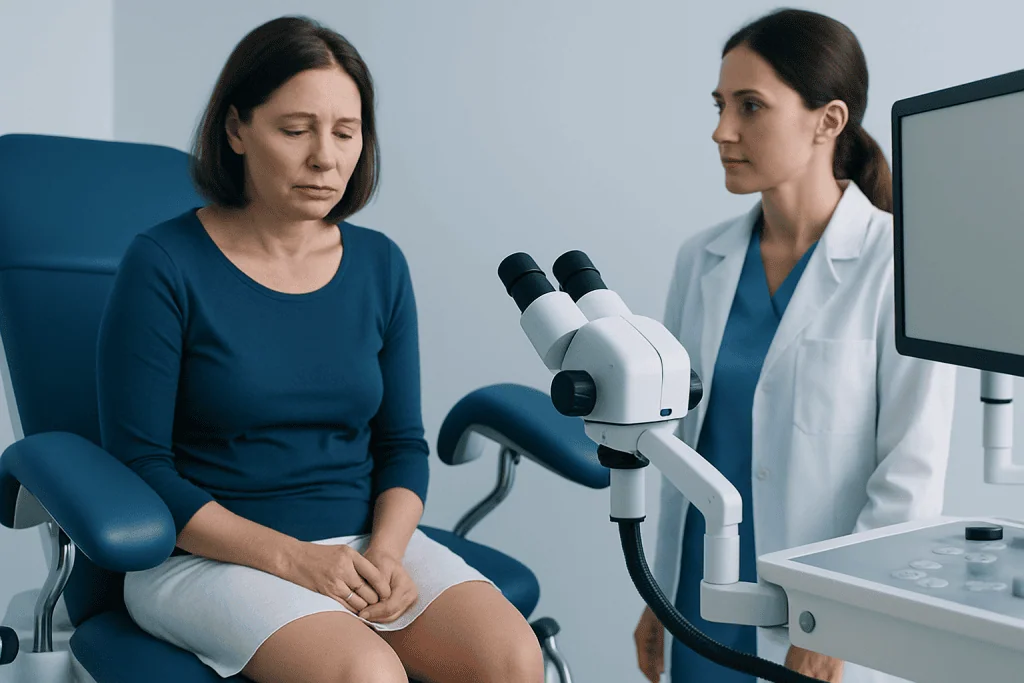
Vaginal dryness can feel different from person to person. Some describe a dry, tight, or raw sensation. Others notice burning, stinging, irritation, itching, or discomfort with sitting, exercise, or sexual activity.
Symptoms may be felt inside the vagina, around the vulva, or both. Dryness can also reduce natural lubrication during arousal, which may lead to friction, pain during sex, or small tears. If symptoms continue, some people begin to avoid intimacy or feel anxious about discomfort, which can further reduce arousal and worsen the cycle.
Other symptoms can give clues about the cause. For example, unusual discharge or odor may suggest infection, while frequent urination, urgency, or burning with urination may point to urinary tract irritation or changes related to low estrogen. When pelvic pain, bleeding, or ongoing pain during sex are present, evaluation is especially important because the cause may not be simple dryness alone.
Common causes and risk factors

The most common medical cause of ongoing vaginal dryness is a drop in estrogen. This often happens during perimenopause and menopause, but it can also occur after childbirth, while breastfeeding, after ovary removal, or during treatments that affect hormones. Low estrogen can thin and dry the vaginal lining and make the tissue more fragile. This group of changes is often discussed under vaginal atrophy.
Dryness can also be linked to medicines. Antihistamines, some antidepressants, certain hormonal contraceptives, and treatments used in cancer care may reduce moisture or arousal-related lubrication. Smoking, high stress, lack of adequate foreplay, and scented hygiene products can make symptoms worse. Washing inside the vagina, using perfumed soaps, or applying irritating products may disturb the natural barrier and increase discomfort.
Sometimes dryness is related to another condition rather than hormones alone. Possibilities include eczema, contact dermatitis, lichen sclerosus, autoimmune disorders, or infection. Pain during sex may also have more than one cause, including pelvic floor tension, vulvar pain syndromes, or conditions such as endometriosis in some patients. This is why persistent symptoms should not be dismissed as simply “normal aging.”
- Higher risk groups include people in perimenopause or menopause
- Those who are postpartum or breastfeeding
- People taking medicines that reduce moisture
- Patients treated with chemotherapy, radiation, or hormone-blocking therapy
- Those with sensitive skin or chronic vulvar conditions
Natural remedies: what may help and what to avoid
When people search for vaginal dryness natural remedies, they are often looking for a gentle first step. A few simple measures may help mild symptoms. Avoiding perfumed washes, bubble baths, vaginal douching, and heavily scented pads or liners can reduce irritation. Wearing breathable cotton underwear, changing out of wet exercise clothes promptly, and using a mild, fragrance-free cleanser only on the outer genital area may support comfort.
Regular sexual activity, if comfortable, may help maintain blood flow and tissue elasticity. Longer arousal time, clear communication with a partner, and reducing friction during intercourse can also make a difference. Stress management, sleep, hydration, and stopping smoking may support overall tissue health, although hydration alone does not directly correct hormone-related dryness.
Many home remedies circulating online are not well studied or may irritate vaginal tissue. Oils, herbal products, or DIY mixtures are not automatically safe just because they are natural. Coconut oil, olive oil, or aloe-based products are sometimes used by individuals, but these can cause irritation in some people, may affect condoms or latex barriers, and do not treat underlying medical causes. Anything that causes burning, itching, or worsening symptoms should be stopped.
For many patients, over-the-counter vaginal moisturizers and lubricants are a more reliable option than home remedies. Although they are not usually described as “natural remedies,” they are widely recommended because they are designed for sensitive tissue. Water-based or silicone-based lubricants can reduce friction during sex, while vaginal moisturizers used regularly can improve day-to-day comfort. A doctor can help if there is uncertainty about which products are best.
How doctors evaluate vaginal dryness
Diagnosis begins with a history of symptoms, timing, medicines, menstrual or menopause status, childbirth history, and sexual health. A doctor may ask whether the dryness is constant or occurs only during sex, and whether there is itching, discharge, bleeding, urinary symptoms, or skin changes. These details help separate low-estrogen changes from irritation, infection, or other conditions.
An examination may include looking at the vulva and vagina for dryness, redness, thinning, tiny tears, plaques, or other changes. Depending on symptoms, testing may be done for infection or other causes of irritation. If bleeding, pelvic pain, or complex symptoms are present, additional assessment may be needed to rule out gynecologic conditions.
This evaluation is important because the best treatment depends on the reason for dryness. In some cases, the issue is primarily local tissue change. In others, it may be related to hormones, medication side effects, or another gynecologic problem. If dryness is accompanied by persistent pain during sex, a gynecology review may be helpful, and some patients may need broader pelvic evaluation or a gynecology check-up.
Treatment options beyond home care
If simple measures do not help, medical treatment can be very effective. Vaginal moisturizers and lubricants are often first-line options because they are easy to use and can relieve both daily dryness and discomfort during sex. For many people with hormone-related dryness, local vaginal estrogen is one of the most effective treatments. It delivers estrogen directly to the tissue in small amounts and may improve moisture, elasticity, and comfort.
Some patients are not suitable candidates for certain hormone-based treatments, or they may prefer to avoid them. In these situations, a doctor may discuss non-hormonal approaches, review current medicines, and look for treatable triggers. If a skin condition, infection, or pelvic floor problem is contributing, treating that condition is essential.
When symptoms are part of broader menopause-related changes, the discussion may include menopause treatment options tailored to the individual’s health history. If there is severe pain, recurrent tearing, or uncertainty about the cause, specialist evaluation may be needed. In selected cases, treatment planning may overlap with obstetrics and gynecology care to address related symptoms such as bleeding, pelvic pain, or recurrent infections.
Prevention and self-care for everyday comfort
Prevention focuses on protecting the vaginal and vulvar barrier rather than over-cleansing it. The vagina is self-cleaning, so internal washing is not needed. A gentle routine usually means warm water and, if desired, a mild fragrance-free cleanser on the outer area only. Harsh soaps, deodorizing sprays, and powders are best avoided because they may worsen dryness and irritation.
During sex, using enough lubricant and allowing time for arousal can reduce friction and tearing. If condoms are used, it is important to choose a compatible lubricant because some oils can damage latex. If a new product causes stinging or itching, switching to a simpler, fragrance-free formulation may help.
Keeping a symptom diary can also be useful. Tracking dryness in relation to the menstrual cycle, breastfeeding, new medications, intimate products, or sexual activity may reveal a pattern. This information can make a medical visit more productive and help identify practical changes that improve comfort.
When to seek medical care
Medical care is recommended when vaginal dryness persists, keeps returning, or affects quality of life. It is also a good idea to seek care if dryness is accompanied by pain during sex, bleeding, repeated small tears, unusual discharge, bad odor, itching, rash, or urinary symptoms such as burning or urgency. These symptoms may signal a condition that needs targeted treatment rather than simple self-care.
People with a history of breast cancer, gynecologic cancer treatment, or surgical menopause should discuss dryness with their medical team rather than relying only on online advice. If symptoms start after a new medicine, the prescribing doctor may be able to adjust treatment safely. A clinician can also help distinguish low-estrogen changes from infection or skin disease.
For international patients who need evaluation, Acibadem International’s multidisciplinary specialists and JCI-accredited hospitals diagnose and treat gynecologic conditions, including symptoms related to vaginal dryness, in a coordinated way.
Frequently asked questions
Are vaginal dryness natural remedies enough for most people?
They may be enough for mild, occasional dryness caused by temporary irritation or reduced arousal. If symptoms are frequent, painful, or linked to menopause, postpartum changes, medicines, or skin disease, medical treatment is often more effective.
Is vaginal dryness always a sign of menopause?
No. Menopause is a common cause, but dryness can also happen after childbirth, during breastfeeding, with certain medications, or because of irritation, infection, or skin conditions. Younger adults can experience it too.
What is the difference between a vaginal moisturizer and a lubricant?
A lubricant is usually used during sexual activity to reduce friction right away. A vaginal moisturizer is used more regularly to improve ongoing tissue comfort and moisture between sexual activity.
Can “natural” oils be used for vaginal dryness?
Some people try oils, but natural does not always mean safe for sensitive vaginal tissue. Oils may irritate some individuals and can damage latex condoms, so it is wise to ask a doctor before using them internally or regularly.
When should pain during sex be checked by a doctor?
Pain during sex should be checked if it is new, persistent, worsening, or associated with dryness, bleeding, pelvic pain, or fear of penetration. The cause may involve hormones, infection, pelvic floor tension, or another gynecologic condition.
Can dehydration cause vaginal dryness?
General hydration supports overall health, but dehydration alone is usually not the main cause of persistent vaginal dryness. Ongoing dryness is more often related to hormones, irritation, medications, or underlying conditions.
References
- American College of Obstetricians and Gynecologists
- North American Menopause Society
- National Institute on Aging
- Mayo Clinic
- National Health Service
This article is for general information only and is not a substitute for professional medical advice. Please consult a qualified doctor about your individual situation.
Explore treatments in Turkey — costs, top hospitals & a free quote
JCI-accredited · board-certified surgeons · reply within 24h
Add us as a Preferred Source to see more of our trusted health content across Google Search, AI Overviews and Discover.