

Vaginal Rejuvenation: What Is Normal, What Is Not, and When to Seek Care

Vaginal rejuvenation can describe surgical and non-surgical treatments, but it is not a single standard medical diagnosis or procedure. Changes related to childbirth, aging, menopause, and hormones can be normal, although bothersome symptoms deserve evaluation.
Key Takeaways
- Vaginal rejuvenation can describe surgical and non-surgical treatments, but it is not a single standard medical diagnosis or procedure.
- Changes related to childbirth, aging, menopause, and hormones can be normal, although bothersome symptoms deserve evaluation.
- Symptoms such as dryness, pain, pressure, urinary leakage, or a bulge may point to treatable pelvic floor or gynecologic conditions.
- A careful history and pelvic exam help identify whether symptoms are due to menopause, infection, pelvic organ prolapse, scarring, or other causes.
- Treatment may include pelvic floor therapy, lubricants or moisturizers, hormone-based treatments when appropriate, or selected procedures for specific problems.
- Medical care is important for persistent pain, bleeding, discharge, urinary symptoms, or any new lump, bulge, or change that affects quality of life.
Vaginal rejuvenation is a broad term for treatments that aim to improve vaginal comfort, function, or appearance, but many genital changes over time are normal and do not need a procedure. The best first step is a medical evaluation to distinguish expected changes from symptoms that may have treatable causes.
Overview: what vaginal rejuvenation means
Vaginal rejuvenation is a general term, not one single diagnosis or treatment. It may refer to non-surgical approaches intended to improve vaginal dryness, irritation, mild laxity, or sexual discomfort, or to surgical procedures that address tissue support, scarring, or anatomy. Because the term is used broadly in advertising and online discussions, it can create confusion about what is medically necessary, what is cosmetic, and what may simply reflect normal body changes.
Many changes in the vulva and vagina occur over time. Childbirth, menopause, breastfeeding, aging, weight changes, pelvic floor strain, and hormonal shifts can all affect tissue elasticity, moisture, and sensation. These changes can be completely normal. However, normal does not always mean symptom-free, and discomfort or functional problems still deserve attention.
The key question is not whether the genital area looks exactly the same as before, but whether there are symptoms such as dryness, pain, pressure, urinary leakage, recurrent irritation, or a feeling of looseness that affects daily life or intimacy. A proper evaluation can clarify whether symptoms relate to expected hormonal changes, pelvic floor weakness, prolapse, scar tissue, infection, or another condition that may have a targeted treatment.
What is normal, and what is not
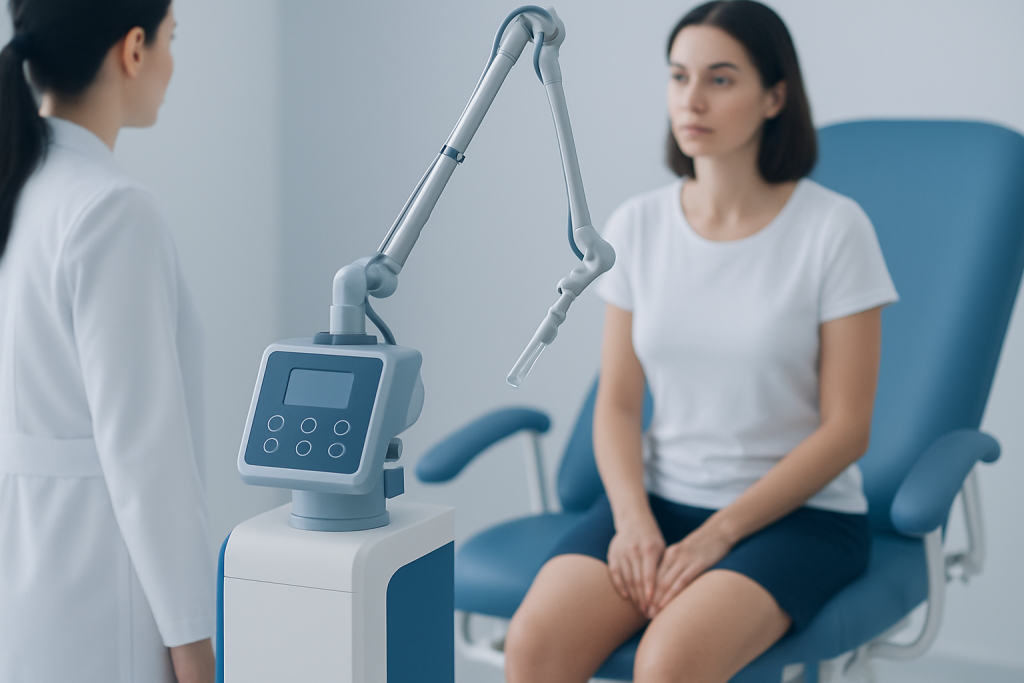
Normal findings vary widely from person to person. The size, color, symmetry, and contour of the labia and vaginal opening differ naturally, and these features may change after puberty, pregnancy, childbirth, and menopause. The vaginal canal also changes with arousal, hormones, and life stage. A feeling that the body is different from years earlier does not necessarily mean there is a medical problem.
Common normal changes include some reduction in tissue firmness with age, mild vaginal dryness during breastfeeding or menopause, and changes in comfort or sensation after childbirth that improve gradually over time. Mild scar sensitivity after delivery or surgery can also occur and may settle with healing, time, and supportive care.
Changes are more likely to need medical assessment when they are persistent, progressive, or disruptive. These include ongoing pain with intercourse, significant dryness that does not improve with simple measures, a vaginal bulge or pressure sensation, urine leakage, trouble emptying the bladder, bleeding after sex, unusual discharge, a strong odor, or visible sores or skin changes. These signs do not automatically mean a serious condition, but they should not be ignored.
Sometimes the concern described as a need for vaginal rejuvenation is actually related to a recognized condition such as vaginal prolapse or urinary incontinence. In these cases, the most effective treatment focuses on the underlying cause rather than appearance alone.
Symptoms and concerns that may lead someone to ask about vaginal rejuvenation

People usually seek information about vaginal rejuvenation because they notice changes in comfort, function, or body image. Symptoms can involve the vagina, vulva, bladder, pelvic floor, or sexual function. Not every symptom comes from the same source, which is why a tailored evaluation matters.
Common concerns include:
- Vaginal dryness, burning, or irritation
- Pain during intercourse or tampon use
- A feeling of looseness or reduced friction during sex
- Pressure, heaviness, or a bulge in the vagina
- Urine leakage with coughing, exercise, or urgency
- Reduced comfort after childbirth, including scar sensitivity
- Changes in the appearance of the labia or vaginal opening
Some symptoms are linked to low estrogen after menopause, often called genitourinary syndrome of menopause. Others are related to pelvic floor muscle weakness or overactivity, tissue injury from childbirth, or pelvic support problems. Emotional concerns are also valid: distress about function, intimacy, or body image can meaningfully affect quality of life even when the findings are medically benign.
Because online information often groups all of these issues under one label, people may assume that a device-based treatment or surgery is the only answer. In reality, non-procedural care such as pelvic floor therapy, moisturizers, lubricants, or treatment of a specific gynecologic condition may be more appropriate and effective.
Causes and risk factors
Several factors can change vaginal tissues and pelvic support. Vaginal childbirth may stretch muscles and connective tissue, and some people develop lasting weakness or scarring. Menopause lowers estrogen, which can make tissues thinner, drier, and less elastic. Breastfeeding can temporarily produce similar symptoms because estrogen levels may also be lower during that period.
Aging itself affects collagen and tissue resilience. Repeated heavy lifting, chronic constipation, obesity, chronic coughing, and high-impact activities can increase strain on the pelvic floor over time. Prior pelvic surgery, radiation therapy, and certain skin conditions or infections may also affect the vulva or vagina and should be considered before any aesthetic or restorative procedure.
Sexual pain or a sensation of tightness is not always due to tissue laxity. It may be related to pelvic floor muscle spasm, anxiety, vulvar pain disorders, infection, endometriosis, or hormonal changes. Similarly, urine leakage may come from stress incontinence or overactive bladder rather than a structural vaginal problem. For carefully selected patients, a doctor may discuss treatment options such as pelvic floor rehabilitation or urogynecologic evaluation and care depending on the underlying issue.
Risk factors do not determine that someone will need treatment. They simply help explain why symptoms can develop and why individualized assessment is more helpful than assuming that one procedure fits everyone.
How doctors evaluate these concerns
Assessment usually begins with a conversation about symptoms, childbirth history, menstrual or menopausal status, sexual function, urinary or bowel symptoms, medications, and previous surgery. The clinician may ask when symptoms began, what makes them better or worse, and whether they affect exercise, daily comfort, or intimacy. These details help distinguish hormonal symptoms from pelvic floor disorders, infection, scarring, or dermatologic conditions.
A pelvic exam is often an important part of evaluation. It allows the clinician to assess tissue health, moisture, scar tissue, pelvic floor muscle tone, prolapse, tenderness, and signs of infection or skin disease. If urinary symptoms are present, testing may include a urine test, bladder assessment, or other urologic or urogynecologic studies. Some patients also benefit from evaluation by a pelvic floor physical therapist.
The purpose of diagnosis is to match treatment to the actual problem. For example, vaginal dryness related to menopause may respond to moisturizers or hormone-based therapy when suitable, while a feeling of vaginal pressure may point toward support problems that need a different approach. In some cases, further gynecologic assessment is important before considering procedures marketed as vaginal rejuvenation.
Patients should feel comfortable asking what condition is being treated, what alternatives exist, what evidence supports the proposed treatment, and what the expected benefits and limitations are. Informed decision-making is especially important because the term vaginal rejuvenation can cover both medically indicated care and elective cosmetic procedures.
Treatment options: from conservative care to procedures
Treatment depends on symptoms, examination findings, personal goals, and overall health. Conservative options are often the first step and may work very well. These can include vaginal moisturizers for routine hydration, lubricants during sexual activity, avoidance of irritating soaps or scented products, constipation management, and pelvic floor exercises or supervised therapy. For people with menopausal tissue changes, clinicians may discuss local hormonal treatment when appropriate and safe.
Pelvic floor physical therapy can be helpful for both weakness and muscle overactivity. It may improve urinary leakage, pressure, pain with intercourse, and postpartum recovery. If symptoms are due to pelvic support problems, treatment may include pessaries, targeted rehabilitation, or surgery in selected cases. When stress incontinence is a major issue, specialist options such as urinary incontinence treatment may be considered after proper evaluation.
Procedural approaches vary. Some are designed to tighten or support tissue surgically, while others use energy-based devices with the aim of improving symptoms such as dryness or mild laxity. Not all device-based treatments have the same quality of evidence for every symptom, and they are not suitable for everyone. Patients should understand possible benefits, side effects, the need for repeat sessions, and the difference between symptom improvement and guaranteed functional outcomes.
If there is a true structural problem, a surgeon may recommend a procedure directed at that issue rather than a general rejuvenation label. Careful counseling is important when goals involve both function and appearance. Near the end of the treatment journey, some international patients seek multidisciplinary assessment at centers such as Acibadem International, where JCI-accredited hospitals and specialists in gynecology, urogynecology, and pelvic floor care evaluate and treat these concerns.
Self-care and prevention
Not all vaginal or pelvic changes can be prevented, especially those related to childbirth or menopause, but supportive habits can protect comfort and pelvic floor health. Staying physically active, treating chronic cough, avoiding long-term straining with constipation, and using proper lifting technique can reduce excess pelvic pressure. Pelvic floor exercises may help some people, though they are most effective when taught correctly.
For vaginal dryness or irritation, gentle vulvar care is often useful. This may mean avoiding fragranced washes, douches, and harsh products that can disrupt the natural environment of the vulva and vagina. Regular use of a vaginal moisturizer may help with ongoing dryness, while a lubricant can reduce friction during sex.
After childbirth, persistent pain, scar discomfort, urine leakage, or pressure should not be dismissed as something a person simply has to live with. Early assessment can identify pelvic floor dysfunction, prolapse, or hormone-related changes and guide recovery. During and after menopause, new genital or urinary symptoms also deserve attention, because simple treatments may bring meaningful relief.
Self-care is helpful, but it should not replace medical review when symptoms continue, worsen, or are accompanied by bleeding, discharge, a noticeable bulge, or skin changes.
When to seek medical care
Medical care is appropriate when symptoms are persistent, bothersome, or changing over time. A person should arrange an evaluation for vaginal dryness that does not improve, pain with sex, pelvic pressure, a sensation of tissue protruding, recurrent urinary leakage, or difficulty emptying the bladder or bowels. It is also wise to seek care for concerns after childbirth if healing does not seem to be progressing.
Prompt assessment is especially important for bleeding after sex, unexpected bleeding after menopause, foul-smelling or unusual discharge, sores, ulcers, severe itching, fever, sudden pelvic pain, or any new lump or visible skin change. These symptoms can have many causes, some minor and some requiring timely treatment. An early examination helps clarify what is normal healing or hormonal change and what is not.
People considering any vaginal rejuvenation procedure should also seek professional advice before proceeding, particularly if they have urinary symptoms, prolapse, chronic pelvic pain, a history of pelvic surgery, or cancer treatment affecting the pelvis. A qualified gynecologist or urogynecologist can explain whether a procedure is suitable or whether another treatment would better address the underlying problem.
Frequently asked questions
Is vaginal rejuvenation medically necessary?
Sometimes, but not always. The term often includes elective cosmetic procedures as well as treatments for genuine medical problems such as dryness, prolapse, scarring, or urinary leakage. A doctor can help determine whether symptoms reflect a treatable condition or normal variation.
Are changes after childbirth normal?
Many postpartum changes are normal, including temporary soreness, mild dryness, and a different sense of pelvic support while healing continues. However, ongoing pain, urine leakage, pressure, or a bulge should be assessed because these symptoms may improve with targeted treatment.
Can menopause cause symptoms that are mistaken for a need for vaginal rejuvenation?
Yes. Menopause can lead to dryness, burning, irritation, and discomfort during sex because tissues become thinner and less lubricated. These symptoms may respond to moisturizers, lubricants, or medical treatment, depending on the person’s health history.
Do non-surgical treatments work?
They can help many people, especially when symptoms are related to dryness, mild pelvic floor dysfunction, or postpartum recovery. Pelvic floor therapy, moisturizers, and other conservative options are often tried before procedures. Results vary depending on the underlying cause.
Is a feeling of vaginal looseness always a structural problem?
No. Sensation during sex can be affected by arousal, hormones, pelvic floor strength, scar tissue, and emotional factors, not only by tissue laxity. A medical evaluation can help identify whether there is a support problem or another explanation.
When should someone avoid self-diagnosing and see a doctor?
A doctor should evaluate bleeding after sex, bleeding after menopause, unusual discharge, severe pain, urinary symptoms, a vaginal bulge, or any new sore or lump. These symptoms can have different causes, and proper diagnosis helps guide safe treatment.
References
- American College of Obstetricians and Gynecologists
- North American Menopause Society
- U.S. Food and Drug Administration
- International Urogynecological Association
- National Institute for Health and Care Excellence
This article is for general information only and is not a substitute for professional medical advice. Please consult a qualified doctor about your individual situation.
Vaginal Rejuvenation in Turkey — costs, top hospitals & a free quote
JCI-accredited · board-certified surgeons · reply within 24h
Add us as a Preferred Source to see more of our trusted health content across Google Search, AI Overviews and Discover.

Gynecology & Obstetrics
Women’s health across pregnancy, gynecologic surgery and high-risk pregnancy care.
187 specialists in this unitMore from the Health Library



Related Specialists

Burcu Kocabey
Physical Medicine & Rehabilitation
Dr. Sebiha Nihal Yılmaz
Oral Dental & Maxillofacial Surgery
Assoc. Prof. Dr. Mustafa Emir Tavşanlı
Neurology
Prof. Dr. Özlem Aydın
Pathology