Varicose Veins: Treatment Choices, Recovery, and How to Prevent Recurrence
Varicose veins develop when leg vein valves do not work effectively, allowing blood to pool. Common symptoms include visible bulging veins, aching, heaviness, swelling, itching, and nighttime leg discomfort.
Key Takeaways
- Varicose veins develop when leg vein valves do not work effectively, allowing blood to pool.
- Common symptoms include visible bulging veins, aching, heaviness, swelling, itching, and nighttime leg discomfort.
- Treatment ranges from compression stockings and exercise to minimally invasive procedures such as laser, radiofrequency, or sclerotherapy.
- Recovery is often relatively quick after modern vein procedures, but follow-up and compression may still be important.
- Healthy weight, regular movement, leg elevation, and avoiding long periods of standing or sitting can help reduce recurrence risk.
Varicose veins are enlarged, twisted veins most often seen in the legs when vein valves weaken and blood pools. Many people improve with compression, lifestyle measures, and minimally invasive procedures, while long-term habits can help lower the chance of recurrence.
Overview: What are varicose veins?
Varicose veins are enlarged, twisted veins that usually appear in the legs and feet. They develop when small valves inside the veins do not close properly. Instead of moving smoothly back toward the heart, some blood flows backward and collects in the vein, causing it to stretch and become more visible.
These veins may be blue, purple, or skin-colored and can look rope-like or bulging beneath the skin. For some people, varicose veins are mainly a cosmetic concern. For others, they cause symptoms such as heaviness, aching, burning, itching, or swelling, especially after long periods of standing.
Varicose veins are related to chronic vein disease and may occur alongside spider veins, which are smaller, finer surface veins. They are common and often manageable. Early assessment can help identify whether symptoms are due to straightforward varicose veins or a more significant circulation problem such as chronic venous insufficiency.
Symptoms and possible complications
Varicose veins do not always cause discomfort, but when symptoms occur they often affect daily comfort and mobility. Many people notice symptoms more at the end of the day, in warm weather, or after standing for long periods. Symptoms may improve with leg elevation or walking.
Common symptoms include:
- Visible enlarged or twisted leg veins
- Aching, throbbing, or a feeling of heaviness in the legs
- Swelling around the ankles or lower legs
- Itching, burning, or cramping
- Restless legs or discomfort at night
- Skin discoloration near the ankles
If vein problems progress, complications can develop. These may include inflammation in a vein, bleeding from a surface vein after minor injury, skin changes, or ulcers near the ankle. In some cases, a painful clot can form in a superficial vein, and this should be assessed by a doctor to rule out deeper vein involvement such as deep vein thrombosis.
Causes and risk factors
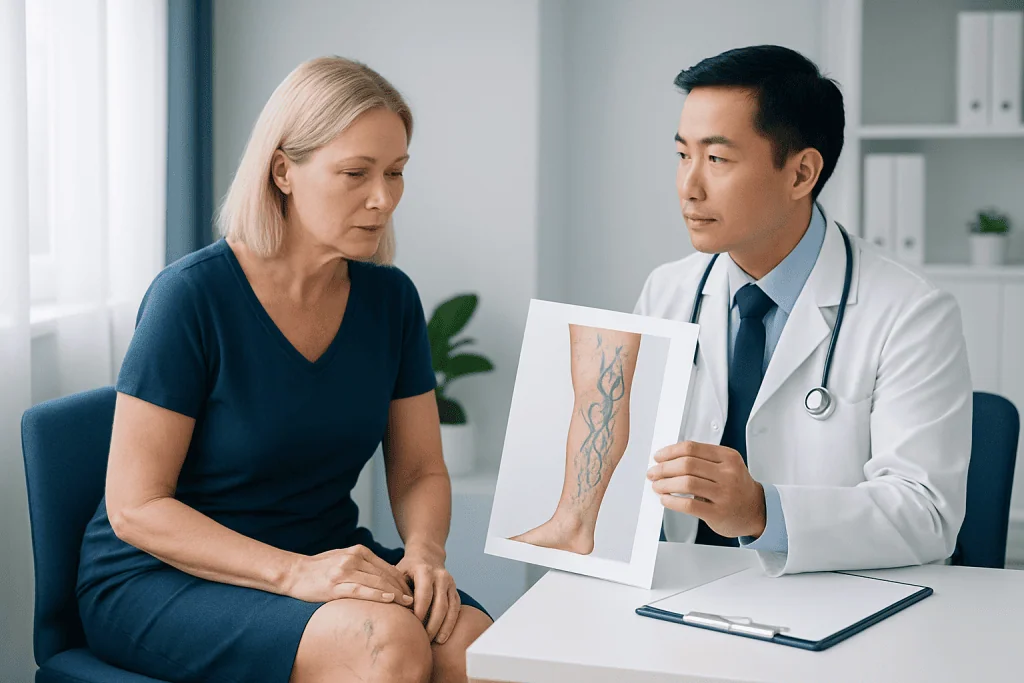
The veins in the legs work against gravity to carry blood back toward the heart. Muscle movement in the calves helps push blood upward, while tiny one-way valves keep it from flowing backward. When these valves weaken or the vein wall stretches, blood can pool. Over time, the vein enlarges and becomes varicose.
Several factors can increase the chance of developing varicose veins. A family history is important, and the condition becomes more common with age. Pregnancy can also contribute because of hormonal changes, increased blood volume, and pressure from the growing uterus. Symptoms often improve after pregnancy, but some veins may remain enlarged.
Other risk factors include prolonged standing or sitting, obesity, lack of regular exercise, and a history of leg injury or vein inflammation. Women are affected more often than men, although men can also develop significant vein disease. Understanding these factors helps guide both treatment choices and prevention strategies.
How varicose veins are diagnosed
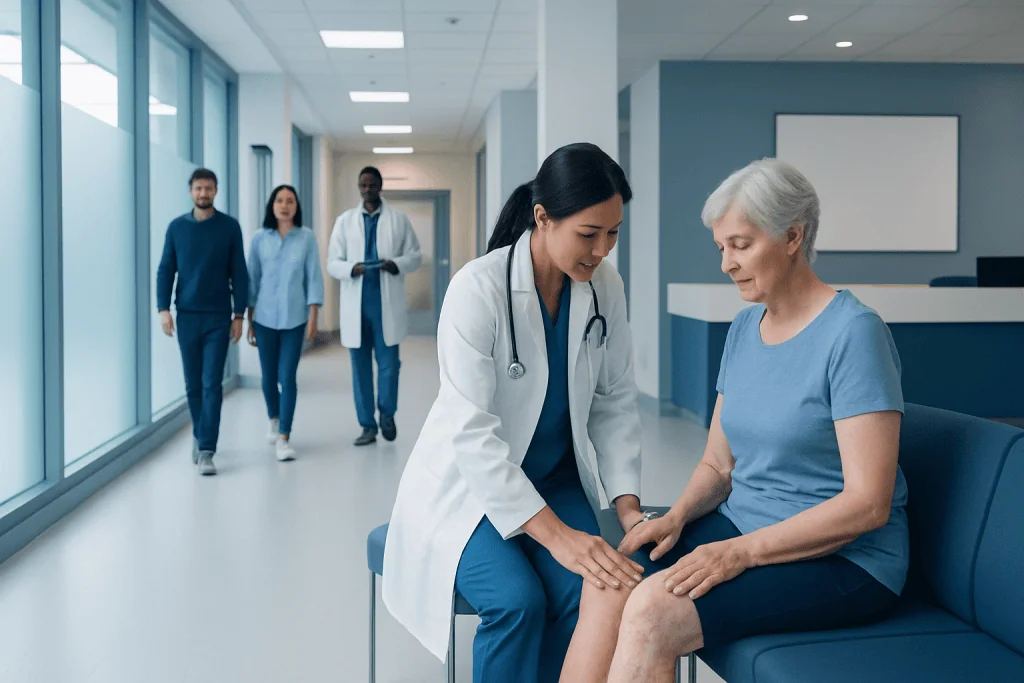
Diagnosis usually begins with a medical history and physical examination. A doctor will ask about symptoms, family history, daily activities, pregnancy history, and whether swelling or skin changes are present. The legs are examined while standing because varicose veins often appear more clearly when the veins are under pressure.
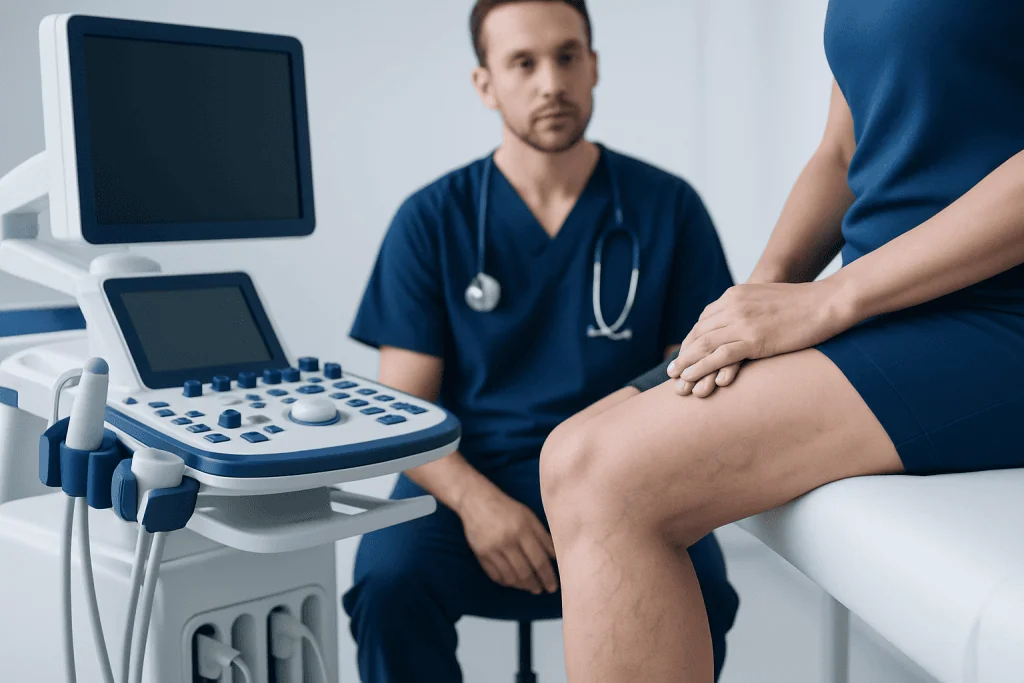
The most important test for many patients is a duplex ultrasound. This painless imaging test shows how blood flows through the veins and whether the valves are working properly. It can also help detect reflux, identify affected veins, and rule out clots or other conditions that may need different treatment.
Ultrasound findings help the care team decide whether symptoms are likely to improve with conservative treatment alone or whether a procedure may offer better relief. A clear diagnosis also helps target treatment to the specific veins causing symptoms rather than treating only what is visible on the skin.
Treatment choices for varicose veins
Treatment depends on symptoms, ultrasound findings, the size and location of the veins, skin changes, and personal preferences. Conservative treatment is often the first step for milder cases. This may include compression stockings, weight management, regular walking, leg elevation, and avoiding long periods of standing or sitting when possible. These measures do not remove the vein, but they can reduce discomfort and swelling.
When symptoms persist or the affected vein is causing significant reflux, minimally invasive treatment may be recommended. Common options include varicose veins treatment with endovenous procedures, where heat from laser or radiofrequency closes the faulty vein from the inside. Another option is sclerotherapy, in which a solution or foam is injected to seal smaller or selected larger veins.
Some people may need additional treatment for surface branches after the main faulty vein has been closed. In selected cases, tiny incisions are used to remove visible veins, or glue-based vein closure may be considered where available. Traditional surgery is now used less often than in the past but may still be appropriate for certain vein patterns.
The goal of treatment is not simply cosmetic. Effective treatment can improve symptoms, reduce swelling, support healing of skin changes, and lower the risk of ongoing vein-related complications. The best approach is usually chosen after ultrasound mapping and a discussion of benefits, limitations, and expected recovery.
Recovery after treatment and what to expect
Recovery after modern varicose vein procedures is often quicker than many people expect. Most minimally invasive treatments are performed without a hospital stay, and walking soon after the procedure is commonly encouraged. Mild bruising, tightness, tenderness, or a pulling sensation along the treated vein can occur for a short time and usually settles gradually.
Compression stockings may be recommended for a period after treatment, depending on the procedure and the doctor’s advice. Gentle walking helps circulation and may support healing, while strenuous activity, heavy lifting, very hot baths, or prolonged immobility may need to be limited for a short period. Follow-up visits, often with ultrasound, help confirm that the treated vein has closed as planned.
Many people return to office-based work and daily routines quickly, but exact timing varies with the type of procedure, the number of veins treated, and overall health. Some veins fade gradually rather than disappearing immediately, and additional sessions may occasionally be needed for the best result.
If there is increasing pain, marked swelling, fever, new shortness of breath, or sudden worsening of symptoms after treatment, prompt medical review is important. With proper aftercare and follow-up, most patients recover smoothly and can focus on long-term vein health.
How to help prevent recurrence
Even after successful treatment, new varicose veins can develop over time because the tendency toward vein weakness may remain. Preventing recurrence is not always fully possible, but healthy habits can reduce strain on the leg veins and may slow future problems.
Helpful self-care steps include:
- Walking or doing regular leg-focused exercise to activate the calf muscles
- Maintaining a healthy weight
- Elevating the legs when resting
- Changing position frequently during long periods of sitting or standing
- Avoiding very tight clothing that restricts the groin or legs
- Using compression stockings if advised by a doctor
People whose jobs require prolonged standing or sitting may benefit from short movement breaks, ankle flexing exercises, and periodic leg elevation when possible. During travel, especially on long flights or car journeys, walking breaks and calf movement can help support circulation.
Ongoing follow-up can also play a role. If symptoms return, early review may allow simpler treatment before skin changes or more troublesome vein disease develop. Near the end of the care journey, some patients choose assessment at centers such as Acibadem International, where multidisciplinary specialists in JCI-accredited hospitals diagnose and treat vein conditions for international patients.
When to see a doctor
A doctor should be consulted if varicose veins are causing pain, swelling, heaviness, itching, skin changes, or concern about worsening appearance. Medical assessment is also sensible if symptoms affect work, sleep, exercise, or quality of life. Ultrasound can clarify whether symptoms are due to surface veins alone or a deeper circulation issue.
Prompt assessment is especially important if there is sudden swelling in one leg, redness and tenderness along a vein, unexpected bleeding from a vein, a skin ulcer near the ankle, or new chest symptoms such as shortness of breath. These signs do not always mean a serious problem, but they should not be ignored.
People with recurrent varicose veins after earlier treatment may still have effective options. Review by a vascular or vein specialist can help identify whether a new refluxing vein has developed and whether further treatment, such as laser treatment, is appropriate.
Frequently asked questions
Do varicose veins go away on their own?
Varicose veins usually do not disappear completely on their own once they have formed. Symptoms may improve at times, especially with leg elevation, exercise, or compression, but the enlarged vein often remains unless it is treated.
Are varicose veins dangerous?
Varicose veins are often more uncomfortable than dangerous, but they should still be assessed if symptoms are significant. In some people, they can lead to skin changes, bleeding, vein inflammation, or ulcers, and these problems deserve medical attention.
What is the best treatment for varicose veins?
The best treatment depends on the size and location of the veins, ultrasound findings, symptoms, and personal goals. Compression stockings may help some people, while others benefit more from minimally invasive procedures such as endovenous ablation or sclerotherapy.
How long does recovery take after varicose vein treatment?
Recovery varies by procedure, but many people return to normal light activities within a short time after minimally invasive treatment. Mild bruising or tenderness can last longer, and doctors often recommend walking and temporary compression to support healing.
Can varicose veins come back after treatment?
Yes, recurrence is possible because the underlying tendency toward vein weakness can continue over time. A treated vein may stay closed, but new faulty veins can develop, which is why long-term self-care and follow-up are useful.
Do compression stockings cure varicose veins?
Compression stockings do not cure or remove varicose veins, but they can improve symptoms such as aching, swelling, and heaviness. They are often used as part of conservative care or after procedures to support recovery.
References
- National Institute for Health and Care Excellence
- Society for Vascular Surgery
- American Heart Association
- National Health Service
- European Society for Vascular Surgery
This article is for general information only and is not a substitute for professional medical advice. Please consult a qualified doctor about your individual situation.
Explore treatments in Turkey — costs, top hospitals & a free quote
JCI-accredited · board-certified surgeons · reply within 24h
Add us as a Preferred Source to see more of our trusted health content across Google Search, AI Overviews and Discover.