

Vertebral Artery Stenosis: Symptoms, Stroke Risk, and Endovascular Treatment Options

Vertebral artery stenosis reduces blood flow to the posterior part of the brain and may raise stroke risk. Symptoms can include dizziness, vertigo, double vision, unsteady walking, weakness, and brief neurologic episodes.
Key Takeaways
- Vertebral artery stenosis reduces blood flow to the posterior part of the brain and may raise stroke risk.
- Symptoms can include dizziness, vertigo, double vision, unsteady walking, weakness, and brief neurologic episodes.
- Diagnosis often involves brain and vascular imaging such as Doppler ultrasound, CT angiography, or MR angiography.
- Treatment may include risk-factor control, antiplatelet medicines, and selected endovascular procedures such as angioplasty and stenting.
- Urgent medical assessment is important for sudden neurologic symptoms, especially signs of stroke or transient ischemic attack.
Vertebral artery stenosis is a narrowing of one or both vertebral arteries, which carry blood to the back part of the brain. It may cause dizziness, visual symptoms, imbalance, or transient ischemic attacks, and in some cases it increases the risk of stroke.
Overview
Vertebral artery stenosis means narrowing of a vertebral artery, one of the paired blood vessels that run through the neck and help supply the brainstem, cerebellum, and the back parts of the brain. These areas are responsible for balance, coordination, vision, and many automatic body functions. When the artery becomes narrowed, blood flow may be reduced, especially during times when the brain needs more oxygen.
The most common cause is atherosclerosis, a process in which fatty deposits and inflammation build up inside the artery wall. Less commonly, narrowing may happen because of artery dissection, external compression, congenital vessel differences, or inflammatory vessel disease. Some people have no symptoms at all, while others develop symptoms related to reduced blood flow in the posterior circulation.
Vertebral artery stenosis matters because it can contribute to transient ischemic attack, sometimes called a mini-stroke, or to a stroke affecting the back part of the brain. Not every narrowing causes serious problems, and treatment depends on the location, severity, symptoms, and overall vascular risk. A careful evaluation helps determine whether monitoring, medication, or a procedure is the most appropriate next step.
Symptoms
Symptoms of vertebral artery stenosis often relate to reduced blood flow to the posterior circulation. They may come on suddenly, last briefly, or persist, depending on the cause and how much blood flow is affected. In some people, symptoms are triggered by changes in posture, physical exertion, or a sudden drop in blood pressure, but many episodes happen without a clear trigger.
Common symptoms can include dizziness, vertigo, unsteadiness, poor coordination, blurred or double vision, nausea, slurred speech, or a feeling of weakness. Some people notice numbness on one side of the body, sudden falls, or trouble swallowing. Because these symptoms can overlap with inner ear disorders, migraine, or other neurologic conditions, they should be assessed in their full clinical context.
Warning signs of a transient ischemic attack or stroke need urgent attention. These include sudden difficulty speaking, new facial drooping, arm or leg weakness, sudden loss of balance, or abrupt vision loss. Even if symptoms resolve within minutes, they may signal a temporary interruption of blood flow and should never be ignored.
- Dizziness or spinning sensation
- Double vision or blurred vision
- Unsteady walking or loss of coordination
- Weakness, numbness, or slurred speech
- Sudden severe neurologic symptoms that may suggest stroke
Causes and Risk Factors

Atherosclerosis is the leading cause of vertebral artery stenosis, especially in older adults and people with vascular risk factors. Over time, cholesterol-rich plaque can narrow the artery and make blood flow less reliable. In some cases, plaque can also promote clot formation or release small particles that travel to the brain.
Several factors increase the chance of developing this narrowing. These include high blood pressure, high cholesterol, diabetes, smoking, obesity, reduced physical activity, and advancing age. A personal history of coronary artery disease, peripheral artery disease, or previous stroke also raises the likelihood that a person may have disease in the vertebral arteries.
Other causes are less common but still important. A vertebral artery dissection is a tear in the artery wall that may happen spontaneously or after neck trauma. Rarely, inflammatory disorders, radiation-related vessel injury, or structural compression of the artery can be involved. Doctors also consider whether symptoms are due to carotid artery disease, heart rhythm problems, or other causes of reduced blood flow rather than vertebral artery stenosis alone.
How Stroke Risk Is Assessed
The risk linked to vertebral artery stenosis is not the same for every patient. Doctors look at whether the narrowing is causing symptoms, how severe it is, and whether there is evidence of poor blood flow or previous ischemic injury on brain imaging. Symptomatic stenosis generally deserves closer attention than narrowing found incidentally during testing for another reason.
Risk is also influenced by where the narrowing is located. Some stenoses affect the extracranial part of the artery in the neck, while others involve the intracranial segment closer to the brain. The exact anatomy, whether one or both vertebral arteries are involved, and how well other arteries can compensate all matter when estimating stroke risk.
Evaluation often includes looking for prior transient ischemic attack, posterior circulation stroke, or recurrent symptoms despite treatment. The goal is to identify who may do well with medical management alone and who may benefit from more advanced options such as interventional neuroradiology procedures. This decision is individualized and usually made by a multidisciplinary team.
Diagnosis
Diagnosis begins with a medical history and neurologic examination. The doctor asks about the timing of symptoms, vascular risk factors, previous stroke or heart disease, and possible neck trauma. Because dizziness and imbalance can have many causes, the history often helps guide whether vascular testing is needed.
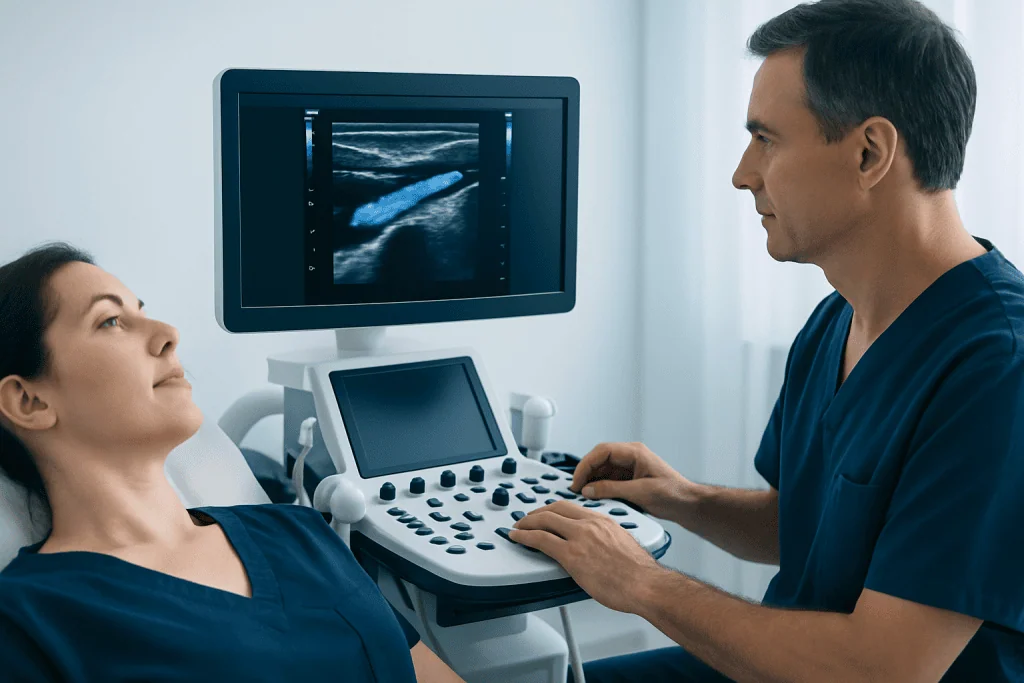
Imaging is central to confirming vertebral artery stenosis. Noninvasive tests may include Doppler ultrasound, CT angiography, or MR angiography to show the artery and estimate the degree of narrowing. Brain MRI may also be recommended to look for small strokes in the posterior circulation or other explanations for symptoms.
In selected cases, catheter angiography is used when more detailed information is needed or when a procedure is being considered. This test provides a precise view of the blood vessels and may be performed as part of planning for angiography-guided treatment. Doctors also evaluate blood pressure, cholesterol, blood sugar, heart rhythm, and other factors that influence overall stroke risk.
Treatment Options
Treatment depends on whether the stenosis is symptomatic, how severe it is, and the patient’s overall health. Many people are treated first with medical therapy focused on reducing stroke risk. This usually includes antiplatelet medication, cholesterol-lowering therapy, blood pressure control, diabetes management, smoking cessation, and lifestyle measures. The exact treatment plan should be prescribed by the treating physician.
When symptoms recur despite appropriate medical therapy, or when the anatomy suggests a high-risk narrowing, an endovascular approach may be considered. These minimally invasive procedures are performed through blood vessels using imaging guidance. Options may include balloon angioplasty to widen the artery and, in selected cases, stent placement to help keep it open. The decision requires weighing potential benefits against procedural risks such as vessel injury, embolization, or restenosis.
Some patients need evaluation for related cerebrovascular conditions that may affect management, including carotid artery disease. In appropriate centers, stenting of certain vertebral artery lesions can be part of a broader stroke-prevention strategy. Acibadem International’s multidisciplinary specialists and JCI-accredited hospitals also diagnose and treat vertebral artery stenosis for international patients when advanced evaluation or endovascular care is needed.
Prevention and Self-Care
Prevention focuses on protecting blood vessel health and reducing the chance of stroke. Stopping smoking is one of the most important steps. Controlling blood pressure, cholesterol, and diabetes can slow atherosclerosis and lower the risk of future vascular events. Regular follow-up helps doctors adjust treatment as needed.
Healthy daily habits also matter. A heart-healthy eating pattern, routine physical activity, maintaining a healthy weight, limiting excess alcohol, and getting adequate sleep can all support vascular health. People taking prescribed antiplatelet or cholesterol-lowering medicines should use them consistently unless a doctor advises otherwise.
Self-care also means recognizing warning signs. New neurologic symptoms should never be dismissed as simple fatigue or an inner ear issue without assessment. Anyone with known vertebral artery stenosis should understand the symptoms that need urgent medical attention and keep follow-up appointments for monitoring and imaging when recommended.
When to See a Doctor
A doctor should evaluate ongoing dizziness, repeated episodes of vertigo, unexplained imbalance, double vision, or short-lived neurologic symptoms, especially in people with vascular risk factors. These symptoms do not always mean vertebral artery stenosis, but they deserve medical assessment to rule out circulation problems affecting the brain.
Emergency care is needed for possible stroke symptoms. Sudden weakness, numbness, facial drooping, trouble speaking, severe loss of balance, sudden vision changes, or difficulty swallowing can signal an urgent problem with blood flow to the brain. Immediate treatment can be critical.
People who have already been diagnosed with vertebral artery stenosis should seek prompt review if symptoms become more frequent, more severe, or begin occurring despite treatment. Follow-up with a neurologist, stroke specialist, or endovascular team can help determine whether the current plan remains appropriate or whether additional testing or intervention is needed.
Frequently asked questions
Is vertebral artery stenosis always dangerous?
Not always. Some people have mild or incidental narrowing that does not cause symptoms or major blood flow problems. The level of concern depends on whether symptoms are present, how severe the narrowing is, and the person’s overall stroke risk.
Can vertebral artery stenosis cause dizziness alone?
It can cause dizziness or vertigo, but dizziness by itself has many possible causes. Inner ear conditions, migraine, medication effects, and blood pressure changes are also common explanations. Because vascular dizziness can overlap with other problems, proper medical assessment is important.
What is the connection between vertebral artery stenosis and stroke?
The vertebral arteries help supply the brainstem and cerebellum, so narrowing can reduce blood flow or contribute to clot-related blockage. This may lead to a transient ischemic attack or a posterior circulation stroke. Stroke risk is generally higher when the stenosis is symptomatic.
How is vertebral artery stenosis diagnosed?
Doctors usually start with a clinical evaluation and then use imaging tests to look at the arteries and brain. Common tests include Doppler ultrasound, CT angiography, MR angiography, and sometimes catheter angiography. Brain MRI may also help identify prior or recent ischemic injury.
When is endovascular treatment considered?
Endovascular treatment is usually considered when symptoms continue despite appropriate medical therapy or when a specific narrowing appears high risk based on anatomy and clinical findings. It may involve angioplasty, stenting, or both. The decision is individualized and made after careful review of benefits and risks.
Can lifestyle changes really help?
Yes. Lifestyle changes are an important part of treatment and prevention because they address the underlying vascular risk factors that often cause the narrowing. Stopping smoking, controlling blood pressure, improving cholesterol, staying active, and managing diabetes can lower the chance of future stroke and other cardiovascular events.
References
- American Heart Association
- American Stroke Association
- National Institute of Neurological Disorders and Stroke
- Society of NeuroInterventional Surgery
- European Stroke Organisation
This article is for general information only and is not a substitute for professional medical advice. Please consult a qualified doctor about your individual situation.
Explore treatments in Turkey — costs, top hospitals & a free quote
JCI-accredited · board-certified surgeons · reply within 24h
Add us as a Preferred Source to see more of our trusted health content across Google Search, AI Overviews and Discover.
Check your numbers in seconds
BMI, calories, due date, blood pressure and 30+ more clinical calculators — free, instant, doctor-reviewed ranges.

More from the Health Library



Related Specialists

Assoc. Prof. Dr. Ahmet Ifran
Hematology
Prof. Dr. Lütfi Telci
Anesthesiology
Prof. Dr. Ayşe Korkmaz Toygar
Neonatal Intensive Care Unit
Prof. Dr. Yasemin Şenyürek
General Surgery