Vertigo: Common Causes, Warning Signs, and When to Worry

Vertigo is a specific type of dizziness that causes a spinning or motion sensation. Most cases come from inner ear balance disorders such as BPPV, vestibular neuritis, or Ménière’s disease.
Key Takeaways
- Vertigo is a specific type of dizziness that causes a spinning or motion sensation.
- Most cases come from inner ear balance disorders such as BPPV, vestibular neuritis, or Ménière’s disease.
- Sudden vertigo with weakness, trouble speaking, severe headache, or double vision needs urgent medical evaluation.
- Doctors diagnose vertigo by combining symptom history, examination, and sometimes hearing or imaging tests.
- Treatment depends on the cause and may include repositioning maneuvers, medicines, vestibular rehabilitation, or treatment of the underlying condition.
Vertigo is not a disease itself but a symptom that creates the false feeling that a person or the surroundings are spinning, tilting, or moving. It is often linked to inner ear problems, but sometimes it can signal a neurological condition that needs prompt medical attention.
What vertigo is and why it happens
Vertigo is the sensation that the body or the environment is moving when no actual movement is happening. Many people describe it as spinning, swaying, tilting, or being pulled to one side. Although people often use the word dizziness broadly, vertigo has a more specific meaning: it usually points to a problem in the body’s balance system.
Balance depends on several systems working together. The inner ears detect head movement and position, the eyes provide visual orientation, and the brain integrates these signals with information from muscles and joints. When these signals do not match properly, the brain may interpret that mismatch as motion, leading to vertigo.
In many cases, vertigo comes from the inner ear and is temporary and treatable. In fewer cases, it begins in the brain or nervous system and may need urgent assessment. This is why the pattern of symptoms matters as much as the symptom itself.
How vertigo feels: common symptoms and related signs
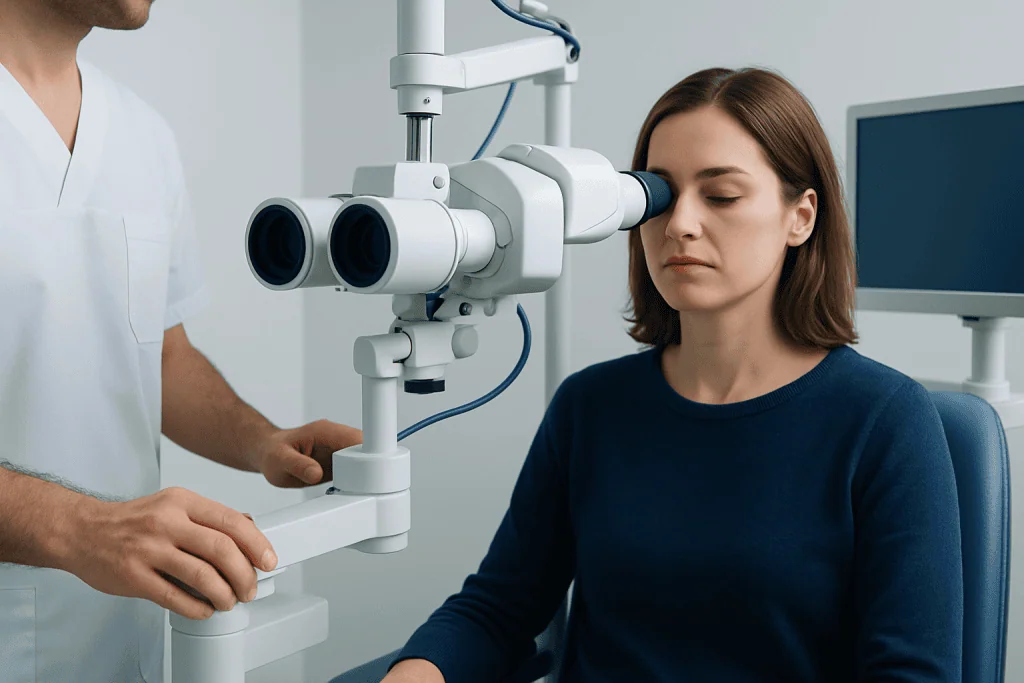
People with vertigo often say the room is spinning, especially when they turn in bed, bend over, stand up, or move their head quickly. Episodes may last seconds, minutes, hours, or longer depending on the cause. Some people feel steady between episodes, while others notice persistent imbalance or motion sensitivity.
Vertigo can happen on its own, but it often comes with other symptoms. These associated signs help doctors narrow down the cause:
- Nausea or vomiting
- Unsteadiness or difficulty walking
- Nystagmus, which is an involuntary eye movement
- Hearing loss, ear fullness, or ringing in the ear
- Sensitivity to motion or head position changes
- Headache, especially in people with migraine
Not all dizziness is vertigo. Lightheadedness, faintness, blurred vision from low blood pressure, medication side effects, dehydration, anxiety, or low blood sugar can also make a person feel unwell. A careful description of the sensation, timing, and triggers is one of the most useful parts of diagnosis.
Common causes of vertigo

The most common cause of vertigo is benign paroxysmal positional vertigo, often called BPPV. In BPPV, tiny calcium crystals in the inner ear move into the wrong place and trigger brief spinning sensations when the head changes position. It can feel alarming, but it is a mechanical problem of the inner ear and is often treated successfully with repositioning maneuvers rather than medication.
Another common cause is vestibular neuritis, an inflammation that affects the balance nerve, usually after a viral illness. It often causes sudden, intense vertigo that can last for days and may be accompanied by nausea and imbalance. Labyrinthitis is similar but also affects hearing, so vertigo occurs together with hearing loss.
Ménière’s disease can also cause recurrent vertigo attacks, usually with fluctuating hearing loss, ringing in one ear, or a feeling of fullness in the ear. Some people experience vestibular migraine in which episodes of vertigo occur with migraine features such as headache, light sensitivity, sound sensitivity, or visual aura. Less commonly, vertigo may relate to stroke, multiple sclerosis, head injury, or other neurological disorders.
Age can increase the likelihood of vertigo because inner ear function, vision, and sensation from the feet and joints may all change over time. Certain medicines, prolonged bed rest, ear surgery, infections, and previous episodes of inner ear disease can also play a role.
Warning signs that need prompt medical care
Most vertigo is not dangerous, but some symptoms suggest a more serious cause and should not be ignored. Sudden vertigo can occasionally be a sign of a problem affecting the brain, particularly when it appears together with other neurological symptoms.
A person should seek urgent medical care if vertigo occurs with any of the following:
- Weakness, numbness, or drooping on one side of the face or body
- Difficulty speaking, understanding, or swallowing
- Double vision, sudden loss of vision, or severe trouble focusing
- A sudden severe headache unlike usual headaches
- New difficulty walking, loss of coordination, or inability to stand
- Chest pain, fainting, or a new irregular heartbeat
- Head injury followed by severe dizziness or vomiting
Medical review is also important if vertigo is new, severe, keeps returning, lasts longer than expected, causes falls, or comes with hearing loss. Persistent symptoms deserve evaluation even when they are not emergencies, because effective treatment often depends on identifying the specific cause.
How doctors diagnose vertigo
Diagnosing vertigo starts with the story of the symptom. Doctors usually ask when the spinning begins, how long each episode lasts, what triggers it, and whether there are ear symptoms, headache, recent infections, injuries, or neurological changes. The timing and trigger pattern often provide major clues. For example, brief episodes brought on by turning in bed suggest BPPV, while prolonged vertigo after a viral illness may point to vestibular neuritis.
The physical examination may include checking eye movements, hearing, coordination, balance, walking, and a focused neurological exam. For positional vertigo, the clinician may perform bedside positional tests to see whether certain head movements trigger vertigo and characteristic eye movements. These tests can help distinguish inner ear vertigo from central nervous system causes.
Additional tests are sometimes needed. Hearing tests may be useful if tinnitus or hearing loss is present. Brain imaging such as MRI may be considered when symptoms suggest a neurological cause or do not fit a typical inner ear pattern. Depending on the overall picture, some patients may also be referred for neurology evaluation or an ear, nose, and throat assessment.
Treatment options for vertigo
Vertigo treatment depends on the cause, not just the symptom. For BPPV, doctors often use specific head and body movements called canalith repositioning maneuvers to guide displaced inner ear crystals back into place. These maneuvers can relieve symptoms quickly in many people, though the condition can recur.
If vertigo is related to vestibular neuritis or labyrinthitis, early treatment may include short-term symptom-relieving medicines for nausea or motion sensitivity, along with hydration and rest. Because prolonged use of vestibular-suppressing medicines can slow recovery in some cases, they are generally used carefully and for limited periods when appropriate. When symptoms persist, vestibular rehabilitation may help the brain adapt and improve balance.
Treatment for Ménière’s disease or vestibular migraine focuses on the underlying disorder. This may include lifestyle measures, trigger management, and individualized medication plans. If a central neurological cause such as stroke is suspected, urgent treatment is essential and depends on the exact diagnosis.
For people whose vertigo is recurrent, disabling, or hard to classify, a multidisciplinary approach can be useful. Near the end of the care pathway, patients may benefit from coordinated input from ENT, neurology, audiology, and rehabilitation specialists. Acibadem International’s multidisciplinary specialists and JCI-accredited hospitals diagnose and treat balance disorders for international patients when advanced evaluation is needed.
Self-care, prevention, and living with vertigo
Self-care cannot treat every cause of vertigo, but it can make symptoms safer and easier to manage. During an episode, many people feel better by sitting or lying still, avoiding sudden head movements, and focusing on a fixed point. Good hydration, regular meals, enough sleep, and limiting alcohol may also help reduce symptom intensity in some people.
Fall prevention is especially important. A person with vertigo should move carefully, use handrails on stairs, keep walkways clear, and avoid driving or operating machinery until symptoms are under control. Older adults may benefit from supportive footwear, good lighting at home, and a medication review if sedating medicines or blood pressure medicines may be contributing to dizziness.
Prevention depends on the cause. People with migraine-related vertigo may do better when they identify and avoid personal triggers such as sleep disruption or certain foods. Those with Ménière’s disease may be advised to monitor salt intake and follow a personalized management plan. Even when vertigo returns, recurrence does not always mean something dangerous, but repeated episodes should still be discussed with a qualified doctor.
Frequently asked questions
Is vertigo the same as dizziness?
Not exactly. Dizziness is a broad term that can include lightheadedness, imbalance, faintness, or a floating feeling, while vertigo specifically means a false sense of spinning or motion. This distinction helps doctors identify whether the inner ear or nervous system may be involved.
What is the most common cause of vertigo?
A very common cause is benign paroxysmal positional vertigo, or BPPV. It happens when small crystals in the inner ear shift into the wrong place and trigger brief spinning sensations with head movement. Although uncomfortable, it is often treatable with simple repositioning maneuvers.
Can stress or anxiety cause vertigo?
Stress and anxiety do not usually cause true vertigo on their own, but they can worsen dizziness, motion sensitivity, and the distress caused by balance symptoms. Anxiety may also occur after repeated vertigo episodes, especially if a person fears another attack. A medical assessment is still important to look for the underlying cause.
How long does vertigo usually last?
The duration depends on the cause. BPPV often causes episodes lasting seconds to less than a minute, while vestibular neuritis can cause severe symptoms for days followed by gradual improvement over weeks. Recurrent conditions such as Ménière’s disease or vestibular migraine may cause episodes that come and go.
When should someone worry about vertigo?
Vertigo needs urgent attention if it starts suddenly and comes with weakness, numbness, trouble speaking, double vision, a severe headache, fainting, or new difficulty walking. These features can suggest a neurological or cardiovascular emergency. Even without red flags, new or persistent vertigo should be evaluated by a doctor.
Can vertigo go away without treatment?
Yes, some episodes improve on their own, especially when the cause is temporary. However, treatment can shorten symptoms, reduce falls, and address the underlying problem more effectively. Because different causes need different care, it is safest not to self-diagnose recurrent or severe vertigo.
References
- National Institute on Deafness and Other Communication Disorders
- National Institute of Neurological Disorders and Stroke
- American Academy of Otolaryngology–Head and Neck Surgery
- Centers for Disease Control and Prevention
- Merck Manual Consumer Version
This article is for general information only and is not a substitute for professional medical advice. Please consult a qualified doctor about your individual situation.
Vertigo in Turkey — costs, top hospitals & a free quote
JCI-accredited · board-certified surgeons · reply within 24h
Add us as a Preferred Source to see more of our trusted health content across Google Search, AI Overviews and Discover.
Check your numbers in seconds
BMI, calories, due date, blood pressure and 30+ more clinical calculators — free, instant, doctor-reviewed ranges.

More from the Health Library



Related Specialists

Dt. Memduha Merve Kinay
Oral & Dental Health
Fzt. Mehmet Yakupçebioğlu
Physical Medicine & Rehabilitation
Dr. Göksel Seçkin
General Surgery
Fzt. Perihan Yıldız
Physical Medicine & Rehabilitation