Vigina Itching While Pregnant: A Complete Clinical Guide for Patients

Mild vaginal itching can happen in pregnancy because hormones change vaginal discharge and skin sensitivity. Common causes include yeast infection, contact irritation, bacterial vaginosis, and less often sexually transmitted infections or skin conditions.
Key Takeaways
- Mild vaginal itching can happen in pregnancy because hormones change vaginal discharge and skin sensitivity.
- Common causes include yeast infection, contact irritation, bacterial vaginosis, and less often sexually transmitted infections or skin conditions.
- Pregnant patients should avoid self-treating with new products or medications without medical advice.
- Medical review is important if itching is severe, lasts more than a few days, or comes with burning, odor, bleeding, rash, or pelvic pain.
- Good hygiene, breathable clothing, and avoiding scented products can help reduce irritation.
Vigina itching while pregnant is common and is often linked to normal hormonal changes, irritation, or treatable infections such as yeast infections. While many causes are not serious, persistent itching, unusual discharge, pain, or a strong odor should be assessed by a qualified doctor to protect maternal comfort and pregnancy health.
Overview: what vaginal itching in pregnancy usually means
Vigina itching while pregnant is usually caused by a change in the vaginal environment rather than a dangerous problem. Pregnancy hormones increase blood flow, change vaginal secretions, and can make the skin of the vulva and vagina more sensitive. As a result, some patients notice itching, mild irritation, or a feeling of dampness even when there is no infection.
At the same time, pregnancy can make certain infections more likely, especially yeast infections. The body’s changing hormone levels and differences in vaginal pH can allow yeast or bacteria to grow more easily. This means itching should not be ignored if it is strong, persistent, or associated with other symptoms such as unusual discharge, odor, burning during urination, or discomfort during sex.
It is also important to separate vaginal itching from itching on the outer genital skin. Some patients are actually feeling irritation on the vulva, which may be related to soap, laundry detergent, sanitary products, sweat, or friction from clothing. A clear diagnosis matters because treatment is different for infection, skin irritation, and other conditions.
How pregnancy changes can trigger itching
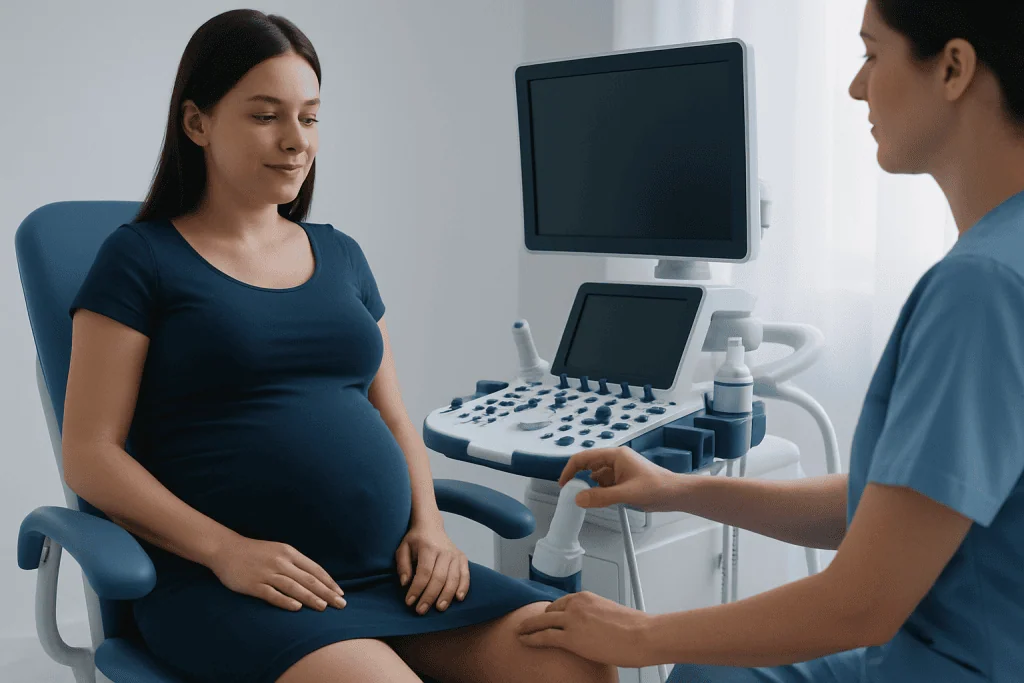
During pregnancy, estrogen levels rise and often increase normal vaginal discharge. This discharge, called leukorrhea, is usually thin or milky and mild-smelling. Although it is normal, frequent moisture can irritate delicate tissue and lead to itching or a raw feeling, especially if tight clothing traps heat and dampness.
The skin may also become more reactive during pregnancy. Products that were tolerated before, such as scented soap, bubble bath, wipes, pads, panty liners, or fabric softeners, may suddenly cause burning or itching. Repeated washing can worsen this by drying the skin and weakening its protective barrier.
Pregnancy does not automatically mean that itching is normal, however. If itching comes with thick white discharge, a fishy odor, yellow or green discharge, sores, swelling, or pain, another cause is more likely. A doctor can help distinguish expected pregnancy-related irritation from problems that need treatment.
Common causes of vigina itching while pregnant

The most common medical cause is a yeast infection. This often causes intense itching, redness, swelling, and a thick white discharge that may look like cottage cheese. Yeast infections are common in pregnancy and are usually treatable after proper assessment. Related information may be helpful in vaginal yeast infection.
Another frequent cause is contact irritation or allergic reaction. Scented cleansers, pads, intimate sprays, douches, lubricants, condoms, detergents, and even some toilet paper can irritate the vulva. In these cases, discharge may be normal, but the skin can feel itchy, dry, or sore.
Bacterial vaginosis may also cause irritation, although odor and discharge change are often more noticeable than itching. Some sexually transmitted infections can also lead to itching, discharge, or pain, sometimes with very mild symptoms. Skin disorders such as eczema, psoriasis, or lichen sclerosus are less common but can affect the genital area and need specific evaluation.
- Yeast infection
- Contact dermatitis or irritation from products
- Bacterial vaginosis
- Sexually transmitted infections
- Normal pregnancy discharge causing moisture-related irritation
- Dermatologic conditions affecting the vulva
Symptoms that can help identify the cause
Symptoms often give useful clues, but they cannot confirm the diagnosis on their own. Itching with thick white discharge, redness, and swelling suggests yeast infection. A strong fishy odor with thin gray or off-white discharge may point more toward bacterial vaginosis. Burning with urination can happen with irritation, vaginal infection, or a urinary problem, so the full picture matters.
If the itching is mainly outside the vagina, especially after using a new product, contact irritation is more likely. The skin may appear red, flaky, or tender. If there are blisters, sores, warts, or significant pain, prompt medical review is important because these findings are less likely to be due to simple irritation.
Some patients also confuse vaginal itching with generalized body itching in pregnancy. Widespread itching, especially on the palms or soles and without a rash, can have different pregnancy-related causes and should be assessed separately. Localized genital itching is evaluated based on discharge, skin changes, symptom timing, and possible exposures.
How doctors diagnose vaginal itching in pregnancy
Diagnosis starts with a careful history. A doctor may ask when the itching started, whether there is discharge or odor, whether a new hygiene product was used, and whether there is burning, pain, rash, or urinary symptoms. Pregnancy stage and prior history of vaginal infections are also relevant.
An examination may include looking at the vulva and, when appropriate, a vaginal exam to assess discharge and tissue irritation. In many cases, the clinician may test a sample of vaginal fluid or check its pH. This helps distinguish yeast infection from bacterial vaginosis and other causes. If needed, testing for sexually transmitted infections may also be recommended.
Accurate diagnosis is especially important in pregnancy because not all over-the-counter remedies are suitable, and the wrong treatment may delay relief. In some situations, a clinician may also consider related conditions such as vaginitis if symptoms fit a broader pattern of inflammation or infection.
Treatment options and what to avoid during pregnancy
Treatment depends on the cause. If a yeast infection is confirmed or strongly suspected, a doctor may recommend pregnancy-appropriate antifungal treatment. If bacterial vaginosis or another infection is diagnosed, treatment is different and may involve prescription medication considered safe for pregnancy. Management should be guided by a qualified clinician rather than self-diagnosis alone.
If the problem is irritation, symptom relief often begins with removing the trigger. This may mean switching to unscented soap, avoiding wipes or sprays, changing laundry products, and wearing loose cotton underwear. A clinician may also suggest gentle skin care and, in some cases, a treatment for inflamed skin if a dermatologic condition is present.
Pregnant patients should avoid douching, perfumed intimate products, and using leftover medications from previous infections. These can disrupt the normal vaginal environment and may worsen symptoms. When specialized evaluation is needed, clinicians may also consider gynecology assessment or obstetrics and gynecology care to confirm the cause and choose the safest treatment plan.
Self-care steps that may safely reduce discomfort
Simple daily measures can help reduce irritation while waiting for medical advice or alongside treatment. The vulvar area should be washed gently with lukewarm water or a mild unscented cleanser if advised, then patted dry rather than rubbed. Cotton underwear and loose-fitting clothing can improve airflow and reduce moisture buildup.
It can also help to avoid panty liners unless truly needed, or to change them frequently if discharge is heavy. Wet swimsuits and sweaty exercise clothes should be changed promptly. Patients should avoid scratching as much as possible because scratching can damage the skin and make the itch worse.
Balanced general health habits may also support recovery. Adequate hydration, good diabetes control if applicable, and routine prenatal care are important because high blood sugar and other medical factors can increase the risk of infection. If symptoms keep returning, a doctor may check for underlying contributors and discuss whether another specialty review is needed, including dermatology evaluation when skin disease is suspected.
When to seek medical care
Medical care should be sought if vaginal itching is severe, lasts more than a few days, or keeps coming back. Review is also important if there is thick white discharge, a strong odor, yellow or green discharge, pain, fever, vaginal bleeding, sores, or significant swelling. These signs can suggest infection or another condition that needs treatment.
Pregnant patients should also contact a doctor if there is burning with urination, pelvic pain, pain during sex, or concern about reduced fetal wellbeing along with other symptoms. Even when the cause is minor, getting clear guidance can prevent unnecessary discomfort and inappropriate self-treatment.
Acibadem International’s multidisciplinary specialists and JCI-accredited hospitals diagnose and treat gynecologic and pregnancy-related conditions for international patients. A qualified obstetrician or gynecologist can help confirm the cause of itching and advise on safe treatment during pregnancy.
Frequently asked questions
Is vigina itching while pregnant normal?
Mild itching can happen during pregnancy because hormones change vaginal discharge and skin sensitivity. However, persistent, strong, or unusual itching should be checked to rule out infection or irritation.
Can a yeast infection harm pregnancy?
A yeast infection is usually more uncomfortable than dangerous, but it should still be diagnosed and treated appropriately during pregnancy. A doctor can recommend a pregnancy-safe treatment and make sure the symptoms are not due to another cause.
Should a pregnant patient use over-the-counter creams without seeing a doctor?
It is best not to start new vaginal treatments without medical advice during pregnancy. Symptoms from yeast, bacterial vaginosis, skin irritation, and sexually transmitted infections can overlap, so the correct diagnosis matters.
What home measures may help with vaginal itching in pregnancy?
Gentle washing, avoiding scented products, wearing loose cotton underwear, and changing out of damp clothing can help reduce irritation. These steps can improve comfort, but they do not replace medical evaluation if symptoms persist.
How can a patient tell whether itching is from normal discharge or an infection?
Normal discharge in pregnancy is usually thin or milky and mild-smelling. Thick white discharge, strong odor, burning, swelling, pain, or sores are more suggestive of infection or another medical problem.
When is vaginal itching in pregnancy urgent?
Urgent review is important if itching comes with fever, pelvic pain, bleeding, sores, severe swelling, or reduced fetal movement concerns. Prompt assessment is also appropriate when symptoms are intense or rapidly worsening.
References
- American College of Obstetricians and Gynecologists
- Centers for Disease Control and Prevention
- National Health Service
- Mayo Clinic
- World Health Organization
This article is for general information only and is not a substitute for professional medical advice. Please consult a qualified doctor about your individual situation.
Explore treatments in Turkey — costs, top hospitals & a free quote
JCI-accredited · board-certified surgeons · reply within 24h
Add us as a Preferred Source to see more of our trusted health content across Google Search, AI Overviews and Discover.