Viginal Rejuvination Surgery: Procedure, Recovery and Results

There is no single standardized operation called vaginal rejuvenation surgery. Vaginoplasty, perineoplasty, labiaplasty, and pelvic floor treatments address different concerns.
Key Takeaways
- There is no single standardized operation called vaginal rejuvenation surgery.
- Vaginoplasty, perineoplasty, labiaplasty, and pelvic floor treatments address different concerns.
- A thorough assessment helps rule out infection, pelvic organ prolapse, hormonal changes, and pelvic floor conditions before surgery is considered.
- Most people need about 1 to 2 weeks before returning to lighter routines, while internal healing commonly takes around 6 weeks or longer.
- Surgery can improve a specific anatomical concern for selected patients, but it cannot guarantee improved sexual satisfaction or treat every vaginal symptom.
Vaginal rejuvenation surgery is a nonstandard umbrella term for procedures involving the vagina, perineum, or vulva. A gynecologic evaluation can clarify the cause of symptoms, whether surgery is appropriate, and what recovery may involve.
Vaginal Rejuvenation Surgery: What It Means
Vaginal rejuvenation surgery is a nonstandard umbrella term for operations that repair or reshape vaginal, perineal, or vulvar tissue. It may help selected adults with a defined anatomical concern or symptoms, but the procedure, recovery, and likely result depend on the diagnosis and should be individualized after a gynecologic assessment.
The phrase viginal rejuvination surgery is commonly searched online, although the medically used terms are usually vaginoplasty, perineoplasty, labiaplasty, scar revision, or a specific pelvic floor repair. Vaginoplasty may involve repairing stretched vaginal support muscles and vaginal tissue, while perineoplasty focuses on the tissue at the vaginal opening and perineum. Labiaplasty changes the external labia and does not tighten the vagina.
These operations may be considered after childbirth-related changes, injury, painful scar tissue, or a structural concern that causes discomfort. A feeling of vaginal looseness alone does not necessarily indicate tissue damage, and there is a wide range of normal anatomy. In this article, vaginoplasty refers to procedures involving existing vaginal tissue; gender-affirming vaginoplasty has different goals, planning, and aftercare.
How Surgery Works and Who May Be a Candidate
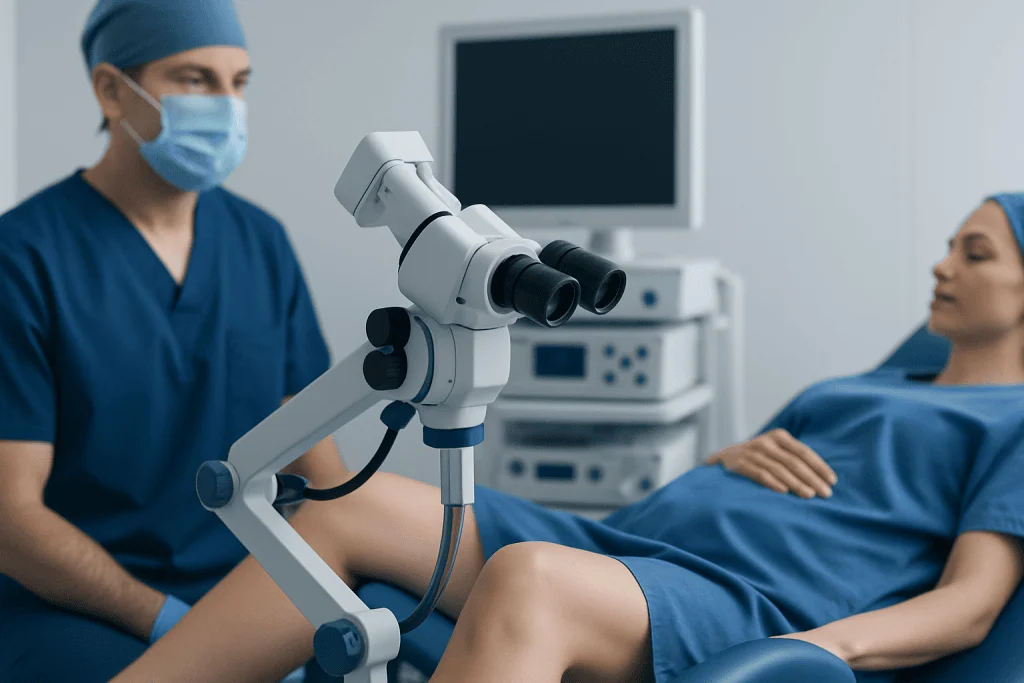
A clinician first asks about symptoms, medical history, childbirth history, sexual comfort, urinary concerns, and personal goals. An examination may help identify conditions that can cause similar symptoms, including pelvic organ prolapse, vaginal infection, skin conditions, menopausal tissue changes, pelvic floor muscle problems, or a painful scar after childbirth. Addressing the underlying cause is more important than choosing a procedure based on a general term.
Potential candidates are adults who are in good general health, have realistic expectations, and have a specific concern that has not improved with appropriate conservative care. Surgery may be considered when a vaginal opening, perineal scar, or tissue change causes ongoing discomfort, functional difficulty, or distress. The decision should be voluntary and based on the person’s own goals, rather than pressure from a partner or social expectations.
People may need to postpone surgery if they are pregnant, have an active genital or urinary infection, unexplained vaginal bleeding, poorly controlled long-term health conditions, or are not ready to stop smoking if advised. Future vaginal childbirth can alter surgical results, so those planning another pregnancy may prefer to wait. Pelvic floor physiotherapy, lubricants or moisturizers, treatment for menopausal symptoms where appropriate, and counseling can be useful alternatives or additions to surgery.
Evaluation and Steps of the Procedure

Before an operation, the surgeon discusses the symptoms being treated, the planned technique, expected changes, possible scarring, anesthesia options, and recovery restrictions. The assessment may include a pelvic examination and, when indicated, tests for infection or an evaluation by a urogynecology or pelvic floor specialist. A person should feel comfortable asking what the procedure can and cannot reasonably achieve.
During a vaginoplasty, the surgeon may repair stretched or separated support muscles, adjust a limited amount of vaginal tissue, and close the layers with absorbable sutures. Perineoplasty may repair scarred, separated, or weakened tissue at the vaginal entrance. Labiaplasty is performed on the labia, rather than within the vagina, and pelvic organ prolapse repair is a separate procedure designed to support organs that have shifted from their usual position.
Depending on the operation and the person’s health, surgery may be performed as a day procedure or may require a short hospital stay. General anesthesia, regional anesthesia, or sedation may be used according to the surgical plan. After a period of observation, the care team gives individualized instructions about pain relief, wound care, activity, bathing, bowel habits, and follow-up appointments.
Benefits, Results, and Possible Risks
For appropriately selected patients, surgery may improve a specific physical issue, such as discomfort from a scar, a widened vaginal entrance after childbirth, or irritation caused by enlarged labial tissue. Some people report improved comfort during everyday activities or intercourse once healing is complete. Results are personal and depend on the original concern, the technique used, healing, and whether other factors such as pelvic floor tension, vaginal dryness, or relationship concerns are also present.
Sexual response is influenced by physical health, hormones, emotional wellbeing, communication, arousal, and pelvic floor function. Surgery cannot guarantee increased sensation, orgasm, confidence, or sexual satisfaction. Evidence on elective cosmetic genital procedures is still limited, particularly regarding long-term sexual outcomes, so a careful conversation about benefits and limitations is important.
Possible risks include bleeding, infection, bruising or a collection of blood under the skin, delayed wound healing, visible scarring, altered sensation, pain during intercourse, narrowing of the vaginal opening, urinary symptoms, anesthesia-related complications, and dissatisfaction with the result. Some people may need further treatment or revision surgery. Laser and radiofrequency treatments are not surgical alternatives with equivalent evidence; the U.S. Food and Drug Administration has cautioned against unsupported marketing of energy-based devices for vaginal rejuvenation or for treating menopausal, urinary, or sexual symptoms.
How many days for recovery from vsginal surgery?
For vaginal surgery, the most uncomfortable period often lasts about 7 to 14 days. Many people can return to desk-based work and gentle daily routines within 1 to 2 weeks if they feel well, but recovery varies according to the exact operation, the extent of repair, general health, and the physical demands of work.
Light swelling, bruising, soreness, and small amounts of spotting can occur early in recovery. Swelling commonly improves over several weeks, while scar tissue and deeper tissues continue to settle. Internal healing and clearance for vaginal penetration commonly take about 6 weeks, and some procedures or individual healing patterns may require a longer restriction period.
Surgeons commonly advise avoiding vaginal intercourse, tampons, douching, strenuous exercise, cycling, swimming, and heavy lifting until they confirm that healing is sufficient. The surgeon’s instructions take priority over general timelines. Attending follow-up appointments is important because they allow the care team to check wound healing and advise when normal activities can safely resume.
Aftercare, Sexual Activity, and Follow-up
Aftercare typically focuses on keeping the area clean and dry as instructed, taking prescribed medicines correctly, resting without remaining completely inactive, and avoiding constipation or straining. Drinking enough fluids, eating fiber-containing foods, and discussing safe bowel support with the clinical team can reduce pressure on the healing area. Smoking and nicotine products can delay wound healing and are best avoided before and after surgery when possible.
It is normal to have questions about appearance during early recovery because swelling can temporarily change the area. It is best to wait until the surgeon confirms that tissues have healed before judging the final result. Sexual activity should restart only when medically cleared and when the person feels physically and emotionally ready; discomfort should not be pushed through.
Follow-up care also provides an opportunity to discuss persistent dryness, pain, urinary symptoms, pelvic pressure, or concerns about sexual comfort. These symptoms may have treatable causes that are not corrected by surgery alone. Pelvic floor physiotherapy or other gynecologic care may support recovery for some individuals.
When to Seek Medical Care
Medical assessment is appropriate for new or persistent vaginal pain, a feeling of bulging or pressure, pain during sex, urinary leakage, recurrent irritation, changes after childbirth, or concerns about scar tissue. These symptoms are common and can arise from several treatable conditions, many of which do not require surgery. A gynecologist can help explain the available options and support an informed decision.
After surgery, the person should contact the surgical team promptly for increasing pain, heavy or increasing bleeding, fever, foul-smelling discharge, significant redness or swelling, wound separation, or trouble passing urine. Chest pain, shortness of breath, fainting, or new leg swelling require urgent medical attention. Acibadem International’s multidisciplinary specialists and JCI-accredited hospitals diagnose and treat vaginal and vulvar health concerns for international patients.
Frequently asked questions
What does viginal rejuvination surgery mean?
Viginal rejuvination surgery is a commonly misspelled search term for vaginal rejuvenation surgery. It does not name one specific procedure and may refer to vaginoplasty, perineoplasty, labiaplasty, scar repair, or other genital and pelvic procedures.
Is vaginoplasty the same as labiaplasty?
No. Vaginoplasty involves the vagina and its supporting tissues, while labiaplasty reshapes the external labia. A consultation can establish which area is causing symptoms and whether either procedure is medically appropriate.
Can vaginal rejuvenation surgery treat urinary leakage or prolapse?
Some urinary or prolapse symptoms may require specific pelvic floor or urogynecologic treatment, which is different from cosmetic vaginal surgery. An examination is important because surgery intended to change appearance or vaginal width is not a standard treatment for all leakage or prolapse symptoms.
Will vaginal rejuvenation surgery improve sexual satisfaction?
It may improve physical comfort for some people when surgery corrects a defined concern such as painful scar tissue or a structural change. However, sexual satisfaction has many physical and emotional influences, and no operation can guarantee a particular sexual outcome.
Can someone have vaginal surgery after childbirth?
Surgery may be considered after the body has recovered from childbirth and when symptoms remain bothersome despite appropriate non-surgical care. People considering future pregnancy should discuss timing carefully, since another vaginal delivery may affect the repaired tissues and result.
Are laser or radiofrequency treatments the same as vaginal surgery?
No. Laser and radiofrequency treatments use energy-based devices, while vaginoplasty and perineoplasty are operations that repair or reshape tissue. They have different risks, indications, and levels of evidence, so it is important to discuss each option with a qualified clinician.
This article is for general information only and is not a substitute for professional medical advice. Please consult a qualified doctor about your individual situation.
Explore treatments in Turkey — costs, top hospitals & a free quote
JCI-accredited · board-certified surgeons · reply within 24h
Add us as a Preferred Source to see more of our trusted health content across Google Search, AI Overviews and Discover.

More from the Health Library

Hair after Brain Surgery: Procedure, Recovery and Results

Tummytuck: Procedure, Recovery and Results

Hipec Cancer Therapy: How It Works, Results and What to Expect

Immunotherapy in Maryland: How It Works, Results and What to Expect

Adenopathy Lymphadenopathy: Symptoms, Causes, and Treatment Options