Tummytuck: Procedure, Recovery and Results

A tummytuck addresses loose abdominal skin, stubborn lower-belly fullness and, when needed, separation of the abdominal muscles. It is not a substitute for weight-loss treatment or a method for preventing future weight gain.
Key Takeaways
- A tummytuck addresses loose abdominal skin, stubborn lower-belly fullness and, when needed, separation of the abdominal muscles.
- It is not a substitute for weight-loss treatment or a method for preventing future weight gain.
- People usually need several weeks for initial healing, while swelling and scar maturation continue for months.
- Risks include bleeding, infection, fluid collection, wound-healing problems, changes in sensation and blood clots.
- The safest results depend on realistic goals, stable weight, smoking avoidance and follow-up with a qualified plastic surgeon.
A tummytuck, medically called abdominoplasty, is a surgical procedure that removes excess lower abdominal skin and fat and can tighten separated abdominal muscles. It is designed to improve abdominal contour rather than produce weight loss, and recovery requires planned downtime and careful aftercare.
What Is a Tummytuck?
A tummytuck, also known as an abdominoplasty or tummy tuck, is an operation that reshapes the abdomen by removing loose skin and excess fatty tissue. During a full procedure, the surgeon may also repair a gap between the paired abdominal muscles, called diastasis recti. This can occur after pregnancy, major weight changes or other causes of stretching in the abdominal wall.
The aim is a smoother, firmer abdominal contour that is more in proportion with the person’s body. A tummytuck does not replace healthy eating, physical activity or medical weight-management care. It also cannot prevent future pregnancy, weight changes or aging from affecting the abdomen.
Several approaches are possible. A mini tummytuck usually focuses on skin below the navel and uses a shorter incision, while a full tummytuck treats a larger area and commonly repositions the navel. Some people may benefit from contouring procedures performed alongside surgery, but this should be individualized after a surgical assessment. Learn more about tummy tuck surgery.
Who May Be a Candidate?
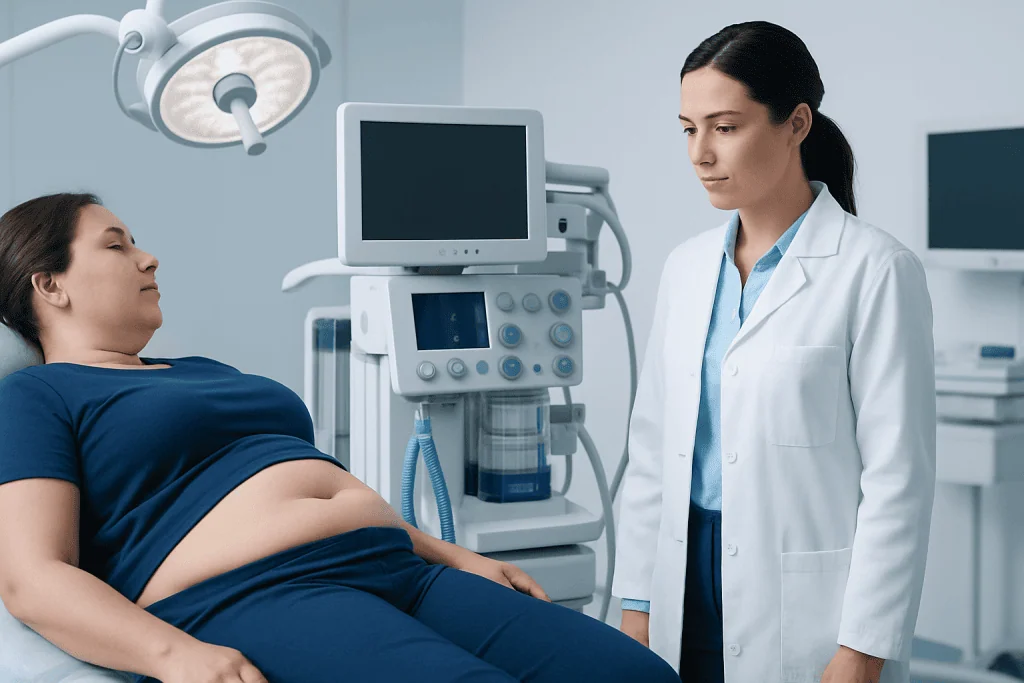
Suitable candidates are generally adults who are in good overall health, have a stable weight and are bothered by loose abdominal skin or a protruding abdominal contour that has not improved with lifestyle measures. Common reasons for considering surgery include changes after pregnancy, substantial weight loss, aging or previous abdominal stretching.
A consultation helps determine whether concerns are mainly due to skin laxity, localized fat, muscle separation, a hernia or another medical issue. Surgery may be less suitable for people planning a future pregnancy or substantial weight loss, since either may stretch the skin and muscles again and alter the result.
People should tell the surgeon about all medical conditions, prior abdominal operations, medications, supplements, allergies and nicotine use. Smoking, vaping and other nicotine products can impair blood flow and substantially increase wound-healing risks. A surgeon may recommend stopping nicotine well before and after surgery, following individualized medical guidance.
- Realistic expectations about scars, recovery and gradual results are important.
- A stable weight helps make the outcome more predictable.
- Medical conditions such as diabetes, clotting disorders or heart and lung disease may require additional evaluation.
- People who have recently given birth should discuss timing, breastfeeding and future pregnancy plans with their care team.
How the Procedure Works: Step by Step
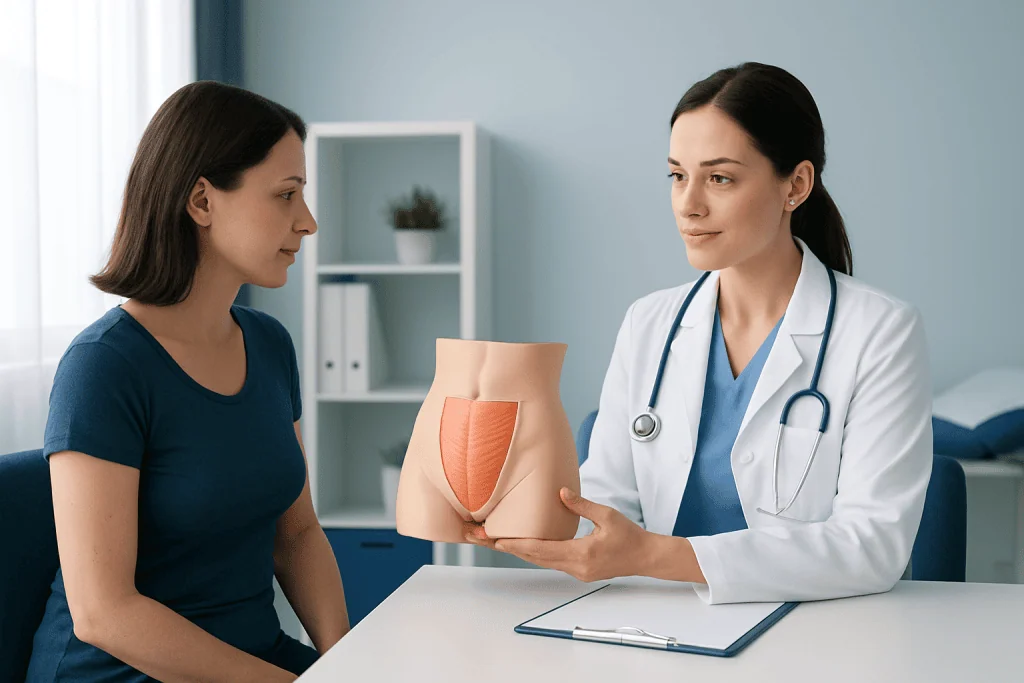
A tummytuck is usually performed in an operating room under general anesthesia. Before surgery, the surgeon marks the planned incision lines while the patient is standing. The exact technique depends on the amount and location of excess skin, the condition of the muscles and whether additional contouring is appropriate.
In a full procedure, the surgeon typically makes a low horizontal incision positioned so that it may be covered by many underwear or swimwear styles. The abdominal skin is lifted, excess tissue is removed and the underlying muscles may be brought closer together with internal stitches if they are separated. The remaining skin is then redraped, and the navel is brought through a new opening when needed.
A mini procedure involves less extensive lifting and generally does not require moving the navel. In selected cases, liposuction may be used to improve contour around the abdomen or flanks, but it does not remove loose skin or repair abdominal muscle separation. Small drains may be used temporarily to remove fluid, depending on the technique and surgeon’s preference.
At the end of surgery, the incisions are closed and covered with dressings. A compression garment may be recommended to support healing and reduce swelling. The operation length, discharge plan and need for an overnight stay vary according to the extent of surgery, overall health and the treatments performed.
Benefits, Limitations and Expected Results
The potential benefits of a tummytuck include removal of hanging or loose abdominal skin, improved lower abdominal shape and repair of muscle separation when this is present. Some people find it easier to fit clothing comfortably and may experience fewer skin-fold hygiene concerns. However, individual outcomes vary and no procedure creates perfect symmetry or guarantees a particular appearance.
Results are not immediately final because the abdomen is swollen and tissues need time to settle. The contour often improves progressively over several months. Incision scars are permanent, although they commonly fade and flatten over time. Scar quality differs between individuals and depends on skin type, genetics, healing, incision care and sun exposure.
A tummytuck is not designed to treat obesity, replace exercise, remove all stretch marks or address internal abdominal fat. Stretch marks in the skin that is removed may be eliminated, but marks outside that area usually remain. If a person’s main concern is a medical abdominal bulge, pain or suspected hernia, medical evaluation is important before considering cosmetic surgery.
Tummytuck Recovery Timeline and Aftercare
Recovery is gradual. In the first days, soreness, tightness, bruising and swelling are expected. Patients are often encouraged to take short, gentle walks soon after surgery to support circulation, while avoiding strenuous activity. They may initially walk slightly bent at the waist because fully standing upright can feel tight after skin and muscle repair.
Many people need help at home during the early recovery period, particularly with meals, childcare, household tasks and transportation. The timing for returning to desk work varies, but it is often measured in weeks rather than days. Jobs involving lifting, prolonged standing or physical effort may require a longer absence. Driving should wait until a person can move comfortably and is no longer taking sedating pain medicine.
Surgeons provide personalized instructions for showering, drain care if drains are used, compression garments, wound care, medications and follow-up visits. Heavy lifting, abdominal exercises and strenuous training are usually restricted until the surgeon confirms that healing is adequate. Following these instructions closely helps reduce complications and supports the best possible result.
Swelling may fluctuate for weeks and can take months to settle fully. Numbness or altered sensation around the lower abdomen can also occur and often improves gradually, although some changes may persist. Maintaining a stable weight, avoiding nicotine and protecting the scar from sun exposure can support long-term healing.
Risks and Safety Considerations
Like any operation, a tummytuck has risks. These can include bleeding, infection, poor wound healing, fluid accumulation under the skin (seroma), visible or raised scarring, asymmetry, persistent numbness and the need for revision surgery. Anesthesia also has risks, which the anesthesiology team reviews before the procedure.
Blood clots in the legs or lungs are uncommon but serious potential complications after surgery. Individual risk is influenced by factors such as smoking, reduced mobility, obesity, clotting conditions, certain medications and a personal or family history of blood clots. The surgical team may use measures such as early walking, compression devices or preventive medication when appropriate.
Choosing a qualified plastic surgeon and an accredited surgical setting supports safe planning, but no procedure is risk-free. During consultation, the surgeon should explain the proposed technique, likely scar placement, alternatives, expected recovery and risks specific to the individual. Patients should feel comfortable asking questions and discussing any concerns before deciding.
When to Seek Medical Care
Patients should contact their surgical team promptly if they develop increasing rather than improving pain, spreading redness, fever, foul-smelling drainage, a rapidly enlarging swelling, wound separation or persistent vomiting. These symptoms do not always mean a serious problem, but they need timely clinical advice.
Urgent emergency care is needed for chest pain, sudden shortness of breath, coughing blood, fainting, confusion, or new painful swelling in one leg. These may indicate a potentially serious complication such as a blood clot and should not be managed at home.
Before surgery, anyone with a new abdominal lump, persistent abdominal pain, bowel changes, unexplained weight loss or a suspected hernia should seek medical assessment. These symptoms may have causes that need diagnosis rather than cosmetic treatment alone. Acibadem International’s multidisciplinary specialists and JCI-accredited hospitals assess and treat patients considering abdominoplasty and related abdominal concerns.
Frequently asked questions
Is a tummytuck the same as liposuction?
No. Liposuction removes localized fat but does not remove significant excess skin or repair separated abdominal muscles. A tummytuck removes loose skin and may include muscle repair; in some cases, liposuction and abdominoplasty are combined.
How painful is tummytuck recovery?
Discomfort, tightness and soreness are common, especially in the first several days. The surgical team provides an individualized pain-management plan and guidance on safe movement. Symptoms should gradually improve rather than become more severe.
How long does it take to recover from a tummytuck?
Initial recovery commonly takes several weeks, but the exact timeline depends on the surgical technique, whether muscle repair was performed and the person’s health and job demands. Swelling and scar changes can continue for months. A surgeon should clear the return to exercise, lifting and other strenuous activities.
Will a tummytuck remove stretch marks?
It can remove stretch marks located on the skin that is surgically removed, usually in the lower abdomen. Stretch marks outside the removed area generally remain. The procedure is primarily intended to improve contour rather than eliminate all skin changes.
Can pregnancy happen after a tummytuck?
Pregnancy is still possible after a tummytuck. However, pregnancy can stretch the abdominal skin and muscles again and may change the surgical result. People planning future pregnancies are often advised to discuss postponing surgery with their surgeon.
Are tummytuck results permanent?
Removed skin and repaired tissues do not simply return to their prior state, so results can be long-lasting. However, aging, weight fluctuations and pregnancy can alter abdominal contour over time. Keeping a stable weight and following healthy lifestyle habits can help preserve the result.
This article is for general information only and is not a substitute for professional medical advice. Please consult a qualified doctor about your individual situation.
Medical weight-loss options in Turkey — costs & eligibility
JCI-accredited · board-certified surgeons · reply within 24h
Add us as a Preferred Source to see more of our trusted health content across Google Search, AI Overviews and Discover.

More from the Health Library

Yag Laser Treatment Eye: How It Works, Results and What to Expect

Cystitis Alternative Treatment: How It Works, Results and What to Expect

Understanding Uveitis: A Complete Patient Guide

MRI Em Português: Preparation, Procedure and Results

Still’s Disease: Symptoms, Causes, and Treatment Options