Villi Villus: What Patients Need to Know

Villi are small projections in the small intestine that help the body absorb nutrients from food. A villus is one projection; villi is the plural term.
Key Takeaways
- Villi are small projections in the small intestine that help the body absorb nutrients from food.
- A villus is one projection; villi is the plural term.
- Damage to villi can lead to poor absorption, diarrhea, bloating, weight loss, or vitamin deficiencies.
- Conditions such as celiac disease, infections, and inflammatory disorders can affect villi.
- Diagnosis may involve blood tests, stool tests, imaging, and sometimes endoscopy with biopsy.
- Treatment focuses on the underlying cause and supporting nutrition and gut healing.
Villi, or a single villus, are tiny finger-like structures lining the small intestine. They increase the surface area for nutrient absorption, so when they are damaged, digestion and overall health can be affected.
Overview: What villi and villus mean
Villi villus is a phrase many people search when trying to understand the lining of the small intestine. A villus is one tiny, finger-like projection, and villi is the plural term. These structures cover the inner surface of the small intestine and play a central role in absorbing nutrients, fluids, vitamins, and minerals from food.
Each villus contains blood vessels and a lymphatic channel that help carry absorbed nutrients into the body. The surface of the villi is also covered with even smaller structures called microvilli, which further increase the intestine’s absorptive area. This design allows the digestive system to absorb a large amount of nutrition efficiently.
When villi are healthy, most people do not notice them at all. However, if they become inflamed, flattened, or damaged, the body may have trouble absorbing nutrients properly. This can lead to digestive symptoms as well as broader health problems, such as fatigue, unintended weight loss, or deficiencies in iron, folate, calcium, and other nutrients.
What villi do in the digestive system
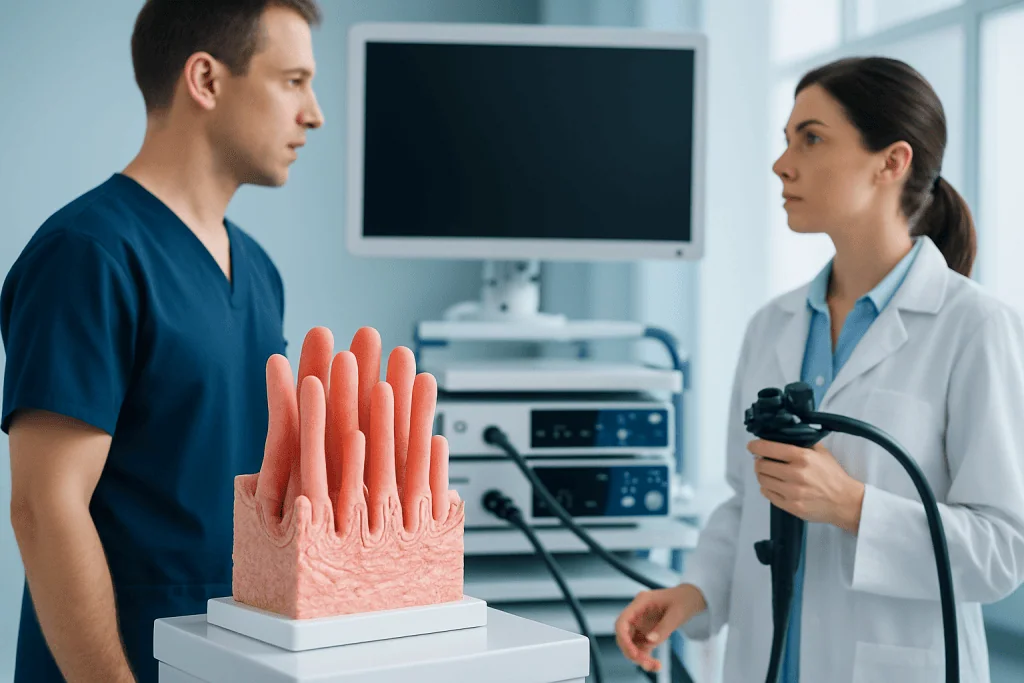
The main function of intestinal villi is to maximize the area available for absorption. After food is broken down in the stomach and small intestine, nutrients must pass through the intestinal lining to enter the bloodstream or lymphatic system. Villi make this process more effective by creating a large, specialized surface.
Different nutrients are absorbed in different ways. Sugars and amino acids generally pass into the bloodstream, while some fats are absorbed into lymphatic vessels inside the villi. Water, electrolytes, and many vitamins and minerals are also absorbed through the intestinal lining. Healthy villi help support growth, energy, immunity, bone health, and overall organ function.
Villi also work alongside digestive enzymes and immune cells in the intestine. This means they are not only important for nutrition, but also for maintaining the gut barrier and helping the body respond appropriately to food and microbes. If villi are damaged, the effects may extend beyond the digestive tract.
What happens when villi are damaged
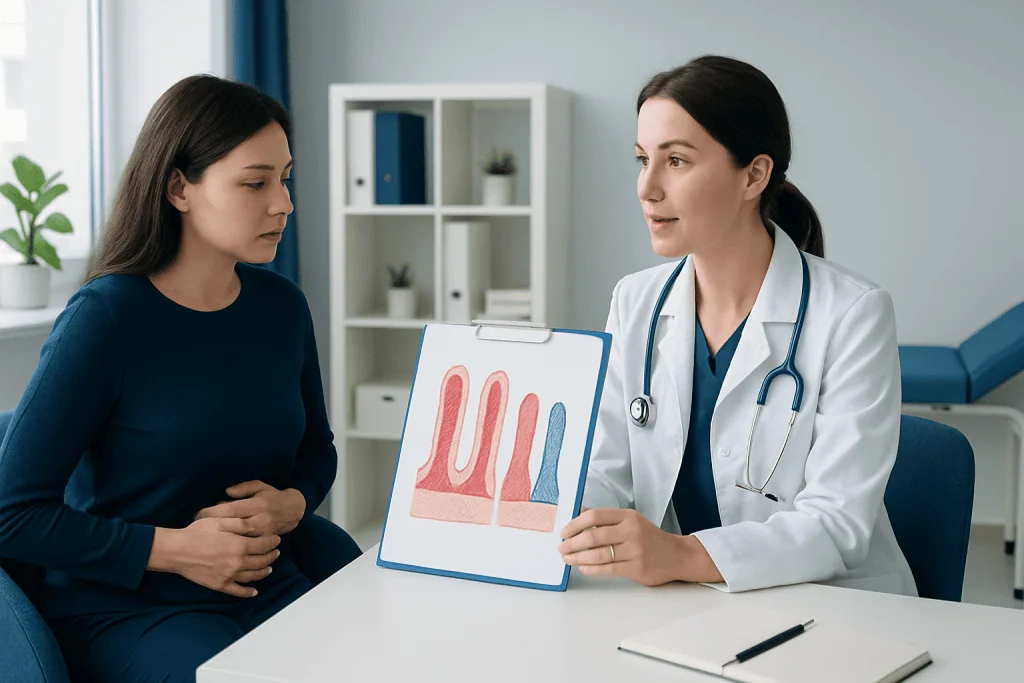
Damage to villi is often described as villous atrophy or blunting. In this situation, the villi become shortened, flattened, or inflamed, reducing the intestine’s ability to absorb nutrients. The severity of symptoms depends on how much of the small intestine is affected and what the underlying cause is.
Some people develop noticeable digestive symptoms, while others mainly experience signs of malabsorption. Common symptoms and effects can include:
- Chronic or recurring diarrhea
- Bloating or excess gas
- Abdominal discomfort
- Unintended weight loss
- Fatigue or weakness
- Iron deficiency or anemia
- Vitamin and mineral deficiencies
- Poor growth in children
Because villi help absorb many nutrients, long-term damage can affect several body systems. For example, poor absorption of calcium and vitamin D may influence bone health, and poor absorption of iron or folate may contribute to anemia. In some cases, people are evaluated for related digestive conditions such as celiac disease or other causes of chronic intestinal inflammation.
Causes and risk factors
There is no single cause of villi damage. One of the best-known causes is celiac disease, an autoimmune condition in which gluten triggers inflammation and injury in the small intestine. In affected patients, avoiding gluten is essential for the villi to recover. Other causes may include intestinal infections, inflammatory bowel conditions, immune-related disorders, certain medications, radiation exposure, and severe malnutrition.
Some people may also have symptoms related to disorders that affect digestion and nutrient absorption more broadly, including Crohn's disease or chronic irritation of the small bowel. In children, food intolerance, infections, and inherited digestive disorders may sometimes be part of the evaluation. In adults, a clinician may also consider travel history, medication use, autoimmune disease, or previous intestinal surgery.
Risk factors depend on the underlying condition. A family history of celiac disease or autoimmune disease can increase the chance of villous injury in some people. Persistent digestive symptoms, unexplained anemia, chronic diarrhea, and poor growth in children are reasons doctors may look more closely at the small intestine.
How doctors diagnose villi-related problems
Diagnosis begins with a careful medical history and physical examination. The doctor usually asks about digestive symptoms, weight changes, diet, medication use, family history, and signs of nutrient deficiency. Blood tests may help identify anemia, inflammation, vitamin deficiencies, or markers that suggest celiac disease.
Depending on symptoms, stool tests may be used to look for infection, inflammation, or problems with digestion. If the doctor needs a closer look at the small intestine, an upper endoscopy may be recommended. During this procedure, a thin flexible tube with a camera is passed through the mouth into the upper digestive tract, and small tissue samples can be taken to check the villi under a microscope.
Biopsy can be especially important when villous atrophy is suspected, because it helps confirm whether the villi are normal, inflamed, or flattened. Some patients may also need imaging, additional laboratory tests, or specialist assessment in gastroenterology. When clinically appropriate, evaluation may include endoscopy and targeted blood work to identify the cause accurately.
Treatment and recovery
Treatment focuses on the underlying condition rather than on the villi alone. If celiac disease is the cause, a strict gluten-free diet is the main treatment and may allow the villi to heal over time. If an infection is responsible, treatment may involve medicines directed at the specific organism. If medications or inflammatory diseases are contributing, the doctor may adjust treatment or recommend further management by a specialist.
Nutritional support is often an important part of care. Depending on the person’s needs, this may include correcting iron, vitamin B12, folate, vitamin D, calcium, or other deficiencies. Some patients benefit from dietary guidance to reduce symptoms while the intestine heals. If symptoms are severe or ongoing, referral to a gastroenterologist and a dietitian may be helpful.
When there are signs of chronic intestinal disease or persistent inflammation, doctors may investigate other digestive conditions and tailor care accordingly. In selected cases, broader digestive evaluation may involve gastroenterology care or management of inflammatory bowel disorders such as ulcerative colitis. The goal is to restore absorption, improve symptoms, and protect long-term health.
Supporting intestinal health in daily life
Not all villi problems can be prevented, but good digestive health habits can support the intestine overall. A balanced diet, adequate hydration, and timely medical care for ongoing digestive symptoms are sensible steps. People who have diagnosed celiac disease should follow a lifelong gluten-free diet as advised by their healthcare team.
It is also important not to self-diagnose based only on internet searches or begin major food restrictions without medical guidance. Removing gluten or other foods before testing can sometimes make diagnosis more difficult. Instead, patients with ongoing symptoms should speak with a qualified doctor to decide which tests are needed.
Follow-up matters because healing may take time, especially when villi have been damaged for months or years. Repeat blood tests, nutritional checks, and symptom review may help monitor progress. Near the end of the care pathway, some patients may be managed by multidisciplinary teams; Acibadem International’s specialists at JCI-accredited hospitals diagnose and treat digestive conditions for international patients when specialist evaluation is needed.
When to seek medical care
Medical care is appropriate if digestive symptoms last more than a few weeks, return frequently, or begin to affect daily life. A person should also speak with a doctor if they have unexplained weight loss, long-lasting diarrhea, persistent bloating, fatigue, anemia, or signs of vitamin deficiency. In children, poor growth or delayed development should always be assessed.
Urgent medical attention is needed for severe dehydration, blood in the stool, ongoing vomiting, intense abdominal pain, or signs of serious weakness or fainting. These symptoms do not always mean villi damage, but they do need prompt evaluation. Early diagnosis can help identify the cause, relieve symptoms, and reduce the risk of complications from poor nutrient absorption.
Frequently asked questions
What is the difference between villi and villus?
Villus is the singular word for one finger-like projection in the small intestine. Villi is the plural form and refers to many of these structures together. Both terms describe parts of the intestinal lining that help absorb nutrients.
Where are villi found in the body?
Villi are found mainly in the small intestine. They line the inner surface and increase the area available for absorbing nutrients, fluids, vitamins, and minerals. Their structure helps the body get nourishment from digested food.
Can damaged villi heal?
In many cases, yes, villi can heal if the underlying cause is identified and treated. Recovery may take time and depends on the condition involved, such as celiac disease, infection, or inflammation. Ongoing follow-up can help monitor healing and nutrition.
What symptoms can happen if villi are not working properly?
People may develop diarrhea, bloating, gas, abdominal discomfort, weight loss, fatigue, or nutrient deficiencies. Some may have anemia or low vitamin levels rather than obvious digestive symptoms. Children may have poor growth or delayed development.
Does villi damage always mean celiac disease?
No. Celiac disease is one important cause, but villi can also be affected by infections, inflammatory disorders, immune conditions, certain medicines, and other intestinal diseases. That is why a medical evaluation is important before making assumptions.
How do doctors check the health of villi?
Doctors usually begin with a history, examination, and blood tests. If needed, they may recommend stool testing or an upper endoscopy with biopsy to examine tissue from the small intestine. This helps confirm whether the villi are healthy, inflamed, or flattened.
References
- National Institute of Diabetes and Digestive and Kidney Diseases
- American College of Gastroenterology
- National Health Service
- Merck Manual Consumer Version
- World Gastroenterology Organisation
This article is for general information only and is not a substitute for professional medical advice. Please consult a qualified doctor about your individual situation.
Persistent digestive symptoms? Get evaluated in Turkey
JCI-accredited · board-certified surgeons · reply within 24h
Add us as a Preferred Source to see more of our trusted health content across Google Search, AI Overviews and Discover.