Von Recklinghausen Disease: Diagnosis, Outlook, and Modern Treatment Approaches
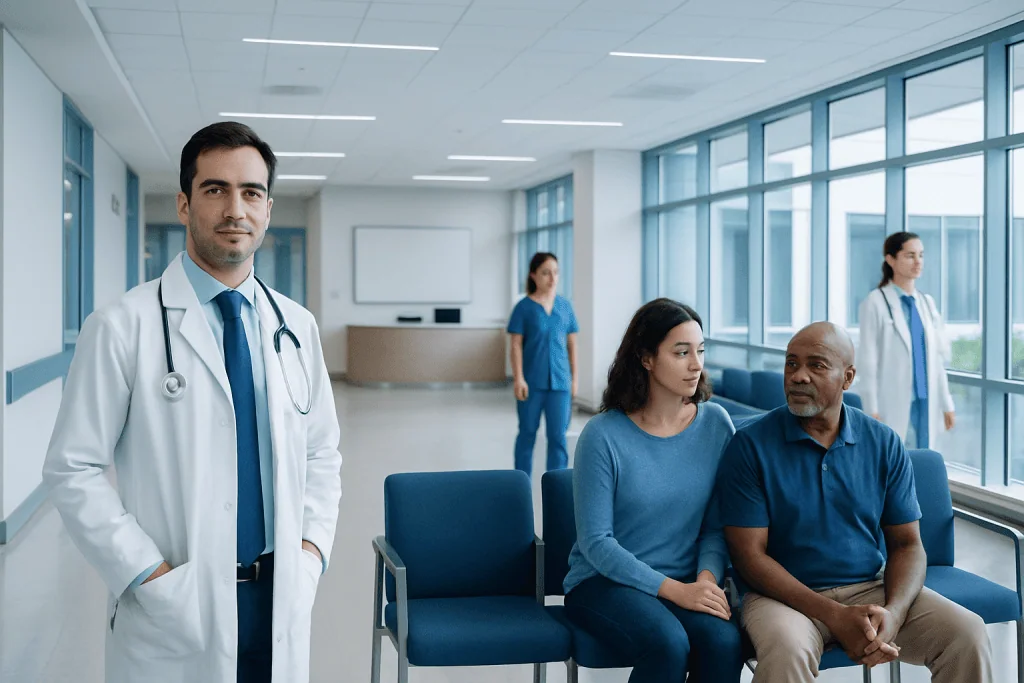
Von Recklinghausen disease usually refers to neurofibromatosis type 1, or NF1. NF1 is caused by changes in the NF1 gene and may be inherited or occur for the first time in a family.
Key Takeaways
- Von Recklinghausen disease usually refers to neurofibromatosis type 1, or NF1.
- NF1 is caused by changes in the NF1 gene and may be inherited or occur for the first time in a family.
- Features can vary widely, even among relatives with the same condition.
- Regular reviews help identify treatable concerns involving tumors, vision, blood pressure, bones, development, or pain.
- Treatment is individualized and may include observation, medication, surgery, rehabilitation, and educational support.
Von Recklinghausen disease is the older name for neurofibromatosis type 1 (NF1), a lifelong genetic condition that can affect the skin, nerves, bones, eyes, and learning. There is no single cure, but planned follow-up and treatment for specific concerns can help many people remain active and manage symptoms effectively.
Overview: What Is Von Recklinghausen Disease?
Von Recklinghausen disease is a historical term most often used for neurofibromatosis type 1 (NF1). NF1 is a genetic condition in which changes in the NF1 gene affect how certain cells grow and develop. It can cause changes in skin pigmentation, benign growths along nerves called neurofibromas, and, in some people, concerns involving the eyes, bones, brain, learning, or other body systems.
The condition is present from birth, although its signs may appear gradually during childhood, adolescence, or adulthood. NF1 is highly variable: one person may have mainly skin findings, while another may need care for a more significant complication. A diagnosis does not predict one fixed course, and many people with NF1 have full, independent lives with appropriate medical follow-up.
NF1 should not be confused with neurofibromatosis type 2-related schwannomatosis or other forms of schwannomatosis. These are distinct genetic conditions with different typical features, monitoring needs, and treatment approaches.
Common Signs and Symptoms
One of the earliest signs of NF1 is the presence of café-au-lait macules: flat, light-brown patches on the skin. They are harmless themselves, but multiple spots can be an important clue for clinicians. Freckling in the armpits or groin may develop later in childhood.
Neurofibromas are usually benign tumors that grow from tissue around nerves. They may appear as soft bumps on or under the skin, or develop deeper in the body. Some are painless, while others can itch, be tender, affect appearance, or interfere with movement depending on their location. Plexiform neurofibromas are a more complex type that can involve multiple branches of a nerve and may cause pain, functional problems, or visible enlargement of an area.
Other possible features include learning differences, attention difficulties, speech or developmental delays, headaches, scoliosis, bone changes, and high blood pressure. Some children develop optic pathway gliomas, tumors affecting the visual pathway; these often grow slowly but require specialist assessment because vision may be affected.
- Lisch nodules, which are tiny harmless pigment changes on the iris
- Changes in growth or puberty timing in some children
- Persistent pain, tingling, weakness, or changes in balance when a nerve is affected
- Emotional or social effects related to visible skin changes or chronic symptoms
Causes, Inheritance, and Risk Factors
NF1 results from a variant in the NF1 gene. This gene normally helps regulate cell growth. When it does not work as expected, certain cells may be more likely to form neurofibromas and other NF1-related changes. Nothing a parent did during pregnancy or a person did in daily life causes NF1.
NF1 follows an autosomal dominant inheritance pattern. This means that a person with NF1 has a 50% chance of passing the gene variant to each child. However, about half of people diagnosed with NF1 have a new gene change that was not inherited from either parent. Once the condition is present, its severity can differ greatly from one family member to another.
Genetic counseling can help individuals and families understand inheritance, testing options, reproductive choices, and the practical implications of a diagnosis. Testing may also be useful when physical findings are not clear or when a specialist needs to distinguish NF1 from another condition with overlapping features.
How NF1 Is Diagnosed and Monitored
Doctors can often diagnose NF1 using established clinical criteria, based on a medical history, family history, physical examination, and characteristic findings. In children, the full pattern of features may take time to emerge, so repeat assessments can be important. Genetic testing may support the diagnosis, particularly in young children or people with unusual presentations.
An evaluation may include a skin examination, blood pressure measurement, assessment of growth and development, and a discussion of school performance, attention, pain, and daily function. Children commonly have regular eye assessments with an ophthalmologist, especially in the early years, because vision changes may be subtle at first.
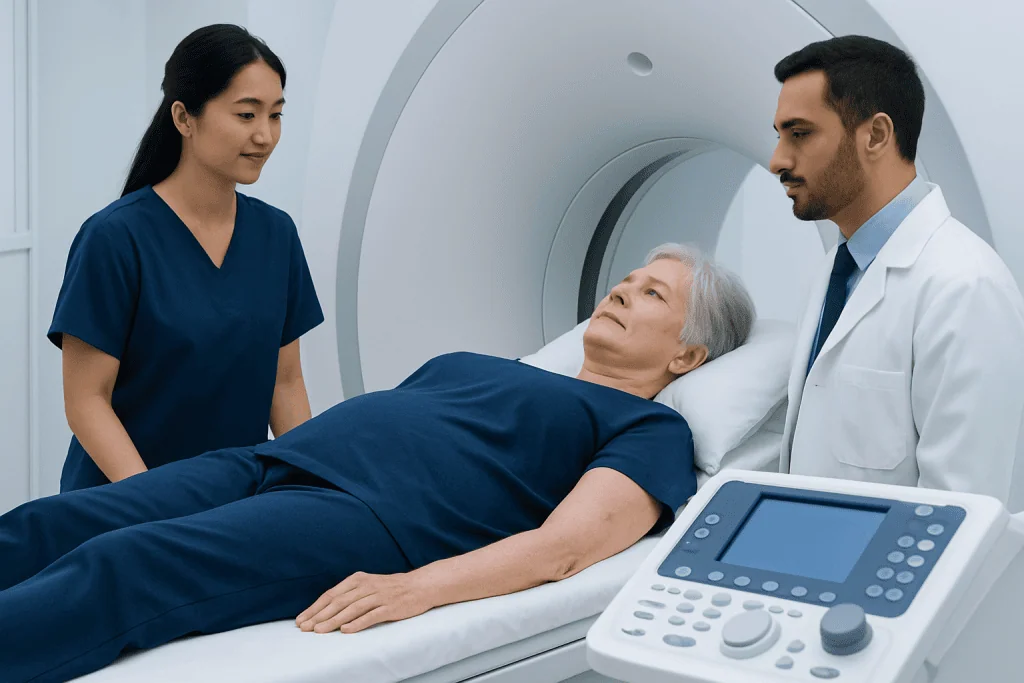
Imaging scans are not automatically needed for every person with NF1. MRI or other tests are generally arranged when symptoms, examination findings, or a known lesion indicate a need to examine a specific area. This approach avoids unnecessary tests while helping clinicians investigate new pain, weakness, rapid growth of a mass, concerning headaches, or possible visual pathway involvement.
Because NF1 can affect more than one system, care may involve genetics, pediatrics or internal medicine, neurology, dermatology, ophthalmology, orthopedics, psychology, rehabilitation, and surgical specialists. The follow-up plan is tailored to the person’s age, symptoms, and known complications.
Modern Treatment Approaches
There is currently no treatment that removes the underlying NF1 gene change from all cells. Management focuses on preventing complications where possible, monitoring known concerns, and treating symptoms or tumors that affect health, comfort, function, or quality of life. Not every neurofibroma needs treatment; stable, painless lesions may simply be observed.
Surgery may be considered for selected tumors that are painful, growing, pressing on nearby structures, causing disability, or raising concern for malignant change. The possibility of recurrence, scarring, nerve-related effects, and the complexity of the tumor’s location are considered carefully. Procedures may also be an option for selected skin neurofibromas when they are troublesome or distressing.
For certain symptomatic, inoperable plexiform neurofibromas, specialists may consider targeted medicines known as MEK inhibitors. These treatments are not suitable for every person and require specialist oversight, monitoring for side effects, and a shared discussion of likely benefits and limitations. Pain management, physiotherapy, occupational therapy, and psychological support can also be valuable parts of a broader care plan.
Learning and attention concerns respond best to early recognition and practical support. Developmental assessments, speech and language therapy, school accommodations, and treatment for coexisting attention or mood conditions may improve day-to-day wellbeing. Treatment choices should be individualized with clinicians experienced in NF1.
Daily Life, Follow-Up, and Self-Care
Living with NF1 often involves routine health reviews rather than constant treatment. Keeping a record of symptoms, known tumors, medications, and previous imaging can make appointments more productive. For children, parents and caregivers can share observations about vision, school progress, sleep, behavior, pain, and physical development.
Healthy routines remain important. Regular physical activity within a person’s comfort and ability, balanced nutrition, adequate sleep, and avoiding tobacco support overall health. People with bone changes, pain, weakness, or balance problems may benefit from individualized activity advice from a rehabilitation professional rather than avoiding movement altogether.
Emotional wellbeing deserves attention. Visible neurofibromas, uncertainty about symptoms, or challenges at school and work can affect confidence and mental health. Support from family, counseling services, peer organizations, and healthcare professionals may help people develop coping strategies and advocate for needed accommodations.
Acibadem International’s multidisciplinary specialists and JCI-accredited hospitals support international patients who need assessment and treatment planning for complex conditions such as NF1. Care should remain coordinated with a qualified doctor who understands the person’s medical history and ongoing monitoring needs.
When to Seek Medical Care
A person with possible signs of NF1 should arrange a medical assessment, particularly if there are multiple café-au-lait spots, unexplained skin bumps, a close relative with NF1, or developmental and skin findings occurring together. Early assessment can clarify whether specialist follow-up is needed and can provide reassurance when findings have another explanation.
People already diagnosed with NF1 should contact their healthcare team promptly for a new or rapidly enlarging lump, persistent or worsening pain, a hard or deeply located mass, new weakness or numbness, changes in walking or balance, or unexplained loss of function. These symptoms do not necessarily mean a serious complication, but they need timely evaluation.
Urgent medical advice is appropriate for sudden vision changes, severe or unusual headaches with neurological symptoms, seizures, marked drowsiness, or signs of very high blood pressure such as severe headache, chest pain, or shortness of breath. Children should also be reviewed promptly if caregivers notice reduced vision, early or delayed puberty changes, or a decline in development or school functioning.
Frequently asked questions
Is von Recklinghausen disease the same as neurofibromatosis?
Von Recklinghausen disease usually refers to neurofibromatosis type 1, also called NF1. Neurofibromatosis is a broader term that includes other genetic conditions, such as NF2-related schwannomatosis, which have different features and care needs.
Can von Recklinghausen disease be cured?
There is no cure that corrects the NF1 gene change throughout the body. However, many features and complications can be monitored, treated, or supported, and care is tailored to each person's symptoms and needs.
Are neurofibromas cancerous?
Most neurofibromas are benign, meaning they are not cancer. Rarely, certain nerve sheath tumors can become malignant, which is why a new, rapidly growing, hard, painful, or deep lump should be assessed by a clinician.
Can a parent with NF1 pass it to a child?
Yes. NF1 is usually inherited in an autosomal dominant pattern, so a parent with NF1 has a 50% chance of passing the gene variant to each child. The symptoms and severity can still vary considerably within a family.
Does every child with café-au-lait spots have NF1?
No. Café-au-lait spots can occur without NF1, especially when there are only a small number of them. A clinician may recommend evaluation when there are multiple spots or other findings, such as freckling, neurofibromas, or a family history of NF1.
How often should someone with NF1 have check-ups?
The schedule depends on age, symptoms, and known complications. Children commonly need regular developmental, blood pressure, skin, and eye checks, while adults may need periodic reviews focused on new symptoms, pain, tumors, blood pressure, and overall wellbeing.
References
- National Institute of Neurological Disorders and Stroke
- National Cancer Institute
- Children's Tumor Foundation
- GeneReviews
- American Academy of Pediatrics
This article is for general information only and is not a substitute for professional medical advice. Please consult a qualified doctor about your individual situation.
Explore treatments in Turkey — costs, top hospitals & a free quote
JCI-accredited · board-certified surgeons · reply within 24h
Add us as a Preferred Source to see more of our trusted health content across Google Search, AI Overviews and Discover.
Check your numbers in seconds
BMI, calories, due date, blood pressure and 30+ more clinical calculators — free, instant, doctor-reviewed ranges.