Von Willebrand Disease: Easy Bruising, Heavy Periods, and Diagnosis

Von Willebrand Disease is usually inherited and is related to low levels or reduced function of von Willebrand factor, a protein needed for normal clotting. Common signs include easy bruising, frequent nosebleeds, heavy periods, prolonged bleeding from cuts, and excess bleeding after dental work or surgery.
Key Takeaways
- Von Willebrand Disease is usually inherited and is related to low levels or reduced function of von Willebrand factor, a protein needed for normal clotting.
- Common signs include easy bruising, frequent nosebleeds, heavy periods, prolonged bleeding from cuts, and excess bleeding after dental work or surgery.
- Diagnosis requires specific blood tests and may need repeat testing because von Willebrand factor levels can vary over time.
- Treatment depends on the type and severity and may include medicines that raise von Willebrand factor levels, antifibrinolytic medicines, hormone-based options for heavy periods, or clotting factor concentrates.
- People with suspected or confirmed Von Willebrand Disease should tell healthcare providers before operations, dental procedures, childbirth, or starting medicines that may affect bleeding.
Von Willebrand Disease is a lifelong bleeding disorder in which blood does not clot as efficiently as expected, often causing easy bruising, heavy menstrual bleeding, nosebleeds, or prolonged bleeding after dental work, surgery, or injury. With the right diagnosis and a personalized care plan, most people can manage symptoms well and plan safely for procedures, pregnancy, and daily life.
Overview
Von Willebrand Disease is a bleeding disorder that affects the way blood forms clots. It is linked to von Willebrand factor, a protein that helps platelets stick to injured blood vessel walls and also carries and protects clotting factor VIII. When von Willebrand factor is too low or does not work properly, bleeding may last longer than usual.
Many people with Von Willebrand Disease have mild symptoms and may not realize they have it until a dental extraction, surgery, childbirth, or a pattern of heavy menstrual bleeding brings it to attention. Others have symptoms from childhood, such as frequent nosebleeds, large bruises, or prolonged bleeding after minor cuts. The condition can affect people of any sex, but it is often recognized in women because heavy menstrual bleeding is a common clue.
Von Willebrand Disease is usually inherited, meaning it can run in families. It is not the same as hemophilia, although both are bleeding disorders and can involve factor VIII. With appropriate diagnosis, education, and planning, most people can participate in normal school, work, exercise, travel, and family life while reducing bleeding risks.
Symptoms: Easy Bruising, Heavy Periods, and Other Signs
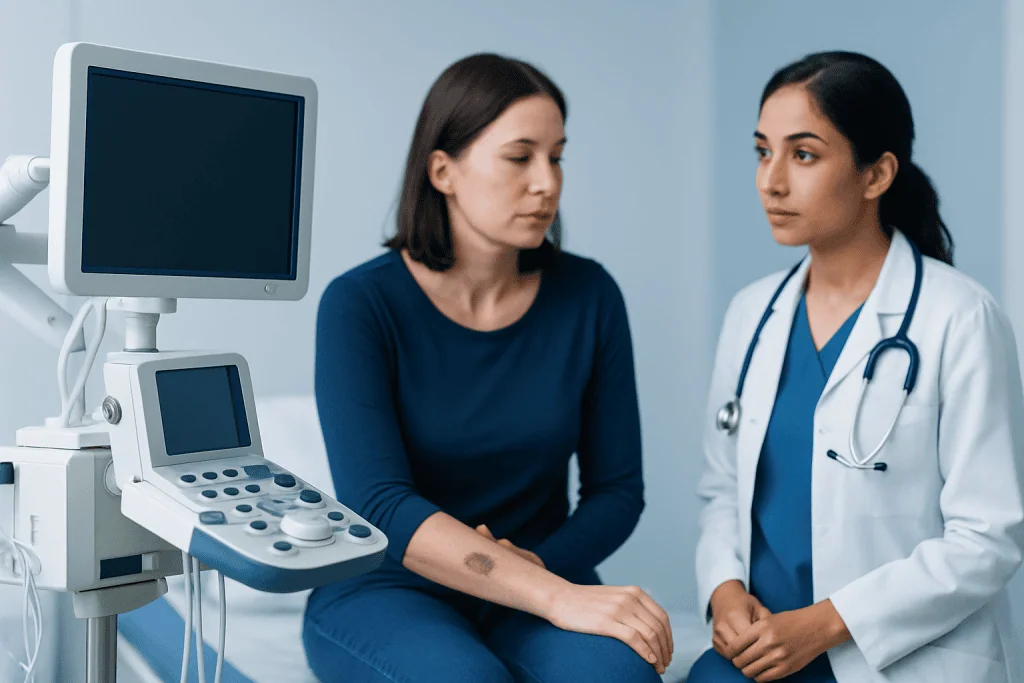
Symptoms vary widely. Some people have only mild bleeding that occurs after an injury or procedure, while others have more frequent or heavier bleeding. The pattern is often related to the type of Von Willebrand Disease and the person’s von Willebrand factor level and function.
Common symptoms include:
- Easy bruising, especially large bruises or bruises after minor bumps
- Frequent, prolonged, or difficult-to-stop nosebleeds
- Heavy or prolonged menstrual periods, sometimes with flooding or large clots
- Bleeding gums, especially after brushing, flossing, or dental treatment
- Prolonged bleeding from cuts, injuries, surgery, or childbirth
- Bleeding after dental extraction or tonsil surgery
- Blood in the stool or urine, which should always be assessed by a doctor
Heavy menstrual bleeding can affect daily life, energy levels, and iron stores. People may notice needing to change protection very frequently, using double protection, bleeding through clothes or bedding, or periods lasting longer than expected. Over time, heavy blood loss may lead to iron deficiency or anemia, with fatigue, shortness of breath during activity, dizziness, or reduced concentration.
Causes, Types, and Risk Factors

Von Willebrand Disease is most often caused by inherited changes in the VWF gene, which provides instructions for making von Willebrand factor. A person may inherit the condition from one or both parents, depending on the type. A family history of easy bruising, nosebleeds, heavy periods, or bleeding after operations can be an important clue, although some families have never been formally diagnosed.
The main types are Type 1, Type 2, and Type 3. Type 1 is the most common and usually involves a partial deficiency of von Willebrand factor. Type 2 means the protein is present but does not work normally; it has several subtypes that can influence treatment decisions. Type 3 is rare and more severe, with very low or absent von Willebrand factor and often low factor VIII levels.
Von Willebrand factor levels can also be influenced by factors such as stress, inflammation, pregnancy, hormones, age, exercise, and blood type. People with blood type O may naturally have lower von Willebrand factor levels than people with other blood types. This does not mean blood type alone causes the disease, but it can affect test interpretation.
Rarely, a person can develop acquired von Willebrand syndrome later in life due to another medical condition, such as certain heart valve problems, autoimmune disorders, thyroid disease, or blood and bone marrow disorders. This is different from inherited Von Willebrand Disease and requires evaluation for the underlying cause.
Diagnosis and Testing
Diagnosis starts with a careful medical and family history. A doctor may ask about nosebleeds, bruising, menstrual bleeding, bleeding after dental work or surgery, childbirth bleeding, anemia, medications, and relatives with similar symptoms. A structured bleeding assessment can help identify whether symptoms are more than expected for everyday life.
Blood tests are essential, but diagnosis can be more complex than a single result. Initial testing may include a complete blood count to check for anemia and platelet count, prothrombin time and activated partial thromboplastin time to screen clotting pathways, von Willebrand factor antigen to measure the amount of protein, von Willebrand factor activity tests to assess how well it works, and factor VIII activity. Additional specialized tests may be used to identify the type or subtype.
Because von Willebrand factor levels naturally fluctuate, testing may need to be repeated. Levels can rise during illness, stress, pregnancy, after exercise, or with certain medications, which may temporarily mask a deficiency. For this reason, a normal result does not always rule out the condition if the bleeding history is strongly suggestive.
Diagnosis is usually guided by a hematologist or a clinician experienced in bleeding disorders. Accurate classification matters because treatment choices differ; for example, some people respond well to medicines that release stored von Willebrand factor, while others need replacement therapy or should avoid specific treatments depending on their subtype.
Treatment Options
Treatment depends on the type of Von Willebrand Disease, bleeding severity, age, other health conditions, and whether treatment is needed for routine symptoms, an emergency, or planned procedures. Some people only need treatment before surgery or dental work. Others benefit from a regular plan for nosebleeds, heavy periods, or recurrent bleeding.
One option is desmopressin, a medicine that can temporarily increase the release of stored von Willebrand factor and factor VIII in some people. It is not suitable for every type, and response is often checked with a supervised test dose before relying on it for procedures. Doctors consider age, heart health, sodium balance, pregnancy status, and the specific subtype before recommending it.
Antifibrinolytic medicines may be used to help stabilize clots, especially for bleeding from the mouth, nose, dental procedures, or heavy menstrual bleeding. For people who do not respond to desmopressin or who have more severe disease, von Willebrand factor-containing clotting factor concentrates may be used. These products replace the missing or poorly functioning clotting proteins and are important for major surgery, serious bleeding, or certain childbirth situations.
For heavy periods, treatment may involve collaboration between hematology and gynecology. Options can include antifibrinolytic medicines during menstruation, hormonal contraceptives, a levonorgestrel-releasing intrauterine system, iron supplementation when needed, and evaluation for other gynecologic causes of heavy bleeding. The goal is to reduce blood loss, protect iron stores, and support quality of life.
Prevention, Planning, and Self-Care
Von Willebrand Disease cannot usually be prevented because it is inherited, but bleeding complications can often be reduced with planning. People with a diagnosis should keep a written or digital record of their type, baseline test results if known, usual treatment plan, allergies, and hematology contact details. Wearing medical identification can be helpful in emergencies.
Before surgery, dental extraction, endoscopy with biopsy, childbirth, or any invasive procedure, the healthcare team should know about the bleeding disorder in advance. A hematologist can recommend a prevention plan, which may include medicine before and after the procedure and guidance on what bleeding signs require urgent review. It is also wise to discuss vaccinations, injections, and sports participation if symptoms are significant.
Medication safety is an important part of self-care. Some medicines can increase bleeding risk, including aspirin and certain nonsteroidal anti-inflammatory drugs, unless a doctor specifically recommends them. People should ask their doctor or pharmacist before starting over-the-counter pain relievers, supplements, or herbal products, especially before procedures.
Healthy daily habits can also help. Maintaining good dental hygiene may reduce the need for dental procedures and gum bleeding. Treating iron deficiency, tracking menstrual bleeding, avoiding preventable injuries when possible, and learning basic first aid for nosebleeds or cuts can make the condition easier to manage. Children and teenagers may need age-appropriate education so they can communicate symptoms confidently at school or during activities.
Pregnancy, Childbirth, and Women’s Health
Women with Von Willebrand Disease can often have healthy pregnancies and births with appropriate planning. Von Willebrand factor and factor VIII levels commonly rise during pregnancy, but they may fall again after delivery, when the risk of delayed postpartum bleeding can increase. For this reason, care is ideally coordinated between obstetrics, hematology, anesthesiology, and, when needed, pediatrics.
Pre-pregnancy counseling can help clarify the type of Von Willebrand Disease, inheritance pattern, previous bleeding history, and treatment options. During pregnancy, doctors may monitor clotting factor levels and create a delivery plan that addresses labor, anesthesia options, cesarean delivery if needed, and postpartum care. The plan may also include how to manage bleeding if it occurs after going home.
Heavy periods are one of the most common reasons Von Willebrand Disease is diagnosed. However, not every heavy period is caused by a bleeding disorder, and not every person with the condition has heavy periods. A careful evaluation can check for both blood-related and gynecologic causes, allowing treatment to be tailored rather than relying on one explanation.
When to See a Doctor
A person should seek medical advice if they have repeated large bruises without clear injury, frequent or prolonged nosebleeds, heavy menstrual bleeding, prolonged bleeding after dental work or surgery, or a family history of a diagnosed bleeding disorder. Medical assessment is also important for symptoms of anemia, such as persistent fatigue, dizziness, paleness, or shortness of breath with activity.
Urgent care is needed for heavy bleeding that does not slow with first aid, head injury with concerning symptoms, vomiting blood, black or bloody stools, blood in the urine, severe abdominal pain, or heavy bleeding after childbirth or surgery. These symptoms can have several causes, and prompt assessment helps ensure safe treatment.
People already diagnosed with Von Willebrand Disease should contact their hematology team before planned procedures and whenever bleeding patterns change. Children with suspected symptoms should be evaluated rather than assuming they are simply “clumsy” or that nosebleeds are always harmless.
Acibadem International’s multidisciplinary specialists and JCI-accredited hospitals diagnose and treat bleeding disorders, including Von Willebrand Disease, for international patients. Care decisions should always be individualized by qualified healthcare professionals based on the patient’s history, test results, and treatment needs.
Frequently asked questions
Is Von Willebrand Disease the same as hemophilia?
No. Both are bleeding disorders, but they involve different clotting problems. Von Willebrand Disease affects von Willebrand factor, which helps platelets stick and carries factor VIII, while hemophilia usually involves low or missing factor VIII or IX. Treatment may overlap in some situations but is not the same for everyone.
Can a person have Von Willebrand Disease with normal blood tests?
Sometimes initial tests may appear normal, especially if von Willebrand factor levels are temporarily increased by stress, illness, pregnancy, or hormones. If the bleeding history strongly suggests a disorder, doctors may repeat testing or order specialized tests. Diagnosis should be interpreted by clinicians experienced in bleeding disorders.
Why are heavy periods linked to Von Willebrand Disease?
Menstrual bleeding requires the body to form and maintain stable clots in the uterine lining. If von Willebrand factor is low or does not work well, bleeding may be heavier or last longer. Heavy periods can also have gynecologic causes, so a combined evaluation may be needed.
Can children have Von Willebrand Disease?
Yes. Children may show signs such as frequent nosebleeds, easy bruising, prolonged bleeding after injuries, or bleeding after dental procedures. Some children have mild symptoms and are diagnosed only after a procedure or when a family member is tested. A pediatrician or pediatric hematologist can guide safe evaluation.
What should patients avoid if they have Von Willebrand Disease?
Patients should not start medicines that may increase bleeding risk, such as aspirin or some anti-inflammatory pain relievers, unless a doctor approves them. They should also inform dentists, surgeons, and emergency clinicians about the condition. Avoidance advice should be personalized because bleeding severity varies.
Is Von Willebrand Disease curable?
Inherited Von Willebrand Disease is usually lifelong and is not considered curable. However, many people have mild disease and need treatment only for procedures, injuries, or heavy menstrual bleeding. With a clear plan, most patients can manage the condition effectively.
Can Von Willebrand Disease affect pregnancy or delivery?
It can, but careful planning greatly improves safety. Von Willebrand factor levels often rise during pregnancy and may fall after delivery, so monitoring and a postpartum plan are important. Pregnant patients should be cared for by an obstetric team in coordination with hematology.
References
- World Federation of Hemophilia
- National Heart, Lung, and Blood Institute
- Centers for Disease Control and Prevention
- American Society of Hematology
- International Society on Thrombosis and Haemostasis
This article is for general information only and is not a substitute for professional medical advice. Please consult a qualified doctor about your individual situation.
Von Willebrand Disease in Turkey — costs, top hospitals & a free quote
JCI-accredited · board-certified surgeons · reply within 24h
Add us as a Preferred Source to see more of our trusted health content across Google Search, AI Overviews and Discover.

More from the Health Library



Related Specialists

Prof. Dr. Behice Kurtaran
Infectious Diseases & Clinical Microbiology
Prof. Dr. İsmet Tamer
Check Up & Wellness Center
Dr. Gülseren Sağcan
Pulmonology
Asst. Prof. Dr. Alper Özdilek
Otorhinolaryngology