Vulvectomy Procedure: An Evidence-Based Patient Guide

Vulvectomy may be partial, simple, radical, or combined with lymph-node assessment depending on the diagnosis and extent of disease. The procedure is individualized to remove abnormal tissue with an appropriate margin while protecting nearby structures when possible.
Key Takeaways
- Vulvectomy may be partial, simple, radical, or combined with lymph-node assessment depending on the diagnosis and extent of disease.
- The procedure is individualized to remove abnormal tissue with an appropriate margin while protecting nearby structures when possible.
- Pain, swelling, wound care needs, and temporary changes in urination are common during early recovery and can be managed with medical support.
- Recovery commonly takes several weeks, while emotional adjustment and sexual rehabilitation may take longer.
- Persistent vulvar itching, a new lump, bleeding, skin changes, or a sore that does not heal should be assessed by a clinician.
A vulvectomy procedure is surgery to remove part or all of the vulva, most often to treat vulvar cancer or extensive precancerous changes. The amount of tissue removed varies considerably, and modern care aims to remove the disease while preserving healthy tissue and function whenever safely possible.
Overview: What Is a Vulvectomy Procedure?
A vulvectomy procedure is an operation that removes abnormal tissue from the vulva, the external female genital area. It is most commonly used for vulvar cancer, but may also be recommended for widespread or recurrent high-grade precancerous changes when less extensive treatments are not suitable. The goal is to treat disease completely while preserving as much normal tissue, comfort, appearance, and function as possible.
The term describes a range of operations rather than one single surgery. A partial vulvectomy removes a localized area, while a simple vulvectomy removes the vulva without removing deeper structures. A radical vulvectomy removes a wider amount of tissue and may be paired with assessment or removal of groin lymph nodes when cancer could have spread. The care team explains the planned extent of surgery before treatment.
For some people, alternatives such as local excision, laser treatment, topical therapy, radiation therapy, or chemotherapy may be considered depending on the diagnosis. A gynecologic oncologist reviews biopsy findings, imaging where needed, overall health, and personal priorities before recommending a vulvectomy surgery procedure.
Who May Need Vulvectomy Surgery?
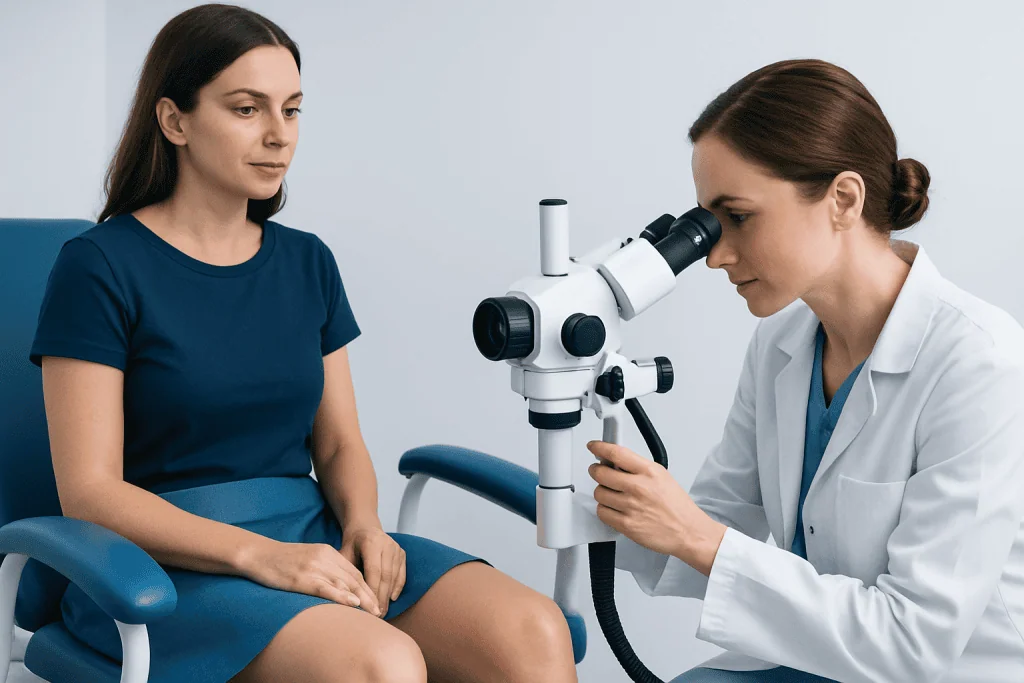
Vulvectomy is usually considered after a biopsy has identified invasive vulvar cancer or significant precancerous disease. It may be recommended when the affected area is large, disease has returned after previous treatment, or its location makes a smaller procedure unlikely to remove all abnormal cells safely. Surgery may also be used when a suspicious lesion needs complete removal for diagnosis and treatment.
Candidacy is individual. The specialist considers the size, depth, location, and type of lesion; whether lymph nodes appear involved; prior treatment; medical conditions; smoking status; mobility; and healing factors such as diabetes. Age alone does not determine whether surgery is appropriate.
Before surgery, patients commonly have a pelvic examination, review of biopsy results, blood tests, and sometimes imaging. If cancer is confirmed, the team may discuss vulvar cancer staging and whether sentinel lymph-node biopsy or groin lymph-node surgery is appropriate. Fertility, sexual wellbeing, body image, continence, and support at home are also important parts of preoperative planning.
Vulvectomy Procedure Steps: How Surgery Is Performed
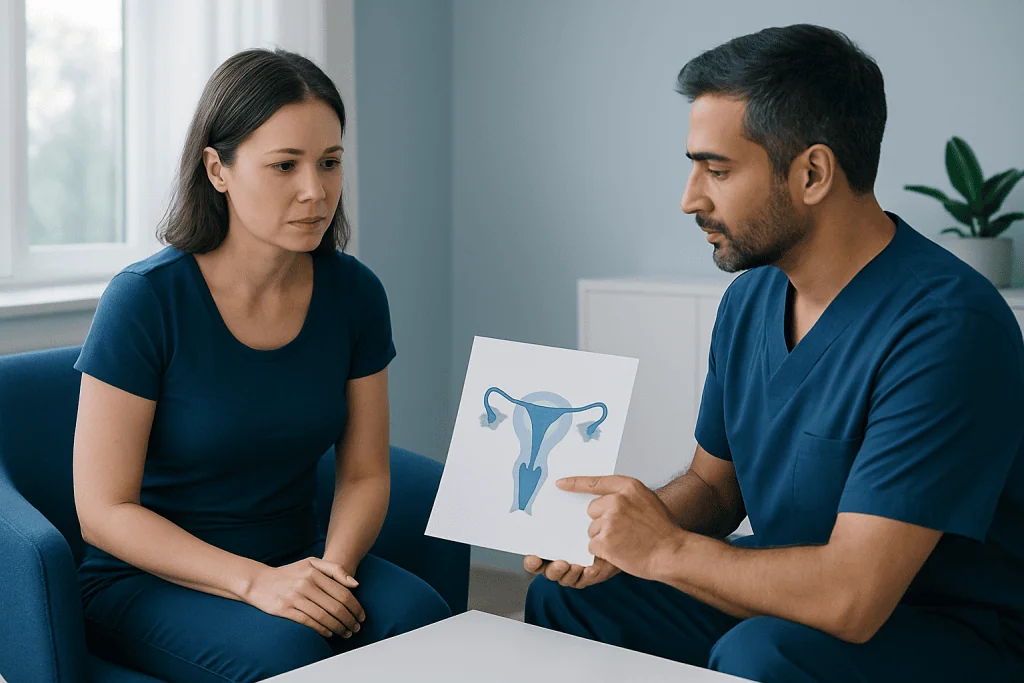
Although vulvectomy procedure steps differ according to the planned operation, surgery is generally performed in a hospital operating room under general anesthesia. The patient is asleep and does not feel pain during the operation. The surgeon positions the patient carefully, cleans the skin, and marks the area to be removed based on examination findings and surgical planning.
During the vulvectomy step by step process, the surgeon removes the lesion and a planned border of surrounding tissue. The amount removed depends on the diagnosis and its location. In some cases, reconstructive techniques using nearby skin and tissue may help close the area, reduce tension on the wound, and support healing. Tissue removed during surgery is examined by a pathologist to confirm the diagnosis and evaluate surgical margins.
If lymph-node assessment is needed, the surgeon may perform sentinel lymph-node biopsy, which identifies the first lymph nodes likely to receive drainage from the cancer area. Alternatively, lymph nodes in one or both groins may need removal. A urinary catheter may be placed during surgery, and dressings or temporary drains may be used depending on the extent of the operation.
Planning and treatment may involve gynecologic oncology, pathology, anesthesia, nursing, physiotherapy, wound care, sexual health, and psychosocial support. Patients considering specialized gynecologic cancer surgery can discuss vulvectomy treatment with a qualified surgical team.
How Long Does Vulvectomy Surgery Typically Take?
How long vulvectomy surgery takes depends on how much tissue is being removed and whether lymph-node surgery or reconstruction is required. A limited local procedure may take around one to two hours, while more extensive surgery can take several hours. The surgical team can provide the most relevant estimate after reviewing the operative plan.
Time in the operating room is only one part of the day. Patients also spend time in preoperative preparation and in a recovery area while anesthesia wears off. Some people go home the same day after a limited procedure, whereas more extensive surgery may require a hospital stay of several days.
Final pathology results are not usually available immediately. These results help the team determine whether the abnormal tissue was fully removed and whether further treatment or follow-up is needed. It is reasonable for patients to ask when they can expect results and who will contact them to discuss the next steps.
Recovery Timeline, Pain, and Everyday Care
Early recovery after a vulvectomy procedure commonly includes swelling, bruising, tenderness, fatigue, and light wound drainage. The care team provides individualized instructions on bathing, keeping the area clean and dry, changing pads or dressings, taking prescribed pain relief, and avoiding activities that place strain on the wound. Loose clothing and gentle rinsing with water after using the toilet may improve comfort.
In the first one to two weeks, patients may need help with household tasks and should avoid heavy lifting, strenuous exercise, cycling, and sexual activity. Many return gradually to daily activities over several weeks, but complete wound healing may take four to eight weeks or longer after extensive surgery or reconstruction. Follow-up appointments allow the team to assess healing, review pathology, and address symptoms promptly.
How painful is a vulvectomy? Pain varies with the extent of surgery, individual pain sensitivity, and wound healing. Discomfort is expected in the early days but should be manageable with the pain plan provided by the medical team. Pain that becomes severe, suddenly worsens, or is accompanied by fever, foul-smelling drainage, or increasing redness should be reported without delay.
How do you urinate after a vulvectomy? Most people urinate normally, although urine touching a healing wound may sting temporarily. A catheter may remain in place for a short period after some operations, especially when surgery is extensive or close to the urethra. The team may recommend pouring lukewarm water over the area while urinating or rinsing afterward; patients should follow their own surgeon’s instructions and report inability to pass urine.
Benefits, Risks, and What Is Life Like After a Vulvectomy?
The main benefit of vulvectomy is removal of cancerous or high-risk abnormal tissue. For people with localized disease, surgery can be an important part of curative treatment. It also provides detailed pathology information that guides further care. Whenever possible, less extensive surgery is selected to preserve anatomy and reduce long-term effects.
All surgery carries some risks, including bleeding, infection, wound separation or delayed healing, blood clots, scarring, numbness, and reactions to anesthesia. Groin lymph-node surgery may cause fluid collection, infection, leg swelling known as lymphedema, or changes in sensation. Some people experience altered appearance, vulvar tightness, pain with intercourse, reduced sensation, or emotional distress. Not everyone experiences these effects, and support is available for those who do.
What is life like after a vulvectomy? Many people return to work, movement, relationships, and valued activities after recovery, particularly following a limited operation. However, adjustment can take time. Sexual comfort and sensation may change, and concerns about body image or intimacy are common and valid. Pelvic-floor physiotherapy, lubricants or moisturizers when medically appropriate, counseling, and communication with a partner can be helpful.
Long-term follow-up is important because vulvar conditions can recur or new lesions can develop. Follow-up visits usually include symptom review and examination of the vulva and groin. Acibadem International’s multidisciplinary specialists and JCI-accredited hospitals support international patients requiring assessment and treatment for vulvar conditions.
When to Seek Medical Care
Anyone with persistent vulvar itching, burning, pain, a new lump, thickened or discolored skin, unexplained bleeding, or a sore that does not heal should arrange a medical assessment. These symptoms are often caused by noncancerous conditions, but examination is important when they persist or change. A clinician may recommend a biopsy to clarify the cause.
After vulvectomy surgery, the surgical team should be contacted for fever, increasing pain, worsening redness or swelling, pus-like or foul-smelling drainage, heavy bleeding, opening of the wound, persistent vomiting, calf pain or swelling, shortness of breath, or difficulty passing urine. Urgent symptoms, such as chest pain or severe breathing difficulty, require emergency care.
Patients should not delay a follow-up visit because of embarrassment. Vulvar symptoms are medical concerns, and clinicians can provide respectful, confidential assessment. Asking questions about wound care, sexual activity, return to work, and emotional support is an appropriate and useful part of recovery.
Frequently asked questions
What is the difference between a partial and radical vulvectomy?
A partial vulvectomy removes only the area containing disease plus a planned margin of nearby tissue. A radical vulvectomy removes a wider area and may be combined with groin lymph-node assessment or removal. The choice depends mainly on the diagnosis, size, depth, and location of the abnormal tissue.
How painful is a vulvectomy?
Pain and swelling are common after surgery, especially during the first days and when sitting, walking, or urinating. The healthcare team provides a tailored pain-management plan, and discomfort usually improves as the wound heals. Severe, worsening, or poorly controlled pain should be reported to the surgical team.
How do you urinate after a vulvectomy?
Most patients can urinate normally, although stinging may occur while the surgical area is healing. Some patients have a catheter temporarily after extensive surgery. Rinsing with water while or after urinating may be advised, but patients should follow the instructions provided by their own care team.
How long does vulvectomy surgery typically take?
A limited vulvectomy may take one to two hours, while extensive surgery with lymph-node procedures or reconstruction can take several hours. The exact duration depends on the planned operation and individual anatomy. The surgeon can provide a personalized estimate before surgery.
When can a person have sex after a vulvectomy?
Sexual activity should be avoided until the wound has healed and the surgeon confirms it is safe, often several weeks after surgery. Timing varies with the extent of surgery, wound healing, and whether reconstruction was performed. Pain, dryness, anxiety, and changes in sensation can be addressed with the care team.
Will a vulvectomy affect bowel or bladder control?
Most vulvectomy procedures do not cause loss of bowel or bladder control. Temporary discomfort with urination can occur because the vulva is close to the urethra, and extensive surgery may require a short-term catheter. New leakage, inability to urinate, or persistent bowel changes should be discussed with a clinician.
References
- American Cancer Society
- National Cancer Institute
- National Comprehensive Cancer Network
- American College of Obstetricians and Gynecologists
- National Library of Medicine
This article is for general information only and is not a substitute for professional medical advice. Please consult a qualified doctor about your individual situation.
Oncology care in Turkey — second opinion and treatment plan
JCI-accredited · board-certified surgeons · reply within 24h
Add us as a Preferred Source to see more of our trusted health content across Google Search, AI Overviews and Discover.

More from the Health Library



Related Specialists

Dr. Halil Algan
Treatment of Pain Algology
Dr. Mahmut Özyılmaz
Aesthetic Plastic & Reconstructive Surgery
Prof. Dr. Akın Sabancı
Neurosurgery
Prof. Dr. Gülsan Sucak
Hematology