Wake vs Funeral: Key Differences and How Doctors Tell Them Apart

A wake is usually a social gathering where people pay respects and support the bereaved family. A funeral is a formal ceremony that may include religious, cultural or personal traditions.
Key Takeaways
- A wake is usually a social gathering where people pay respects and support the bereaved family.
- A funeral is a formal ceremony that may include religious, cultural or personal traditions.
- The order, format and terminology vary considerably between families, cultures and faiths.
- Doctors do not decide whether an event is called a wake or funeral; their role relates to confirming death, documenting its cause and supporting medical needs.
- Grief can affect emotional and physical health, and professional support may be helpful when distress is intense or persistent.
A wake and a funeral both help families and communities honor someone who has died, but they serve different purposes. A wake is commonly a more informal time for viewing, visiting and sharing memories, whereas a funeral is a planned ceremony that marks a formal farewell.
Wake vs Funeral: A Side-by-Side Comparison
A wake and a funeral are both occasions for mourning, remembrance and support after a death. There is no single universal definition, however. Family traditions, religious beliefs, local customs and personal wishes can all shape what each event looks like.
| Feature | Wake | Funeral |
|---|---|---|
| Main purpose | To gather, pay respects, view the person if this is planned, and share memories. | To formally honor the person’s life and say goodbye. |
| Typical atmosphere | Often informal, conversational and flexible. | Usually more structured, ceremonial or reflective. |
| Timing | Often held before the funeral, though it may occur afterward or separately. | Commonly held before burial, cremation or another final disposition. |
| Location | A funeral home, family home, place of worship or community venue. | A place of worship, funeral home, cemetery, crematorium or another chosen setting. |
| Common elements | Visiting, condolences, photographs, food, stories and sometimes viewing. | Readings, music, eulogies, prayers, rituals and a committal or farewell. |
In everyday use, the terms may overlap. Some families call the gathering before a funeral a visitation, viewing, vigil or reception rather than a wake. Others hold one combined event, while some choose a private ceremony or no formal event at all.
What Is a Wake?

A wake is generally a gathering where relatives, friends and other members of the community can come together after a death. It may be held over several hours or more than one day. People often offer condolences, speak with close family members, bring food or flowers, and share stories about the person who died.
In some traditions, the person’s body may be present in an open or closed casket. This is often called a viewing or visitation. Viewing is a personal choice and is not required for a wake. For some people, seeing the person who died can make the loss feel more real; for others, it may feel too difficult or may not fit their beliefs.
The tone of a wake can range from quiet and solemn to warm and story-focused. Laughter, tears, silence and conversation can all be normal responses. There is no medically correct way to grieve, and a person does not need to attend a wake if doing so would feel overwhelming.
What Is a Funeral?
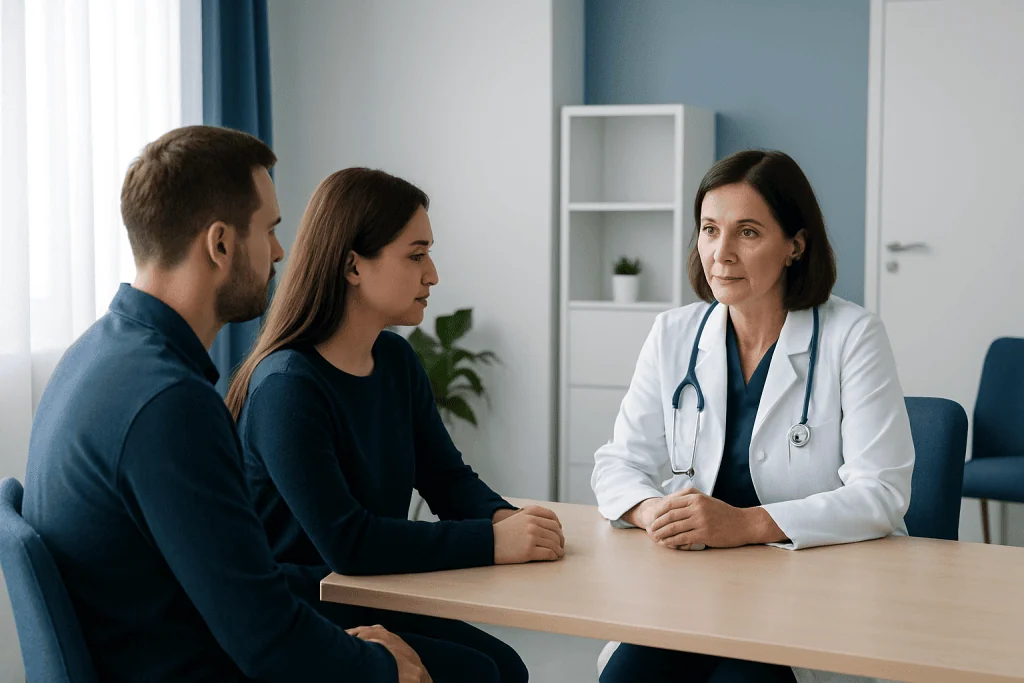
A funeral is a planned ceremony that recognizes a death and honors the life of the person who died. It may include a religious service, secular celebration of life, cultural rites, music, readings, a eulogy and moments of silence. The ceremony can be large or small and may be public, private or attended remotely.
Funerals are often connected with burial or cremation, although the timing differs. A service may happen before a burial, at the cemetery, after cremation, or on a later date when family members can gather. A memorial service is similar to a funeral but is commonly held without the person’s body present.
For many people, a funeral creates a meaningful time to acknowledge a loss publicly and receive support. Others may prefer a simple, private farewell. Neither choice indicates how much a person loved the individual who died; practical circumstances, beliefs, finances, travel and family preferences can all influence arrangements.
How Clinicians Tell Them Apart
Clinicians do not medically diagnose or distinguish a wake from a funeral. These are social, cultural and personal events rather than medical conditions or procedures. A doctor, nurse or other healthcare professional may be involved before or after a death, but the family, faith leaders and funeral professionals usually determine the type of ceremony and the language used for it.
In a healthcare setting, the clinical focus is on confirming that death has occurred, documenting the relevant medical information and following local legal requirements. Depending on the circumstances, this can include completing a medical certificate of cause of death, speaking with family members, and referring the case to the appropriate authorities when the cause of death is uncertain, unexpected or requires further investigation.
Clinicians may also help explain what families can expect after a death in hospital, hospice or another care setting. Questions about release of the body, organ or tissue donation, post-mortem examination, personal belongings and bereavement services should be directed to the care team or the relevant local authority. Procedures vary by country and by the circumstances of the death.
What to Do When Planning or Attending Each Event
When arranging a wake or funeral, families may wish to begin with the wishes the person expressed during life, if known. It can help to identify who will make decisions, ask a funeral director or religious or community leader about local options, and allow time for family members to discuss what feels respectful and manageable.
For a wake, practical decisions may include whether there will be viewing, how long the gathering will last, whether children will attend, and whether visitors are invited to share memories. For a funeral, choices may include the venue, speakers, music, readings, burial or cremation arrangements, and whether there will be a reception afterward.
People attending either event do not need to find perfect words. A brief expression such as “I am sorry for your loss” or a specific memory of the person can be meaningful. It is also appropriate to listen quietly, offer practical help, send a message later, or leave early if emotions become difficult to manage.
Children and teenagers may benefit from clear, age-appropriate explanations about what will happen. Caregivers can let them choose whether to attend when possible, prepare them for what they may see or hear, and reassure them that sadness, confusion and questions are welcome.
Grief, Emotional Health and Everyday Support
Grief is a natural response to loss. It can include sadness, numbness, anger, guilt, relief, anxiety, trouble concentrating, changes in sleep or appetite, and physical tiredness. These experiences may come and go rather than follow a predictable sequence, particularly in the first weeks and months after a death.
Support from family, friends, faith communities, bereavement groups or a mental health professional can help many people. Simple routines such as eating regularly, resting, gentle physical activity and staying connected with trusted people may provide some stability during a difficult time. There is no deadline for grief, and important dates can bring emotions back strongly.
Some losses may be especially complex, including sudden death, the death of a child, death after trauma, or the loss of someone with whom the relationship was difficult. In these situations, more structured support can be valuable. A primary care doctor or mental health professional can discuss suitable bereavement resources and treatment options when needed.
When to Seek Medical Care
Medical support is appropriate when grief is affecting a person’s ability to stay safe or manage essential daily activities. A doctor or mental health professional should be contacted if severe anxiety, depression, panic, persistent insomnia, substance misuse, or inability to eat and drink adequately is continuing or worsening.
Urgent help is needed if a person has thoughts of suicide, thoughts of harming someone else, feels unable to remain safe, or experiences a mental health crisis. They should contact local emergency services, go to the nearest emergency department, or reach out to a local crisis service immediately. A trusted relative or friend can help them seek care and stay with them if possible.
Physical symptoms should not automatically be assumed to be caused by grief. Chest pain, severe shortness of breath, fainting, sudden weakness, confusion or other new serious symptoms require prompt medical assessment. Acibadem International’s multidisciplinary specialists and JCI-accredited hospitals support international patients who need assessment for physical or emotional health concerns following a major loss.
Frequently asked questions
Is a wake the same thing as a funeral?
No. A wake is generally an informal gathering for visiting, paying respects and sharing memories, while a funeral is usually a more structured farewell ceremony. However, the terms and traditions can overlap depending on cultural, religious and family preferences.
Does a wake always involve viewing the body?
No. Some wakes include a viewing, but many do not. Families may choose an open casket, closed casket, photographs or no viewing at all based on personal wishes, cultural practices and practical circumstances.
Does a wake happen before or after a funeral?
A wake often occurs before the funeral, but it can also take place afterward or be held as a separate event. There is no universal order. The schedule is usually determined by family preferences, religious customs and local arrangements.
What should someone say at a wake or funeral?
A simple and sincere message is usually enough, such as expressing sympathy or sharing a kind memory. People do not need to explain the loss or try to make the bereaved person feel better. Listening and offering practical support can be just as meaningful.
Can children attend a wake or funeral?
Children can attend if the family feels it is appropriate and the child is prepared for what will happen. Adults should explain events in clear, age-appropriate language and allow the child some choice when possible. A supportive adult should be available to leave with the child if needed.
When does grief need professional help?
Professional support may help when intense distress is persistent, daily functioning is seriously affected, or someone is relying on alcohol or drugs to cope. Immediate emergency support is needed for thoughts of self-harm, suicide or inability to stay safe. A doctor or mental health professional can guide the next steps.
References
- American Psychiatric Association
- National Institute of Mental Health
- National Health Service
- World Health Organization
This article is for general information only and is not a substitute for professional medical advice. Please consult a qualified doctor about your individual situation.
Explore treatments in Turkey — costs, top hospitals & a free quote
JCI-accredited · board-certified surgeons · reply within 24h
Add us as a Preferred Source to see more of our trusted health content across Google Search, AI Overviews and Discover.

More from the Health Library



Related Specialists

Dr. Ceren Hande Seyyar
Pediatrics
Dr. Volkan Yurtman
Cardiovascular Surgery
Asst. Prof. Dr. Berkhan Yılmaz
Aesthetic Plastic & Reconstructive Surgery
Dr. Ayhan Ulusoy
Orthopedic Surgery & Traumatology