Waking Up in ICU After Heart Bypass Surgery: Tubes, Monitors, and Pain Control

Most patients wake up in the intensive care unit after heart bypass surgery with several temporary tubes and monitors in place. A breathing tube may still be present at first, but it is usually removed when the patient is awake enough and breathing safely.
Key Takeaways
- Most patients wake up in the intensive care unit after heart bypass surgery with several temporary tubes and monitors in place.
- A breathing tube may still be present at first, but it is usually removed when the patient is awake enough and breathing safely.
- Chest drains, IV lines, urinary catheters, and monitoring wires help the ICU team manage fluids, heart rhythm, oxygen levels, and comfort.
- Pain is expected but should be manageable with planned medication, careful positioning, breathing support, and early movement.
- Patients should tell the care team about shortness of breath, increasing pain, confusion, nausea, or any new concern during recovery.
Waking up in the ICU after heart bypass surgery can feel unfamiliar, but the tubes, monitors, and medicines are routine parts of safe early recovery. Understanding what each device does and how pain is controlled can help patients and families feel more prepared.
Overview: What to Expect on Waking Up in ICU
After heart bypass surgery, also called coronary artery bypass grafting or CABG, patients usually wake up in an intensive care unit. This is a highly monitored setting where nurses, anesthesiologists, cardiac surgeons, and other specialists can follow the heart, lungs, blood pressure, kidney function, and comfort minute by minute during the first stage of recovery.
It is common for patients to feel sleepy, thirsty, cold, confused, or unable to speak clearly at first. These sensations are usually related to anesthesia, the breathing tube, pain medicines, and the body’s normal response to a major operation. The ICU team expects this and will repeatedly check awareness, breathing, circulation, and pain level.
Patients who are preparing for heart bypass surgery often find it helpful to know that the equipment around the bed is not a sign that something is wrong. Most tubes and monitors are temporary tools used to protect the patient while the body begins to recover from surgery.
The Breathing Tube and Ventilator
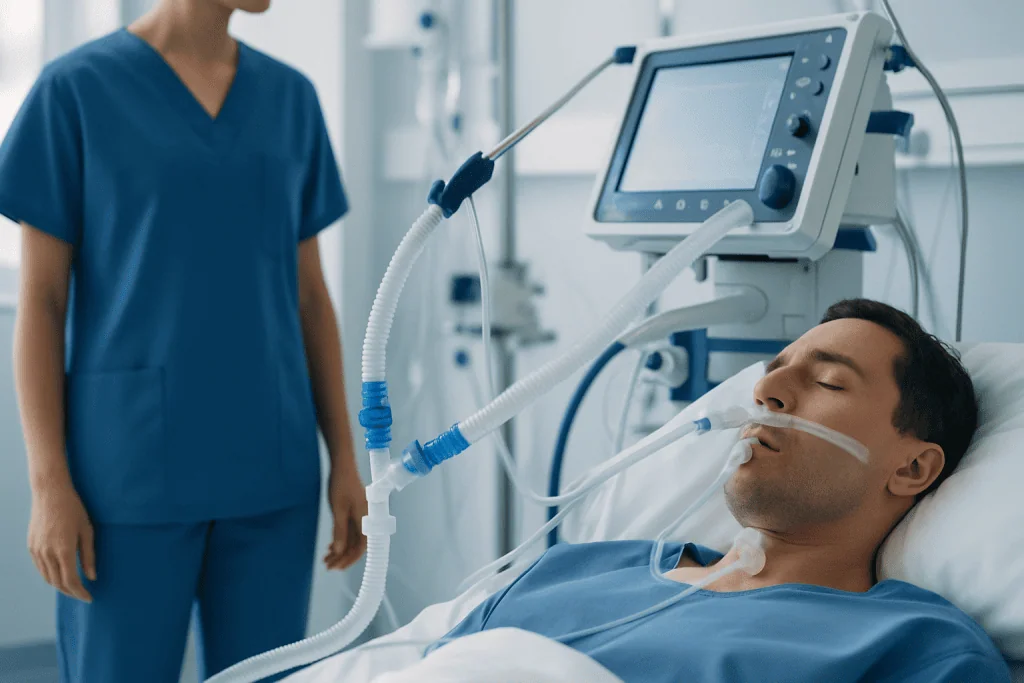
Many patients wake up with a breathing tube in the mouth or throat. The tube is connected to a ventilator, a machine that helps move air in and out of the lungs while anesthesia wears off. Because the tube passes through the vocal cords, the patient cannot speak while it is in place, but the team may encourage nodding, hand signals, or writing if possible.
The tube is removed when the patient is awake enough, can follow simple instructions, has stable oxygen levels, and is breathing with adequate strength. This process is called extubation. It is usually brief, and the nurse or respiratory therapist explains what is happening, asks the patient to cough or take a breath, and then removes the tube.
After the breathing tube comes out, the throat may feel sore or hoarse for a short time. Oxygen may be given through a face mask or small nasal tubes. The care team will encourage deep breathing, coughing, and use of a breathing exercise device if prescribed, because these steps help expand the lungs and reduce the risk of lung congestion.
Common Tubes and Lines After Bypass Surgery

Several tubes and lines are commonly used after CABG. They may look overwhelming, but each has a specific purpose. Nurses check them frequently and remove them when they are no longer needed.
Common temporary devices may include:
- Intravenous lines: These deliver fluids, pain medicine, blood pressure medicines, antibiotics, or other treatments directly into a vein.
- Arterial line: This small line in an artery allows continuous blood pressure monitoring and easy blood sampling.
- Central venous line: This larger IV line helps deliver medicines and may help assess circulation and fluid needs.
- Chest drains: These tubes remove fluid and air from around the heart and lungs after surgery.
- Urinary catheter: This drains urine so the team can monitor kidney function and fluid balance closely.
- Temporary pacing wires: These thin wires may be placed during surgery to help manage heart rhythm if needed.
Patients undergoing coronary artery bypass surgery should ask their care team which devices they are likely to have and when they may be removed. Removal timing varies depending on bleeding, breathing, rhythm, kidney function, mobility, and the surgeon’s assessment.
Monitors, Alarms, and ICU Checks
The ICU environment includes monitors that display heart rhythm, blood pressure, oxygen level, breathing rate, temperature, and other information. Sticky pads on the chest record the heart rhythm. A small clip on a finger, ear, or forehead checks oxygen saturation. Blood pressure may be measured through a cuff or through an arterial line.
Alarms are designed to alert staff when a number changes, a sensor slips, or a line needs attention. An alarm does not always mean there is an emergency. ICU nurses are trained to interpret alarms in context and will often adjust a sensor, check a reading, or evaluate the patient at the bedside.
Frequent checks are normal during the first hours after surgery. The team may ask the patient to squeeze a hand, move the feet, take deep breaths, rate pain, or answer simple questions. These assessments help confirm that anesthesia is wearing off as expected and that circulation to the heart, brain, kidneys, and limbs remains stable.
Pain Control and Comfort
Pain or pressure around the breastbone incision, chest drains, shoulders, back, or the area where a leg or arm blood vessel was taken can occur after bypass surgery. The goal is not always to remove every sensation completely, but pain should be controlled well enough for the patient to breathe deeply, cough, sleep, and begin gentle movement.
Pain control may include IV medicines at first, then tablets or liquid medicines as the patient can swallow safely. Some patients receive additional medicines to reduce nausea, itching, anxiety, or muscle discomfort. Because pain medicines can sometimes cause sleepiness, constipation, nausea, or slower breathing, the ICU team balances comfort with safety.
Patients should report pain early rather than waiting until it becomes severe. It helps to describe the pain location, intensity, and character, such as sharp, burning, aching, or pressure-like. Position changes, splinting the chest with a pillow when coughing, relaxation breathing, and support from nurses and physiotherapists can also improve comfort.
First Steps Toward Recovery
Once breathing, circulation, bleeding, and pain are stable, the team gradually reduces intensive support. The patient may sit up, dangle the legs at the side of the bed, stand with help, or take a short walk. Early movement supports lung function, circulation, bowel activity, and confidence, but it is always guided by staff during the early ICU period.
Nutrition also returns gradually. Patients may start with ice chips, sips of water, or clear liquids after the breathing tube is removed and swallowing is safe. Appetite may be low at first. The team may monitor blood sugar, electrolytes, blood counts, kidney tests, and fluid balance while the body adjusts after surgery.
As recovery continues, education begins. Patients learn how to protect the breastbone, care for incisions, take medicines safely, manage risk factors, and plan activity after discharge. Many people benefit from supervised cardiac rehabilitation after the early healing phase, because it combines monitored exercise, education, and lifestyle support.
When to Ask for Help or Call the Care Team
In the ICU, patients and families should speak up whenever something feels concerning. The team should be told about increasing chest pain, severe shortness of breath, new confusion, sudden weakness, dizziness, nausea that prevents drinking, uncontrolled pain, or a feeling that something has changed. Nurses would rather hear concerns early so they can assess and respond.
After leaving the ICU or hospital, patients should follow the discharge instructions closely and contact their doctor if they develop fever, worsening wound redness or drainage, increasing swelling, fainting, palpitations, shortness of breath, new leg pain or swelling, or pain that is not improving as expected. Emergency care may be needed for severe chest pain, severe breathing difficulty, stroke-like symptoms, or collapse.
International patients who need evaluation or treatment for coronary artery disease may be cared for by multidisciplinary heart teams in JCI-accredited Acibadem International hospitals, including specialists in cardiothoracic surgery, intensive care, cardiology, anesthesia, nursing, and rehabilitation. Each patient’s recovery plan should be individualized by the treating medical team.
Frequently asked questions
Will the patient be awake with the breathing tube after bypass surgery?
Some patients become partly awake while the breathing tube is still in place. This can feel strange because the patient cannot speak, but the ICU team monitors comfort and breathing closely. The tube is removed when the patient is alert enough and breathing safely.
Is pain normal after heart bypass surgery?
Yes, some pain or soreness is expected after a major chest operation. Pain may come from the breastbone incision, chest drains, muscles, or the area where a vessel was removed. The care team adjusts medication and comfort measures so the patient can breathe, cough, rest, and move safely.
Why are there chest tubes after bypass surgery?
Chest tubes drain fluid and air from around the heart and lungs after surgery. This helps the surgical area heal and allows the team to monitor bleeding or fluid output. They are usually removed when drainage has decreased and the surgeon considers it safe.
How long does a patient stay in the ICU after heart bypass surgery?
The length of ICU stay varies by the patient’s overall health, the type of surgery, and how recovery progresses. Many patients move to a regular cardiac unit after the earliest high-monitoring period, but some need longer observation. The treating team decides based on breathing, heart rhythm, blood pressure, bleeding, kidney function, and mobility.
Can family visit in the ICU after bypass surgery?
Visiting rules depend on the hospital, infection-control policies, and the patient’s condition. When visits are allowed, family members may see tubes and monitors that look unfamiliar but are routine after surgery. Staff can explain what they are seeing and how to support the patient calmly.
What helps recovery after leaving the ICU?
Helpful steps include taking medicines as prescribed, practicing breathing exercises, walking as advised, protecting the chest incision, eating a heart-healthy diet, and attending follow-up appointments. Patients should avoid lifting or driving until cleared by their doctor. A structured cardiac rehabilitation program may be recommended when the surgical team says it is appropriate.
References
- American Heart Association
- Society of Thoracic Surgeons
- European Society of Cardiology
- National Heart, Lung, and Blood Institute
- American Association of Critical-Care Nurses
This article is for general information only and is not a substitute for professional medical advice. Please consult a qualified doctor about your individual situation.
Heart Bypass Surgery in Turkey — costs, top hospitals & a free quote
JCI-accredited · board-certified surgeons · reply within 24h
Check your numbers in seconds
BMI, calories, due date, blood pressure and 30+ more clinical calculators — free, instant, doctor-reviewed ranges.