Waldenstrom Macroglobulinemia Treatment: How It Works, Results and What to Expect

Treatment is not always needed immediately; people without symptoms may be monitored closely. Targeted medicines and antibody-based treatments are central options for many patients.
Key Takeaways
- Treatment is not always needed immediately; people without symptoms may be monitored closely.
- Targeted medicines and antibody-based treatments are central options for many patients.
- Plasma exchange can rapidly reduce high blood thickness caused by excess IgM protein, but it does not treat the underlying cancer alone.
- Waldenstrom macroglobulinemia is often a long-term condition with periods of response and possible relapse.
- Regular follow-up with a hematologist-oncologist helps guide treatment timing and choice.
Waldenstrom macroglobulinemia treatment is individualized and may include active monitoring, targeted therapy, immunotherapy, chemotherapy, plasma exchange, or stem cell transplantation in selected situations. The goal is usually long-term disease control, symptom relief, and prevention of complications rather than immediate treatment for every person.
Overview: How Waldenstrom Macroglobulinemia Treatment Works
Waldenstrom macroglobulinemia treatment aims to reduce the number of abnormal lymphoplasmacytic cells and lower the level of immunoglobulin M (IgM), a protein these cells produce. It is a rare, slow-growing type of non-Hodgkin lymphoma that can affect the bone marrow, blood, lymph nodes, spleen, and other organs. Treatment is chosen according to symptoms, blood test results, disease activity, overall health, and personal priorities.
Not everyone needs treatment at diagnosis. If the condition is stable and causing no important symptoms or organ problems, careful active monitoring may be the safest approach. This involves scheduled appointments, examinations, and blood tests so that treatment can begin promptly if there are signs that the disease is becoming active.
When treatment is needed, modern care commonly combines antibody-based medicines, targeted treatments, and sometimes chemotherapy. The main goals are to improve anemia and other low blood counts, reduce fatigue and bleeding risk, relieve symptoms related to thickened blood, and support a durable response. A hematologist-oncologist can explain which approach fits the individual situation.
Who May Need Treatment and How Candidacy Is Decided
A diagnosis alone does not necessarily mean that treatment should start. Doctors generally consider therapy when Waldenstrom macroglobulinemia is causing clinically meaningful problems, such as worsening anemia, low platelets, troublesome enlarged lymph nodes or spleen, significant fatigue, weight loss, recurrent infections, or symptoms affecting the nerves.
High IgM levels can sometimes make the blood thicker than usual, known as hyperviscosity. This may cause headaches, blurred vision, dizziness, nose or gum bleeding, shortness of breath, or confusion. Hyperviscosity requires urgent assessment because prompt treatment, including plasma exchange when appropriate, can lower IgM in the bloodstream quickly.
Choosing treatment also involves evaluating heart and kidney function, infection history, other medicines, frailty, fertility considerations, and previous therapies. Genetic testing of the cancer cells, particularly for MYD88 and sometimes CXCR4 changes, may help the clinical team estimate how certain targeted medicines may work. The best plan is individualized rather than based on IgM level alone.
Treatment Steps: What to Expect From Assessment to Therapy

Before treatment begins, the care team confirms the diagnosis and establishes a baseline. This commonly includes blood counts, kidney and liver tests, IgM measurement, protein studies, and assessment for symptoms of hyperviscosity or nerve involvement. Bone marrow testing and imaging may be used to clarify the extent of disease or investigate symptoms.
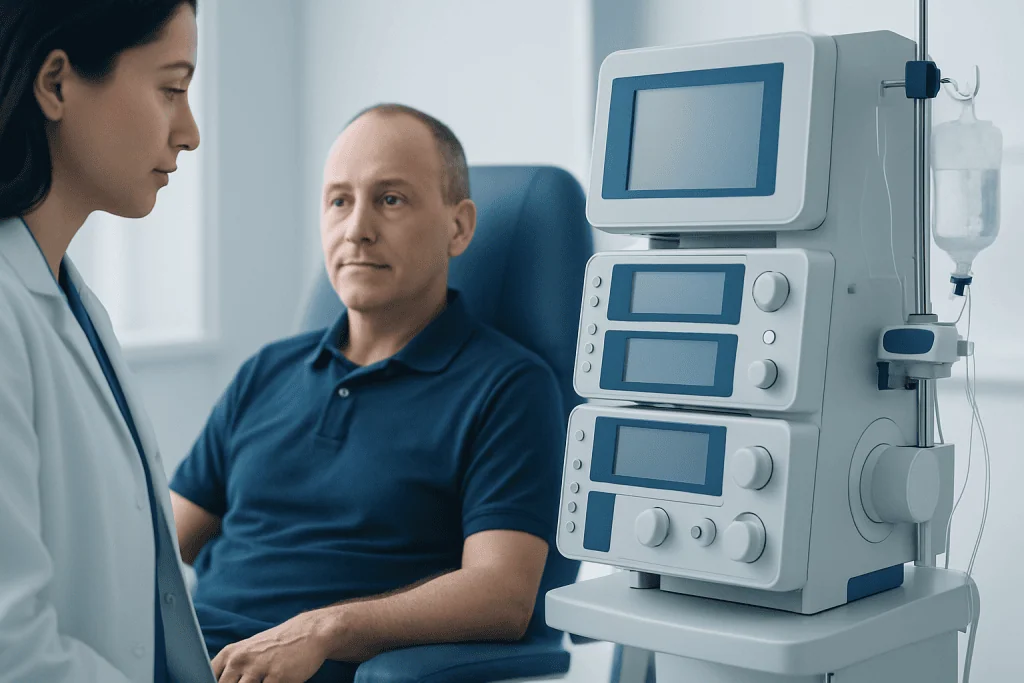
For people needing immediate reduction of blood thickness, plasma exchange may be performed first. During this procedure, blood is circulated through a machine that separates and removes plasma containing excess IgM, then returns blood cells with replacement fluid. It can improve hyperviscosity symptoms quickly, but systemic treatment is usually still needed to control the cells producing the IgM.
Systemic therapy may involve a monoclonal antibody that targets B cells, a targeted oral medicine that blocks cancer-cell signaling, chemotherapy-based combinations, or selected combinations of these treatments. Infusions may be delivered in a hospital outpatient unit, while some targeted therapies are taken at home. The exact schedule depends on the regimen, response, side effects, and whether treatment is time-limited or continued over a longer period.
During therapy, the team monitors symptoms, blood counts, IgM, infections, and treatment effects. IgM can occasionally rise temporarily after an antibody medicine is started, a phenomenon called an IgM flare. Clinicians anticipate this possibility and may adjust the sequence of treatment or use plasma exchange for people at higher risk of hyperviscosity.
Benefits, Risks and Recovery Timeline
Successful treatment can improve anemia, fatigue, bleeding symptoms, enlarged lymph nodes, nerve-related symptoms, and complications linked to high IgM. Responses often develop over weeks to months rather than immediately, and IgM levels may decrease gradually. Follow-up tests help show whether treatment is working, but symptom improvement and overall wellbeing are also important measures.
Recovery depends on the treatment used and the person’s health before therapy. Plasma exchange is usually performed over hours and may bring relatively rapid relief of hyperviscosity symptoms, although follow-up treatment is required. After infusion-based therapy, some people feel tired for a few days, while longer courses of targeted therapy may require ongoing monitoring over months or longer.
Potential side effects vary. Antibody infusions can cause infusion reactions, particularly during early doses. Targeted therapies can increase risks such as bruising or bleeding, infections, abnormal heart rhythm in some people, high blood pressure, or digestive symptoms. Chemotherapy can lower blood counts and raise infection risk. The care team may use preventive medicines, vaccinations when suitable, blood tests, and dose adjustments to reduce risks.
Stem cell transplantation is not routine first-line treatment but may be considered for selected people with relapsed disease who are fit enough for the procedure. It has potentially serious short- and long-term risks, so it is discussed carefully at a specialist center. Treatment decisions should always balance likely benefit, side effects, disease behavior, and quality of life.
Can You Go Into Remission With Waldenstrom?
Yes. Many people achieve remission or a major response after treatment for Waldenstrom macroglobulinemia. Remission means the disease has decreased substantially and is no longer causing active problems; it does not always mean that every abnormal cell has disappeared or that treatment will never be needed again.
Because this condition is usually chronic and can relapse, doctors often describe treatment goals as durable disease control. A remission can last for years, and if the condition becomes active again, effective additional treatment options may be available. The length and depth of response vary between individuals and treatments.
Follow-up remains important during remission. Regular review allows clinicians to monitor blood counts, IgM levels, symptoms, and late effects of treatment while avoiding unnecessary therapy when the disease is stable.
Can You Live 30 Years With Waldenstrom?
Some people do live for many years, including decades, after a diagnosis of Waldenstrom macroglobulinemia. The condition often progresses slowly, and treatment options have expanded over time. However, it is not possible to predict an individual person’s lifespan from the diagnosis alone.
Outlook is influenced by age, general health, anemia and other blood findings, genetic features of the disease, complications, treatment response, and other medical conditions. A treating hematologist can provide the most meaningful perspective using the person’s complete clinical information.
Long-term care focuses on controlling the lymphoma while also protecting general health. This may include infection prevention, management of heart or kidney conditions, attention to nutrition and physical activity as tolerated, and prompt review of new symptoms.
How Quickly Does Waldenstrom's Progress?
Waldenstrom macroglobulinemia often progresses slowly, and some people remain stable for years without requiring treatment. Others develop symptoms or changes in blood counts sooner. The speed of progression is variable, which is why planned surveillance is an active and important part of care.
Progression may be suggested by worsening anemia, falling platelet counts, rising IgM with symptoms, increased lymph node or spleen enlargement, nerve symptoms, constitutional symptoms such as fevers or unintentional weight loss, or complications from hyperviscosity. A rising IgM result alone does not always mean treatment must start.
People on active monitoring should attend scheduled appointments and report new or changing symptoms rather than waiting for the next test. This approach helps ensure that therapy begins at the appropriate time without exposing people to treatment risks earlier than necessary.
What Causes Death With Waldenstrom? When to Seek Medical Care
Most people with Waldenstrom macroglobulinemia do not die suddenly from the condition. When it becomes life-threatening, causes can include complications of progressive lymphoma, severe infections related to weakened immunity or treatment, serious bleeding, complications of hyperviscosity, organ damage, or—rarely—transformation into a more aggressive lymphoma. Other health conditions may also affect overall outcome, especially in older adults.
Urgent medical care is needed for sudden changes in vision, severe headache, confusion, fainting, chest pain, severe breathlessness, uncontrolled bleeding, or signs of serious infection such as fever with chills or feeling acutely unwell. These symptoms can have several causes, but they should be assessed promptly in someone with Waldenstrom macroglobulinemia.
A person should contact their hematology team soon for increasing fatigue, new shortness of breath, easy bruising, persistent fever, recurrent infections, numbness or tingling, new swelling, unexplained weight loss, or a clear decline in daily function. Acibadem International’s multidisciplinary specialists and JCI-accredited hospitals support diagnosis and treatment planning for international patients with complex blood cancers.
Frequently asked questions
Is Waldenstrom macroglobulinemia curable?
Waldenstrom macroglobulinemia is generally considered a chronic condition that is usually controllable rather than curable with standard treatment. Many people have long periods of remission or stable disease. New treatments may be used if the condition returns or stops responding to an earlier therapy.
What is the first treatment for Waldenstrom macroglobulinemia?
There is no single first treatment for everyone. Some people begin with active monitoring, while people with symptoms may receive antibody-based therapy, targeted treatment, chemotherapy-based combinations, or plasma exchange for hyperviscosity. The choice depends on symptoms, blood counts, IgM-related complications, genetics, and overall health.
Does a high IgM level always require treatment?
No. IgM is an important marker, but treatment decisions are not made from the number alone. Doctors also assess symptoms, blood thickness, anemia, platelet levels, organ effects, and the rate of change over time.
How often are follow-up visits needed?
The schedule varies according to whether a person is being monitored, receiving treatment, or in remission. Visits are often more frequent during active therapy and may be spaced further apart when the condition is stable. The treating team will set an individualized plan that includes blood tests and symptom review.
Can Waldenstrom macroglobulinemia cause nerve symptoms?
Yes. Some people develop numbness, tingling, burning discomfort, weakness, or balance difficulties, often related to IgM effects on peripheral nerves. Nerve symptoms should be discussed with a doctor because they may need assessment and can influence treatment choices.
What lifestyle changes help during treatment?
There is no lifestyle change that replaces medical treatment, but maintaining adequate nutrition, gentle physical activity as tolerated, sleep, and infection-prevention habits can support general wellbeing. People should discuss supplements, alcohol use, vaccinations, and new exercise plans with their clinical team, especially while receiving therapy.
References
- National Cancer Institute
- Leukemia & Lymphoma Society
- American Cancer Society
- International Waldenstrom's Macroglobulinemia Foundation
- European Society for Medical Oncology
This article is for general information only and is not a substitute for professional medical advice. Please consult a qualified doctor about your individual situation.
Oncology care in Turkey — second opinion and treatment plan
JCI-accredited · board-certified surgeons · reply within 24h
Add us as a Preferred Source to see more of our trusted health content across Google Search, AI Overviews and Discover.