Walking Pad vs Treadmill for Home Exercise
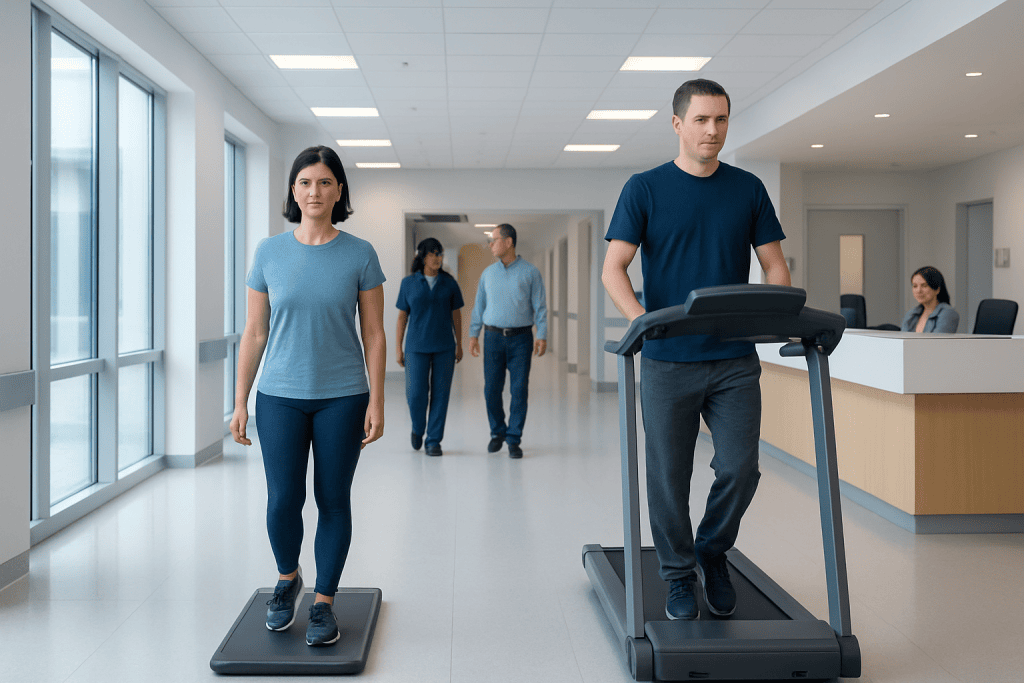
Walking pads are compact machines designed primarily for low- to moderate-speed walking. Standard treadmills usually have handrails, larger belts, more powerful motors, and higher speed settings.
Key Takeaways
- Walking pads are compact machines designed primarily for low- to moderate-speed walking.
- Standard treadmills usually have handrails, larger belts, more powerful motors, and higher speed settings.
- Neither machine is automatically safer; the right choice depends on balance, fitness level, symptoms, goals, and the home environment.
- People with chest symptoms, severe breathlessness, dizziness, or new joint pain should seek medical advice before continuing exercise.
- Starting gradually, using supportive footwear, and maintaining a clear exercise area can reduce injury risk.
Walking pads and treadmills both support indoor walking, but they differ in size, speed range, stability features, and the types of exercise they are designed to support. A walking pad is generally best for gentle, space-saving walking, whereas a treadmill is better suited to structured walking, incline training, and running when appropriate.
Walking Pad vs Treadmill: Side-by-Side Comparison
Walking pad vs treadmill usually comes down to intended use: a walking pad is a slim, portable device intended mainly for walking, while a conventional treadmill is a larger exercise machine that can support a wider range of walking and running workouts. Neither is inherently better for every person. The most suitable option depends on an individual’s mobility, exercise experience, available space, health conditions, and goals.
A walking pad may fit easily under a desk or bed and can make it simpler to add brief walking sessions to the day. A treadmill generally offers a longer and wider belt, handrails, controls within easy reach, and settings such as incline or higher speeds. These features may be useful for more structured training but also require more space and careful setup.
| Feature | Walking pad | Standard treadmill |
|---|---|---|
| Primary purpose | Gentle to moderate walking, often in compact spaces | Walking, brisk walking, incline exercise, and often running |
| Design | Low-profile, usually foldable or easy to store | Larger, fixed or folding frame with console and handrails |
| Speed range | Usually lower and focused on walking | Usually broader, including faster speeds |
| Handrails | May be absent or limited | Commonly included |
| Exercise feel | Convenient for short, steady movement breaks | More suitable for planned, progressive workouts |
| Best suited to | People seeking a compact way to walk more | People who want varied training and greater stability features |
Product specifications vary, so a person should review the manufacturer’s instructions, maximum user capacity, speed limits, maintenance requirements, and safety guidance before purchase or use. A machine should never be selected solely because it is small, powerful, or popular.
How a Clinician Tells the Difference That Matters
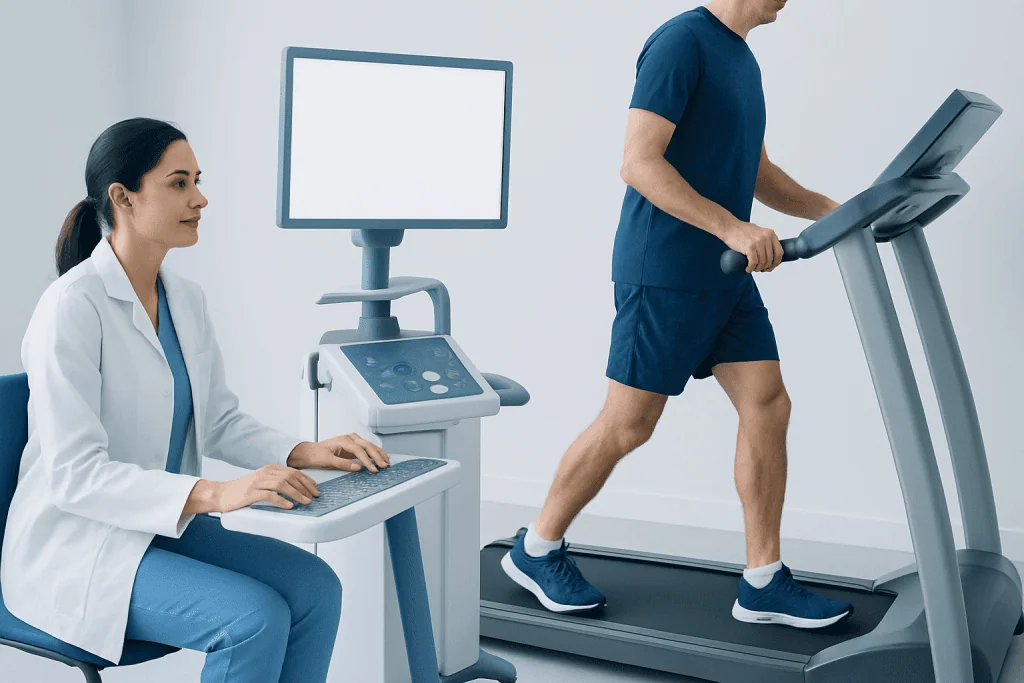
Doctors do not diagnose a person based on whether they use a walking pad or a treadmill. Instead, they assess how the equipment affects the person’s movement, symptoms, and ability to exercise safely. The clinically important distinction is often between controlled, comfortable walking and activity that triggers pain, instability, excessive fatigue, or concerning heart and breathing symptoms.
A clinician may ask what speed and duration are being used, whether the person holds onto rails, and whether symptoms occur during exercise, immediately afterward, or at other times. They may also ask about footwear, prior falls, arthritis, osteoporosis, heart or lung disease, diabetes, medications, and recent surgery. This information helps determine whether the equipment, the exercise intensity, or an underlying health issue may be contributing to difficulty.
Gait is another consideration. During an assessment, a healthcare professional may observe stride length, posture, foot placement, balance, arm swing, and the ability to turn or stop safely. A person who needs a handrail for balance may not be well served by a rail-free walking pad, even if the speed is low. Conversely, a person with steady balance and no limiting symptoms may use a walking pad comfortably for brief, regular walking sessions.
Clinicians also distinguish ordinary exercise sensations from warning symptoms. Mild muscle tiredness after a new activity can be expected, especially when activity increases quickly. Sharp or worsening joint pain, repeated near-falls, new limping, chest pressure, faintness, or unusual shortness of breath should not be dismissed as a normal adjustment to exercise.
What to Do if a Walking Pad Is the Better Fit

A walking pad may be a practical choice for someone whose main goal is to reduce prolonged sitting and build a regular walking habit. It can be particularly useful for short sessions at home, gentle walking after long periods of desk work, or gradual activity progression for people who are otherwise inactive. Its compact form may remove some of the barriers associated with travelling to a gym or setting aside a long workout period.
For safety, the walking pad should be placed on a firm, level surface with enough clear space around it. Loose rugs, cables, pets, and furniture near the belt can increase the risk of tripping. The user should begin at a low speed, step on and off only when the belt is fully stopped, and avoid multitasking if it reduces attention to balance or foot placement.
People new to activity can start with short, comfortable walks and increase one element at a time, such as duration, frequency, or pace. The appropriate pace is individual. During moderate activity, many people can still speak in short sentences, though they may breathe faster. A person should slow down or stop if they feel unsteady, develop pain, or cannot recover comfortably after exercise.
A walking pad without handrails is not ideal for everyone. Older adults with a history of falls, people with significant balance concerns, and those recovering from injury may need a more stable setup or a supervised rehabilitation plan. A physiotherapist or doctor can help determine whether independent walking equipment is appropriate.
What to Do if a Treadmill Is the Better Fit
A standard treadmill may suit a person who wants more options for cardiovascular training, including brisk walking, gradual incline work, or running. The longer belt and handrails can provide a more familiar and stable environment for many users. However, handrails are intended for support when getting on or off and for short periods of balance assistance; leaning heavily on them during exercise can alter posture and reduce natural walking mechanics.
Before increasing speed or incline, a person should be able to walk comfortably with good posture at a lower setting. Sudden increases can overload the calves, Achilles tendons, knees, hips, or lower back. People returning to exercise after illness, injury, pregnancy, or a long inactive period may benefit from a gradual plan rather than attempting a previous fitness level immediately.
Running is higher impact than walking and is not necessary for cardiovascular health. For some people, brisk walking provides an effective and more comfortable form of aerobic activity. If running causes persistent pain or symptoms, a clinician may recommend changing the pace, reducing impact, trying another type of exercise, or arranging an assessment rather than pushing through discomfort.
People with known cardiovascular disease, uncontrolled blood pressure, diabetes-related nerve problems in the feet, or significant joint disease should ask their healthcare professional what type and intensity of exercise is suitable. Individual advice is especially important after a heart event, stroke, surgery, or a recent musculoskeletal injury.
Comfort, Joint Health, and Safe Exercise Progression
Both walking pads and treadmills can contribute to physical activity, which supports general health, mood, sleep, and functional fitness. The benefits come from regular, sustainable movement rather than from the type of machine alone. A person is more likely to continue exercising when the equipment is comfortable, accessible, and matched to their current ability.
Supportive, well-fitting shoes can improve comfort and reduce the chance of slipping. Warm-up can be as simple as beginning at an easy pace for several minutes. After exercise, it is reasonable to notice how the body feels later that day and the following morning. Increasing activity too quickly is more likely to cause overuse symptoms than steady, gradual progression.
Muscle soreness that is mild, symmetrical, and improving over several days can occur after unfamiliar activity. In contrast, one-sided swelling, a sudden sharp pain, pain that changes normal walking, or symptoms that recur each time the machine is used deserve attention. People with persistent knee, hip, foot, or back symptoms may need assessment for conditions such as osteoarthritis, tendon problems, nerve irritation, or poor movement mechanics.
Cross-training can help some people avoid repetitive strain. Depending on health status and preferences, this may include cycling, swimming, strength exercises, stretching, or professionally guided rehabilitation. Rest days and recovery remain important, particularly after harder or longer sessions.
When to Seek Medical Care
A person should stop exercising and seek urgent medical care for chest pain or pressure, fainting, severe difficulty breathing, a fast or irregular heartbeat with feeling unwell, or sudden weakness or numbness. These symptoms may not be caused by the exercise machine itself and should be assessed promptly.
Medical advice should also be arranged for new or worsening joint pain, repeated falls or near-falls, persistent dizziness, swelling in one leg, pain that prevents normal walking, or shortness of breath that seems out of proportion to the activity. A doctor can review possible causes and advise on safe activity modifications.
For people with a long-term condition or recent injury, a clinician can help set realistic exercise goals and identify whether a walking pad, treadmill, outdoor walking, or supervised rehabilitation is the safest starting point. Acibadem International’s multidisciplinary specialists and JCI-accredited hospitals can assess exercise-related concerns and support international patients who need an individualized care plan.
Choosing Between a Walking Pad and a Treadmill
The simplest choice is usually the machine a person can use safely and consistently. A walking pad may be appropriate for convenient, lower-intensity indoor walking in a small home. A treadmill may be more appropriate for someone who wants handrails, a larger walking surface, or the option to progress to faster walking or running.
Before deciding, it can help to consider practical questions: Is there adequate clear space? Is the floor level? Will the user need handrails for confidence or balance? Is the aim to take several short walks or to complete planned workouts? Can the user step on, stop, and step off without difficulty? These questions are often more useful than comparing speed settings alone.
Whichever device is chosen, a sustainable routine should remain flexible. Walking outdoors, taking movement breaks, and choosing enjoyable forms of activity can all contribute to health. Equipment is a tool, not a test of fitness, and exercise should be adapted when the body signals a need for rest or professional advice.
Frequently asked questions
Is a walking pad the same as a treadmill?
A walking pad is a type of compact walking machine, but it is not the same as a standard treadmill. It usually has a smaller profile, lower speed range, and fewer stability features. Standard treadmills are generally designed for a broader range of walking and, in many models, running.
Is a walking pad safe for older adults?
It may be safe for some older adults, particularly those with steady balance and no concerning symptoms during walking. However, rail-free designs may not be suitable for people with a history of falls, dizziness, significant weakness, or difficulty stepping on and off equipment. A healthcare professional can provide individualized guidance.
Can a walking pad help with weight management?
Regular walking can contribute to energy use and support weight management as part of an overall approach that includes nutrition, sleep, and other lifestyle factors. A walking pad can make it easier to be active consistently, but it does not guarantee weight loss. Sustainable habits are more important than the specific machine used.
Should a person use handrails on a treadmill?
Handrails can improve safety when stepping on or off and may provide brief support if needed. Constantly gripping or leaning on them during exercise may affect posture and walking form. Anyone who requires continuous support for balance should discuss the safest exercise options with a clinician or physiotherapist.
Which is better for knee pain: a walking pad or a treadmill?
Neither device is automatically better for knee pain. Comfort may depend on pace, walking form, footwear, belt cushioning, incline, and the underlying cause of pain. A person should use a comfortable level surface, avoid rapid progression, and seek medical advice if pain is sharp, swollen, persistent, or worsening.
When should exercise-related shortness of breath be checked?
Breathing faster during moderate exercise can be normal, especially when beginning a new routine. Shortness of breath that is severe, unexpected, accompanied by chest discomfort, dizziness, fainting, or palpitations needs urgent medical assessment. Persistent breathlessness with everyday activity should also be discussed with a doctor.
References
- American Heart Association
- American College of Sports Medicine
- Centers for Disease Control and Prevention
- National Institute on Aging
- World Health Organization
This article is for general information only and is not a substitute for professional medical advice. Please consult a qualified doctor about your individual situation.
Explore treatments in Turkey — costs, top hospitals & a free quote
JCI-accredited · board-certified surgeons · reply within 24h
Add us as a Preferred Source to see more of our trusted health content across Google Search, AI Overviews and Discover.