Wash in Hand: What Patients Need to Know
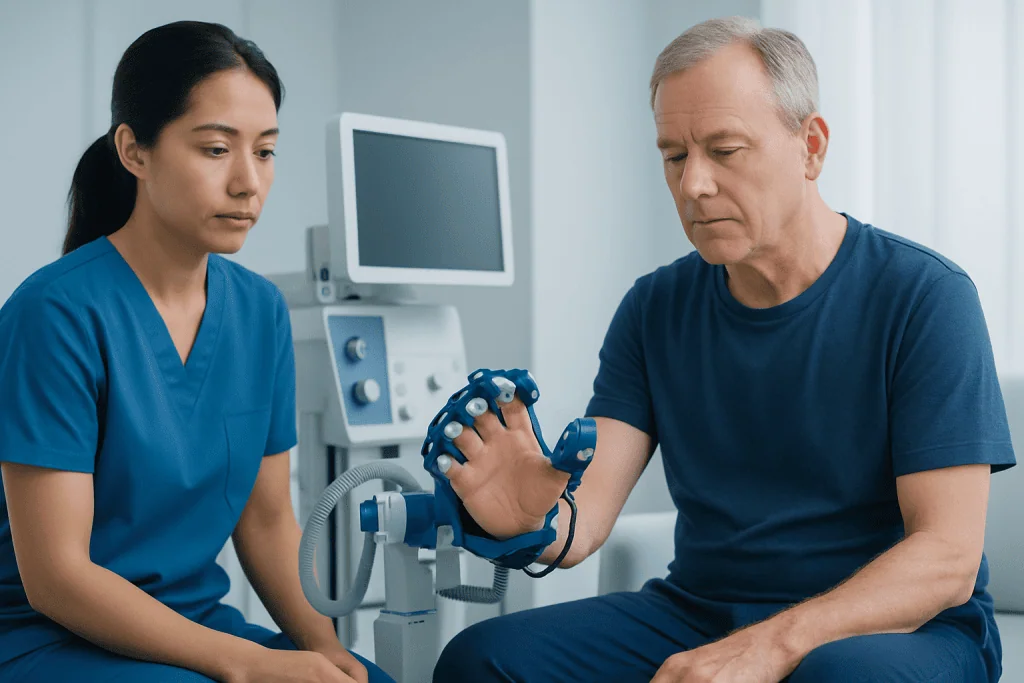
Wash in hand usually describes hand wasting, weakness, or loss of muscle bulk. It is a symptom that may result from nerve compression, injury, muscle disease, or neurological conditions.
Key Takeaways
- Wash in hand usually describes hand wasting, weakness, or loss of muscle bulk.
- It is a symptom that may result from nerve compression, injury, muscle disease, or neurological conditions.
- Early assessment can help identify treatable causes and may prevent worsening weakness.
- Diagnosis often involves a physical examination, nerve testing, and sometimes imaging or blood tests.
- Persistent weakness, numbness, visible muscle loss, or difficulty using the hand should be medically evaluated.
Wash in hand commonly refers to visible thinning, weakness, or loss of muscle bulk in the hand rather than a normal variation. It is a symptom, not a diagnosis, and it can be linked to nerve compression, muscle disorders, injury, or less commonly broader neurological disease.
What does "wash in hand" mean?
Wash in hand is a term many patients use when they notice that one hand looks thinner, feels weaker, or seems to be losing muscle. In medical practice, this concern is more often described as hand wasting, muscle loss in the hand, or hand weakness. It is not a disease by itself. Instead, it is a sign that the muscles, nerves, or both may not be working normally.
The small muscles of the hand help with grip, pinching, writing, buttoning clothes, and many other daily tasks. If these muscles become smaller or weaker, a person may notice reduced strength, clumsiness, cramping, or changes in hand shape. Sometimes the difference is subtle at first and becomes more noticeable over time.
There are several possible explanations. A common group of causes involves pressure on a nerve, such as carpal tunnel syndrome or compression of the ulnar nerve near the elbow or wrist. Other causes include previous injury, overuse, neck problems that affect the nerves, certain muscle disorders, and some neurological conditions. Because the range of causes is broad, proper medical assessment is important.
How hand wasting or weakness may appear
People do not always describe this problem in the same way. Some say the hand looks “sunken” between the thumb and index finger. Others notice that rings fit differently, the hand tires more easily, or one side of the hand seems thinner than the other. Visible change may involve the thumb base, the spaces between the fingers, or the small muscles along the little finger side of the hand.
Symptoms can develop gradually or appear after an injury or a period of repetitive strain. In some people, weakness comes first and visible muscle loss follows later. In others, numbness, tingling, or nighttime discomfort appear before any change in appearance. Daily tasks such as opening jars, typing, holding a pen, or gripping objects may become more difficult.
- Reduced grip strength
- Difficulty pinching or spreading the fingers
- Numbness or tingling in the fingers
- Hand cramping or fatigue
- Visible thinning of hand muscles
- Dropping objects more often
These symptoms do not automatically mean a serious disease is present. However, persistent or worsening changes deserve evaluation, especially if they affect function or involve only one hand in a noticeable way.
Common causes and risk factors
One of the most common reasons for wash in hand is a problem affecting the nerves that control hand muscles. The median nerve can be compressed at the wrist in carpal tunnel syndrome, which may lead to numbness, tingling, and in longer-standing cases weakness at the base of the thumb. The ulnar nerve may be compressed at the elbow or wrist, causing weakness and thinning in the small muscles of the hand, especially around the little finger and between the fingers.
Neck conditions can also play a role. If a nerve root in the cervical spine is compressed or irritated, pain, numbness, and weakness may travel down the arm into the hand. Past fractures, tendon injuries, cuts, or long-term pressure on the hand or elbow can affect how the hand muscles function. Repetitive hand use at work or during sports may increase strain in some people, although repetitive activity alone does not explain every case.
Less commonly, hand wasting may be related to muscle disease, inflammatory conditions, diabetes-related nerve damage, vitamin deficiencies, or broader neurological disorders. Age, diabetes, thyroid disease, smoking, previous injury, and jobs involving prolonged vibration or repeated wrist and elbow positioning may raise risk. When symptoms are unexplained or progressive, a clinician may also consider conditions such as ALS or other nerve disorders, although these are far less common than compression neuropathies.
How doctors diagnose the cause
Diagnosis starts with a detailed history and physical examination. A doctor will ask when the symptoms began, whether they are getting worse, whether there is numbness or pain, and whether the person has had injury, repetitive strain, diabetes, thyroid disease, or neck symptoms. The pattern of weakness and the exact location of visible muscle loss can provide important clues.
During the examination, the doctor may test grip strength, finger movement, reflexes, sensation, and muscle bulk in both hands. The neck, shoulder, elbow, and wrist may also be assessed because the source of the problem is not always in the hand itself. If nerve compression is suspected, tests such as tapping over a nerve or checking hand position may reproduce symptoms.
Further testing may include nerve conduction studies and electromyography to evaluate how nerves and muscles are functioning. Imaging such as X-ray, ultrasound, or MRI may be used when injury, structural compression, or cervical spine disease is suspected. Blood tests may help look for diabetes, vitamin deficiency, thyroid disease, inflammation, or other medical contributors. The goal is not only to confirm weakness, but to find the specific underlying cause so treatment can be matched appropriately.
Treatment options and what recovery may involve
Treatment depends on the cause. If a compressed nerve is responsible, reducing pressure on that nerve is the main aim. This may involve activity changes, splinting, ergonomic adjustments, physical or occupational therapy, anti-inflammatory strategies advised by a doctor, or treatment of an underlying condition such as diabetes or thyroid disease. Therapy often focuses on maintaining range of motion, improving strength where possible, and protecting hand function during daily tasks.
When symptoms are due to carpal tunnel syndrome or another localized compression problem, more targeted treatment may be recommended. Some patients benefit from carpal tunnel release surgery when conservative measures do not provide enough relief or when weakness is progressing. If imaging or nerve testing points to a neck-related cause, evaluation by specialists in spine surgery or non-surgical spine care may be appropriate depending on severity and findings.
Recovery varies. Nerves heal slowly, so improvement may take weeks to months even after the cause is treated. If muscle wasting has been present for a long time, full recovery may not always occur, which is why early evaluation matters. In more complex cases involving neurology or hand surgery, multidisciplinary care can help guide diagnosis and treatment. Near the end of the care pathway, patients may also seek coordinated assessment at centers such as Acibadem International, where multidisciplinary specialists in JCI-accredited hospitals diagnose and treat hand, nerve, and spine-related conditions for international patients.
Self-care, prevention, and protecting hand function
Self-care cannot replace medical diagnosis, but it can help reduce strain and support hand health. People who work with keyboards, tools, or repetitive hand motions may benefit from posture changes, regular breaks, and better wrist and elbow positioning. Avoiding prolonged pressure on the elbow, especially when leaning on hard surfaces, can help protect the ulnar nerve.
If a doctor suspects a compression neuropathy, nighttime splinting or targeted hand therapy may be suggested. General health also matters. Good control of diabetes, attention to thyroid health, balanced nutrition, and avoiding smoking may support nerve and muscle health over time. Exercise should be guided by symptoms; pushing through worsening weakness or numbness is not advisable.
- Take regular breaks during repetitive hand tasks
- Use ergonomic tools or workstation adjustments
- Avoid leaning on the elbows for long periods
- Seek assessment for persistent numbness or weakness
- Manage chronic conditions that can affect nerves
Because hand weakness can affect safety and independence, it is sensible to address symptoms early rather than waiting for visible wasting to progress. A clinician can advise whether hand therapy, nerve evaluation, or specialist referral is the next best step.
When to seek medical care
Medical care should be sought if wash in hand does not improve, is getting worse, or is affecting daily tasks. Visible muscle loss, reduced grip strength, persistent numbness, or frequent dropping of objects are all good reasons to arrange an evaluation. Early review is especially important when symptoms involve only one hand and have no clear explanation.
Prompt assessment is also recommended if hand symptoms are accompanied by neck pain, arm weakness, severe pain, or symptoms that wake a person at night. Sudden weakness after an injury, a deep cut, or significant swelling may need urgent attention. Emergency care is appropriate if hand weakness appears suddenly with facial drooping, speech difficulty, severe arm weakness, or other signs that could suggest a stroke or another acute neurological problem.
If a compression problem is confirmed, treatment may range from hand therapy to a focused procedure such as peripheral nerve surgery in selected cases. The key point is that wash in hand is a symptom worth understanding, not ignoring, because many underlying causes are treatable or can be better managed when identified early.
Frequently asked questions
Is wash in hand a disease?
No. Wash in hand is not a formal disease name. It usually describes a symptom such as hand wasting, visible muscle loss, or weakness that needs medical evaluation to find the cause.
Can carpal tunnel syndrome cause hand wasting?
Yes, it can in more advanced or long-standing cases. Carpal tunnel syndrome may weaken the muscles at the base of the thumb, especially if the median nerve has been compressed for a prolonged time.
Is hand muscle loss always permanent?
Not always. Some people improve when the underlying cause is treated early, especially in compression-related nerve problems. Recovery may take time, and long-standing muscle loss may not fully reverse.
What kind of doctor should evaluate wash in hand?
A primary care doctor can start the evaluation and decide on referral if needed. Depending on the findings, care may involve neurology, orthopedics, hand surgery, physical medicine and rehabilitation, or spine specialists.
What tests are commonly used?
Doctors often begin with a physical examination and a review of symptoms and medical history. They may then recommend nerve conduction studies, electromyography, blood tests, or imaging such as ultrasound or MRI based on the suspected cause.
When is hand weakness an emergency?
Sudden hand weakness with facial drooping, trouble speaking, severe arm weakness, or other abrupt neurological symptoms needs emergency care. Weakness after major injury, deep laceration, or rapidly increasing swelling also deserves urgent assessment.
References
- National Institute of Neurological Disorders and Stroke
- American Academy of Orthopaedic Surgeons
- American Society for Surgery of the Hand
- National Institute of Arthritis and Musculoskeletal and Skin Diseases
- Mayo Clinic
This article is for general information only and is not a substitute for professional medical advice. Please consult a qualified doctor about your individual situation.
Explore treatments in Turkey — costs, top hospitals & a free quote
JCI-accredited · board-certified surgeons · reply within 24h
Add us as a Preferred Source to see more of our trusted health content across Google Search, AI Overviews and Discover.

More from the Health Library

Brewers Yeast Benefits: What Patients Need to Know

Alogia: Symptoms, Causes, and Treatment — Complete Patient Guide

Blueberry — Explained by Medical Evidence, Not Myths

Labored Breathing: A Complete Medical Overview
Small Blisters on Fingers: What Patients Need to Know