Labored Breathing: A Complete Medical Overview

Labored breathing is a symptom that can involve fast breathing, chest tightness, effortful breathing, or a feeling of not getting enough air. Common causes include asthma, infections, chronic lung disease, heart conditions, allergic reactions, and anxiety, but the exact reason is not always obvious without evaluation.
Key Takeaways
- Labored breathing is a symptom that can involve fast breathing, chest tightness, effortful breathing, or a feeling of not getting enough air.
- Common causes include asthma, infections, chronic lung disease, heart conditions, allergic reactions, and anxiety, but the exact reason is not always obvious without evaluation.
- Emergency care is important if breathing difficulty is sudden, severe, associated with chest pain, blue lips, confusion, or fainting.
- Doctors diagnose the cause using a medical history, physical exam, oxygen measurement, and sometimes imaging, blood tests, or lung and heart testing.
- Treatment depends on the cause and may include inhaled medicines, oxygen, antibiotics, allergy treatment, or care for heart or lung disease.
Labored breathing means breathing feels unusually hard, strained, or uncomfortable, and it can happen for many reasons ranging from a mild infection to a heart or lung problem. It is a symptom rather than a disease itself, so medical evaluation focuses on finding and treating the underlying cause.
Overview: What labored breathing means
Labored breathing is a general term for breathing that feels harder than usual. A person may notice they are working to breathe, breathing faster, using neck or chest muscles to pull in air, or feeling unable to take a satisfying breath. Some people describe it as shortness of breath, air hunger, chest tightness, or an unusual effort with each breath.
It is important to understand that labored breathing is a symptom, not a diagnosis. It can develop because of problems in the lungs, airways, heart, blood, or even the body’s response to stress. In some situations it comes on gradually, such as with an infection or chronic lung condition. In others, it starts suddenly and needs urgent care.
The body depends on efficient breathing to bring oxygen in and remove carbon dioxide. When that system is disrupted, the body may compensate by breathing faster or harder. This is why labored breathing can look different from one person to another. It may occur at rest, during exercise, when lying flat, or only during episodes triggered by allergens, infection, or anxiety.
Because the range of causes is broad, the safest approach is to look at the whole pattern: how quickly symptoms started, what other symptoms are present, and whether there are known medical conditions such as asthma, heart disease, or chronic obstructive pulmonary disease. This helps clinicians decide whether the problem is mild, urgent, or an emergency.
How labored breathing feels and looks
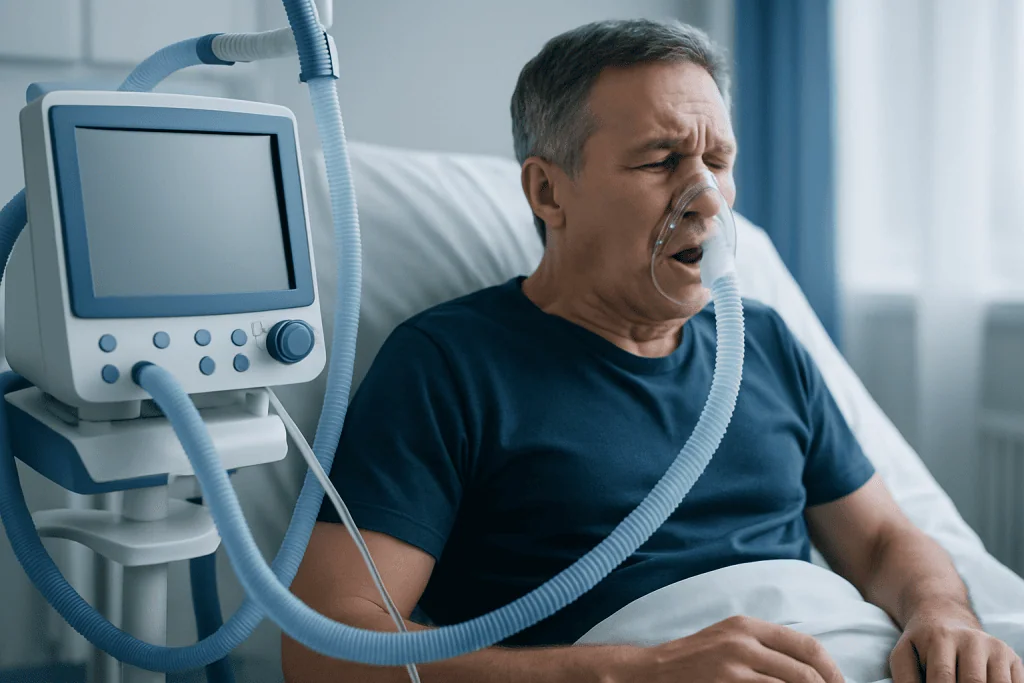
People experience labored breathing in different ways. Some primarily feel chest tightness or wheezing, while others notice fast, shallow breathing, difficulty speaking full sentences, or a sense that they cannot get enough air. The symptom may be mild and brief, or it may interfere with walking, climbing stairs, sleeping, or daily activities.
Visible signs can also help identify breathing distress. A person may breathe through an open mouth, flare the nostrils, or use the muscles between the ribs, in the neck, or above the collarbone to pull in air. In children, these signs can be especially noticeable. Sweating, agitation, and unusual fatigue can appear as the body works harder to oxygenate itself.
Other symptoms often provide clues about the cause. Wheezing may suggest narrowed airways, fever and cough may point to infection, and leg swelling or trouble breathing when lying flat may suggest a heart-related issue. If symptoms occur with hives, throat swelling, or sudden hoarseness, an allergic reaction may be involved.
- Breathing faster than usual
- Chest tightness or heaviness
- Wheezing or noisy breathing
- Difficulty speaking because of breathlessness
- Feeling faint, weak, or unusually tired
- Worsening symptoms with activity or when lying down
Common causes and risk factors

Many cases of labored breathing start in the lungs or airways. Asthma can narrow the airways and make breathing effortful, especially after exposure to allergens, exercise, smoke, or respiratory infections. Bronchitis, pneumonia, influenza, and other respiratory infections can inflame the airways or fill air spaces in the lungs with fluid or mucus. Chronic conditions such as chronic obstructive pulmonary disease can also cause ongoing or episodic breathing difficulty.
Heart conditions are another important group of causes. When the heart is not pumping effectively, fluid can build up in the lungs and make breathing difficult, especially when lying flat or during activity. Chest pain, palpitations, and swelling in the legs may occur at the same time. In some people, shortness of breath can be the main sign of a cardiac problem rather than a classic pain symptom.
Labored breathing may also result from anemia, obesity, severe allergic reactions, blood clots in the lungs, exposure to smoke or chemicals, or anxiety and panic attacks. Anxiety-related breathing difficulty is real and distressing, but it should not be assumed without considering other medical causes, especially if symptoms are new or unusual.
Certain factors raise the risk of breathing problems. These include smoking, a history of asthma or lung disease, heart disease, recent surgery, reduced mobility, obesity, older age, exposure to pollution or workplace irritants, and recent respiratory infection. People with a known condition such as asthma may recognize familiar patterns, but even then, worsening symptoms deserve medical review.
How doctors evaluate labored breathing
Diagnosis begins with a careful history and physical examination. Doctors usually ask when the breathing difficulty started, whether it came on suddenly or gradually, what makes it better or worse, and whether there are symptoms such as cough, fever, chest pain, wheezing, swelling, or recent allergen exposure. They also ask about medical conditions, medications, smoking, travel, recent surgery, and family history.
The physical exam focuses on breathing rate and effort, oxygen levels, heart rate, blood pressure, and lung and heart sounds. A pulse oximeter on the finger can quickly estimate oxygen saturation. The clinician also looks for signs such as blue lips, swelling, fever, dehydration, or anxiety, all of which can help narrow the cause.
Further tests are chosen based on the suspected reason for the symptom. A chest X-ray may help look for infection, fluid, or other lung changes. Blood tests can check for infection, anemia, or strain on the heart. An electrocardiogram and other cardiac evaluation may be used when a heart problem is possible. In some cases, doctors may recommend pulmonary function tests to assess airway narrowing or other breathing disorders.
Depending on the presentation, more advanced evaluation may include imaging of the chest, allergy assessment, or procedures such as bronchoscopy to examine the airways directly. The goal is not only to confirm the cause but also to understand how severe the problem is and whether immediate treatment is needed.
Treatment options depend on the underlying cause
There is no single treatment for labored breathing because the symptom can have many causes. The first priority is always to make breathing safer and easier. In a medical setting, this may involve monitoring oxygen levels, helping the person sit upright, and providing oxygen if needed. At the same time, doctors work to identify and treat the underlying problem.
If airway narrowing is present, treatment may include inhaled medicines that open the airways or reduce inflammation. For infection, the plan may involve supportive care and, in some cases, antibiotics if a bacterial cause is likely. Severe allergic reactions require urgent treatment. Heart-related causes are managed by addressing the heart problem and any fluid buildup affecting the lungs.
People with chronic lung disease may benefit from a longer-term plan that includes inhaler technique review, trigger avoidance, vaccinations, exercise guidance, and pulmonary follow-up. In selected cases, oxygen therapy or more advanced interventions may be considered. When structural or severe airway or lung problems are found, clinicians may discuss specialized respiratory treatments, including oxygen therapy as part of supportive care.
Anxiety-related breathing difficulty is managed differently, but only after serious medical causes have been considered. Reassurance, guided breathing techniques, and treatment of underlying anxiety may help. Because self-diagnosis can be misleading, persistent or recurrent symptoms should still be discussed with a qualified clinician.
Self-care, prevention, and living with recurrent symptoms
Self-care begins with knowing personal triggers and having a plan. For people with asthma or chronic respiratory disease, using prescribed medicines correctly and following an action plan can reduce flare-ups. Avoiding tobacco smoke, vaping, environmental dust, and known allergens can also help lower the frequency of symptoms.
General prevention supports lung and heart health. Staying up to date with recommended vaccines, treating respiratory infections promptly, maintaining physical activity as tolerated, and managing conditions such as high blood pressure, reflux, or obesity may reduce breathing strain over time. Good hydration and rest can also help during mild respiratory illnesses.
If symptoms tend to occur with exertion, it can be useful to pace activity and rest before becoming overly breathless. However, unexplained worsening exercise tolerance should not simply be pushed through. It may be a sign that a medical condition is changing. People with chronic symptoms often benefit from keeping track of when symptoms happen, what triggers them, and whether rescue medications help.
Near the end of the care journey, some patients need coordinated support from multiple specialists. Acibadem International’s multidisciplinary specialists and JCI-accredited hospitals evaluate breathing complaints in international patients and may coordinate respiratory, cardiology, imaging, and supportive care when needed.
When to seek medical care
Medical assessment is appropriate whenever labored breathing is new, persistent, recurrent, or unexplained. It is also important if symptoms are getting worse, limiting activity, or accompanied by cough, fever, wheezing, chest discomfort, or swelling. Even when symptoms seem to come from anxiety or a familiar respiratory condition, a change in pattern should be reviewed by a doctor.
Urgent or emergency care is needed if breathing difficulty is sudden, severe, or associated with chest pain, blue lips or face, confusion, fainting, inability to speak full sentences, or signs of a severe allergic reaction such as throat swelling or widespread hives. These symptoms can indicate a problem that requires immediate treatment.
Children, older adults, pregnant patients, and people with heart or lung disease should be assessed sooner rather than later because they may become unwell more quickly. If there is any doubt about how serious the symptom is, seeking prompt medical advice is the safest option.
Frequently asked questions
Is labored breathing the same as shortness of breath?
They are closely related, but not always identical. Shortness of breath describes the sensation of not getting enough air, while labored breathing often emphasizes the visible or physical effort involved in breathing. Many people use the terms interchangeably in everyday language.
Can anxiety cause labored breathing?
Yes, anxiety and panic can cause a real feeling of breathlessness, chest tightness, and fast breathing. However, anxiety should not be assumed to be the cause until other medical problems have been considered, especially if symptoms are new, severe, or different from usual.
When is labored breathing an emergency?
It is an emergency if it starts suddenly, becomes severe, or comes with chest pain, blue lips, confusion, fainting, or an inability to speak in full sentences. Emergency care is also needed if there are signs of a severe allergic reaction, such as throat swelling or widespread hives.
What tests might be done for labored breathing?
Doctors may use a physical exam, oxygen measurement, blood tests, chest imaging, and heart testing depending on the situation. If a chronic airway problem is suspected, lung function testing may also be recommended. The exact tests depend on the person’s symptoms and medical history.
Can labored breathing go away on its own?
Sometimes it can, especially if it is related to a mild, short-lived trigger such as temporary congestion or brief anxiety. But because it can also signal a serious heart, lung, or allergic condition, persistent, unexplained, or worsening symptoms should not be ignored.
How is labored breathing treated at home?
Home care depends on the known cause and should follow a clinician’s advice. Common steps may include resting upright, avoiding smoke or triggers, using prescribed inhalers correctly, and monitoring symptoms. Home treatment is not a substitute for medical assessment if symptoms are severe or unusual.
This article is for general information only and is not a substitute for professional medical advice. Please consult a qualified doctor about your individual situation.
Explore treatments in Turkey — costs, top hospitals & a free quote
JCI-accredited · board-certified surgeons · reply within 24h
Add us as a Preferred Source to see more of our trusted health content across Google Search, AI Overviews and Discover.

More from the Health Library

Spigelian Hernia: An Evidence-Based Guide for Patients

Prosthetic Arm: A Complete Medical Overview

Mastodynia: A Complete Medical Overview

Trigger Finger Workout: A Complete Medical Overview

Vibration in Whole Body — Explained by Medical Evidence, Not Myths