Water Breaking: An Evidence-Based Guide for Patients

Water breaking is the rupture of the amniotic sac before or during labor. It may feel like a sudden gush or a constant slow leak of clear fluid.
Key Takeaways
- Water breaking is the rupture of the amniotic sac before or during labor.
- It may feel like a sudden gush or a constant slow leak of clear fluid.
- Any suspected fluid leak in pregnancy should be reported to a healthcare professional promptly.
- Color, odor, timing, and accompanying symptoms help guide next steps.
- Urgent assessment is especially important if fluid is green, brown, bloody, or if there is fever, decreased fetal movement, or preterm pregnancy.
Water breaking means the amniotic sac has ruptured, allowing fluid to leak from the uterus through the vagina. It can happen as a gush or a slow trickle, and because it may signal labor or raise infection risks, pregnant patients should contact a healthcare professional promptly.
Overview: What Water Breaking Means
Water breaking is the common term for rupture of the amniotic sac, the fluid-filled membrane that surrounds and protects the baby during pregnancy. When this sac opens, amniotic fluid leaks out through the cervix and vagina. This can happen before labor starts or during active labor, and it may be one of the first signs that birth is approaching.
Not every pregnant person experiences water breaking in a dramatic way. For some, there is a sudden gush of fluid. For others, it is a steady trickle that continues over time. Because urine, vaginal discharge, and amniotic fluid can sometimes feel similar, it is not always easy to tell the difference without medical assessment.
In many pregnancies, labor begins with contractions before the membranes rupture. In others, the water breaks first. Both patterns can be normal at term, but timing matters. If rupture happens too early in pregnancy or too long before delivery, the risk of infection and other complications can increase.
For that reason, suspected water breaking should not be ignored. A maternity care team can confirm whether fluid is amniotic fluid and advise whether monitoring, hospital assessment, or delivery planning is needed.
How Water Breaking Can Feel and Look
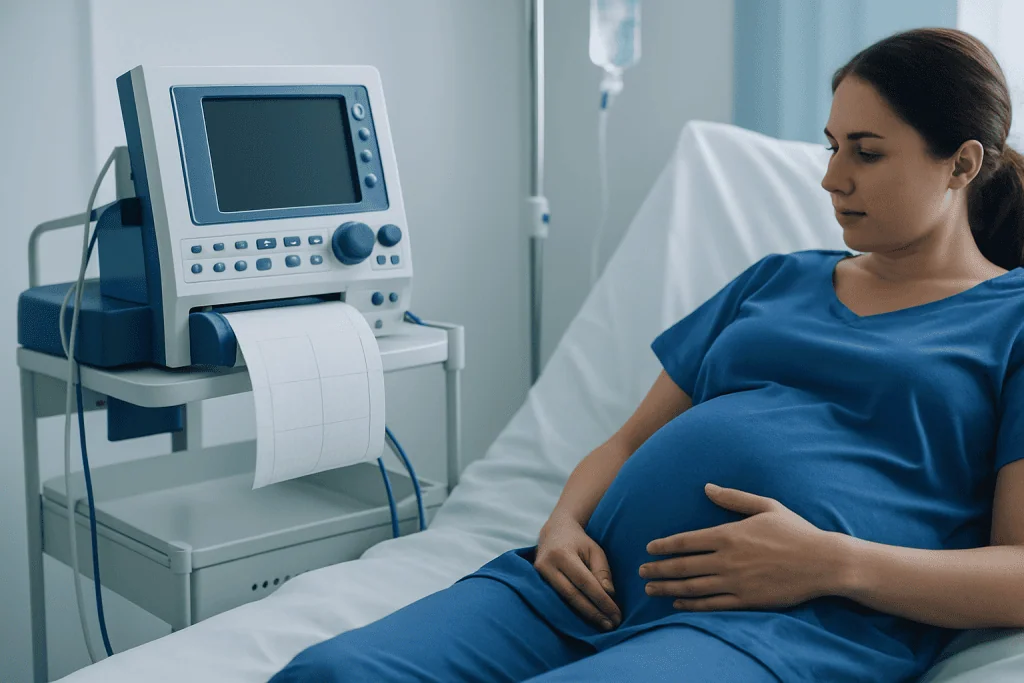
Patients often expect a large, unmistakable gush, but water breaking is frequently more subtle. The most common experience is a persistent wetness in the underwear or a clear fluid leak that does not stop. Unlike normal discharge, amniotic fluid is usually thinner and more watery.
The fluid is often clear or pale yellow and may have a mild, slightly sweet smell, or very little odor at all. It usually does not smell like urine. Some people notice leakage when they stand up, walk, cough, or change positions because fluid pooled higher in the vagina comes out more easily.
Several other common pregnancy symptoms can be confused with water breaking. Increased vaginal discharge is normal in pregnancy, and pressure from the growing uterus can make urine leakage more likely. Because these can overlap, clinicians may use a physical exam or office-based testing to confirm whether the membranes have ruptured.
Useful details to notice and report include:
- What time the leaking started
- Whether it was a gush or a trickle
- The fluid color and smell
- Whether contractions have started
- Whether there is any bleeding or change in fetal movement
What Causes It and When It Happens

In most cases, water breaking happens naturally near the end of pregnancy as the cervix softens and the membranes weaken in preparation for labor. The exact trigger is complex and involves mechanical pressure, normal biochemical changes in the membranes, and the body’s labor process.
When the membranes rupture before labor begins at term, this is often called prelabor rupture of membranes. If it occurs before 37 weeks of pregnancy, it is known as preterm prelabor rupture of membranes. Preterm rupture needs prompt medical evaluation because the balance between staying pregnant longer and reducing infection-related risks can be delicate.
Some factors may make rupture more likely, although it can also happen without any clear reason. These may include previous membrane rupture in an earlier pregnancy, uterine overdistension such as in multiple pregnancy, some infections, smoking, cervical weakness, or bleeding during pregnancy. Related pregnancy complications may sometimes be assessed alongside conditions such as placenta previa when bleeding is present.
Sometimes membranes are intentionally ruptured in hospital by a clinician to help assess or support labor progression. This procedure is only done in appropriate clinical settings and is different from spontaneous water breaking at home.
What to Do If Water Breaks
If a pregnant person thinks their water has broken, the safest next step is to contact their obstetrician, midwife, or maternity unit promptly. They may be asked about gestational age, contractions, the fluid’s color, fetal movements, and any symptoms such as fever or vaginal bleeding. Based on these answers, the care team can advise whether immediate evaluation is needed.
Until assessment, it is generally helpful to note the time the leaking started and use a sanitary pad if needed to observe the amount and color of fluid. Patients are usually advised not to place anything in the vagina, including tampons, and to avoid sexual intercourse after suspected rupture because of infection concerns.
Hospital evaluation may include a medical history, fetal monitoring, and an exam to confirm membrane rupture. In some cases, ultrasound helps assess amniotic fluid levels and the baby’s well-being. If labor is active or induction is recommended, clinicians may discuss options such as normal delivery or, when medically necessary, cesarean section.
Not everyone needs immediate delivery the moment water breaks, especially if term pregnancy is still early in labor and both parent and baby appear well. However, the decision depends on individual factors, including gestational age, infection risk, fetal position, and whether contractions have started.
How Doctors Confirm the Diagnosis
Diagnosis begins with the patient’s description of symptoms, but confirmation is often needed because leaking urine and increased vaginal discharge are common in pregnancy. A clinician may perform a sterile speculum examination to look for fluid pooling in the vagina. This helps avoid unnecessary intervention and supports the safest plan.
Additional tests may be used depending on the situation. These can include pH-based testing, microscopic examination of dried fluid, or commercially available tests that look for proteins found in amniotic fluid. Ultrasound may also be used to estimate fluid around the baby, although ultrasound alone does not always confirm rupture.
If pregnancy is preterm, the evaluation may be more detailed. The team may assess for contractions, infection signs, fetal distress, and conditions that can mimic or complicate membrane rupture, including preterm birth. The care team’s goal is to confirm what is happening while minimizing procedures that could increase infection risk.
Patients should know that internal digital examinations are often limited after confirmed rupture unless truly necessary, especially before active labor. This is a routine precaution intended to reduce the chance of infection ascending into the uterus.
Treatment and Care After Water Breaking
Treatment depends mainly on how far along the pregnancy is and whether labor, infection, or fetal concerns are present. At term, many people go into labor on their own within a relatively short time after water breaking. If labor does not begin, the care team may recommend induction to reduce the risk of infection.
Before term, care is more individualized. Doctors consider the baby’s gestational age, signs of infection, fetal well-being, and whether delaying delivery could help the baby mature further. In selected cases, hospital observation, medications, and close fetal monitoring are used. If the baby is very premature, care may overlap with planning for specialized support such as neonatal intensive care.
If infection is suspected, delivery may be recommended promptly, along with appropriate treatment. Warning signs can include maternal fever, uterine tenderness, a fast heart rate in the parent or baby, or foul-smelling fluid. Green or brown fluid may suggest the baby passed meconium and often requires more careful assessment during labor.
Near the end of the care pathway, a multidisciplinary team may be involved if the pregnancy is complex. Acibadem International’s multidisciplinary specialists and JCI-accredited hospitals provide diagnosis and treatment for pregnancy-related conditions for international patients when specialist assessment is needed.
Practical Self-Care and Prevention
There is no guaranteed way to prevent water breaking, because membrane rupture is often part of the body’s natural labor process. Still, general prenatal care can help reduce some risks. Regular antenatal visits allow clinicians to monitor maternal health, screen for infections, and identify concerns such as cervical changes or bleeding that may affect pregnancy management.
Patients can support a healthy pregnancy by avoiding smoking, following medical advice for chronic conditions, and reporting symptoms early. Leaking fluid, fever, painful contractions, vaginal bleeding, or reduced fetal movements should always be shared with a healthcare professional rather than watched at home for long periods.
After suspected rupture, practical self-care is simple: use a clean pad, stay hydrated, monitor fetal movements, and keep track of contractions or other symptoms. It is best to avoid baths, swimming, or inserting anything into the vagina unless a clinician specifically advises otherwise.
For patients already receiving high-risk pregnancy care, individualized recommendations may differ. Following the treating team’s instructions is especially important in twin pregnancy, prior preterm birth, placenta problems, or other obstetric complications.
When to Seek Medical Care
Any suspected water breaking in pregnancy deserves prompt communication with a doctor, midwife, or maternity unit. Even when the patient feels well, confirming whether the membranes have ruptured is important for planning safe care.
Urgent assessment is especially important if pregnancy is under 37 weeks, if the fluid is green, brown, or bloody, or if there is fever, strong abdominal pain, foul odor, or reduced fetal movement. Heavy bleeding, severe pain, or signs of labor with a baby not known to be head-down require immediate medical attention.
Patients should not feel they are overreacting by calling. A brief conversation with a maternity professional can clarify whether symptoms sound like water breaking, urine leakage, or another common pregnancy change, and can help determine whether home observation or urgent evaluation is safest.
If there is uncertainty, it is generally better to be checked than to wait. Timely assessment can reduce avoidable risks and provide reassurance when the leak turns out not to be amniotic fluid.
Frequently asked questions
How can someone tell if it is really water breaking and not urine?
Water breaking often feels like a persistent leak of thin, watery fluid that continues even after the bladder is emptied. Urine usually has a stronger smell and may stop after changing position or using the bathroom. Because it can be difficult to tell at home, a clinician may need to confirm it.
Does water always break before labor starts?
No. In many pregnancies, contractions begin before the membranes rupture. In others, water breaking is the first noticeable sign of labor. Both patterns can occur, especially at term.
What color should amniotic fluid be?
Amniotic fluid is usually clear or pale yellow. Green or brown fluid may mean meconium is present, and bloody fluid may suggest another issue that needs urgent assessment. Any unusual color should be reported right away.
Is water breaking painful?
The rupture itself is usually not described as painful. Many patients mainly notice wetness, a pop sensation, or a gush of fluid. Pain is more often related to contractions or another pregnancy concern rather than the membrane rupture itself.
What happens if water breaks too early?
If the membranes rupture before 37 weeks, doctors usually assess the pregnancy promptly because of the risk of infection, preterm labor, and effects on the baby. Management depends on gestational age and whether there are signs of labor or infection. Some patients need monitoring in hospital, while others may require delivery.
Should someone go to the hospital immediately after water breaks?
The right timing depends on pregnancy stage, symptoms, and the advice of the maternity team. Most patients should contact their doctor, midwife, or labor unit promptly for guidance. Immediate assessment is especially important if the pregnancy is preterm, the fluid is discolored, contractions are strong, or fetal movement decreases.
This article is for general information only and is not a substitute for professional medical advice. Please consult a qualified doctor about your individual situation.
Explore treatments in Turkey — costs, top hospitals & a free quote
JCI-accredited · board-certified surgeons · reply within 24h
Add us as a Preferred Source to see more of our trusted health content across Google Search, AI Overviews and Discover.

More from the Health Library

Pores on Face: What Patients Need to Know

Less Lymphocytes: What Patients Need to Know

Normal tonsils: Symptoms, Causes, and Treatment — Complete Patient Guide

Shaving with Shaving Oil: What Patients Need to Know

Belly Buttons Innies and Outies: What Patients Need to Know