Water Walking: A Complete Medical Overview
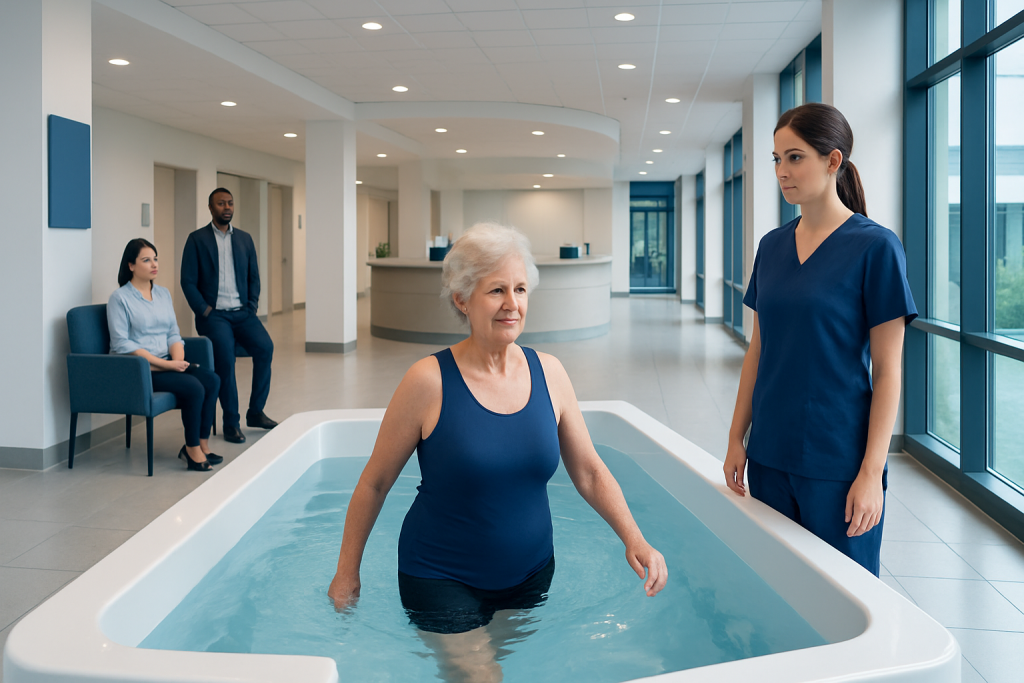
Water walking combines joint-friendly buoyancy with natural resistance from water. It may help improve endurance, muscle strength, balance, and mobility.
Key Takeaways
- Water walking combines joint-friendly buoyancy with natural resistance from water.
- It may help improve endurance, muscle strength, balance, and mobility.
- Many people with arthritis, excess weight, or recovery needs find it easier than land walking.
- Safe technique, proper water depth, and gradual progression are important.
- People with heart, lung, skin, balance, or wound-related concerns should ask a clinician before starting.
Water walking is a form of low-impact exercise performed in shallow water, usually a pool, where the water’s buoyancy reduces stress on joints while its resistance makes movement more challenging. It can support fitness, recovery, balance, and comfort for many people when done with good technique and appropriate medical guidance.
Overview: What Water Walking Is and Why People Use It
Water walking is walking exercise performed in water, most often in a pool deep enough to reach the waist or chest. The water supports part of the body’s weight, which can make movement feel easier on the hips, knees, ankles, and lower back than walking on land. At the same time, water creates resistance in every direction, so the muscles work continuously as the person steps forward, backward, or sideways.
This combination of support and resistance is the main reason water walking is widely used for general fitness, healthy aging, rehabilitation, and symptom management. It can be suitable for beginners, older adults, people returning to activity after illness or injury, and those who find land-based exercise uncomfortable. It is not only a “gentle” activity; it can also be adjusted to become a meaningful cardiovascular and strengthening workout.
Unlike some exercise trends that focus mainly on calories or appearance, water walking has a broader medical value. It can help a person stay active despite joint sensitivity, reduced balance confidence, deconditioning, or temporary movement limitations. For some people, it also serves as a bridge back to regular walking or other forms of physical activity after a period of pain or immobility.
How Water Walking Affects the Body

Several physical properties of water shape how this exercise feels. Buoyancy decreases the amount of body weight pressing through the joints, which may reduce impact and discomfort. Hydrostatic pressure, the gentle pressure water applies around the body, may support circulation and body awareness. Drag, or water resistance, makes each step require more effort than it may appear from the outside.
Because of these effects, water walking can train more than one fitness component at the same time. It may improve aerobic capacity when performed continuously, strengthen leg and core muscles through resistance, and challenge balance because the body must stabilize against moving water. People often find they can move more freely in water than on land, especially if they have stiffness or pain.
Water depth changes the difficulty and joint load. Deeper water usually reduces weight-bearing more, while shallower water increases the amount of body weight the legs support. Faster walking, larger arm movements, or the use of aquatic equipment can increase intensity further. A clinician or physical therapist may recommend water walking as part of a broader physical therapy and rehabilitation plan when mobility, strength, or confidence needs to be rebuilt gradually.
Potential Benefits of Water Walking

Water walking may offer benefits for both healthy individuals and people with medical conditions. For general wellness, it can support heart and lung fitness, muscular endurance, flexibility, and regular movement habits. Many people are able to exercise longer in water because the activity feels less jarring than land-based exercise.
For musculoskeletal health, water walking is often considered when a person has joint pain, reduced range of motion, or difficulty tolerating impact. It may be especially helpful for people living with arthritis or for those recovering after an orthopedic problem, because the pool environment can allow movement with less discomfort. It can also be useful for people who are carrying extra body weight and want an approachable way to begin exercising.
Other possible benefits include improved balance, reduced fear of falling in a supervised environment, and better function in daily activities such as standing, climbing stairs, or walking longer distances. Some people also find aquatic exercise mentally refreshing, which may support consistency. However, the exact results vary from person to person and depend on overall health, exercise frequency, and the presence of any underlying medical issue.
- May reduce stress on weight-bearing joints
- Can improve walking tolerance and stamina
- Provides gentle resistance for the legs, hips, and core
- May support balance and coordination
- Often feels more comfortable during recovery or flare-ups
Who May Benefit Most and Who Should Be Cautious
Water walking is often well suited to older adults, people with knee or hip discomfort, individuals starting an exercise program after inactivity, and those in supervised recovery after surgery or injury. It can also be a practical option for people who have symptoms related to overuse, stiffness, or limited mobility. In some rehabilitation settings, it may be introduced before a person is ready for longer walks on land.
People with conditions such as osteoarthritis or back pain may find the reduced joint loading helpful. Water walking may also be included after some orthopedic procedures, depending on healing status and the treating clinician’s instructions. For some people with reduced walking ability, a team may coordinate aquatic activity with broader orthopedic care to improve comfort and function.
Even though water walking is low impact, it is not automatically safe for everyone. Caution is needed for people with uncontrolled heart disease, severe shortness of breath, open wounds, active skin infections, fever, incontinence, or a high risk of falls when entering or exiting the pool. People with balance disorders, seizure disorders, poorly controlled diabetes, or significant nerve problems should ask a healthcare professional what level of supervision is appropriate. Pregnancy, recent surgery, or recent injury may also require individualized advice before starting.
Technique, Intensity, and How to Start Safely
Good technique helps water walking be both effective and comfortable. A person should stand upright, look forward, keep the shoulders relaxed, and engage the abdominal muscles gently. Steps should be smooth rather than rushed, with the heel touching first when possible, then rolling through the foot. Swinging the arms naturally can improve balance and increase workout intensity.
Most beginners start in water between waist and chest height. Sessions may begin with 5 to 10 minutes and gradually build to 20 to 30 minutes or more as endurance improves. A warm-up of gentle marching or slow walking is useful, followed by a cool-down. Intensity can be increased by walking faster, moving the arms more actively, walking against jets or current, or adding intervals of forward, backward, and side-stepping movements.
Supportive water shoes may improve traction and comfort, especially in people with foot sensitivity. The pool deck and stairs can be more hazardous than the water itself, so careful entry and exit matter. If pain increases during or after the session, if swelling worsens, or if dizziness or unusual breathlessness occurs, the activity should stop and medical advice should be sought. Some people benefit from guided exercise with a physiotherapist or rehabilitation specialist, particularly after surgery or when movement confidence is low.
Water Walking in Rehabilitation and Long-Term Health
In rehabilitation, water walking is often used because it allows earlier or more comfortable movement than land exercise for some patients. It may be part of care after joint problems, sports injuries, prolonged inactivity, or selected neurological and musculoskeletal conditions. By lowering impact while preserving movement practice, it can help a person rebuild gait patterns, confidence, and endurance in a controlled setting.
Water walking is also useful as a long-term exercise option, not only a temporary one. Some people continue it as their main form of fitness because it is sustainable and easier on sensitive joints. Others use it on days when symptoms flare or as a cross-training option to balance higher-impact activities. This flexibility can support regular exercise habits over time.
When symptoms such as knee pain are persistent, recurrent, or associated with instability or reduced function, it may be important to evaluate the underlying cause rather than relying on exercise adjustments alone. Depending on the problem, treatment may involve medical assessment, imaging, rehabilitation, or targeted approaches such as knee replacement in advanced joint disease. For international patients, Acibadem International’s multidisciplinary specialists and JCI-accredited hospitals evaluate movement limitations and tailor treatment plans that may include aquatic and land-based rehabilitation.
When to Seek Medical Care
Water walking is generally considered safe for many people, but medical review is important when symptoms suggest an underlying condition or when exercise causes unexpected problems. A person should seek medical advice before starting if they have significant heart or lung disease, recent surgery, severe osteoporosis, active infection, open wounds, or a condition that affects consciousness or balance.
Medical care should also be considered if pain is severe, worsening, or associated with swelling, redness, warmth, numbness, weakness, or joint instability. Breathlessness out of proportion to effort, chest discomfort, faintness, palpitations, or unusual fatigue during pool exercise should not be ignored. These symptoms deserve prompt professional evaluation rather than self-management alone.
In rehabilitation settings, the best results often come from matching the exercise plan to the diagnosis. A doctor or physiotherapist can advise on water depth, session length, movement patterns, and when to progress toward land-based activity. This is especially relevant if the person has chronic pain, repeated falls, poor exercise tolerance, or is recovering from a procedure.
Frequently asked questions
Is water walking good exercise?
Yes. Water walking can be an effective form of aerobic and resistance exercise because the water supports the body while also creating continuous resistance. It may help improve endurance, muscle function, and mobility with less impact on joints than walking on land.
Which is better, water walking or regular walking?
Neither is universally better; they serve different needs. Water walking may be more comfortable for people with joint pain, excess weight, or recovery needs, while regular walking is often more practical for day-to-day fitness and weight-bearing bone health. Many people benefit from using both at different times.
Can water walking help with knee or hip pain?
It may help some people because buoyancy reduces stress on weight-bearing joints. This can make movement easier and allow exercise with less discomfort. However, persistent or worsening pain should still be assessed by a qualified clinician to identify the underlying cause.
How deep should the water be for water walking?
Waist- to chest-deep water is commonly used. Shallower water increases weight-bearing, while deeper water generally reduces it. The ideal depth depends on the person’s height, balance, goals, and any medical or rehabilitation needs.
How long should a beginner do water walking?
Many beginners start with short sessions, such as 5 to 10 minutes, and increase gradually as comfort and stamina improve. A slow warm-up and cool-down are helpful. A doctor or physiotherapist may suggest a more specific plan for people with medical conditions or after surgery.
Are there any risks with water walking?
Yes, although the activity is low impact, it still has potential risks. Slipping near the pool, overexertion, dizziness, worsening pain, and exercising too soon after surgery or with an open wound are examples. People with heart, lung, skin, balance, or neurological conditions should seek medical advice before starting.
This article is for general information only and is not a substitute for professional medical advice. Please consult a qualified doctor about your individual situation.
Joint and spine care in Turkey — expert assessment & treatment
JCI-accredited · board-certified surgeons · reply within 24h
Add us as a Preferred Source to see more of our trusted health content across Google Search, AI Overviews and Discover.

More from the Health Library

Selenium Sulfide: An Evidence-Based Guide for Patients

Hdaic: A Complete Medical Guide — Function, Normal Levels, and Health Implications

Cerclage — Explained by Medical Evidence, Not Myths

Lemon Balm Benefits: An Evidence-Based Guide for Patients

Lidocaine Patch: What Patients Need to Know