Water Weeping: An Evidence-Based Guide for Patients

Water weeping is usually fluid from severe swelling rather than ordinary sweat or water trapped on the skin. Leg and foot swelling from vein or lymphatic circulation problems is a common cause, but heart, kidney, liver, and medication-related conditions can also contribute.
Key Takeaways
- Water weeping is usually fluid from severe swelling rather than ordinary sweat or water trapped on the skin.
- Leg and foot swelling from vein or lymphatic circulation problems is a common cause, but heart, kidney, liver, and medication-related conditions can also contribute.
- Leaking skin is vulnerable to breakdown and infection, so gentle cleansing, protective dressings, and prompt medical advice are important.
- Sudden one-sided swelling, breathlessness, chest pain, fever, spreading redness, or severe pain need urgent medical attention.
- Treatment focuses on the cause of swelling as well as skin protection and, when appropriate, carefully selected compression therapy.
Water weeping usually describes clear or pale fluid leaking through skin that is very swollen, most often on the lower legs or feet. It is commonly linked to edema, venous disease, lymphatic problems, or another condition affecting fluid balance, and it should be assessed by a healthcare professional rather than managed with home remedies alone.
What Does Water Weeping Mean?
Water weeping is a non-medical term for fluid leaking from the skin. Clinicians may call this weeping edema or lymphorrhea. It happens when fluid builds up in tissues beneath the skin and pressure becomes high enough for fluid to seep through fragile or damaged areas of skin. The fluid is often clear, straw-colored, or slightly pink, and it may make socks, clothing, or bedding damp.
The lower legs, ankles, feet, and sometimes the arms are most often affected because these areas can develop significant swelling. Water weeping is not a diagnosis by itself. Instead, it is a visible sign that the body is retaining fluid locally or that the veins and lymphatic vessels are not moving fluid back toward the heart effectively.
Not every watery fluid on the body is weeping edema. For example, fluid from a blister, wound, burn, rash, surgical incision, or genital discharge has different possible causes. A clinician can help identify where the fluid is coming from, assess the skin, and determine whether swelling or another problem is responsible.
Why Fluid Can Leak Through Swollen Skin
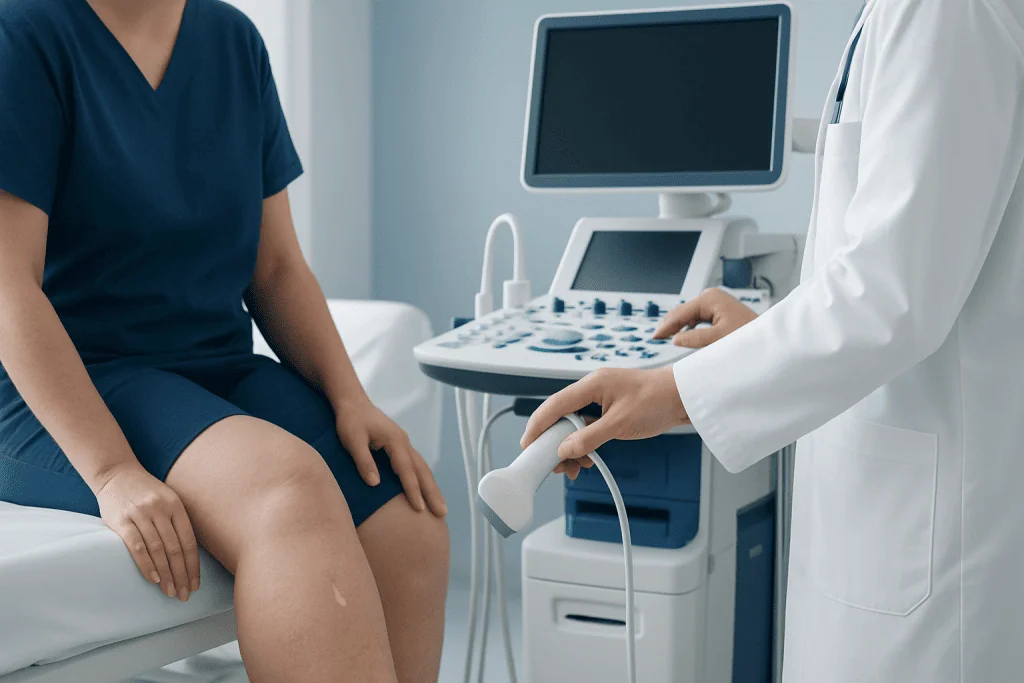
Small blood vessels naturally release fluid into surrounding tissues, while veins and lymphatic vessels normally return excess fluid to the circulation. Edema develops when this balance is disrupted. As swelling increases, the skin can become stretched, thin, and less able to act as an effective barrier. Fluid may then seep through tiny breaks in the skin or through areas of inflamed, fragile skin.
Chronic venous insufficiency is a frequent contributor to weeping legs. In this condition, valves in the leg veins do not move blood upward efficiently, allowing fluid to pool in the lower limbs. Swelling may worsen later in the day and improve somewhat with elevation. Skin may look shiny, tight, brownish, dry, itchy, or scaly before fluid leakage begins.
Lymphedema is another possible cause. It occurs when the lymphatic system cannot adequately drain protein-rich fluid from tissues. It may develop after lymph node surgery, radiation treatment, infection, injury, cancer treatment, or because of an inherited lymphatic condition. Unlike ordinary mild swelling, lymphedema can lead to persistent heaviness, skin thickening, and recurrent leakage if not appropriately managed.
Causes and Factors That Can Increase Risk
Water weeping can occur when swelling becomes severe, regardless of its original cause. Vein disease and lymphatic dysfunction are common explanations, but other health conditions may contribute by causing the body to hold onto fluid. These include heart failure, kidney disease, liver disease, low blood protein levels, and certain inflammatory disorders. A medical assessment is important because treatment differs according to the cause.
Some medicines can also cause or worsen ankle and leg swelling. Examples include certain blood pressure medicines, anti-inflammatory medicines, steroid medicines, and some diabetes medicines. A person should not stop a prescribed medicine without speaking with the clinician who prescribed it, but should report new swelling or fluid leakage promptly.
Other factors may make edema more likely or more difficult to control. These include limited mobility, prolonged sitting or standing, obesity, previous blood clots, varicose veins, older age, pregnancy, skin injury, and a history of cellulitis. Hot weather can also make swelling more noticeable. In many cases, more than one factor is involved.
- Both legs swollen over time may suggest a circulation, lymphatic, medication-related, or whole-body fluid-balance problem.
- One leg becoming suddenly swollen, painful, warm, or red requires urgent assessment because a blood clot or infection must be considered.
- Fluid that is cloudy, foul-smelling, yellow-green, or mixed with increasing blood may indicate infection or another wound problem.
Symptoms and Skin Changes to Notice
Before water weeping begins, people often notice puffiness around the ankles, tight shoes or socks, heaviness in the legs, or indentations that remain after pressing on the skin. This temporary indentation is called pitting edema. As swelling increases, the skin may feel tight and uncomfortable, and walking or fitting into footwear may become more difficult.
Weeping fluid can continuously dampen the skin and surrounding dressings. The moisture may cause itching, burning, tenderness, or maceration, which means the skin becomes pale, soft, and easily damaged. Cracks, ulcers, or open areas can develop, particularly around the ankles. These changes increase the chance of a skin infection.
Changes that need particular attention include growing redness, warmth, worsening pain, red streaks, fever, pus-like drainage, or a sudden increase in swelling. These symptoms can occur with cellulitis, an infection of deeper layers of skin. A person with diabetes, poor circulation, immune suppression, or a previous leg ulcer should seek advice early when skin changes or leakage appear.
How Water Weeping Is Assessed
A clinician will usually begin by asking when the swelling and leakage started, whether one or both limbs are affected, and whether there are symptoms such as breathlessness, weight change, pain, fever, or reduced urination. They will also review medical history, previous blood clots or operations, mobility, and current medicines. This history helps distinguish a long-standing circulation issue from a more urgent problem.
Examination commonly includes checking the extent of swelling, skin temperature and color, pulses, wounds, varicose veins, and signs of infection. The clinician may assess whether the swelling leaves an indentation, whether it involves the toes, and whether there are features suggesting venous disease or lymphedema. They may also listen to the heart and lungs and assess the abdomen when a systemic cause is possible.
Tests are selected based on the findings. Blood tests may evaluate kidney, liver, thyroid, protein levels, or markers of inflammation. An ultrasound may check leg veins for a blood clot or assess venous blood flow. Heart tests, urine testing, or imaging may be appropriate in some cases. These investigations guide treatment and help avoid using compression or fluid-reducing medicines when they are not suitable.
Treatment and Everyday Skin Protection
Treatment aims to reduce swelling, protect the skin, control leakage, and address the underlying condition. A clinician may recommend treatment for vein disease, lymphedema, heart or kidney problems, infection, or medication-related edema, depending on the cause. Fluid-reducing medicines may help certain people with body-wide fluid retention, but they are not appropriate for every type of leg swelling and should only be used under medical supervision.
Wound-care professionals may use absorbent, non-stick dressings to manage fluid and protect surrounding skin. Dressings should be changed as advised, especially when saturated. Compression bandaging or compression garments can be highly helpful for some people with venous edema or lymphedema, but circulation must be assessed first. Compression should not be started independently when there is severe arterial disease, a suspected blood clot, acute infection, or uncertainty about the cause of swelling.
At home, gentle skin care can reduce discomfort and protect the skin while medical care is arranged. The area can be cleaned gently with lukewarm water, patted dry, and covered with a clean, suitable dressing if recommended. Fragranced products, harsh antiseptics, adhesive tape directly on fragile skin, and attempts to puncture blisters should be avoided. Elevating the legs when resting, moving the ankles regularly, and avoiding long periods without movement may help some people, but these measures do not replace assessment.
For international patients, Acibadem International’s multidisciplinary specialists and JCI-accredited hospitals can assess the medical causes of persistent edema and coordinate wound, vascular, cardiac, kidney, or lymphatic care when needed.
When to Seek Medical Care
Water weeping should be discussed with a doctor or qualified wound-care professional as soon as possible, particularly if it is new, persistent, or associated with significant swelling. Prompt assessment helps protect the skin and identify conditions that may need treatment. It is especially important for people who have diabetes, known heart, kidney, liver, or vascular disease, reduced sensation in the feet, or a history of leg ulcers.
Urgent medical care is needed for sudden swelling in one leg, new severe pain, marked redness or warmth, fever, rapidly spreading skin changes, or drainage that appears pus-like or has a strong odor. These may be signs of infection or a blood clot. Immediate emergency care is needed if swelling is accompanied by chest pain, shortness of breath, coughing up blood, fainting, confusion, or blue-colored lips.
Until assessed, a person should avoid tightly wrapping the limb with improvised bandages. They should keep the leaking area clean and protected, avoid scratching, and seek advice on the safest dressing and compression approach. Taking photographs of changes in swelling or skin color and noting when leakage occurs can be useful information for the medical team.
Frequently asked questions
Is water weeping from the legs dangerous?
Water weeping is not always an emergency, but it signals substantial swelling and skin barrier damage that should be medically assessed. Without appropriate care, the skin can break down and become infected, while the underlying cause of fluid retention may worsen.
What color is fluid from weeping edema?
Fluid from weeping edema is often clear, pale yellow, or straw-colored. Pink-tinged fluid can occur when fragile skin is irritated, but increasing blood, cloudy drainage, green-yellow fluid, or a bad smell should be assessed promptly.
Can compression socks stop water weeping?
Compression can reduce swelling and leakage in some people with venous disease or lymphedema. However, it should be selected and fitted after a clinician has checked circulation and ruled out problems such as an acute blood clot, severe arterial disease, or untreated infection.
Should a person keep a weeping leg dry?
The skin should be gently cleansed and carefully dried, but the leaking area usually needs an appropriate absorbent dressing rather than being left exposed. A healthcare professional can recommend dressings that manage moisture without sticking to or damaging fragile skin.
Can heart or kidney problems cause fluid to leak from the skin?
Yes. Heart or kidney conditions can cause the body to retain fluid, contributing to severe leg swelling and, in some cases, skin leakage. These conditions need medical evaluation because treatment focuses on the underlying fluid-balance problem as well as skin care.
How can swelling be reduced safely at home?
Gentle movement, avoiding prolonged sitting or standing, and elevating the legs while resting may help some people, particularly when advised by a clinician. A person should not use diuretics, restrictive wraps, or strong compression without professional guidance, because the safest approach depends on the cause of swelling.
References
- National Health Service
- American Heart Association
- National Institute of Diabetes and Digestive and Kidney Diseases
- International Society of Lymphology
- Wound, Ostomy and Continence Nurses Society
This article is for general information only and is not a substitute for professional medical advice. Please consult a qualified doctor about your individual situation.
Explore treatments in Turkey — costs, top hospitals & a free quote
JCI-accredited · board-certified surgeons · reply within 24h
Add us as a Preferred Source to see more of our trusted health content across Google Search, AI Overviews and Discover.
Check your numbers in seconds
BMI, calories, due date, blood pressure and 30+ more clinical calculators — free, instant, doctor-reviewed ranges.

More from the Health Library

Sore Throat on One Side: An Evidence-Based Guide for Patients

Am I Gay: What Patients Need to Know

Palm Oil — Explained by Medical Evidence, Not Myths

Yohimbe Benefits: What Patients Need to Know

Dysrhythmia: What Patients Need to Know