Water Weight: What Patients Need to Know

Water weight means extra fluid is being held in the body, not extra body fat. Common triggers include high salt intake, hormonal changes, prolonged sitting or standing, hot weather, and some medicines.
Key Takeaways
- Water weight means extra fluid is being held in the body, not extra body fat.
- Common triggers include high salt intake, hormonal changes, prolonged sitting or standing, hot weather, and some medicines.
- Mild fluid retention often improves with movement, balanced hydration, and reducing excess sodium.
- Sudden, one-sided, painful, or persistent swelling may point to a medical problem and needs evaluation.
- Doctors may use a physical exam, blood tests, urine tests, or imaging to find the cause when water retention is ongoing.
Water weight is a temporary increase in body fluid that can make a person feel puffy, swollen, or heavier than usual. It is often related to diet, hormones, medications, heat, or inactivity, but persistent or severe swelling should be checked by a doctor to rule out an underlying condition.
Overview: what water weight means
Water weight is the common term for temporary fluid retention. It happens when the body holds onto more water than usual in the tissues or bloodstream, leading to a noticeable increase on the scale, a feeling of heaviness, or swelling in areas such as the hands, feet, ankles, face, or abdomen. Unlike body fat, water weight can change quickly over hours or days.
For many people, water weight is linked to everyday factors such as salty meals, hormonal fluctuations, hot weather, long flights, or spending too much time sitting or standing. In these situations, the change is often temporary and improves as the body restores its usual fluid balance.
At the same time, fluid retention is not always harmless. If swelling is persistent, severe, painful, or associated with symptoms such as shortness of breath, chest discomfort, or reduced urination, a medical cause may need to be ruled out. Understanding the pattern of swelling can help guide when self-care is reasonable and when professional evaluation is important.
How water weight feels and where it shows up
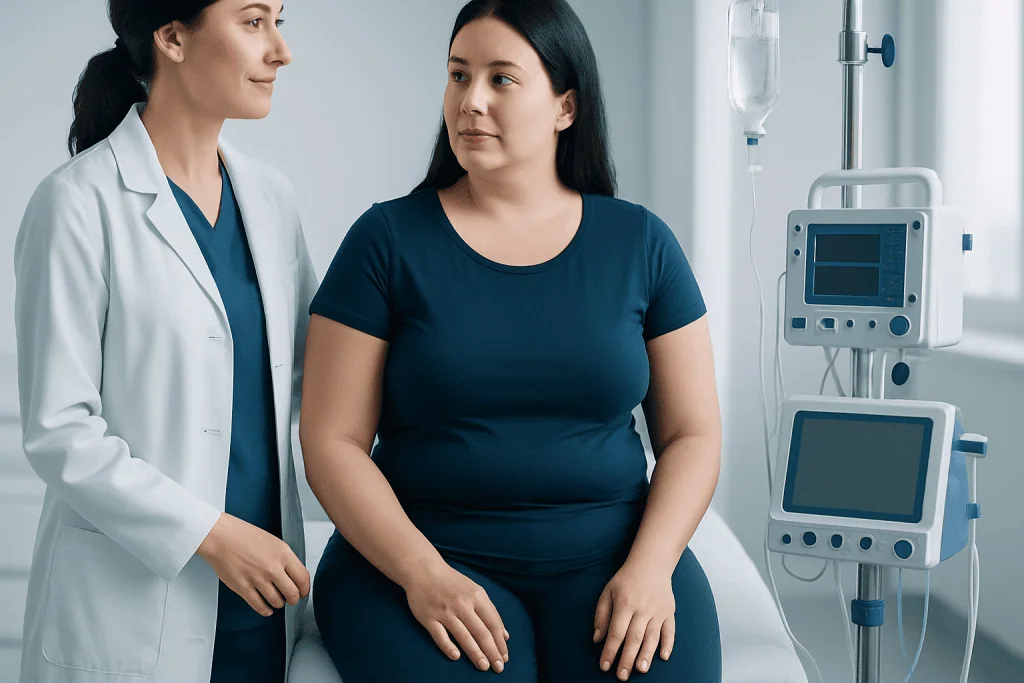
Water weight does not look the same in every person. Some notice puffiness around the eyes in the morning, while others feel tight shoes by evening or see rings become difficult to remove. The abdomen may also feel bloated, and clothing may fit more snugly even when eating habits have not changed much.
Fluid retention can be generalized or localized. Generalized retention may cause a broad sense of swelling or a rapid jump in weight over a short period. Localized retention may affect the lower legs, ankles, hands, or abdomen more than the rest of the body.
- Rapid day-to-day changes in body weight
- Puffy hands, feet, ankles, or face
- Skin that looks stretched or shiny over swollen areas
- A feeling of bloating, tightness, or heaviness
- Socks, shoes, or rings leaving deeper marks than usual
- Indentation in the skin after pressure in some cases, known as pitting edema
Not every swollen area is due to simple water retention. Swelling with redness, warmth, tenderness, or swelling on only one side may suggest inflammation, infection, or a circulation problem and should be assessed by a clinician.
Common causes and risk factors

The body carefully regulates fluid through hormones, kidney function, blood vessels, and salt balance. Water weight develops when this regulation shifts, allowing fluid to accumulate in the tissues. A very common trigger is eating more sodium than usual, because sodium encourages the body to retain water. Processed foods, restaurant meals, and packaged snacks can all contribute.
Hormonal changes are another frequent cause. Many women notice water retention before menstruation, during pregnancy, or around menopause. Sitting still for long periods, standing for many hours, and hot weather can also slow fluid return from the legs, making the ankles and feet swell.
Some medications may lead to fluid retention, including certain blood pressure medicines, hormones, anti-inflammatory drugs, and steroids. Medical conditions can also play a role, especially when swelling is ongoing or more pronounced. These may involve the kidneys, liver, heart, veins, thyroid, or lymphatic system. Depending on the pattern, a doctor may also consider conditions such as heart failure or kidney failure as part of the evaluation.
Other factors that may increase the chance of water weight include obesity, a sedentary lifestyle, recent surgery, pregnancy, and long-distance travel. Sometimes more than one factor is present, which is why a person’s overall symptoms and health history matter.
Water weight vs. body fat vs. bloating
Patients often wonder whether a sudden increase on the scale means fat gain. In most cases, body fat does not increase dramatically overnight. Water weight can change quickly because fluid shifts are rapid, especially after high-salt meals, intense exercise, hormonal changes, or travel. This is one reason why daily body weight can fluctuate even when habits stay fairly stable.
Bloating is related but not identical. Bloating usually refers to a feeling of fullness or pressure in the abdomen, often due to gas, constipation, digestive changes, or fluid. A person may have bloating without obvious swelling in the legs or hands, while someone else may have fluid retention with little abdominal discomfort.
It can help to look for patterns. Water weight tends to appear with puffiness, swollen extremities, or quick weight shifts. Body fat generally changes more gradually over weeks or months. If abdominal symptoms are prominent, a doctor may think about digestive causes such as irritable bowel syndrome alongside fluid-related explanations.
How doctors diagnose the cause
When water retention is frequent, severe, or unexplained, diagnosis focuses on finding the reason rather than just treating the swelling itself. A doctor usually begins with a detailed history, including when the swelling started, whether it comes and goes, what medications are being taken, and whether there are symptoms such as breathlessness, fatigue, abdominal swelling, pain, or changes in urination.
The physical examination looks at where the swelling is, whether it affects one side or both, and whether it leaves a temporary indentation when pressed. Blood pressure, heart and lung findings, skin changes, and abdominal enlargement can all offer useful clues. Weight trends may also be reviewed.
Tests are chosen according to the suspected cause. These may include blood tests to assess kidney, liver, thyroid, or heart-related markers; urine tests; and imaging studies such as ultrasound or chest imaging. If doctors suspect a circulation issue, they may request vascular imaging. In some cases, advanced evaluation may include a comprehensive check-up or cardiology assessment to clarify whether a systemic condition is present.
The goal is not only to confirm fluid retention but also to determine whether it is benign and temporary or connected to a condition that needs specific treatment. This distinction helps avoid both unnecessary worry and missed diagnoses.
Treatment options and safe ways to reduce water weight
Treatment depends on the cause. If water weight is related to lifestyle triggers, symptoms often improve with simple measures such as reducing sodium intake, drinking fluids regularly, moving more during the day, and elevating the legs when lower-leg swelling develops. Loose, comfortable clothing and avoiding long periods in one position may also help.
If a medication is contributing, a doctor may review alternatives or adjust the treatment plan. Patients should not stop prescribed medicine on their own. When an underlying condition such as heart, kidney, liver, venous, or hormonal disease is responsible, managing that condition is the main treatment. For selected cases, doctors may recommend supportive approaches such as treatment for varicose veins if poor vein function is contributing to leg swelling.
Diuretic medicines, sometimes called water pills, are not appropriate for everyone and should only be used under medical supervision. They can be helpful in certain diagnosed conditions but may be unnecessary or unsafe if fluid retention is mild, temporary, or due to another problem. Self-treating with over-the-counter products or extreme fluid restriction can sometimes make matters worse.
Many people expect a single quick fix, but the safest and most effective approach is to match treatment to the reason for the swelling. This is especially important if water retention is recurrent, associated with chronic disease, or accompanied by other concerning symptoms.
Prevention and self-care in daily life
Preventing water weight often comes down to supporting the body’s normal fluid balance. Eating fewer highly processed foods can lower sodium intake without strict dieting. Choosing fresh foods more often, reading labels, and being mindful of restaurant portions may help people who notice swelling after salty meals.
Regular movement is also important. Walking, changing position during long workdays, stretching on flights, and avoiding sitting with the legs still for many hours can improve circulation. People who are prone to ankle swelling may benefit from leg elevation at the end of the day. Gentle exercise can also support overall cardiovascular and metabolic health.
Hydration matters as well. Drinking adequate water helps the body regulate sodium and fluid balance more effectively. Some people mistakenly drink less to avoid swelling, but dehydration can disrupt this balance. Alcohol may worsen fluid shifts in some individuals, so moderation is sensible. If swelling is part of a broader health picture, a clinician may recommend individualized steps based on that person’s medical history.
Near the end of the care journey, some patients need specialist evaluation rather than self-care alone. Acibadem International’s multidisciplinary specialists and JCI-accredited hospitals diagnose and treat causes of persistent swelling for international patients when further assessment is needed.
When to seek medical care
Medical attention is appropriate when water retention is new, persistent, worsening, or difficult to explain. A doctor should assess swelling that lasts more than a few days, keeps returning, or is associated with unexplained weight gain, fatigue, abdominal enlargement, or changes in urination. This is especially important for people with known heart, kidney, liver, or thyroid disease.
Urgent evaluation is needed if swelling comes with shortness of breath, chest pain, fainting, severe weakness, or sudden swelling of the face or throat. Swelling in one leg with pain, redness, or warmth should also be assessed promptly because it may indicate a circulation problem. Pregnancy-related swelling should be discussed with a healthcare professional, particularly if it is sudden or accompanied by headache, vision changes, or high blood pressure.
In general, water weight is common and often temporary, but persistent edema deserves a careful medical explanation. Early evaluation can identify treatable causes and provide reassurance when the swelling is related to everyday factors rather than disease.
Frequently asked questions
Is water weight the same as gaining fat?
No. Water weight is extra fluid held in the body, while fat gain reflects stored energy and usually develops more gradually. A quick rise on the scale over one or two days is more likely to reflect fluid shifts than true fat gain.
How long does water weight usually last?
It depends on the cause. Mild fluid retention from salt intake, travel, heat, or hormonal changes may improve within hours to a few days. If it persists, keeps returning, or gets worse, a doctor should evaluate it.
Can drinking more water help reduce water weight?
Sometimes, yes. Adequate hydration helps the body regulate sodium and fluid balance, and dehydration can occasionally worsen retention. However, drinking more water alone will not fix swelling caused by heart, kidney, liver, or vein problems.
Why do my ankles swell more at the end of the day?
Gravity causes fluid to collect in the lower legs and ankles, especially after long periods of sitting or standing. Heat, vein problems, pregnancy, and certain medications can make this more noticeable. Elevating the legs and moving regularly may help, but persistent swelling should be checked.
Are diuretics a good way to get rid of water weight?
Not always. Diuretics can be useful for some diagnosed medical conditions, but they are not a universal solution and should only be used under medical guidance. Unsupervised use may lead to dehydration, electrolyte imbalance, or delayed diagnosis of the real cause.
What foods can make water weight worse?
Foods high in sodium are a common trigger. Processed meats, canned soups, fast food, salty snacks, sauces, and some restaurant meals may contribute to fluid retention. For some people, alcohol and large carbohydrate-heavy meals may also be associated with temporary fluid shifts.
This article is for general information only and is not a substitute for professional medical advice. Please consult a qualified doctor about your individual situation.
Explore treatments in Turkey — costs, top hospitals & a free quote
JCI-accredited · board-certified surgeons · reply within 24h
Add us as a Preferred Source to see more of our trusted health content across Google Search, AI Overviews and Discover.
Check your numbers in seconds
BMI, calories, due date, blood pressure and 30+ more clinical calculators — free, instant, doctor-reviewed ranges.

More from the Health Library

Nicardipine — Explained by Medical Evidence, Not Myths

TB Test — Explained by Medical Evidence, Not Myths

Lower Respiratory Tract Illnesses: An Evidence-Based Guide for Patients

High Functioning Depression: What Patients Need to Know

Arms Fitness: What Patients Need to Know