Watermelon Stomach: What Patients Need to Know

Watermelon stomach is also called gastric antral vascular ectasia, or GAVE. It can cause chronic blood loss, iron deficiency anemia, fatigue, and sometimes black or tarry stools.
Key Takeaways
- Watermelon stomach is also called gastric antral vascular ectasia, or GAVE.
- It can cause chronic blood loss, iron deficiency anemia, fatigue, and sometimes black or tarry stools.
- Diagnosis is usually made with upper endoscopy, which shows the typical striped pattern in the stomach lining.
- Treatment often includes endoscopic therapy to seal bleeding areas, along with iron replacement or blood transfusion when needed.
- People with ongoing weakness, signs of bleeding, or worsening anemia should seek medical care promptly.
Watermelon stomach is a rare condition in which fragile blood vessels form in the lower part of the stomach and can cause slow, repeated bleeding. It often leads to iron deficiency anemia, fatigue, or black stools, and it is usually diagnosed with endoscopy and managed with treatments that control bleeding and address related health conditions.
Overview: what watermelon stomach means
Watermelon stomach is the common name for gastric antral vascular ectasia, often shortened to GAVE. It happens when small blood vessels in the lower part of the stomach become widened and fragile. These vessels can bleed slowly over time, leading to chronic blood loss and anemia, or less commonly cause more noticeable bleeding.
The name comes from the appearance seen during endoscopy. The stomach lining may show red streaks that resemble the stripes on a watermelon. Although the name sounds unusual, the condition is well recognized by gastroenterologists and can often be treated effectively once it is identified.
Watermelon stomach is not the same as an ulcer, gastritis, or stomach cancer, although some symptoms can overlap. It is also different from bleeding caused by enlarged veins in the digestive tract. Because of these differences, proper diagnosis matters, especially when a person has unexplained iron deficiency anemia or repeated signs of gastrointestinal bleeding.
Symptoms and how it may affect daily life
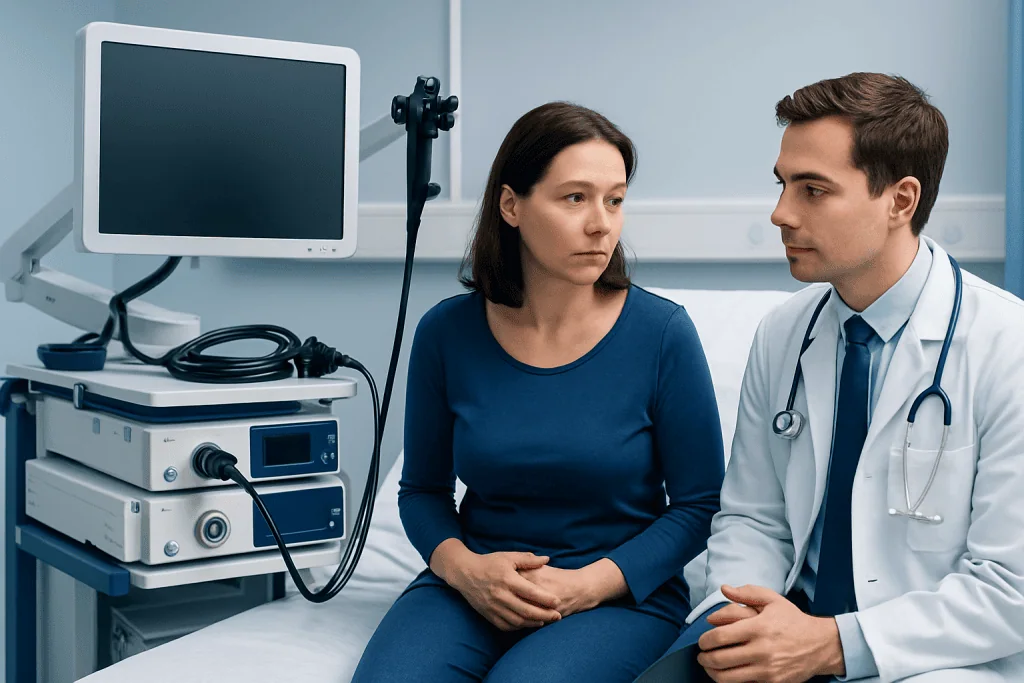
The most common problem caused by watermelon stomach is slow, repeated bleeding from the stomach lining. This may not always be obvious at first. Many people come to medical attention because they feel unusually tired, short of breath with activity, weak, lightheaded, or notice a decline in exercise tolerance due to anemia.
Some patients have visible signs of bleeding. Stools may appear black and tarry, which can suggest digested blood from the upper digestive tract. Less often, there may be vomiting of blood. In milder cases, the bleeding is hidden and only discovered on blood tests showing low hemoglobin or low iron levels.
Symptoms vary from person to person, but may include:
- Fatigue or unusual weakness
- Pale skin
- Dizziness or faintness
- Shortness of breath
- Black, tarry stools
- Ongoing need for iron supplements or blood transfusions
Because the blood loss can be gradual, some people adapt to the symptoms and delay care. Persistent tiredness should not be dismissed, especially if it occurs along with a history of stomach bleeding, anemia, or another digestive condition such as gastritis.
Causes, associated conditions, and risk factors

The exact cause of watermelon stomach is not fully understood. Experts believe it involves abnormal changes in the blood vessels of the stomach lining and possibly changes in stomach movement or local tissue repair. It is considered an uncommon condition, and in many patients there is no single clear trigger.
Watermelon stomach can occur on its own, but it is also seen more often in people with certain chronic medical conditions. These may include liver disease, autoimmune disorders such as systemic sclerosis, chronic kidney disease, and sometimes heart disease. Having an associated condition does not mean a person will definitely develop GAVE, but it may increase the likelihood.
Doctors also take care to distinguish watermelon stomach from other causes of upper gastrointestinal bleeding. These include peptic ulcers, erosive gastritis, and portal hypertensive gastropathy. The distinction is important because the treatment approach is different. For example, bleeding related to liver cirrhosis may have more than one possible source and may need a broader digestive and liver evaluation.
How watermelon stomach is diagnosed
Diagnosis usually begins with a review of symptoms, medical history, and blood tests. A doctor may suspect watermelon stomach when there is iron deficiency anemia, recurring low hemoglobin, or evidence of upper gastrointestinal bleeding without another clear explanation. Blood tests often assess hemoglobin, iron stores, and signs of ongoing blood loss.
The main test used to confirm the diagnosis is an upper endoscopy, also called gastroscopy. During this procedure, a thin flexible camera is passed through the mouth into the stomach. The doctor can directly see the lining of the lower stomach and identify the characteristic red streaks or clustered vascular spots that suggest GAVE. In many cases, endoscopy also allows treatment at the same session.
Sometimes a biopsy is taken if the appearance is not typical or if other stomach conditions need to be ruled out. Endoscopy is especially important because watermelon stomach can resemble other causes of bleeding. Patients who are being assessed for unexplained anemia may also undergo endoscopy as part of a broader workup for digestive bleeding.
Treatment options and what recovery may involve
Treatment depends on how much bleeding is occurring, how severe the anemia is, and whether the person has other medical conditions that need attention. The main goal is to reduce or stop the bleeding, restore iron levels, and improve symptoms such as fatigue and weakness. Many people need a combination of approaches rather than a single treatment.
Endoscopic treatment is the most common and effective first-line approach. Techniques such as argon plasma coagulation or other forms of endoscopic ablation are used to seal or destroy the fragile blood vessels that are bleeding. More than one treatment session may be needed because the condition can recur or involve a broader area of the stomach lining. In selected patients, doctors may consider advanced gastroenterology care to tailor the best endoscopic strategy.
Supportive treatment may include iron supplements, intravenous iron, or blood transfusion if anemia is significant. Doctors also review other factors that may worsen bleeding, such as blood-thinning medicines, though any medication changes should only be made under medical supervision. If there is an associated digestive disorder, it may need treatment too, sometimes together with evaluation by internal medicine specialists when complex medical conditions are involved.
In rare situations when endoscopic treatment is not effective or bleeding remains severe, other options may be discussed. These can include medications in carefully selected cases or, much less commonly, surgery. The treatment plan is individualized, and follow-up is important because some patients need repeat endoscopy or monitoring of blood counts over time.
Prevention, self-care, and living with the condition
There is no guaranteed way to prevent watermelon stomach because its exact cause is not always clear. Still, good follow-up care can reduce complications and help patients feel better sooner. People who have been treated for GAVE often benefit from periodic blood tests to monitor hemoglobin and iron levels, especially if fatigue returns.
Self-care focuses on recognizing signs of blood loss and supporting overall health. Taking iron treatment exactly as advised, attending follow-up endoscopy appointments, and discussing all medicines with a doctor are practical steps. Patients should not start or stop aspirin, anti-inflammatory medicines, or blood thinners on their own, as these decisions depend on the reason the medicine was prescribed.
General lifestyle measures can also support recovery from anemia and chronic illness. These may include a balanced diet, adequate hydration, and pacing activity while energy levels improve. For patients with liver disease, autoimmune disease, or kidney problems, managing the underlying condition may also reduce overall strain on the body, even if it does not fully prevent GAVE from recurring.
When to seek medical care
Medical evaluation is important if a person has ongoing fatigue, dizziness, shortness of breath, pale skin, or blood test results showing anemia without a clear reason. Black, tarry stools or vomiting blood should always be assessed promptly because they may indicate bleeding in the upper digestive tract.
Urgent care is especially important if there is fainting, chest pain, rapid heartbeat, severe weakness, or heavy bleeding. These symptoms can signal significant blood loss or anemia that requires immediate treatment. Even when symptoms seem mild, persistent or recurrent problems should not be ignored.
People who already know they have watermelon stomach should contact their doctor if symptoms return after treatment or if they need repeated iron therapy or transfusions. At Acibadem International, multidisciplinary specialists in JCI-accredited hospitals evaluate and treat watermelon stomach for international patients, with diagnosis and follow-up based on the individual clinical picture.
Frequently asked questions
Is watermelon stomach cancer?
No. Watermelon stomach is not a cancer. It is a condition involving fragile, widened blood vessels in the stomach lining that can cause bleeding and anemia.
What is the difference between watermelon stomach and GAVE?
They are the same condition. GAVE stands for gastric antral vascular ectasia, and watermelon stomach is the common name based on its striped appearance during endoscopy.
Can watermelon stomach cause iron deficiency anemia?
Yes. Slow, repeated bleeding from the stomach lining can lead to iron deficiency anemia over time. This is one of the most common ways the condition is first discovered.
How is watermelon stomach treated?
Treatment usually involves endoscopic therapy to seal the abnormal blood vessels and reduce bleeding. Some patients also need iron replacement, intravenous iron, or blood transfusion depending on the severity of anemia.
Can watermelon stomach come back after treatment?
Yes, it can recur in some patients. That is why follow-up visits, blood tests, and sometimes repeat endoscopy are important after initial treatment.
Is watermelon stomach the same as an ulcer?
No. An ulcer is a sore in the stomach or upper intestine lining, while watermelon stomach is a pattern of abnormal blood vessels in the lower stomach. The symptoms can overlap, but the cause and treatment are different.
References
- National Institute of Diabetes and Digestive and Kidney Diseases
- American College of Gastroenterology
- National Organization for Rare Disorders
- Merck Manual Consumer Version
This article is for general information only and is not a substitute for professional medical advice. Please consult a qualified doctor about your individual situation.
Persistent digestive symptoms? Get evaluated in Turkey
JCI-accredited · board-certified surgeons · reply within 24h
Add us as a Preferred Source to see more of our trusted health content across Google Search, AI Overviews and Discover.

More from the Health Library

Dragon Fruit: What Patients Need to Know

Ondansetron: A Complete Medical Overview

Taro Vegetable: What Patients Need to Know

Hip Impingement Rehabilitation: What Patients Need to Know

Sertraline: What Patients Need to Know