Wearable ECG vs Holter Monitor: Which Heart Rhythm Test Fits Your Symptoms?
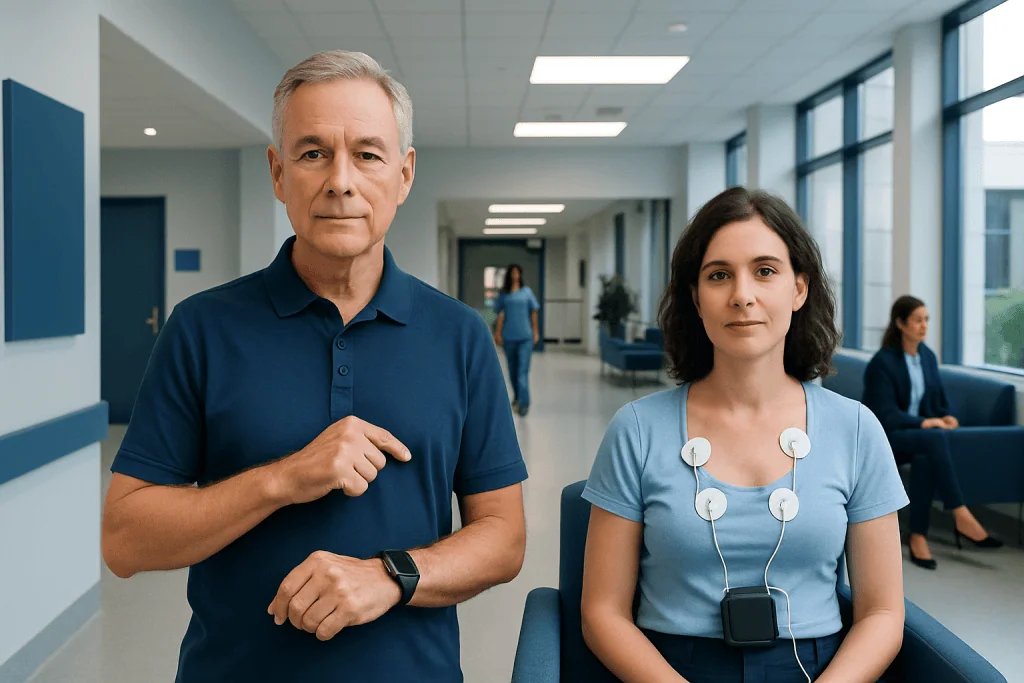
A Holter monitor records heart rhythm continuously, usually for 24 to 48 hours or longer. A wearable ECG often records on demand or at selected times, which can help capture occasional symptoms.
Key Takeaways
- A Holter monitor records heart rhythm continuously, usually for 24 to 48 hours or longer.
- A wearable ECG often records on demand or at selected times, which can help capture occasional symptoms.
- Test choice depends on symptom frequency, severity, and the suspected rhythm problem.
- Neither option replaces urgent medical care for chest pain, fainting, or severe shortness of breath.
- A doctor may recommend additional tests if symptoms are infrequent or if results are unclear.
Wearable ECG devices and Holter monitors can both help detect abnormal heart rhythms, but they work in different ways and suit different symptom patterns. The best choice depends on how often symptoms happen, how long they last, and whether a doctor needs continuous or event-based monitoring.
Overview: How These Heart Rhythm Tests Differ
Both a wearable ECG and a Holter monitor are used to evaluate the heart’s electrical activity. They can help doctors look for arrhythmias, which are abnormal heart rhythms that may cause symptoms such as palpitations, dizziness, skipped beats, or a racing heartbeat. Although both tools record heart rhythm, they are designed for slightly different situations.
A Holter monitor is a medical device prescribed by a doctor. It is usually worn continuously for 24 to 48 hours, though some extended versions may be used longer. Small electrodes are attached to the chest and connected to a portable recorder. Because it records every heartbeat during the monitoring period, it is especially useful when symptoms happen every day or nearly every day.
A wearable ECG is often smaller and more flexible. Depending on the device, it may record a short ECG tracing when the person activates it during symptoms, or it may monitor rhythm passively and flag irregular patterns. Some wearable devices are consumer products, while others are medical-grade systems used under clinical supervision. This can make them helpful for symptoms that are brief or intermittent.
The main question is not which test is universally better, but which one matches the person’s symptom pattern. In many cases, the choice depends on whether the doctor needs a continuous record of all heartbeats or a practical way to capture occasional episodes when they happen.
When a Wearable ECG May Be a Better Fit
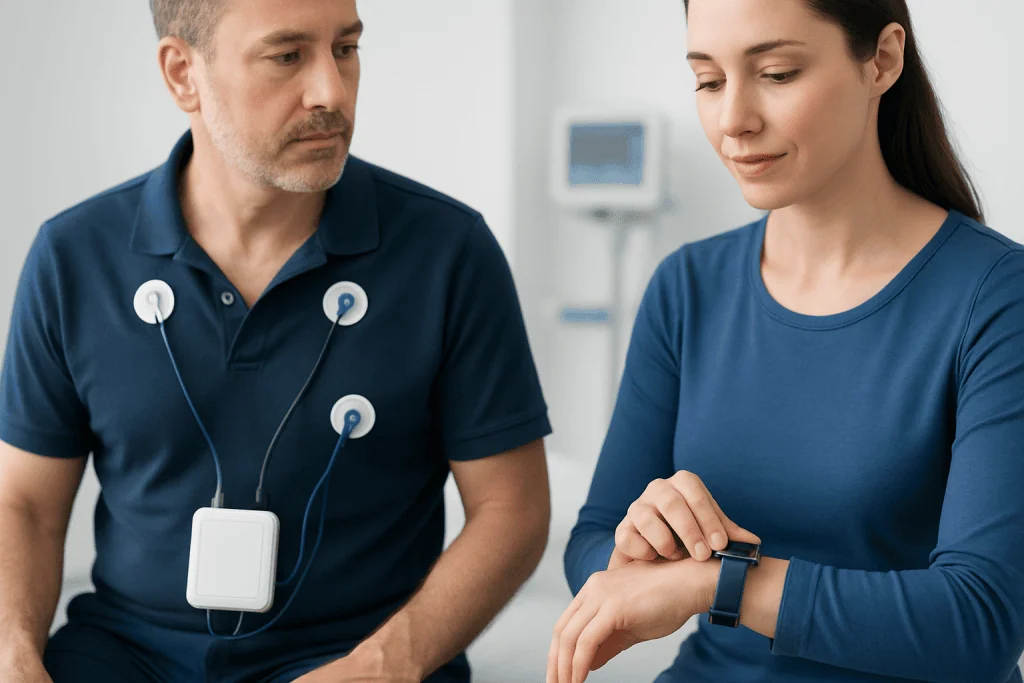
A wearable ECG may be a good option when symptoms do not happen every day. For example, if a person notices palpitations once every few days or only during stress, exercise, or poor sleep, a short-term Holter monitor may miss the episode. A wearable device that can be used over a longer period may increase the chance of recording the heart rhythm during symptoms.
Many wearable ECGs are especially useful when symptoms are short and the person is alert enough to activate the recording. If a fluttering sensation, pounding heartbeat, or skipped beats start suddenly, recording an ECG at that moment can provide valuable information. This may help a doctor distinguish between benign extra beats and a more significant rhythm problem.
Wearable ECGs can also support symptom tracking. Some devices allow the user to note what they were doing when symptoms occurred, such as resting, exercising, drinking caffeine, or feeling anxious. This context can help doctors interpret the rhythm strip more accurately and decide whether more formal evaluation is needed.
However, wearable ECGs have limitations. They may not capture events if symptoms begin and end too quickly, if the person forgets to record, or if the device only records a single lead rather than a full medical ECG. They are useful screening tools, but the results still need clinical interpretation, especially if the person may have a condition such as arrhythmia.
When a Holter Monitor May Be the Better Choice
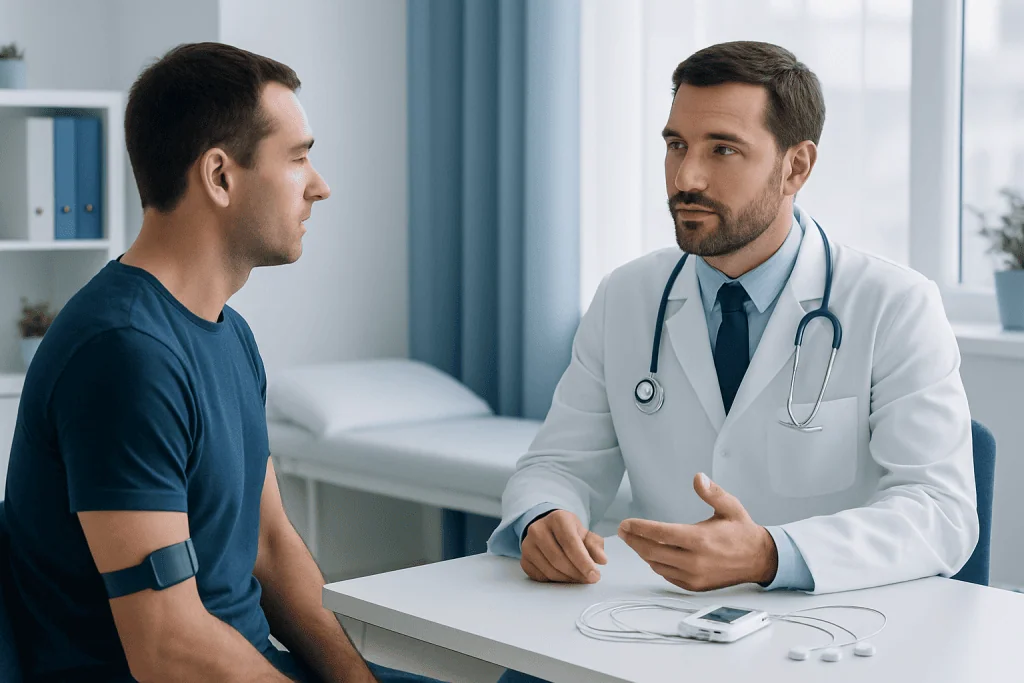
A Holter monitor is often preferred when symptoms occur daily or when a doctor wants a complete continuous record. Because it records every heartbeat during the monitoring period, it can detect abnormalities that the person may not even notice. This is helpful for finding silent arrhythmias, heart rate changes during sleep, or patterns linked to routine daily activities.
Holter monitoring may also be recommended after an abnormal office ECG, after a hospital visit for palpitations, or when symptoms such as dizziness or near-fainting raise concern. In these situations, a continuous record may provide a clearer picture than intermittent self-recorded data. A Holter monitor can show not only whether an arrhythmia occurred, but also how long it lasted and how often it happened.
Another advantage is that Holter monitors are established medical diagnostic tools. The recording is reviewed in a structured way by trained professionals, often alongside a symptom diary. This can improve diagnostic accuracy when compared with informal readings from a consumer device alone.
Even so, a Holter monitor has practical limits. If symptoms happen only once every few weeks, a 24- to 48-hour recording may not capture them. In that case, a doctor may suggest longer-term monitoring or additional testing such as electrocardiography (ECG) in clinic, event monitoring, or other rhythm evaluation methods.
Symptoms and Situations That Guide Test Selection
The type, frequency, and severity of symptoms usually guide the choice between a wearable ECG and a Holter monitor. Common reasons for heart rhythm testing include palpitations, a sensation of skipped beats, episodes of rapid heartbeat, dizziness, unexplained fatigue, and occasional shortness of breath. Some people seek testing after a smartwatch alert suggests an irregular rhythm.
If symptoms happen once or more each day, a Holter monitor may be more practical because continuous recording is more likely to capture the event. If they happen less often, a wearable ECG or another longer-term monitor may be more appropriate. Doctors also consider how long the symptoms last. Very brief episodes may be difficult to catch unless the device is already recording.
The person’s medical history matters too. A history of structural heart disease, previous stroke, fainting, or a family history of sudden cardiac problems may prompt a more formal evaluation. In these cases, doctors may choose more comprehensive monitoring even if symptoms seem mild.
Urgent symptoms need immediate medical care rather than routine monitoring. These include chest pain, collapse, severe breathlessness, or fainting. A wearable device can be helpful in some circumstances, but it should not delay emergency assessment if symptoms suggest a potentially serious cardiac event such as heart attack.
How Doctors Diagnose Arrhythmias Using These Tools
Heart rhythm diagnosis usually starts with a medical history, physical examination, and a standard ECG. If the resting ECG is normal but symptoms continue, ambulatory monitoring may be recommended. This is where a Holter monitor or wearable ECG can play an important role. The goal is to match symptoms with what the heart rhythm was doing at that exact time.
Doctors often ask the person to keep a diary during monitoring. Recording the time of palpitations, dizziness, exercise, sleep, meals, and stress can help connect symptoms to the tracing. Even if the rhythm is normal during symptoms, that information is useful because it may suggest another explanation.
The data are interpreted in context. A few extra beats may be harmless in one person but more significant in another with existing heart disease. Likewise, an irregular reading from a wearable device does not always mean a dangerous condition is present. Motion artifact, poor skin contact, and device limitations can all affect recordings.
If monitoring suggests a significant rhythm problem, the next step may include further testing or specialist assessment. Depending on the findings, a doctor might recommend cardiology evaluation, an echocardiogram, blood tests, or longer rhythm monitoring to better define the issue and choose treatment.
Treatment and Follow-Up After an Abnormal Result
Treatment depends on the type of rhythm disturbance found, the person’s symptoms, and their overall heart health. Some abnormal rhythms are harmless and need only reassurance, lifestyle adjustment, or periodic follow-up. Others may require medication, further monitoring, or a procedural treatment if they increase the risk of complications.
For example, doctors may address triggers such as excessive caffeine, alcohol, dehydration, poor sleep, or stimulant medications. If the tracing suggests atrial fibrillation, supraventricular tachycardia, pauses, or frequent ectopic beats, management is individualized. The aim is to reduce symptoms, improve quality of life, and lower any associated risk.
When symptoms are significant or episodes are difficult to control, a specialist may discuss advanced options. In selected cases, treatment may involve medicines, close follow-up, or procedures such as cardiac ablation for certain rhythm disorders. Not everyone with an abnormal recording needs invasive treatment, and many people are managed conservatively.
If international patients need further assessment, Acibadem International’s multidisciplinary specialists and JCI-accredited hospitals diagnose and treat heart rhythm conditions using modern cardiac testing and personalized follow-up plans.
Practical Tips, Limitations, and When to Seek Medical Advice
To get the best results from either test, patients should follow the instructions carefully. For a Holter monitor, this usually means wearing it continuously, keeping electrodes attached, and recording symptoms accurately. For a wearable ECG, it means learning how to start a recording promptly and making sure the device is positioned correctly.
It is also important to understand limitations. Consumer wearables can be helpful, but they do not replace professional medical evaluation. A normal reading does not always rule out a rhythm problem, especially if symptoms are infrequent. On the other hand, an alert or unusual tracing may not always indicate disease.
Medical advice should be sought if palpitations are new, worsening, or associated with dizziness, fainting, chest discomfort, breathlessness, or reduced exercise tolerance. Even if symptoms seem minor, persistent episodes deserve discussion with a qualified doctor, especially in older adults or people with known heart conditions.
In short, the best test is the one most likely to capture the rhythm at the time symptoms occur. A clinician can help decide whether a wearable ECG, a Holter monitor, or a different type of monitoring is the most appropriate next step.
Frequently asked questions
What is the main difference between a wearable ECG and a Holter monitor?
A Holter monitor records the heart continuously for a set period, often 24 to 48 hours or longer. A wearable ECG usually records short tracings on demand or flags possible irregular rhythms over time. The main difference is continuous monitoring versus more selective or event-based recording.
Which test is better for occasional palpitations?
If palpitations happen only occasionally, a wearable ECG may be more practical because it can sometimes be used over a longer period and activated during symptoms. A short Holter study may miss infrequent episodes. The best choice depends on how often symptoms occur and what rhythm problem is suspected.
Can a smartwatch replace a Holter monitor?
A smartwatch or other wearable ECG can be helpful for screening and symptom capture, but it does not fully replace a Holter monitor in many medical situations. Holter monitors provide continuous clinical-grade recording and formal analysis. Doctors may use smartwatch information as a starting point, then recommend medical monitoring if needed.
Do these tests diagnose every type of arrhythmia?
No single test detects every arrhythmia in every patient. Some rhythm problems are brief, rare, or difficult to capture, especially if they do not happen during the monitoring period. If symptoms persist, a doctor may recommend longer monitoring or additional heart tests.
Are wearable ECGs accurate?
Many wearable ECG devices can provide useful rhythm information, especially when used correctly. However, accuracy varies by device, recording quality, and the type of rhythm being assessed. Any abnormal or unclear result should be reviewed by a qualified healthcare professional.
When should someone seek urgent care instead of waiting for a monitor test?
Urgent medical care is important if symptoms include chest pain, fainting, severe shortness of breath, collapse, or ongoing rapid heartbeat with weakness or distress. Monitoring devices are useful, but they should not delay emergency evaluation when symptoms are severe. If there is any doubt, prompt medical assessment is the safest choice.
References
- American Heart Association
- National Heart, Lung, and Blood Institute
- European Society of Cardiology
- Mayo Clinic
- National Institute for Health and Care Excellence
This article is for general information only and is not a substitute for professional medical advice. Please consult a qualified doctor about your individual situation.
Explore treatments in Turkey — costs, top hospitals & a free quote
JCI-accredited · board-certified surgeons · reply within 24h
Add us as a Preferred Source to see more of our trusted health content across Google Search, AI Overviews and Discover.
Check your numbers in seconds
BMI, calories, due date, blood pressure and 30+ more clinical calculators — free, instant, doctor-reviewed ranges.