Weight Gain after Chemo Treatment: How It Works, Results and What to Expect

Weight changes during and after chemotherapy can have several causes, including medications, fluid retention, reduced activity and hormonal changes. Gaining weight during chemotherapy is not automatically good or bad; the cause, speed of change and overall nutritional status matter.
Key Takeaways
- Weight changes during and after chemotherapy can have several causes, including medications, fluid retention, reduced activity and hormonal changes.
- Gaining weight during chemotherapy is not automatically good or bad; the cause, speed of change and overall nutritional status matter.
- Gradual, individualized nutrition and activity plans are generally safer than restrictive dieting during active treatment.
- Persistent weight gain after treatment may improve gradually, but recovery varies with cancer type, treatment plan and overall health.
- Sudden weight gain, swelling, breathlessness or a rapid increase in abdominal size requires timely medical advice.
Weight gain after chemo treatment is common for some people and is often related to treatment medicines, changes in appetite, fluid retention, hormone effects, reduced activity and recovery-related stress. It is not a measure of treatment success or failure, but new or rapid weight changes should be discussed with the oncology team.
Overview: why weight gain can happen after chemotherapy
Weight gain after chemo treatment can occur during chemotherapy or in the months after it ends. Although many people expect cancer treatment to cause weight loss, some gain weight because of medication effects, increased appetite, less physical activity, fluid retention, changes in sleep and stress, or changes in metabolism and hormones.
Chemotherapy itself is not a weight-gain procedure, and there is no single expected result. The pattern depends on the cancer type, treatment combination, use of steroids or hormone therapy, menopause status, pre-treatment weight, eating changes and recovery from side effects. A doctor or oncology dietitian can help distinguish body-fat gain from fluid retention and ensure that nutrition remains adequate during treatment.
Weight gain can be frustrating, particularly when a person is also coping with fatigue, body-image changes and the emotional impact of cancer. It deserves compassionate, practical attention, but aggressive dieting is usually not appropriate during active chemotherapy unless the oncology team specifically recommends it.
How weight changes work during and after chemo
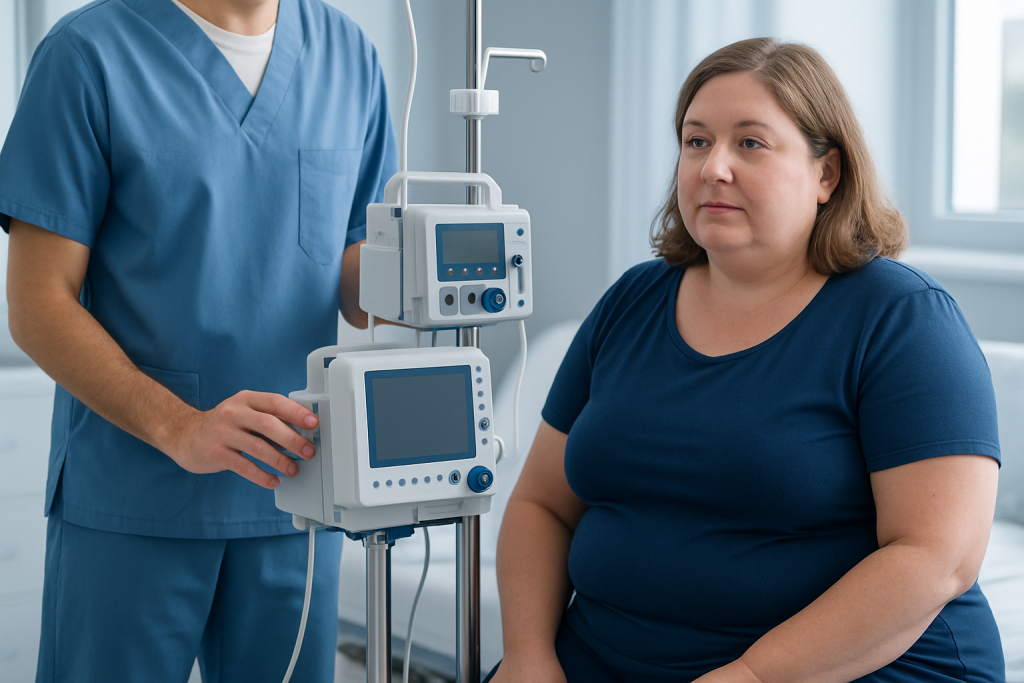
Body weight reflects more than body fat. It can change because of fluid, muscle, food intake, bowel habits and treatment-related inflammation. This is why a number on the scale alone does not explain what is happening, and why the care team may look at symptoms, physical examination findings, laboratory tests and trends over time.
Steroid medicines are often given with chemotherapy to reduce nausea, prevent allergic reactions or support certain treatment plans. They can increase appetite, alter blood sugar regulation and cause temporary fluid retention. Some people also eat more frequently to settle nausea or a sensitive stomach, often choosing calorie-dense foods that are easier to tolerate.
Fatigue, anemia, pain, neuropathy and low mood can reduce day-to-day movement. A decrease in activity may lead to loss of muscle mass while body fat increases, even if total weight changes only modestly. In some cancers, additional treatments such as hormone therapy, ovarian suppression or early menopause may contribute to longer-term metabolic and body-composition changes.
- Body-fat gain: often develops gradually when calorie intake exceeds energy use.
- Fluid retention: may cause rapid changes and swelling in the ankles, hands, face or abdomen.
- Muscle loss: can occur alongside weight gain when activity and protein intake fall.
Who is more likely to gain weight during treatment?
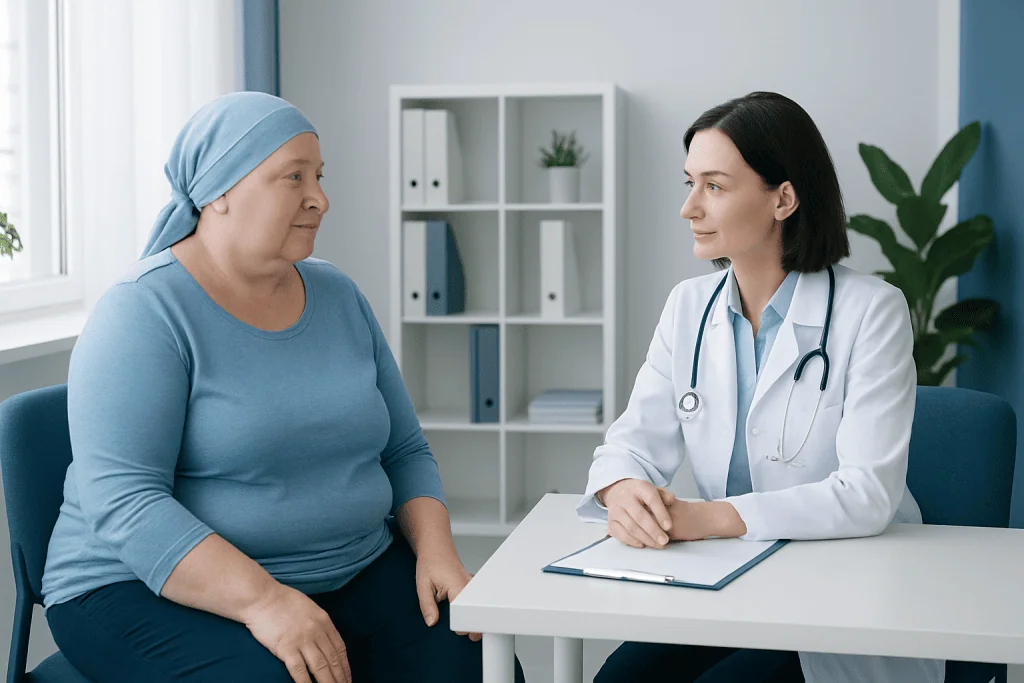
Anyone receiving chemotherapy can experience weight changes, but not everyone will gain weight. Weight gain may be more likely when treatment includes corticosteroids, when activity becomes limited by fatigue or other side effects, or when appetite returns after an early period of nausea or poor intake.
People receiving treatment that affects ovarian function, testosterone levels or other hormones may also notice shifts in body composition. Midlife adults, people who enter menopause early because of treatment, and those with pre-existing insulin resistance, diabetes or thyroid conditions may need especially individualized monitoring.
Previous weight history, emotional eating, disrupted sleep and practical barriers to cooking or exercise can contribute as well. None of these factors mean a person has done anything wrong. The aim is to understand the likely causes and choose changes that support healing, strength and long-term health.
Assessment and a step-by-step plan for managing weight gain
There is no separate procedure required for most chemotherapy-related weight gain. Management begins with a clinical review that identifies whether the change is due to fat, fluid, medication effects, constipation, hormonal factors or another medical issue. The oncology team may review the timing of weight change, medicines, treatment schedule, appetite, activity level and symptoms such as swelling or shortness of breath.
Next, clinicians may check blood pressure, blood sugar, blood counts, kidney and liver function, and sometimes thyroid function when appropriate. A dietitian can assess protein intake, meal patterns, nausea, taste changes and whether the person is maintaining muscle. The care team may also evaluate whether a medication adjustment is possible; patients should never stop chemotherapy, steroids or supportive medicines on their own.
A typical plan is developed step by step: first address urgent fluid retention or uncontrolled symptoms, then protect nutritional intake during treatment, and finally introduce sustainable food and movement habits as strength returns. Useful strategies may include regular meals with vegetables, fruit, whole grains and protein sources; limiting highly processed snack foods and sugary drinks; and keeping a simple record of weight, symptoms and activity rather than focusing on daily fluctuations.
For people affected by cancer-related fatigue or deconditioning, supervised rehabilitation or a gentle exercise plan can be valuable. Walking, light resistance exercises and flexibility work can often be adapted to current energy levels, blood counts and treatment effects. The appropriate level of activity should be confirmed with the oncology team.
Recovery timeline and what results to expect
There is no fixed timeline for weight to return to a previous level after chemotherapy. If the increase is mainly fluid retention from medicines, it may improve over days to weeks after the medication is reduced or stopped, although this should be monitored by the clinical team. Changes related to appetite, inactivity, menopause or hormone treatment may take months and can persist longer.
Many people find that energy and food tolerance improve gradually after chemotherapy ends. This can make regular activity and meal planning more manageable. However, recovery can be uneven, particularly when radiation therapy, surgery, ongoing immunotherapy, targeted therapy or endocrine treatment is also part of care.
The most meaningful result is not necessarily reaching a pre-cancer number on the scale quickly. Maintaining strength, improving stamina, supporting heart and metabolic health, and avoiding malnutrition are often more important early goals. Slow, steady changes are generally more sustainable than rapid weight loss and are less likely to compromise recovery.
How long does it take to gain weight back after chemo?
The time needed to regain weight after chemotherapy varies widely. A person who lost weight because of nausea, mouth sores, altered taste or poor appetite may begin to regain it within weeks once symptoms improve, but it can take several months to restore weight, muscle and energy safely.
If the question refers to losing weight gained during chemotherapy, the same principle applies: there is no universal schedule. Fluid-related weight may settle relatively quickly after the cause is treated, while body-fat changes usually respond more gradually to nutrition, activity, sleep and medical management. Ongoing cancer treatments can affect the pace of change.
Weight recovery should be reviewed in context. Rapid regain after major weight loss may not always represent restored muscle, and continued unintentional loss should be assessed promptly. A dietitian with oncology experience can help set a safe, realistic target.
How to get rid of chemo weight gain?
Chemo-related weight gain is best approached with a gradual, medically informed plan rather than a restrictive diet. During active treatment, the priority is often to maintain enough calories, protein, fluids and essential nutrients to tolerate therapy and heal. Once the oncology team confirms it is appropriate, modest changes in food choices and activity can support gradual fat loss or weight stabilization.
Helpful habits include building meals around protein-rich foods, vegetables, fruit and high-fibre carbohydrates when tolerated; planning snacks instead of grazing; choosing water or unsweetened drinks more often; and reducing foods that are high in added sugars or heavily processed. Portion awareness can be useful, but skipping meals or eliminating major food groups without guidance may worsen fatigue or nutrient deficiencies.
Physical activity should begin at a comfortable level. Short walks, chair exercises, gentle cycling or strength work with light resistance can help preserve muscle and improve function. A doctor may recommend referral to a physiotherapist, exercise specialist or oncology dietitian when symptoms, mobility limitations or other medical conditions complicate weight management.
Why is it so hard to lose weight after chemo?
Weight loss after chemotherapy can be difficult because treatment and recovery may change several parts of daily life at once. Fatigue can make activity harder, sleep may be disrupted, appetite may remain altered, and emotional stress can affect eating patterns. Steroids or hormonal therapies may continue to influence appetite, blood sugar and body composition after chemotherapy has finished.
Loss of muscle during treatment can also lower the amount of energy the body uses at rest. This means that returning to a previous eating pattern may not produce the same result as before treatment. Rebuilding strength through safe resistance activity, enough protein and gradual increases in movement may be as important as reducing calories.
It is also important to rule out treatable contributors such as thyroid disease, diabetes, depression, medication effects and ongoing fluid retention. A clinician can help determine whether weight management needs medical evaluation rather than greater dietary restriction.
Is gaining weight while on chemo good?
Gaining weight while on chemotherapy is not automatically good or bad. For someone who was underweight or had been losing weight unintentionally, a gradual increase that reflects improved food intake and strength can be helpful. For others, rapid gain may signal fluid retention, medication effects or a need for additional nutrition and activity support.
The important question is why the weight is changing and how the person feels overall. New ankle swelling, puffiness, abdominal swelling, breathlessness, reduced urination or a rapid increase in weight should be reported promptly because these symptoms may need medical assessment.
Rather than trying to judge weight changes alone, patients can ask their oncology team about nutritional status, muscle strength, hydration and medication effects. This gives a clearer picture of whether the change supports recovery or needs treatment.
When to seek medical care
Contact the oncology team promptly for sudden or marked weight gain, especially when it occurs over a few days or is accompanied by swelling of the legs, hands, face or abdomen. Breathlessness, chest discomfort, severe weakness, confusion, fever, persistent vomiting or inability to keep fluids down also require urgent medical advice.
A planned appointment is appropriate for steady weight gain that feels difficult to manage, ongoing appetite changes, concerns about body image, constipation, low activity, or questions about exercise and diet during treatment. Early support can prevent minor concerns from becoming more difficult later.
Acibadem International’s multidisciplinary specialists and JCI-accredited hospitals support international patients with cancer diagnosis, treatment and recovery planning, including nutrition and rehabilitation needs. Care should always be individualized with a qualified oncology team familiar with the person’s cancer treatment plan.
Frequently asked questions
Can chemotherapy cause weight gain even if appetite is not increased?
Yes. Weight can rise because of fluid retention, reduced activity, constipation, changes in muscle mass or medication effects, even without a major increase in appetite. A clinician can help determine the most likely cause, particularly if the change is rapid.
Do steroids given with chemotherapy cause weight gain?
Steroids may increase appetite, affect blood sugar and cause temporary fluid retention. They are often an important part of supportive cancer care, so they should not be changed or stopped without the oncology team’s direction.
Should a person diet while receiving chemotherapy?
Strict dieting is usually not recommended during active chemotherapy unless it is specifically supervised by the oncology team. Adequate protein, calories and hydration are important for treatment tolerance, immune function and recovery.
Can exercise help with chemotherapy-related weight gain?
Appropriately tailored activity can help maintain muscle, improve fatigue and support long-term weight management. The type and intensity should be adjusted for treatment effects, blood counts, bone health, surgery recovery and current energy levels.
When is weight gain during chemotherapy an emergency?
Sudden weight gain with swelling, shortness of breath, chest discomfort, severe abdominal swelling or reduced urination should be reported urgently. These symptoms can indicate fluid retention or another condition requiring prompt assessment.
Will weight gained during chemotherapy go away after treatment?
Some weight changes, especially medication-related fluid retention, may improve after treatment changes. Weight gain related to reduced activity, hormonal effects or body-composition changes may take longer and may benefit from individualized dietitian and exercise support.
References
- American Cancer Society
- National Cancer Institute
- American Society of Clinical Oncology
- World Cancer Research Fund International
This article is for general information only and is not a substitute for professional medical advice. Please consult a qualified doctor about your individual situation.
Medical weight-loss options in Turkey — costs & eligibility
JCI-accredited · board-certified surgeons · reply within 24h
Add us as a Preferred Source to see more of our trusted health content across Google Search, AI Overviews and Discover.
Check your numbers in seconds
BMI, calories, due date, blood pressure and 30+ more clinical calculators — free, instant, doctor-reviewed ranges.