Weight Loss Clinic: A Complete Medical Overview

A weight loss clinic looks beyond diet alone and checks for medical, hormonal, medication-related, and lifestyle causes of weight gain. Treatment plans are individualized and may combine nutrition, exercise, sleep, behavior support, medications, and sometimes surgery.
Key Takeaways
- A weight loss clinic looks beyond diet alone and checks for medical, hormonal, medication-related, and lifestyle causes of weight gain.
- Treatment plans are individualized and may combine nutrition, exercise, sleep, behavior support, medications, and sometimes surgery.
- Medical supervision can improve safety, especially for people with obesity, diabetes, high blood pressure, sleep apnea, or other health concerns.
- Progress is usually measured by better health markers and sustainable habits, not only by the number on the scale.
- A qualified clinic should offer evidence-based care, regular follow-up, and coordination with other specialists when needed.
A weight loss clinic is a medical service that evaluates why weight gain is happening and builds a safe, personalized plan for weight loss. Depending on a person’s needs, care may include nutrition counseling, activity guidance, behavior support, medicines, or bariatric procedures.
What a Weight Loss Clinic Does
A weight loss clinic is a healthcare setting that helps people lose weight through medical assessment and structured treatment. Rather than offering one diet for everyone, the clinic identifies factors that may be affecting body weight, such as eating patterns, physical activity, sleep quality, stress, medications, hormone conditions, and obesity-related illnesses.
This type of care can be helpful for people who have tried to lose weight on their own without lasting results, as well as those whose weight is affecting their health. A clinic may support people with overweight, obesity, or weight gain linked to conditions such as insulin resistance, thyroid disease, polycystic ovary syndrome, or limited mobility.
Care is usually provided by a team. Depending on the clinic, this may include physicians, dietitians, nurses, psychologists, endocrinologists, and bariatric surgeons. The goal is not only weight reduction, but also long-term improvement in health, function, and quality of life.
Who May Benefit From Medical Weight Management
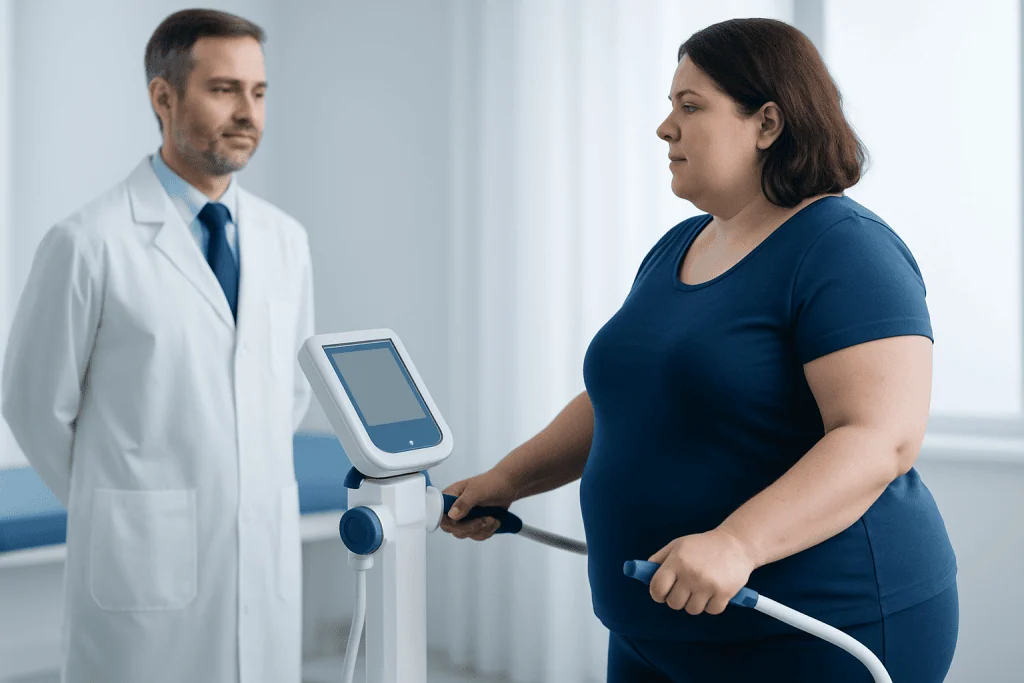
A weight loss clinic may benefit adults whose body weight is contributing to health concerns or daily limitations. This often includes people with obesity, prediabetes or diabetes, high blood pressure, high cholesterol, fatty liver disease, joint pain, reflux, or breathing problems during sleep. Some people seek care because repeated dieting has led to weight regain, frustration, or emotional stress around eating.
Medical weight management can also help when weight changes seem difficult to explain. For example, an underlying endocrine or metabolic issue may be involved, or a prescribed medicine may contribute to weight gain. In these situations, a clinic can look for treatable causes and adjust the care plan accordingly.
A clinic may also be appropriate for people considering procedural options. If a person has severe obesity or obesity-related complications, doctors may discuss obesity surgery as one part of a broader treatment pathway. This decision is usually made only after a full evaluation and a careful discussion of benefits, risks, and long-term lifestyle needs.
How the Evaluation Works

The first visit usually focuses on understanding the person’s medical history and weight history in detail. The clinician may ask about previous diet attempts, physical activity, eating triggers, medications, sleep, stress, alcohol use, smoking, and family history. Height, weight, waist measurement, and blood pressure are commonly checked, along with signs of obesity-related complications.
Laboratory tests may be recommended to look for health conditions that can affect weight or be affected by it. These tests often assess blood sugar, cholesterol, liver function, kidney function, and thyroid status. Depending on symptoms, the clinician may also evaluate for conditions such as diabetes, sleep apnea, or hormonal disorders.
The purpose of this evaluation is to create a treatment plan that matches the person’s medical needs and personal goals. In a good clinic, the discussion also explores realistic expectations, readiness for change, daily routines, and any barriers such as pain, work schedules, food access, or emotional eating.
Treatment Options in a Weight Loss Clinic
Most treatment plans begin with lifestyle therapy, but in a medical clinic this is usually more structured than general advice. Patients may receive a tailored nutrition plan, guidance on portion control, support with meal timing, and practical strategies for shopping, cooking, and eating in social settings. Physical activity recommendations are adapted to fitness level, age, and joint or heart health.
Behavioral support is another core part of treatment. This may include identifying triggers for overeating, improving sleep, reducing stress, setting goals, and building routines that can be maintained over time. Some clinics involve counseling or psychology support when binge eating, anxiety, low mood, or long-standing diet distress may be affecting progress.
For some people, doctors may prescribe anti-obesity medication as part of a comprehensive plan. Medication is not a shortcut, but it can be useful when lifestyle changes alone are not enough or when obesity-related medical conditions increase health risk. If diabetes is also present, treatment may be coordinated with broader diabetes treatment to improve blood sugar control and weight management together.
When obesity is severe or has led to major health complications, a procedural approach may be considered. Bariatric operations such as gastric bypass or sleeve gastrectomy can support meaningful weight loss in carefully selected patients. These procedures require preoperative assessment, long-term follow-up, and lifelong attention to nutrition and medical monitoring.
What Results to Expect
Healthy weight loss is usually gradual. A medical team will often focus on sustainable progress rather than rapid changes that are hard to maintain. Even a modest reduction in body weight can improve blood pressure, blood sugar, cholesterol, sleep, mobility, and joint symptoms.
Success is not measured only by kilograms or pounds lost. Better stamina, fewer cravings, improved sleep, less reflux, a lower need for certain medications, and more confidence in daily routines can all be meaningful outcomes. For people with obesity-related conditions, improvement in health markers may be as important as the change on the scale.
Weight loss can slow or plateau over time, which is common and does not always mean the plan has failed. Clinics help by reviewing food intake, exercise patterns, sleep, medications, and metabolic issues, then adjusting treatment in a practical way. Regular follow-up is often one of the main reasons medical weight management is more sustainable than self-directed dieting alone.
How to Choose a Weight Loss Clinic
Not every program offering weight loss support provides the same level of medical care. A reliable weight loss clinic should begin with a thorough assessment and explain the reasons behind its recommendations. It should avoid one-size-fits-all claims, extreme diets, or promises of fast results without discussing safety and long-term maintenance.
Patients may wish to ask whether the clinic is physician-led, whether registered dietitians or behavioral health professionals are involved, and how often follow-up visits are scheduled. It is also useful to ask how the clinic monitors blood pressure, blood sugar, nutrition status, and medication effects, especially if treatment includes prescription drugs or surgery.
For people with complex health needs, access to multiple specialties can be important. A multidisciplinary center can coordinate care for conditions linked to weight, such as thyroid disorders and related evaluations or metabolic disease, while keeping the overall plan consistent. Near the end of the treatment journey, long-term follow-up should remain part of care so that maintenance and relapse prevention are addressed.
Prevention, Self-Care, and Long-Term Maintenance
Long-term weight management usually depends on habits that are realistic enough to continue. Helpful foundations include regular meals, more vegetables and fiber-rich foods, limiting highly processed snacks and sugary drinks, and building activity into the week in a way that suits the person’s physical abilities. Good sleep and stress management are also important, because both can affect appetite, cravings, and energy use.
Self-monitoring can support maintenance. Some people benefit from tracking meals, activity, or weight trends, while others do better with simpler routines such as planned shopping lists, consistent breakfast habits, or scheduled walks. The best method is one that improves awareness without creating guilt or excessive focus on the scale.
Relapse can happen, especially during illness, travel, major life changes, or emotional stress. A weight loss clinic can help patients respond early by reviewing what changed and restoring structure step by step. At Acibadem International, multidisciplinary specialists in JCI-accredited hospitals evaluate and treat weight-related conditions for international patients when specialist care is needed.
When to Seek Medical Care
Medical advice should be sought when weight gain is rapid, unexplained, or accompanied by symptoms such as severe fatigue, swelling, shortness of breath, menstrual changes, snoring with daytime sleepiness, or increased thirst and urination. These signs may point to an underlying condition that needs evaluation rather than diet advice alone.
It is also important to speak with a doctor if a person has obesity together with diabetes, high blood pressure, heart disease, joint disease, liver disease, or depression. Professional support may lower health risks and help make treatment safer. People who are considering weight loss medication or surgery should always have a full medical consultation first.
Urgent medical attention is needed for chest pain, severe breathing problems, fainting, signs of stroke, or other emergency symptoms. For non-urgent concerns, early assessment can prevent complications and help build a more effective plan.
Frequently asked questions
What is the difference between a weight loss clinic and a regular diet program?
A weight loss clinic provides medical evaluation as well as weight management support. It looks for causes of weight gain, checks for obesity-related health problems, and may offer medications or surgical referral when appropriate. A regular diet program may focus mainly on food plans without assessing broader medical needs.
Do people need a referral to visit a weight loss clinic?
This depends on the healthcare system and the clinic. Some clinics accept self-referrals, while others prefer or require a referral from a primary care doctor or specialist. People with multiple medical conditions may benefit from referral so that records and test results can be shared.
Will a weight loss clinic always prescribe medication?
No. Medication is only one possible part of treatment and is not appropriate for everyone. Many people begin with structured lifestyle and behavioral support, and doctors consider medication based on body weight, health conditions, previous efforts, and safety.
When is bariatric surgery considered?
Bariatric surgery is usually considered when obesity is severe or when weight-related health conditions are significantly affecting health and other treatments have not been enough. The decision involves careful assessment, discussion of risks and benefits, and long-term follow-up. Surgery works best when it is combined with nutritional, behavioral, and medical support.
How quickly will results appear?
Results vary from person to person, depending on starting weight, health conditions, treatment type, and consistency with the plan. Safe, steady progress is usually preferred over rapid weight loss. Improvements in energy, blood sugar, sleep, and blood pressure may appear even before large changes on the scale.
Can a weight loss clinic help if weight gain may be hormonal?
Yes. A medical clinic can evaluate for conditions such as thyroid problems, insulin resistance, or other endocrine issues when symptoms suggest they may be involved. If a condition is found, treatment can be adjusted so that weight management addresses both the underlying problem and daily lifestyle factors.
References
- World Health Organization
- Centers for Disease Control and Prevention
- National Institute of Diabetes and Digestive and Kidney Diseases
- American Association of Clinical Endocrinology
- Obesity Medicine Association
This article is for general information only and is not a substitute for professional medical advice. Please consult a qualified doctor about your individual situation.
Medical weight-loss options in Turkey — costs & eligibility
JCI-accredited · board-certified surgeons · reply within 24h
Add us as a Preferred Source to see more of our trusted health content across Google Search, AI Overviews and Discover.
Check your numbers in seconds
BMI, calories, due date, blood pressure and 30+ more clinical calculators — free, instant, doctor-reviewed ranges.

More from the Health Library

Meninges: What Patients Need to Know

Scalp Exfoliation: What Patients Need to Know

Co Sleeping: A Complete Medical Overview

Bump Inside Piercing: What Patients Need to Know

Tapping As: A Complete Medical Overview