What Affects the Cost of Diagnostic Tests and Imaging?

Diagnostic test cost is influenced by the test type, complexity, and technology involved. Where a test is performed can affect pricing because hospital, outpatient, and clinic fees differ.
Key Takeaways
- Diagnostic test cost is influenced by the test type, complexity, and technology involved.
- Where a test is performed can affect pricing because hospital, outpatient, and clinic fees differ.
- Professional interpretation by radiologists or other specialists may be billed separately.
- Additional needs such as contrast dye, sedation, repeat views, or lab tests can raise the total cost.
- Patients can often avoid surprises by asking for a written estimate and checking insurance coverage in advance.
The cost of diagnostic tests and imaging can vary widely for understandable reasons. Pricing is usually shaped by the type of test, the equipment and expertise required, the care setting, and whether extra steps such as contrast dye, laboratory work, or specialist interpretation are needed.
Overview: Why diagnostic test costs vary
Diagnostic tests help doctors confirm a diagnosis, rule out possible conditions, guide treatment, and monitor recovery. These tests may include blood work, ultrasound, X-rays, CT scans, MRI, mammography, endoscopy, and many other procedures. Although two tests may seem similar to patients, their pricing can be quite different because they use different equipment, staff time, and levels of medical expertise.
In general, diagnostic test cost reflects more than the image or result itself. It may include the use of specialized machines, supplies, safety protocols, the time of trained technologists, and interpretation by a radiologist or another physician. In some cases, the test also includes preparation, recovery, or the use of contrast material to make structures easier to see.
Costs also differ between healthcare systems, cities, and facilities. A hospital-based imaging department often has different overhead costs from a standalone outpatient center. A complex exam performed for an emergency or hospitalized patient may cost more than the same test scheduled in advance in an outpatient setting.
The type of test and its complexity
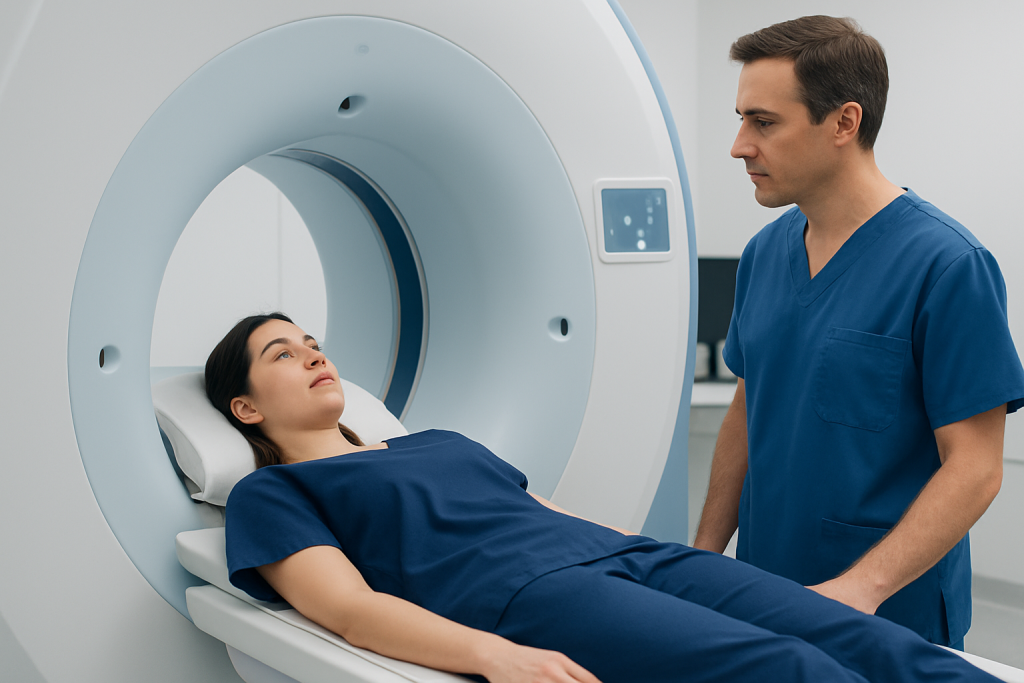
One of the biggest factors in diagnostic test cost is the kind of test being done. Simple tests such as standard X-rays or basic blood tests usually cost less than more advanced studies such as MRI, CT, nuclear medicine scans, or procedures that combine imaging with tissue sampling. This is because advanced tests require more sophisticated technology, longer scan times, and more specialized staff.
Complexity matters too. For example, an ultrasound of one body area may be less expensive than a detailed Doppler study that evaluates blood flow. A CT scan of a single body part may cost less than a multiphase scan, which takes images at several times after contrast injection. Similarly, a routine screening study may differ in cost from a targeted diagnostic exam done to investigate symptoms.
Some tests involve additional preparation or monitoring. A patient may need fasting, kidney function blood tests, intravenous access, or observation afterward. If a procedure includes sedation, biopsy, or image-guided intervention, the cost may increase because more staff, equipment, and recovery time are involved.
- Lower-complexity examples: standard X-ray, routine blood work, basic ultrasound
- Higher-complexity examples: MRI, CT with contrast, PET imaging, image-guided biopsy
- Added steps that may affect price: sedation, contrast dye, biopsy, monitoring, repeat images
Technology, equipment, and specialist expertise

Medical imaging depends on highly specialized equipment that is expensive to purchase, maintain, calibrate, and update. MRI and CT scanners, for example, require advanced hardware, software, safety systems, and quality-control checks. Facilities that invest in newer systems may offer certain benefits, such as shorter exam times or more detailed imaging, but the cost structure may be different from that of older or simpler equipment.
The skill of the healthcare team also contributes to pricing. Imaging tests are not just machine-based services. Technologists must position the patient correctly, follow safety standards, and obtain high-quality images. Afterward, a radiologist or another qualified specialist reviews the images and prepares a medical report. In some cases, a subspecialist, such as a neuroradiologist or cardiac imaging expert, may be involved, especially for more complex findings.
Some examinations require particularly detailed interpretation or multidisciplinary review. For example, cancer imaging, vascular studies, and advanced heart imaging may be reviewed alongside laboratory findings and clinical history. When more than one specialist contributes to diagnosis, the overall cost may reflect this additional professional input.
Where the test is performed
The setting where a diagnostic test takes place can significantly affect the final bill. Tests performed in a hospital may include hospital facility fees that support emergency readiness, inpatient services, and broader clinical infrastructure. By contrast, outpatient imaging centers may have a different fee structure because they focus on scheduled tests and may have lower operational overhead.
Geographic location also matters. Pricing can vary between countries, regions, and even neighborhoods based on local labor costs, operating expenses, regulations, and demand for services. A test performed in a large urban medical center may be priced differently from the same test in a smaller community facility.
Timing can also play a role. Emergency or after-hours imaging may cost more than a routine appointment booked during normal working hours. If a patient is already admitted to hospital, bedside or urgent imaging may involve logistical factors that increase cost compared with a planned outpatient study.
For international patients, total expenses may also include travel-related planning, translation support, and coordination between departments. Near the end of the care journey, some patients choose centers such as Acibadem International, where multidisciplinary specialists and JCI-accredited hospitals provide diagnostic evaluation and treatment for international patients.
Extra charges patients may not expect
Patients are sometimes surprised to learn that the quoted price for a test may not include every related service. A common example is contrast material. Some CT and MRI exams need contrast dye to improve visibility of blood vessels, organs, or inflammation. If contrast is required, there may be additional charges for the material itself, nursing support, supplies, and review of kidney function when appropriate.
Another possible extra cost is the physician interpretation fee. In some health systems, the facility charge and the professional fee are billed separately. Patients may also see separate charges for consultation, image storage, repeat views, laboratory tests before the procedure, or pathology analysis if a biopsy is performed.
Preparation and recovery can add to the total as well. Sedation, intravenous line placement, pregnancy testing when needed, or short-term observation after a procedure may all appear on the bill. If images are unclear because of movement or technical factors, repeat imaging may occasionally be necessary, which can affect time and cost.
- Contrast dye or tracer materials
- Facility fee and physician interpretation fee billed separately
- Pre-test lab work or screening questions
- Sedation, recovery, or observation time
- Biopsy, pathology, or additional images if needed
Insurance coverage, referrals, and administrative factors
Insurance status is often one of the most important practical factors in what a patient actually pays out of pocket. Even when the listed price is the same, the final amount can differ based on the person’s insurance plan, deductible, co-payment, co-insurance, and whether the provider or facility is in network. Some plans also require prior authorization before covering advanced imaging such as MRI or CT.
Referral patterns and medical necessity rules can influence cost indirectly. A doctor may begin with a lower-cost test, such as ultrasound or X-ray, before ordering a more advanced scan if it is clinically appropriate. This stepwise approach can help avoid unnecessary imaging while still reaching a safe diagnosis. However, if the initial test is inconclusive, additional testing may still be needed.
Administrative details matter too. Missing authorization, using an out-of-network center, or needing to repeat a study because previous images are unavailable can all lead to higher costs or delays. Bringing earlier reports and scans to the appointment may sometimes prevent duplication and help the specialist compare changes over time.
How patients can compare costs and prepare
Patients do not need to guess about imaging expenses. It is reasonable to ask the doctor’s office, imaging center, or hospital for a written estimate before the test. A helpful estimate should clarify what is included, such as the facility charge, specialist interpretation, contrast material, and any likely additional fees. If insurance is involved, patients can also ask whether prior authorization is required and whether the provider is in network.
It can help to ask why a specific test is recommended and whether there are appropriate alternatives. In some situations, one imaging method may provide similar information at a different cost, but the best choice depends on the medical question. For example, a doctor may choose ultrasound first for one problem and MRI first for another because accuracy and safety come before convenience alone.
Good preparation may reduce delays and unexpected charges. Patients should follow instructions about fasting, medications, metal objects, and arrival time. They should also mention pregnancy, kidney disease, allergies, implanted devices, or claustrophobia if relevant, since these factors may change the plan or require additional support.
- Request a written cost estimate in advance
- Confirm whether contrast, sedation, or specialist fees are included
- Check insurance authorization and network status
- Bring prior images and reports when possible
- Follow all preparation instructions carefully
When to discuss cost concerns with a doctor
Cost concerns are common and worth discussing openly with a doctor. If a test is urgent, the medical team can explain why it should not be delayed. If the situation is less urgent, they may be able to suggest timing options, a different care setting, or another suitable test that still answers the clinical question safely.
Patients should also ask questions if they do not understand why more than one test has been ordered. Sometimes tests provide different types of information, and using them together is medically appropriate. In other situations, sharing previous results may reduce the need for repeat imaging.
It is especially important to seek clarification if symptoms are significant, worsening, or associated with warning signs such as severe pain, breathing problems, confusion, weakness, or unexplained bleeding. In these cases, prompt medical evaluation matters more than price comparison alone. Financial planning is important, but urgent health needs should be assessed without delay.
Frequently asked questions
Why does the same imaging test cost different amounts at different places?
The price can vary because facilities have different operating costs, equipment, staffing, and billing structures. A hospital-based department may charge differently from an outpatient imaging center, and geographic location can also affect pricing.
Is a more expensive test always better?
Not necessarily. The best test is the one that most accurately answers the medical question while fitting the patient’s needs and safety considerations. A lower-cost test may be completely appropriate in some situations, while a more advanced test is needed in others.
What extra charges can be added to a diagnostic test?
Possible additional charges include contrast dye, laboratory tests, sedation, recovery time, repeat imaging, and physician interpretation fees. Asking for a written estimate in advance can help patients understand what is and is not included.
Does insurance always cover diagnostic imaging?
Coverage depends on the insurance plan, medical necessity rules, deductibles, co-payments, and whether the facility is in network. Some advanced imaging tests also need prior authorization before they are covered.
How can patients lower unexpected imaging costs?
Patients can ask for a written estimate, confirm insurance approval, and check whether the facility and specialist are in network. Bringing previous scans and reports may also help avoid unnecessary repeat testing.
Why might a doctor order more than one diagnostic test?
Different tests show different kinds of information. A doctor may use one test to screen and another to confirm, clarify, or guide treatment, especially when symptoms are complex or the first result is inconclusive.
This article is for general information only and is not a substitute for professional medical advice. Please consult a qualified doctor about your individual situation.
Explore treatments in Turkey — costs, top hospitals & a free quote
JCI-accredited · board-certified surgeons · reply within 24h
Add us as a Preferred Source to see more of our trusted health content across Google Search, AI Overviews and Discover.

More from the Health Library

What Is a Diagnostic Mammogram After an Abnormal Screening?

Cardiac MRI: Detailed Imaging for Heart Muscle and Blood Flow

Migraine MRI: When Brain Imaging Is Really Needed

EEG Test: What Brain Wave Monitoring Can Help Diagnose

Coronary CT Angiography: Imaging Heart Arteries Without a Catheter