What Are Hormones? A Simple Guide to How They Work

Hormones are made by glands and travel through the bloodstream to target tissues. They help regulate metabolism, growth, mood, sleep, stress response, and reproductive health.
Key Takeaways
- Hormones are made by glands and travel through the bloodstream to target tissues.
- They help regulate metabolism, growth, mood, sleep, stress response, and reproductive health.
- Small changes in hormone levels can affect how a person feels and how the body functions.
- Hormone problems may be diagnosed with symptoms, a physical exam, and blood or imaging tests.
- Treatment depends on the cause and may include lifestyle changes, monitoring, or medical therapy.
Hormones are chemical messengers that help the body communicate internally and keep many functions in balance. They influence growth, metabolism, sleep, stress, mood, and reproduction, often working quietly in the background every day.
Overview: What hormones are
Hormones are chemical messengers made by special glands in the body. After they are produced, they travel through the bloodstream and deliver signals to organs, muscles, skin, and other tissues. These signals tell the body what to do and when to do it, helping many systems work together smoothly.
The body relies on hormones to regulate essential processes such as growth, appetite, body temperature, sleep, sexual development, fertility, stress response, and the way food is turned into energy. Although hormone levels naturally rise and fall during the day and at different life stages, the body usually keeps them within a healthy range.
Most hormones are made by the endocrine system, a network of glands that includes the pituitary, thyroid, adrenal glands, pancreas, ovaries, and testes. Each gland has a different role, but they communicate closely with one another. Because of this, a change in one hormone can sometimes affect several parts of the body at once.
How hormones work in the body

Hormones work by attaching to receptors, which are like tiny docking stations on or inside cells. Once a hormone binds to its receptor, it triggers a response. For example, one hormone may tell cells to use more energy, while another may signal the body to grow, store nutrients, or prepare for stress.
The body uses feedback systems to keep hormone levels balanced. A common example is the relationship between the brain and endocrine glands. If hormone levels become too high or too low, the brain can adjust the signals it sends to those glands. This process helps maintain a steady internal environment, often called homeostasis.
Hormones may act quickly or gradually depending on their job. Adrenaline can cause a rapid response, such as a faster heartbeat during stress. Thyroid hormones, by contrast, tend to have broader and longer-lasting effects on metabolism, temperature regulation, and energy use.
Because hormones influence so many functions, even a small imbalance can sometimes cause noticeable symptoms. At the same time, symptoms such as tiredness or mood changes can have many causes, so proper medical evaluation is important before assuming hormones are responsible.
Major glands and common types of hormones
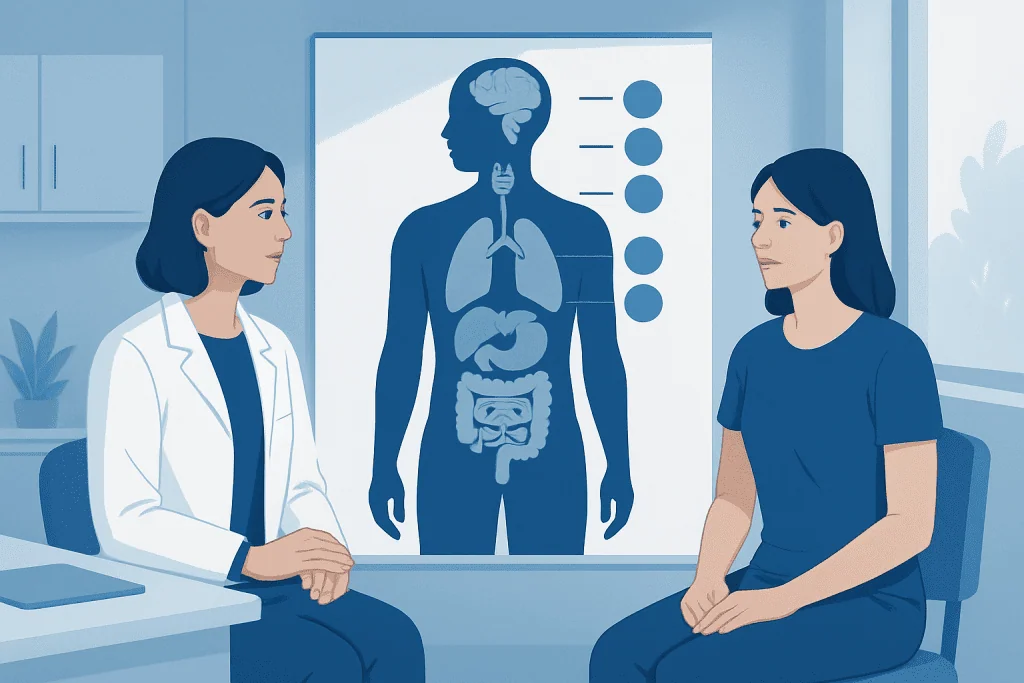
The endocrine system includes several important glands. The pituitary gland, located at the base of the brain, is often called the “master gland” because it helps control other endocrine glands. The thyroid gland in the neck helps regulate metabolism. The adrenal glands sit above the kidneys and support stress response, blood pressure, and salt balance. The pancreas helps control blood sugar by releasing insulin and glucagon.
Reproductive glands also produce hormones. In females, the ovaries make estrogen and progesterone, which are involved in menstrual cycles, fertility, pregnancy, and bone health. In males, the testes produce testosterone, which supports sexual development, muscle mass, sperm production, and other functions. These hormones are present in all sexes, but in different amounts.
Some well-known hormones include:
- Insulin: helps move glucose from the blood into cells for energy.
- Thyroid hormones: help control metabolism and energy use.
- Cortisol: supports the body during stress and helps regulate inflammation and metabolism.
- Adrenaline: prepares the body for sudden action.
- Estrogen, progesterone, and testosterone: support reproductive and sexual health.
- Melatonin: helps regulate the sleep-wake cycle.
Other hormones, such as growth hormone, prolactin, and parathyroid hormone, also have important roles. Together, these messengers form a highly coordinated network that helps the body adapt to daily needs and changing life stages.
What happens when hormones are out of balance
A hormone imbalance means there is too much or too little of a hormone in the bloodstream, or that the body is not responding to it properly. Some hormonal shifts are normal, such as those seen during puberty, menstruation, pregnancy, and menopause. Others may reflect an underlying health condition that needs attention.
Symptoms can vary widely depending on which hormone is affected. A person may notice fatigue, unexplained weight changes, sleep problems, changes in mood, headaches, increased thirst, hair thinning, skin changes, menstrual irregularities, fertility concerns, low libido, or trouble tolerating heat or cold. These symptoms do not always mean there is a hormone disorder, but they can be a reason to seek medical advice.
Examples of hormone-related conditions include diabetes, thyroid disorders, polycystic ovary syndrome, adrenal disorders, and pituitary problems. In some cases, hormone changes may be linked with conditions such as thyroid cancer or other gland disorders, although many hormone imbalances are not caused by cancer.
Risk factors depend on the specific problem but may include family history, autoimmune disease, chronic stress, certain medications, nutritional issues, major weight changes, aging, or surgery involving an endocrine gland. Because symptoms often overlap with other health concerns, diagnosis should be made by a qualified clinician rather than by symptoms alone.
Diagnosis and hormone testing
Doctors usually begin with a detailed medical history and physical examination. They may ask about symptoms, menstrual cycles, sleep, appetite, medications, weight changes, family history, and any previous endocrine conditions. This helps guide which hormones, if any, should be tested.
Blood tests are the most common way to check hormone levels. Depending on the situation, urine or saliva testing may also be used. Timing can matter because some hormones change throughout the day or month. For example, reproductive hormones may be tested at a specific point in the menstrual cycle, and cortisol may be checked at certain times of day.
If a structural problem is suspected, imaging studies may be recommended. Ultrasound can help evaluate glands such as the thyroid or ovaries, while MRI or CT scans may be used for the pituitary or adrenal glands. In people with metabolic concerns, doctors may also evaluate related issues such as blood sugar, cholesterol, bone health, or nutrient levels.
Testing is most useful when it is tailored to a person’s symptoms and medical history. Broad hormone testing without a clear reason can sometimes be confusing or misleading. A healthcare professional can interpret results in context and explain whether any findings are clinically meaningful.
Treatment options for hormone-related problems
Treatment depends on the cause, the hormone involved, the severity of symptoms, and a person’s age and overall health. In some cases, no immediate treatment is needed and monitoring is enough. In others, treatment may focus on replacing a missing hormone, reducing excess hormone production, or treating the underlying condition affecting the gland.
Common approaches include lifestyle changes, medication, and follow-up testing. For example, blood sugar management may help when insulin function is affected, while thyroid hormone replacement may be used when the thyroid is underactive. Some people may benefit from thyroid surgery or pituitary surgery if a growth or gland disorder is involved. People with reproductive hormone concerns may also need specialist care, and in selected situations IVF treatment may be part of fertility management.
Hormone therapy should always be individualized. Self-treating with over-the-counter hormone products or supplements can be risky, especially if the diagnosis is unclear. It is safer to work with a doctor who can monitor symptoms, lab results, and any side effects over time.
When specialist assessment is needed, endocrinologists, gynecologists, urologists, fertility specialists, and surgeons may work together. Near the end of the care pathway, some patients may choose centers such as Acibadem International, where multidisciplinary specialists in JCI-accredited hospitals diagnose and treat hormone-related conditions for international patients.
Prevention, self-care, and daily hormone health
Not every hormone disorder can be prevented, but healthy daily habits can support the endocrine system and overall well-being. Regular sleep, balanced meals, physical activity, stress management, and avoiding tobacco all help the body maintain stable internal rhythms. These habits also support weight management, blood sugar control, and cardiovascular health.
A diet rich in vegetables, fruit, whole grains, lean protein, and healthy fats can help provide the nutrients the body needs to make and use hormones effectively. Sudden extreme diets, chronic sleep deprivation, and ongoing high stress may affect hormonal balance over time. For some people, reducing alcohol intake and improving exercise habits may also ease symptoms related to metabolism or reproductive health.
It is also wise to keep up with routine medical care. Monitoring conditions such as diabetes or thyroid nodules can help detect changes early. Anyone taking prescription hormone treatment should attend regular follow-up visits so doses can be adjusted safely if needed.
People should be cautious with online claims about “resetting” hormones through detoxes, teas, or supplements. Many products have limited evidence and may interact with medications. A qualified healthcare professional can suggest safer, evidence-based ways to support hormone health.
When to see a doctor
It is a good idea to see a doctor if symptoms are persistent, bothersome, or affecting daily life. Examples include ongoing fatigue, major unexplained weight change, missed or very irregular periods, fertility concerns, increased thirst, tremor, rapid heartbeat, significant hair loss, or feeling unusually sensitive to heat or cold.
Medical advice is also important if a person has a known endocrine condition and notices new symptoms, or if there is a family history of thyroid disease, diabetes, or other hormone-related disorders. Early evaluation can often clarify whether symptoms are related to hormones or to another treatable cause.
Urgent care may be needed for severe symptoms such as confusion, fainting, chest pain, severe dehydration, or sudden worsening of blood sugar-related symptoms. These situations may signal a more serious medical problem and should not be ignored.
Most hormone concerns can be assessed step by step, and many are manageable with the right plan. Timely medical guidance can provide reassurance, identify the cause, and help people make informed decisions about treatment and long-term health.
Frequently asked questions
What are hormones in simple terms?
Hormones are chemical messengers that help different parts of the body communicate. They travel in the bloodstream and tell organs and tissues how to function, helping regulate growth, energy, mood, sleep, and reproduction.
What is the endocrine system?
The endocrine system is the group of glands that make and release hormones. It includes glands such as the pituitary, thyroid, adrenal glands, pancreas, ovaries, and testes, which work together to keep the body in balance.
Can hormones affect mood and energy?
Yes, hormones can influence both mood and energy levels. Changes in thyroid hormones, cortisol, reproductive hormones, or blood sugar regulation can sometimes contribute to tiredness, irritability, anxiety, or low mood.
How do doctors test for hormone problems?
Doctors usually start with a review of symptoms and a physical exam, then order blood tests if needed. Depending on the situation, urine tests, saliva tests, or imaging studies such as ultrasound or MRI may also be used.
Are hormone changes always a sign of disease?
No, many hormone changes are a normal part of life. Puberty, the menstrual cycle, pregnancy, aging, and menopause can all cause natural shifts, but persistent or troubling symptoms should still be checked by a doctor.
Can lifestyle habits help support hormone health?
Healthy habits can support the body’s natural hormone balance. Good sleep, regular exercise, balanced nutrition, stress management, and routine medical care may all help, although they do not replace treatment when a true hormone disorder is present.
References
- World Health Organization
- National Institute of Diabetes and Digestive and Kidney Diseases
- National Institute of Child Health and Human Development
- Endocrine Society
- NHS
This article is for general information only and is not a substitute for professional medical advice. Please consult a qualified doctor about your individual situation.
Medical weight-loss options in Turkey — costs & eligibility
JCI-accredited · board-certified surgeons · reply within 24h
Add us as a Preferred Source to see more of our trusted health content across Google Search, AI Overviews and Discover.
Check your numbers in seconds
BMI, calories, due date, blood pressure and 30+ more clinical calculators — free, instant, doctor-reviewed ranges.

More from the Health Library



Related Specialists

Dr. Abdullah Doğan
Cardiovascular Surgery
Prof. Dr. Abdullah Zorluoğlu
General Surgery
Dr. Ferdane Ataş
Ophthalmology
Dr. Safiye Sayilir
Physical Medicine & Rehabilitation