What Are Neuropsychological Tests? Common Types and What They Measure
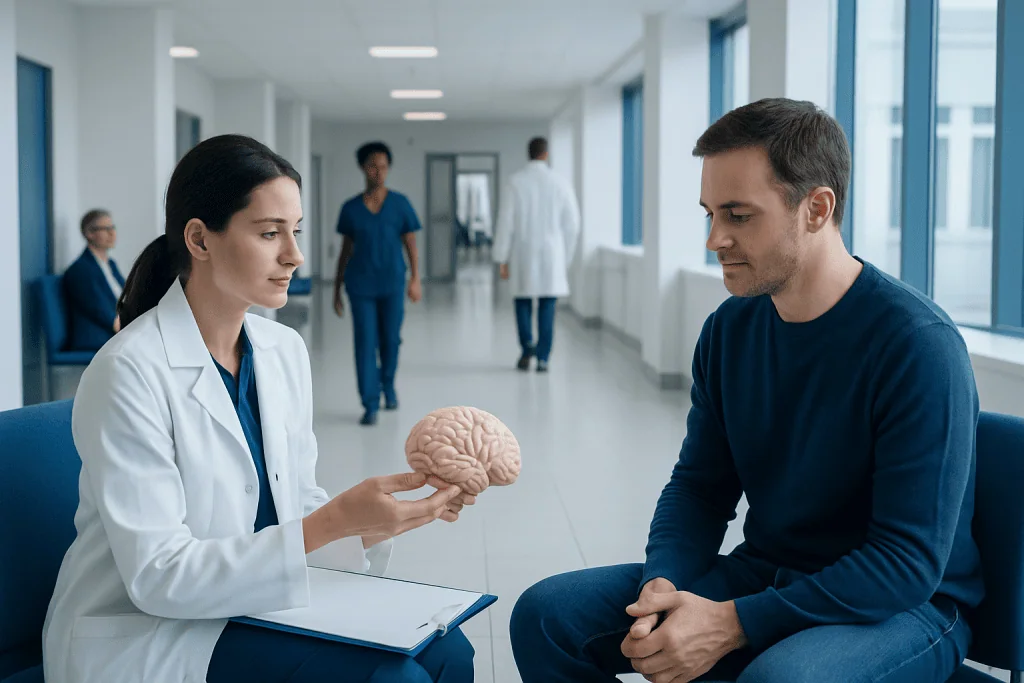
Neuropsychological tests assess thinking, memory, attention, language, and other brain-based skills. They do not usually diagnose a condition on their own; results are interpreted together with medical history, examination, and imaging when needed.
Key Takeaways
- Neuropsychological tests assess thinking, memory, attention, language, and other brain-based skills.
- They do not usually diagnose a condition on their own; results are interpreted together with medical history, examination, and imaging when needed.
- Testing can help clarify symptoms after brain injury, stroke, dementia, learning difficulties, epilepsy, and many other conditions.
- A neuropsychological evaluation is usually noninvasive and includes interviews, paper-and-pencil tasks, computer tasks, and questionnaires.
- Results can help guide school, work, rehabilitation, mental health, and medical treatment plans.
Neuropsychological tests are structured assessments that help doctors understand how the brain is functioning in everyday areas such as memory, attention, language, and reasoning. They can support diagnosis, guide treatment planning, and track changes over time in children, adults, and older adults.
Overview: what neuropsychological tests are
Neuropsychological tests are tools used to evaluate how well different parts of brain function are working. They look at skills such as attention, memory, language, visual-spatial abilities, processing speed, planning, and problem-solving. Rather than focusing on one symptom alone, they provide a broader picture of cognitive and emotional functioning.
These tests are usually given as part of a neuropsychological evaluation by a trained clinical neuropsychologist or a supervised specialist team. The evaluation often begins with a conversation about current symptoms, medical history, education, mood, sleep, medications, and daily functioning. Test results are then interpreted in context, because age, language, cultural background, education, fatigue, anxiety, and hearing or vision problems can all affect performance.
Neuropsychological tests do not measure intelligence in a simple pass-or-fail way, and they are not designed to label a person as “good” or “bad” at thinking. Instead, they compare performance across different brain-based skills and against expected ranges for people with a similar background. This helps identify strengths as well as areas that may need support.
Why doctors recommend neuropsychological testing
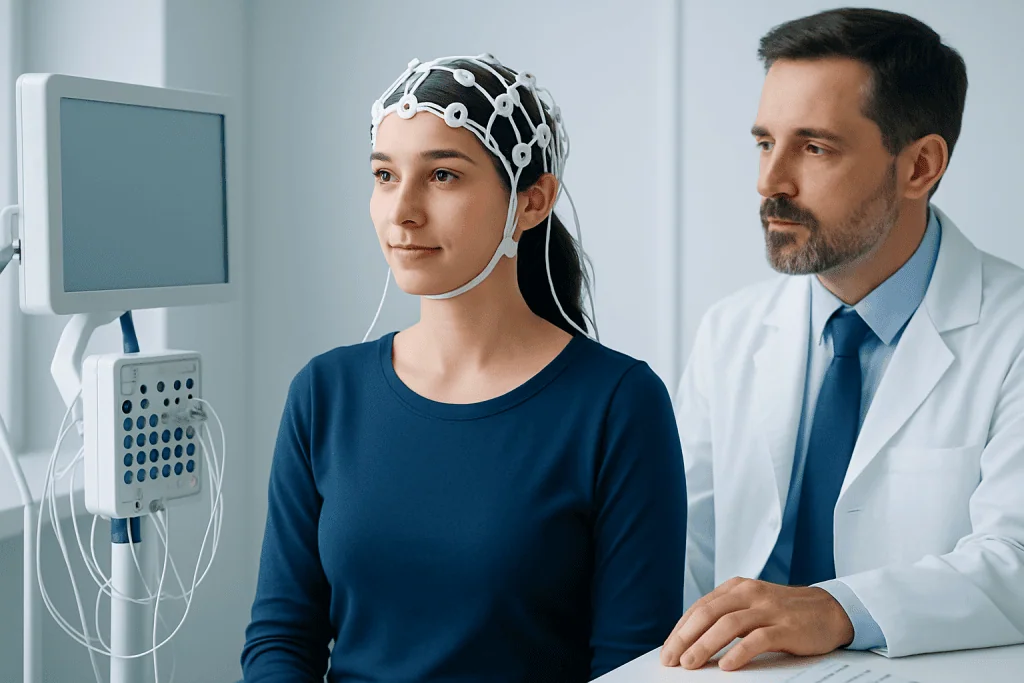
Doctors may recommend neuropsychological tests when there are concerns about changes in memory, concentration, communication, school performance, behavior, or daily independence. Testing can help explain whether these difficulties are more likely related to a neurological condition, a developmental difference, emotional stress, sleep problems, medication effects, or a combination of factors.
Common reasons for testing include suspected dementia, mild cognitive impairment, attention-deficit concerns, learning disorders, autism spectrum disorder, epilepsy, multiple sclerosis, Parkinson’s disease, stroke, traumatic brain injury, brain tumors, and complications after infection or surgery. It may also be useful when symptoms are subtle and standard scans or brief office screening tests do not fully explain them.
Results can guide practical next steps. For example, they may help plan rehabilitation after stroke, identify supports for school or work, establish a cognitive baseline before a medical procedure, or monitor change over time. In some cases, they also help distinguish between disorders that can look similar on the surface, such as depression-related concentration problems and early neurodegenerative disease.
Common types of neuropsychological tests and what they measure
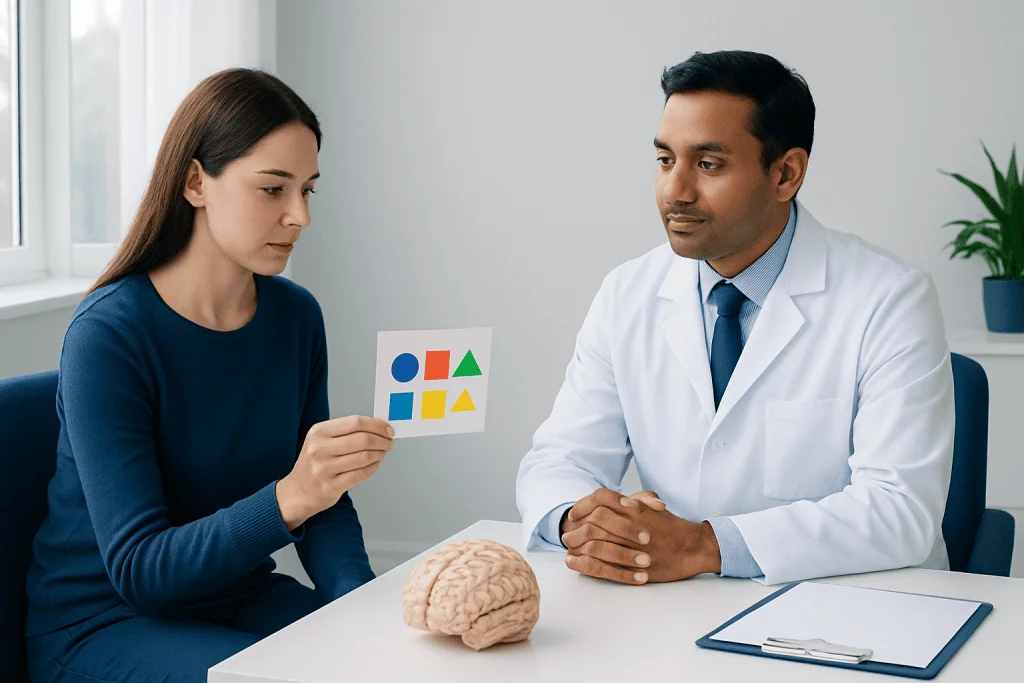
There is no single neuropsychological test that measures everything. Instead, specialists use a combination of standardized tasks chosen for the person’s age, symptoms, and referral question. Some tests are brief screening tools, while others are more detailed and may take several hours.
Memory tests assess how well a person learns, stores, and recalls information. They may include remembering word lists, stories, visual designs, or information after a delay. Attention and processing speed tests measure focus, mental efficiency, and the ability to work quickly and accurately. Executive function tests look at planning, mental flexibility, inhibition, organization, and problem-solving.
Language tests examine naming, word finding, verbal fluency, comprehension, reading, and writing. Visual-spatial and visual-construction tests look at how a person perceives shapes, locations, patterns, and how well they copy or assemble designs. Motor and sensory tasks may be included when there is concern about how the brain is affecting hand coordination or response speed.
- Memory: immediate recall, delayed recall, recognition, visual memory
- Attention: sustained attention, divided attention, working memory
- Executive function: planning, set-shifting, self-monitoring, inhibition
- Language: naming, comprehension, fluency, reading and writing
- Visual-spatial skills: perception, construction, spatial judgment
- Processing speed: how quickly information is understood and acted on
- Mood and behavior: anxiety, depression, personality, daily function questionnaires
What happens during a neuropsychological evaluation
A neuropsychological evaluation usually starts with an interview. The specialist asks about symptoms, when they began, whether they are getting worse or staying stable, and how they affect work, school, home life, and safety. Family members or caregivers may also provide helpful observations, especially if the person has memory or communication difficulties.
Testing itself may involve speaking answers aloud, writing, drawing, solving puzzles, sorting items, remembering information, or using a computer. Most tasks are not painful or invasive. Depending on the reason for referral, testing may take from one hour to much of a day, sometimes with breaks to reduce fatigue.
Preparation can improve the accuracy of results. It helps to get reasonable sleep, wear glasses or hearing aids if needed, bring a medication list, and eat beforehand unless instructed otherwise. People should also tell the team if they are anxious, depressed, in pain, or not feeling well that day, because these factors can meaningfully influence test performance.
How results are interpreted
Neuropsychological test scores are not read in isolation. The specialist compares performance with age-adjusted and, when appropriate, education-adjusted norms, then looks for patterns across many tasks. A person may do well in some areas and have difficulty in others, and this pattern can offer clues about which brain networks may be affected.
Interpretation also considers language background, cultural context, developmental history, mental health, sleep quality, medications, and other medical conditions. For instance, poor concentration may be related to stress, pain, or depression rather than a progressive brain disorder. Likewise, slower processing speed may reflect fatigue, medication side effects, or sensory limitations rather than memory loss itself.
The final report often includes a summary of strengths and weaknesses, possible explanations for symptoms, and practical recommendations. These may involve cognitive rehabilitation, counseling, school accommodations, occupational therapy, medication review, or further neurological evaluation such as MRI scanning or EEG testing when clinically appropriate.
Conditions neuropsychological tests can help evaluate
Neuropsychological tests can be helpful across a wide range of neurological, developmental, and psychiatric conditions. In older adults, they are often used to investigate memory changes and to support assessment for mild cognitive impairment or Alzheimer's disease. In adults of all ages, they may clarify thinking changes related to head injury, seizures, autoimmune disease, brain infections, or chronic medical illness.
In children and adolescents, testing may be used to explore learning disorders, attention difficulties, developmental delays, or the effects of epilepsy or treatment for serious illness. In these cases, the evaluation often includes information from parents and teachers and may focus on academic skills as well as broader cognitive functions.
Neuropsychological findings can also support treatment planning before and after certain procedures. For example, they may be part of the work-up for epilepsy surgery, deep brain stimulation, or complex rehabilitation after brain injury. When needed, the evaluation can work alongside neurological rehabilitation to track recovery and set realistic goals.
Benefits, limits, and practical next steps
One of the main benefits of neuropsychological testing is that it turns vague concerns into a clearer profile of functioning. This can be reassuring for patients and families because it identifies not only what is difficult, but also what remains strong. Those strengths can be used to build effective coping strategies and support plans.
At the same time, testing has limits. It is a snapshot of performance on a given day and can be affected by tiredness, illness, pain, low mood, or unfamiliarity with the testing language. It also does not replace a neurological examination, blood tests, brain imaging, or a full psychiatric assessment when these are needed.
After testing, patients are usually given feedback and recommendations tailored to their situation. These might include memory strategies, a structured daily routine, school or workplace adjustments, treatment of sleep or mood symptoms, or referral to another specialist. Near the end of the care pathway, some international patients may seek support at centers such as Acibadem International, where multidisciplinary specialists in JCI-accredited hospitals diagnose and treat neurological and cognitive conditions.
When to seek medical advice
It is sensible to speak with a doctor if memory, concentration, language, or problem-solving changes are new, worsening, or affecting daily life. Examples include repeated missed appointments, confusion with finances or medications, difficulty following conversations, unsafe driving, or a noticeable decline in school or work performance.
Urgent medical evaluation is important when cognitive changes happen suddenly or are accompanied by weakness, facial drooping, severe headache, seizures, loss of consciousness, or sudden confusion. These symptoms may signal a medical emergency and should not wait for routine testing.
For non-urgent concerns, a primary care doctor, neurologist, psychiatrist, pediatrician, or rehabilitation specialist can advise whether a neuropsychological evaluation is appropriate. In some cases, a broader work-up may also include assessment for sleep disorders, mood disorders, vitamin deficiencies, or other conditions that can affect brain function.
Frequently asked questions
Are neuropsychological tests the same as intelligence tests?
No. Some evaluations may include measures related to general intellectual functioning, but neuropsychological tests are broader and more targeted. They look at multiple abilities such as memory, attention, language, processing speed, and executive function to understand how the brain is working overall.
How long does neuropsychological testing take?
The length varies depending on the reason for referral and the person's needs. A brief assessment may take about an hour, while a full evaluation can take several hours, sometimes with breaks or spread across more than one session.
Can neuropsychological tests diagnose dementia?
They can strongly support the assessment, but they usually do not diagnose dementia by themselves. Doctors interpret the results together with medical history, physical and neurological examination, daily functioning, and sometimes imaging or laboratory tests.
Do neuropsychological tests help after a concussion or brain injury?
Yes. They can help identify problems with attention, memory, processing speed, and emotional adjustment after a concussion or other brain injury. The results may guide return-to-school, return-to-work, and rehabilitation planning.
How should a person prepare for neuropsychological testing?
It is helpful to sleep as well as possible, eat normally unless instructed otherwise, and bring glasses, hearing aids, and a medication list. People should also tell the clinician about pain, stress, low mood, or poor sleep, because these can affect performance.
Can anxiety or depression affect neuropsychological test results?
Yes. Anxiety, depression, stress, and fatigue can affect attention, speed, and memory performance. This is one reason why results are interpreted in the context of the whole clinical picture rather than as isolated scores.
References
- American Academy of Clinical Neuropsychology
- National Institute on Aging
- National Institute of Neurological Disorders and Stroke
- American Psychological Association
- World Health Organization
This article is for general information only and is not a substitute for professional medical advice. Please consult a qualified doctor about your individual situation.
Explore treatments in Turkey — costs, top hospitals & a free quote
JCI-accredited · board-certified surgeons · reply within 24h
Add us as a Preferred Source to see more of our trusted health content across Google Search, AI Overviews and Discover.