What Are the Most Common Blood Clotting Disorders?

Blood clotting disorders can cause either excessive bleeding or unwanted blood clots. Common bleeding disorders include von Willebrand disease and hemophilia.
Key Takeaways
- Blood clotting disorders can cause either excessive bleeding or unwanted blood clots.
- Common bleeding disorders include von Willebrand disease and hemophilia.
- Common clotting disorders include factor V Leiden-related thrombophilia and antiphospholipid syndrome.
- Symptoms may range from easy bruising and nosebleeds to leg swelling, chest pain, or stroke-like symptoms.
- Diagnosis usually involves a medical history, physical exam, and specialized blood tests.
- Treatment depends on the specific disorder and may include medicines, clotting factor replacement, or blood-thinning therapy.
Blood clotting disorders are conditions that make the blood clot too much, too little, or in an abnormal way. The most common disorders include inherited bleeding conditions such as hemophilia and von Willebrand disease, as well as clotting conditions such as thrombophilia and some platelet disorders.
Overview
Blood clotting disorders are a group of conditions that affect the body’s normal hemostasis system, which is the process that stops bleeding after an injury while keeping blood flowing smoothly through blood vessels. In some disorders, blood does not clot well enough, leading to prolonged bleeding. In others, blood clots too easily or in the wrong place, increasing the risk of deep vein thrombosis, pulmonary embolism, stroke, or other complications.
The most common bleeding-related clotting disorders include von Willebrand disease, hemophilia A, hemophilia B, and certain platelet function disorders. Common clotting-related disorders include inherited thrombophilias such as factor V Leiden mutation and prothrombin gene mutation, as well as acquired conditions such as antiphospholipid syndrome. Some people are born with these disorders, while others develop them later in life.
Not every bruise or nosebleed means a person has a clotting disorder. However, frequent bleeding, unusual bruising, recurrent miscarriages, or unexplained blood clots may point to an underlying issue. Because these conditions can look very different from one person to another, a proper medical evaluation is important for diagnosis and safe treatment.
Common Types and Symptoms
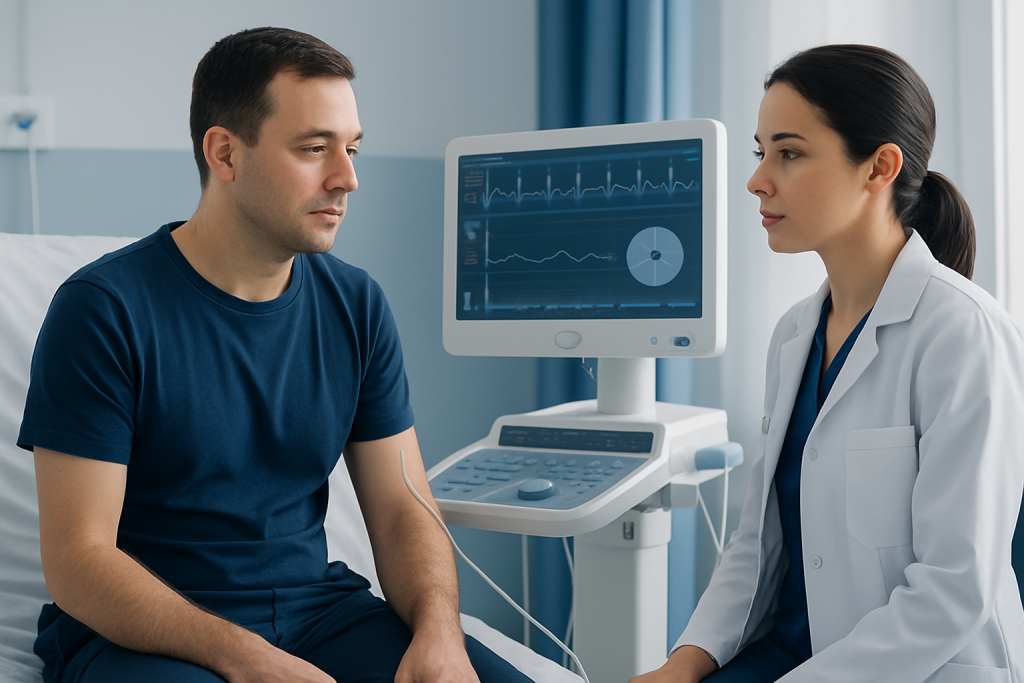
Von Willebrand disease is the most common inherited bleeding disorder. It happens when the body has too little von Willebrand factor or the protein does not work properly. This protein helps platelets stick together and supports factor VIII. People may notice frequent nosebleeds, easy bruising, heavy menstrual bleeding, bleeding after dental work, or prolonged bleeding from cuts. Symptoms can be mild or more noticeable depending on the type.
Hemophilia is another well-known inherited bleeding disorder. Hemophilia A involves low or absent factor VIII, and hemophilia B involves low or absent factor IX. These conditions are often more severe than von Willebrand disease and may cause bleeding into joints, muscles, and soft tissues, sometimes even without a clear injury. Repeated joint bleeding can lead to pain and long-term damage if it is not treated promptly. Readers looking for a broader overview may also find hemophilia helpful.
Platelet disorders can affect either the number of platelets or how well they work. Low platelet count, called thrombocytopenia, and platelet function defects may cause pinpoint red spots on the skin, bleeding gums, heavy periods, or easy bruising. Some disorders are inherited, while others are linked to medications, infections, autoimmune disease, liver disease, or bone marrow problems.
On the clotting side, thrombophilia refers to a tendency to form abnormal blood clots. Common examples include factor V Leiden, prothrombin gene mutation, protein C deficiency, protein S deficiency, and antithrombin deficiency. Antiphospholipid syndrome is an acquired clotting disorder that can raise the risk of blood clots and pregnancy complications. Symptoms of clotting disorders often relate to where the clot forms and may include leg pain or swelling, sudden shortness of breath, chest pain, or neurologic symptoms such as weakness or difficulty speaking.
Causes and Risk Factors
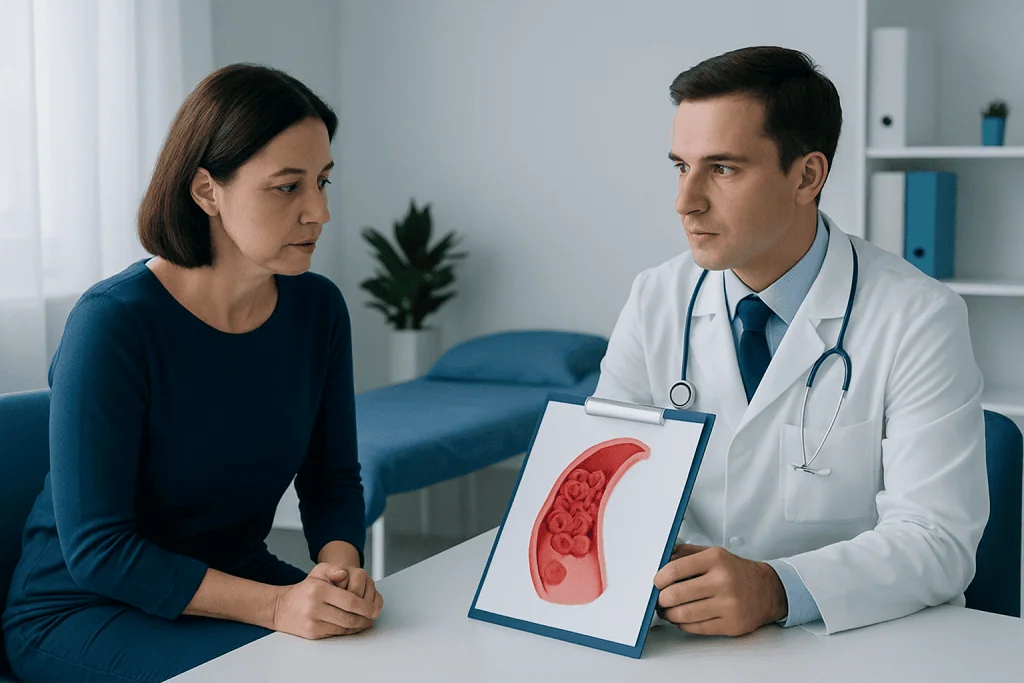
Many blood clotting disorders are inherited, meaning they are caused by gene changes passed through families. Hemophilia and some thrombophilias often run in families, while von Willebrand disease can affect multiple generations with varying severity. Inherited disorders may become obvious in childhood, but milder forms are sometimes recognized only in adolescence or adulthood, especially after surgery, injury, or pregnancy.
Acquired clotting disorders develop later and may be linked to other health conditions or exposures. Liver disease, vitamin K deficiency, certain cancers, autoimmune diseases, severe infections, pregnancy, and some medications can interfere with normal clotting. Platelet problems can also occur with kidney disease, bone marrow disorders, alcohol misuse, or use of medicines such as aspirin and other drugs that affect platelet function.
Risk factors for abnormal clotting include recent surgery, immobility, obesity, smoking, hormone therapy, pregnancy and the postpartum period, dehydration, and long-distance travel. A personal or family history of blood clots or unexplained bleeding is also important. In many people, a disorder becomes apparent when a genetic tendency combines with a trigger such as illness, trauma, or an operation.
Because clotting and bleeding problems have many possible causes, symptoms should not be self-diagnosed. A healthcare professional can help determine whether a pattern suggests an inherited condition, an acquired disorder, or another medical problem that needs attention.
How Doctors Diagnose Blood Clotting Disorders
Diagnosis begins with a detailed medical history and physical examination. A doctor will usually ask about nosebleeds, easy bruising, heavy periods, bleeding after surgery or dental work, joint swelling, prior blood clots, pregnancy history, family history, and medication use. This information helps guide which tests are most useful.
Initial blood tests may include a complete blood count, platelet count, prothrombin time, activated partial thromboplastin time, fibrinogen level, and sometimes tests that look at platelet function. If a bleeding disorder is suspected, more specific testing may measure factor VIII, factor IX, or von Willebrand factor levels and activity. If an abnormal clotting tendency is suspected, doctors may order tests for inherited or acquired thrombophilia when clinically appropriate.
Imaging tests may be needed if a blood clot is suspected. For example, ultrasound can help detect a clot in a leg vein, and CT scans may be used when pulmonary embolism is a concern. In selected cases, specialists in hematology, obstetrics, cardiology, or neurology may become involved depending on symptoms and complications.
Diagnosis can be complex because test results may vary with illness, pregnancy, stress, hormones, and recent medications. For that reason, some tests may need to be repeated or timed carefully. Accurate diagnosis is important because treatment for a bleeding disorder is very different from treatment for a clotting disorder.
Treatment Options
Treatment depends on the specific disorder, how severe it is, and whether the main issue is bleeding or unwanted clotting. For bleeding disorders, treatment may include replacement of missing clotting factors, medicines that help raise factor levels, antifibrinolytic medicines that support clot stability, or platelet transfusion in selected situations. People with heavy menstrual bleeding may also benefit from gynecologic and hematologic care together.
For hemophilia, regular or on-demand clotting factor replacement is a main treatment. Some people with von Willebrand disease respond to medicines that help release stored von Willebrand factor, while others need factor-containing treatment. When surgery or dental procedures are planned, preventive treatment is often given to lower the risk of bleeding. In some cases, supportive therapies such as blood transfusion may be used when significant blood loss has occurred.
Clotting disorders are often treated with anticoagulant medicines, sometimes called blood thinners, to reduce the risk of new clots or clot growth. The choice and duration depend on the cause of the clot, the person’s age, pregnancy status, bleeding risk, and whether the condition is inherited or acquired. In rare or severe situations, hospital-based care and clot-directed treatments may be needed.
Follow-up is important for all clotting disorders. Treatment plans may include avoiding certain medicines, preparing for travel or surgery, using compression stockings when advised, and reviewing family screening if an inherited condition is found. In complex cases, evaluation by specialists can help tailor care. For patients who need broader blood disease evaluation, hematology care may be part of ongoing management.
Prevention and Self-care
Self-care begins with understanding the diagnosed condition and knowing personal triggers. For bleeding disorders, this may include avoiding medications that increase bleeding risk unless a doctor recommends them, using protective gear during some activities, maintaining good dental care to reduce invasive procedures, and carrying medical information that alerts healthcare teams in an emergency.
For clotting disorders, prevention often focuses on lowering avoidable risks. Staying active, moving regularly during long trips, drinking enough fluids, stopping smoking, and discussing hormone use with a doctor may all help reduce clot risk. After surgery or during hospitalization, preventive steps such as early movement or prescribed anticoagulants may be important.
Women with blood clotting disorders often need individualized advice before pregnancy, during pregnancy, and after delivery. Heavy periods, miscarriage history, and childbirth planning can all be affected by these conditions. Coordinated care can improve safety for both mother and baby.
Healthy lifestyle measures support overall vascular and blood health, but they do not replace medical treatment. Any new bleeding, unusual bruising, or symptoms of a possible clot should be discussed with a healthcare professional rather than managed at home alone.
When to See a Doctor
A person should seek medical advice if they have frequent or unexplained bruising, recurrent nosebleeds, heavy menstrual bleeding, bleeding gums, prolonged bleeding after minor cuts, or a family history of a diagnosed clotting disorder. Medical review is also important after unusual bleeding with surgery, dental work, childbirth, or injury.
Urgent medical care is needed for symptoms that may suggest a serious blood clot or severe bleeding. These include sudden leg swelling or pain, chest pain, shortness of breath, coughing blood, severe headache, weakness on one side, confusion, fainting, vomiting blood, black stools, or heavy bleeding that does not stop. These symptoms do not always mean a clotting disorder is present, but they should be assessed promptly.
People already diagnosed with a clotting disorder should have regular follow-up and a plan for emergencies, procedures, and travel. Family members may also benefit from counseling or testing in some inherited conditions. Early recognition can reduce complications and help people live safely and confidently with the condition.
Near the end of the care pathway, some patients may seek specialized international evaluation. Acibadem International’s multidisciplinary specialists and JCI-accredited hospitals diagnose and treat blood clotting disorders for international patients when advanced assessment or coordinated care is needed.
Frequently asked questions
What are the most common blood clotting disorders?
The most common blood clotting disorders include von Willebrand disease, hemophilia A, hemophilia B, platelet disorders, and thrombophilias such as factor V Leiden. Some mainly cause bleeding, while others increase the risk of forming abnormal blood clots.
Are blood clotting disorders inherited?
Many are inherited, including hemophilia, von Willebrand disease, and several forms of thrombophilia. Others are acquired later in life because of autoimmune disease, liver disease, pregnancy, medications, cancer, or other health conditions.
What symptoms suggest a blood clotting disorder?
Bleeding disorders may cause easy bruising, frequent nosebleeds, heavy periods, gum bleeding, or prolonged bleeding after cuts or procedures. Clotting disorders may cause leg pain or swelling, chest pain, shortness of breath, or neurologic symptoms if a clot affects the brain.
How are blood clotting disorders diagnosed?
Doctors usually use a combination of medical history, family history, physical examination, and blood tests. Depending on the suspected condition, testing may include clotting factor levels, platelet studies, thrombophilia tests, or imaging to look for blood clots.
Can blood clotting disorders be treated?
Yes. Treatment depends on the specific disorder and may include clotting factor replacement, medicines that support clotting, platelet-related treatments, or anticoagulants to prevent harmful clots. Regular follow-up helps keep treatment safe and effective.
When should someone go to the emergency room?
Emergency care is important for severe bleeding, bleeding that does not stop, coughing blood, vomiting blood, black stools, sudden shortness of breath, chest pain, or symptoms of stroke. These can signal a serious complication that needs urgent medical attention.
References
- World Health Organization
- Centers for Disease Control and Prevention
- National Heart, Lung, and Blood Institute
- National Hemophilia Foundation
- American Society of Hematology
This article is for general information only and is not a substitute for professional medical advice. Please consult a qualified doctor about your individual situation.
Clotting Disorder in Turkey — costs, top hospitals & a free quote
JCI-accredited · board-certified surgeons · reply within 24h
Add us as a Preferred Source to see more of our trusted health content across Google Search, AI Overviews and Discover.