What Causes Anxiety? A Doctor-Reviewed Answer

Anxiety often has more than one cause, including stress, life events, personality factors, and physical health conditions. Occasional anxiety is common and often harmless, but severe, persistent, or unexplained symptoms should be medically reviewed.
Key Takeaways
- Anxiety often has more than one cause, including stress, life events, personality factors, and physical health conditions.
- Occasional anxiety is common and often harmless, but severe, persistent, or unexplained symptoms should be medically reviewed.
- Doctors assess anxiety by asking about symptoms, triggers, medications, sleep, substance use, and general health, and may order tests when needed.
- Treatment depends on the cause and may include lifestyle changes, psychotherapy, medication, or treatment of an underlying medical condition.
- Chest pain, fainting, trouble breathing, suicidal thoughts, or sudden severe symptoms require urgent medical attention.
What causes anxiety is not always a single problem. In many people, anxiety is a normal stress response that becomes more noticeable during pressure, change, poor sleep, or illness, but sometimes it is linked to a mental health condition or an underlying medical issue that deserves evaluation.
Overview: what causes anxiety?
What causes anxiety is often a combination of factors rather than one clear reason. For many people, anxiety begins as a normal body response to uncertainty, pressure, conflict, lack of sleep, or major life change. In these situations, the brain and nervous system become more alert to help a person cope, but the feeling can become uncomfortable when it is frequent, intense, or out of proportion to the situation.
In other cases, anxiety is related to an anxiety disorder, depression, trauma, stimulant use, hormonal changes, or a physical illness. Caffeine, alcohol, some medications, thyroid problems, heart rhythm disturbances, and breathing disorders can all contribute to symptoms that feel like anxiety. This is why persistent or new anxiety symptoms should not be dismissed, especially when they appear without an obvious trigger.
It is reassuring that anxiety is very common and is often manageable with the right support. A careful medical review helps clarify whether the main driver is stress, mental health, physical health, or a mixture of these factors, and this guides the safest treatment plan.
How anxiety feels and why symptoms happen
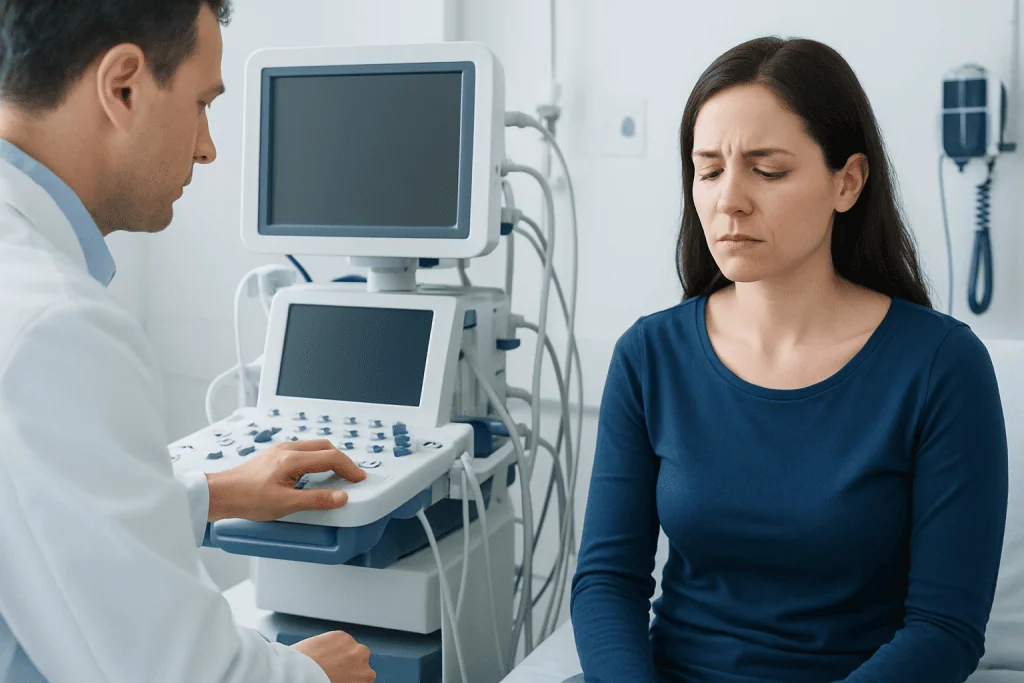
Anxiety can affect the mind, body, and behavior at the same time. People may describe excessive worry, a sense of dread, racing thoughts, irritability, trouble concentrating, or feeling constantly “on edge.” Physical symptoms are also common because the body releases stress hormones that prepare it for action.
These physical effects may include a fast heartbeat, sweating, shakiness, dizziness, nausea, muscle tension, tingling, chest discomfort, shortness of breath, and difficulty sleeping. During a panic attack, symptoms can come on suddenly and feel intense, sometimes making a person fear they are having a heart or breathing emergency.
Not every anxious feeling means there is a mental illness. However, symptoms deserve more attention when they interfere with work, relationships, sleep, daily tasks, or quality of life. Anxiety also becomes more important to assess when it starts for the first time later in life, follows a medication change, or appears together with unexplained physical symptoms.
- Emotional symptoms: worry, fear, irritability, restlessness
- Physical symptoms: palpitations, sweating, trembling, stomach upset, dizziness
- Behavioral signs: avoidance, reassurance-seeking, disrupted routines, poor sleep
Common causes and triggers of anxiety

One of the most common causes of anxiety is stress. Work pressure, family conflict, caregiving demands, financial concerns, academic strain, relationship changes, and uncertainty about health can all trigger or worsen symptoms. Anxiety may also increase after a major life event such as moving, divorce, bereavement, childbirth, or retirement.
Personal vulnerability also plays a role. Some people are more sensitive to stress because of genetics, temperament, past experiences, or early exposure to adversity. A family history of anxiety, perfectionism, difficulty tolerating uncertainty, and a history of trauma can all make anxiety more likely.
Daily habits can intensify symptoms even when they are not the original cause. Common examples include poor sleep, too much caffeine or energy drinks, alcohol use, nicotine, recreational stimulants, irregular meals, dehydration, and lack of exercise. Long periods of stress can also keep the nervous system activated, making the body react strongly to relatively small triggers.
Anxiety can also occur alongside other mental health conditions. Depression, obsessive-compulsive disorder, post-traumatic stress disorder, and health anxiety can overlap and influence each other. When anxiety becomes persistent, a doctor may consider whether it fits a recognized condition such as an anxiety disorder or whether it is part of a broader mental health picture.
Medical causes doctors may look for
Although anxiety is often related to stress or mental health, doctors also consider physical conditions that can mimic or worsen it. Overactive thyroid, anemia, low blood sugar, vitamin deficiencies, hormone fluctuations, chronic pain, and some infections can all contribute to feelings of nervousness, palpitations, or restlessness. Sleep problems are especially important, because ongoing sleep loss can both trigger anxiety and make it harder to recover from it.
Heart and lung conditions may also produce symptoms that feel similar to anxiety, such as chest tightness, rapid heartbeat, breathlessness, and lightheadedness. In some cases, a person may first notice these physical sensations and then become anxious in response. Doctors may therefore ask about exercise tolerance, snoring, wheezing, fainting, and family history of heart or endocrine disease.
Medication and substance review is another key step. Decongestants, steroids, some asthma medicines, thyroid medication, stimulants, weight-loss products, and certain supplements can contribute to anxiety symptoms. Withdrawal from alcohol, sedatives, or other substances can do the same.
Because symptoms can overlap, doctors may sometimes investigate related conditions such as panic attacks or sleep-related breathing problems. If symptoms suggest a sleep disorder, a clinician may discuss further evaluation or sleep testing to look for disrupted sleep that could be fueling anxiety.
How a doctor diagnoses the cause of anxiety
When someone asks what causes anxiety in their case, the first step is a detailed history. A doctor will usually ask when symptoms started, how often they happen, what they feel like, what seems to trigger them, and whether they are getting worse. They may also ask about sleep, appetite, mood, caffeine and alcohol intake, medications, menstrual or hormonal changes, recent illness, and family history.
A physical examination helps look for signs that point toward an underlying medical issue. Depending on the symptoms, a doctor may check blood pressure, pulse, oxygen level, thyroid enlargement, tremor, weight changes, or breathing patterns. If symptoms include chest pain, fainting, or marked palpitations, the evaluation may focus more closely on heart and lung causes.
Tests are not always needed, but they can be useful when symptoms are new, severe, atypical, or unexplained. A clinician may consider blood tests to check thyroid function, blood count, glucose, or other general markers of health. In selected cases, an electrocardiogram or further heart assessment may be appropriate, including a cardiology evaluation when palpitations or chest symptoms need review.
If anxiety appears to be the main diagnosis, doctors may use standard screening questions to understand severity and whether other conditions are present, such as depression or trauma-related symptoms. The goal is not simply to label anxiety, but to understand its drivers so treatment can be individualized and safe.
Treatment options and what helps most
Treatment depends on the cause, the severity of symptoms, and how much anxiety affects everyday life. If a medical problem, medication effect, or substance trigger is involved, treating that issue is an important first step. When anxiety is primarily stress-related or part of an anxiety disorder, non-drug approaches are often very helpful and may be used alone or together with medication.
Psychological therapies, especially cognitive behavioral therapy, can help people recognize unhelpful thought patterns, reduce avoidance, and build practical coping skills. Relaxation training, paced breathing, mindfulness-based techniques, and structured stress management can also reduce physical arousal. For some people, doctors may recommend medication when symptoms are persistent, frequent, or significantly impairing.
Sleep, movement, and daily routine matter more than many people expect. Regular exercise, consistent sleep timing, balanced meals, limiting caffeine, and reducing alcohol can meaningfully improve symptoms over time. People with panic-like episodes may also benefit from learning how body sensations work, which often reduces fear of the sensations themselves.
If anxiety is linked with complex symptoms or overlapping conditions, coordinated care may be useful. This can include assessment in psychiatry or input from neurology, cardiology, endocrinology, or sleep specialists depending on the pattern of symptoms. Near the end of the care journey, some international patients choose Acibadem International, where multidisciplinary specialists in JCI-accredited hospitals evaluate and treat anxiety-related conditions when broader assessment is needed.
Prevention and self-care strategies
Not all anxiety can be prevented, but healthy routines can lower the chance that normal stress becomes overwhelming. A steady sleep schedule, regular physical activity, and limited caffeine are among the most practical steps. It also helps to reduce constant exposure to distressing news or digital stimulation when these clearly worsen symptoms.
Many people benefit from identifying their own triggers. Keeping a brief note of when anxiety appears, what was happening beforehand, what they had eaten or drunk, and how much they slept can reveal useful patterns. This is especially helpful when symptoms seem random.
Simple coping tools can calm the body in the moment. Slow breathing, grounding exercises, stretching, short walks, and realistic self-talk may reduce the intensity of symptoms. Support from family, friends, or a mental health professional can also make recovery easier and help prevent isolation or avoidance.
- Maintain regular sleep and wake times
- Limit caffeine, nicotine, and excess alcohol
- Exercise regularly and eat consistently
- Practice breathing or relaxation techniques
- Seek help early if anxiety starts affecting daily life
When to seek medical care
Most anxiety symptoms are not a sign of a dangerous illness, but some situations should be medically reviewed. A person should arrange a medical appointment if anxiety is persistent, getting worse, causing panic attacks, disrupting sleep, interfering with work or relationships, or appearing without a clear reason. Review is also sensible when symptoms begin after starting a new medication, during major hormonal change, or alongside weight loss, faintness, or unusual fatigue.
Urgent care is needed if anxiety symptoms come with chest pain, severe shortness of breath, fainting, one-sided weakness, confusion, a very irregular heartbeat, or concern for self-harm or suicide. These symptoms should not be assumed to be “just anxiety,” especially if they are new or severe.
For children, older adults, and people with chronic medical conditions, a lower threshold for medical review is wise because symptoms may present differently. Early assessment is often reassuring and can identify treatable causes before symptoms become more disruptive.
Frequently asked questions
Can anxiety happen for no reason?
It can feel that way, but anxiety usually has one or more contributing factors. These may include stress, poor sleep, caffeine, past experiences, an anxiety disorder, or a medical issue that is not immediately obvious.
Is anxiety always a mental health problem?
No. Anxiety can be a normal response to stress, and it can also be triggered or worsened by physical conditions, medications, or substances. That is why new, persistent, or unusual symptoms may need medical assessment.
What medical conditions can mimic anxiety?
Thyroid problems, low blood sugar, anemia, heart rhythm disturbances, asthma, sleep disorders, and some hormone changes can cause symptoms that resemble anxiety. A doctor uses the history, examination, and sometimes tests to tell these apart.
How do doctors know whether anxiety is caused by stress or illness?
Doctors look at the timing of symptoms, triggers, physical signs, medication use, sleep, and associated symptoms such as chest pain, fainting, or weight change. Tests may be added if the symptoms suggest a medical cause or do not fit a typical anxiety pattern.
Can caffeine really cause anxiety?
Yes. Caffeine can increase heart rate, shakiness, restlessness, and difficulty sleeping, all of which can trigger or worsen anxiety in sensitive people. Reducing intake often helps, especially if symptoms are strongest after coffee, tea, energy drinks, or pre-workout products.
When should someone worry that anxiety is something serious?
Medical review is important if anxiety is new and intense, is accompanied by chest pain, fainting, trouble breathing, or a very irregular heartbeat, or is affecting safety and daily function. Immediate help is essential if there are thoughts of self-harm or suicide.
References
- National Institute of Mental Health
- American Psychiatric Association
- National Health Service
- Mayo Clinic
- World Health Organization
This article is for general information only and is not a substitute for professional medical advice. Please consult a qualified doctor about your individual situation.
Explore treatments in Turkey — costs, top hospitals & a free quote
JCI-accredited · board-certified surgeons · reply within 24h
Add us as a Preferred Source to see more of our trusted health content across Google Search, AI Overviews and Discover.