What Causes Cancer? Common Risk Factors and What Can Be Changed
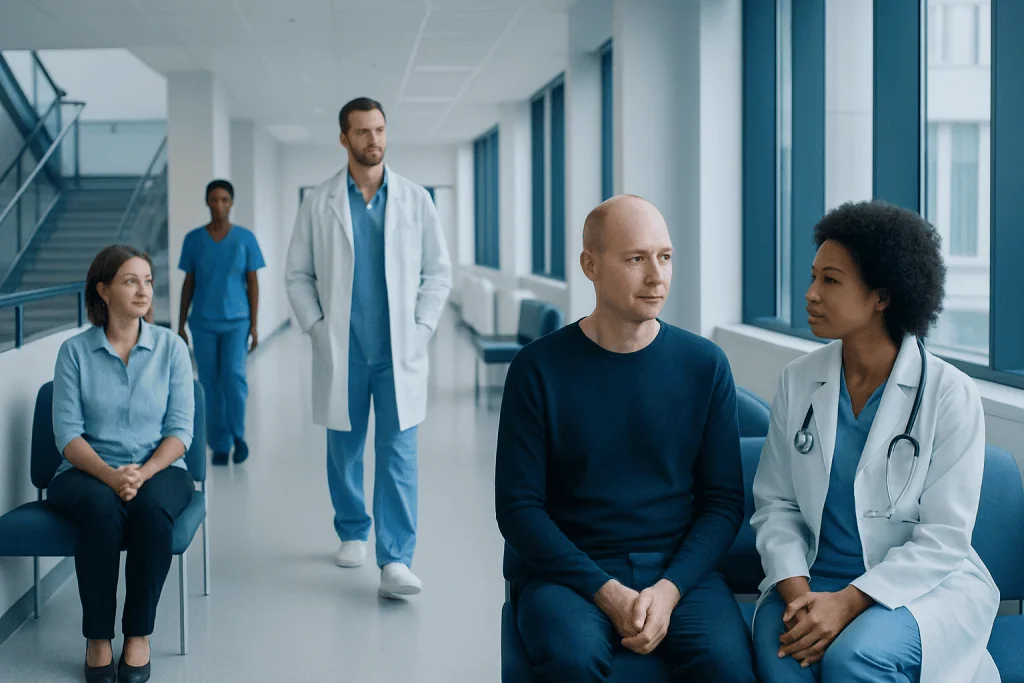
Cancer is caused by DNA changes that affect how cells grow, repair themselves, and die. Most cancers are linked to a combination of age, environment, lifestyle, chance, and sometimes inherited genes.
Key Takeaways
- Cancer is caused by DNA changes that affect how cells grow, repair themselves, and die.
- Most cancers are linked to a combination of age, environment, lifestyle, chance, and sometimes inherited genes.
- Not all risk factors can be changed, but avoiding tobacco, limiting alcohol, maintaining a healthy weight, and protecting skin from UV rays can lower risk.
- Vaccination, screening, and treatment of certain infections can help prevent some cancers.
- Having a risk factor does not mean a person will develop cancer, and cancer can sometimes occur without a clear cause.
Cancer develops when changes in a cell’s DNA allow it to grow and divide in an uncontrolled way. Some cancer risk factors, such as age and inherited genes, cannot be changed, while others, including smoking, alcohol use, excess weight, infections, and sun exposure, can often be reduced.
Overview: How cancer begins
To understand what causes cancer, it helps to start with how normal cells behave. Healthy cells grow, divide, and die in an orderly way. Cancer begins when changes happen in the DNA inside a cell, disrupting the instructions that control growth and repair. As a result, abnormal cells may continue dividing when they should stop, or survive when they should die.
These DNA changes are often called mutations or genetic alterations. Some occur because of exposures such as tobacco smoke, ultraviolet radiation, or certain infections. Others develop naturally over time as cells divide and age. In many people, cancer is not caused by one single factor but by a mix of influences that build up over the years.
Importantly, cancer is not one disease. It is a broad group of conditions that can start in different organs and tissues. The causes and risk factors for cancer can vary depending on the type, but the underlying process involves loss of normal control over cell growth.
What causes DNA changes in cells?
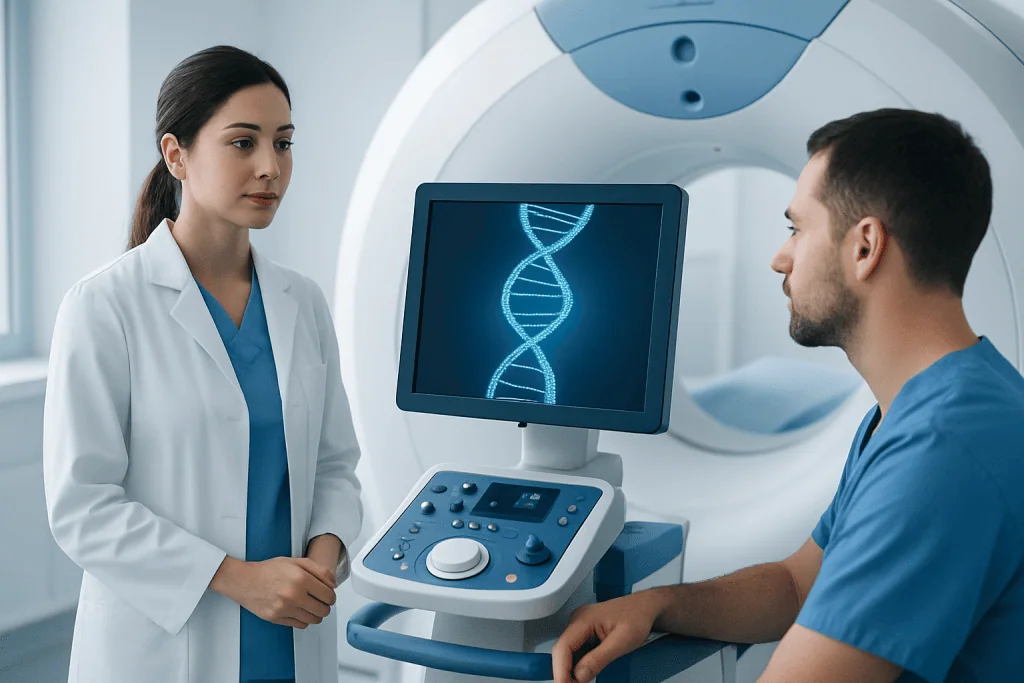
DNA changes can happen for several reasons. Sometimes they are triggered by external exposures, such as chemicals in tobacco smoke, radiation from the sun, or workplace substances. In other cases, they happen internally when the body makes small copying errors during normal cell division. The body usually repairs these mistakes, but not all damage is corrected.
Inflammation and long-term irritation can also contribute to cancer development. When tissue is repeatedly injured, cells may divide more often to repair damage, increasing the chance of errors. This is one reason why chronic viral infections, long-standing inflammatory diseases, and some environmental exposures can raise cancer risk.
Not every mutation leads to cancer. In fact, many DNA changes are harmless or are repaired by the body. Cancer usually develops only after multiple important gene changes accumulate in areas that regulate cell growth, DNA repair, and programmed cell death. This process often takes many years.
Chance also plays a role. Even people with healthy habits can develop cancer, while others with several risk factors may not. Understanding risk helps guide prevention, but it cannot predict with certainty what will happen in any one individual.
Common cancer risk factors that can be changed
Several major cancer risk factors are considered modifiable, meaning a person may be able to reduce exposure to them. Tobacco is one of the most important. Smoking and other tobacco use are linked to cancers of the lung, mouth, throat, esophagus, bladder, pancreas, kidney, and more. Avoiding tobacco and stopping smoking at any age can reduce risk over time.
Alcohol is another modifiable factor. Regular alcohol use is associated with a higher risk of several cancers, including those of the breast, liver, mouth, throat, esophagus, and bowel. Limiting intake, or avoiding alcohol altogether, can help lower this risk.
Body weight, diet, and physical activity also matter. Excess body fat is linked to increased risk of several cancers. A balanced eating pattern rich in vegetables, fruits, whole grains, and legumes, along with regular activity, supports general health and may reduce cancer risk. No single food can prevent cancer, but overall lifestyle patterns are important.
Other changeable risk factors include ultraviolet exposure from sunlight or tanning beds, exposure to air pollution or harmful workplace chemicals, and certain infections. Practical steps include using sun protection, following occupational safety guidance, and seeking vaccination or treatment when appropriate.
- Avoid tobacco products and secondhand smoke
- Limit or avoid alcohol
- Maintain a healthy weight and stay physically active
- Protect skin from ultraviolet radiation
- Reduce exposure to known carcinogens at home and work
- Keep up with recommended vaccines and medical care
Risk factors that cannot be changed
Some cancer risk factors are outside a person’s control. Age is one of the strongest. The risk of many cancers rises as people get older because DNA damage can accumulate over time and the body’s repair systems may become less effective.
Inherited genetic changes also play a role in some cancers. A person may be born with a mutation that increases the chance of developing certain types of cancer, such as breast, ovarian, colorectal, or prostate cancer. However, inherited mutations account for only a minority of all cancers. A family history does not mean cancer is certain, but it may signal a higher risk.
Biological sex, personal medical history, and some chronic health conditions can influence risk too. For example, previous radiation therapy, certain immune disorders, and long-standing inflammatory diseases may increase the likelihood of later cancer development. In some situations, doctors may recommend earlier or more frequent screening based on these factors.
Although these risks cannot be changed, they can still be acted upon in a practical way. Knowing about them can help people discuss screening schedules, genetic counseling, and prevention strategies with a qualified doctor.
Infections, hormones, and the environment
Some cancers are linked to infections. Certain viruses, bacteria, and parasites can cause long-term inflammation or alter cell behavior in ways that increase cancer risk. Examples include human papillomavirus, hepatitis B and C, Helicobacter pylori, and some less common infections in specific regions.
Vaccination can help prevent some infection-related cancers. For example, HPV vaccination helps reduce the risk of cervical and several other cancers, and hepatitis B vaccination lowers the risk of liver cancer. Early testing and treatment for infections can also be protective. A doctor may also discuss screening or follow-up for conditions that can progress over time, such as cervical cancer.
Hormones can influence how some tissues grow. Lifetime exposure to estrogen, testosterone, and other hormones may affect the risk of certain cancers, particularly breast, endometrial, prostate, and ovarian cancers. This does not mean hormones are harmful in themselves, but they are one part of the overall risk picture.
Environmental factors also matter. Air pollution, asbestos, radon, and some industrial chemicals are recognized carcinogens. Risk depends on the type of exposure, dose, and duration. People who are concerned about occupational or environmental exposure should discuss their history with a healthcare professional.
Can cancer be prevented?
Not all cancers can be prevented, but many cases may be influenced by prevention and early detection. Prevention focuses on reducing exposure to known risks and supporting overall health. This approach is helpful even for people with a family history or other non-modifiable risks.
Screening is also an important part of prevention because it can find some cancers early, when treatment may be simpler, or identify precancerous changes before cancer develops. Depending on age, sex, family history, and personal risk, a doctor may recommend screening tests for breast, cervical, colorectal, lung, prostate, or skin cancer. For example, appropriate evaluation of breast cancer risk may include routine screening and awareness of family history.
People with a strong family history may benefit from genetic counseling. This can clarify whether inherited risk is likely and whether additional screening or preventive measures are appropriate. A care plan is usually personalized rather than based on a single rule for everyone.
When cancer is suspected or diagnosed, treatment depends on the type, stage, and location. Common approaches may include chemotherapy, radiation therapy, and immunotherapy, often combined with surgery or other targeted care. The best prevention and treatment plan should always be discussed with a specialist.
When to speak with a doctor
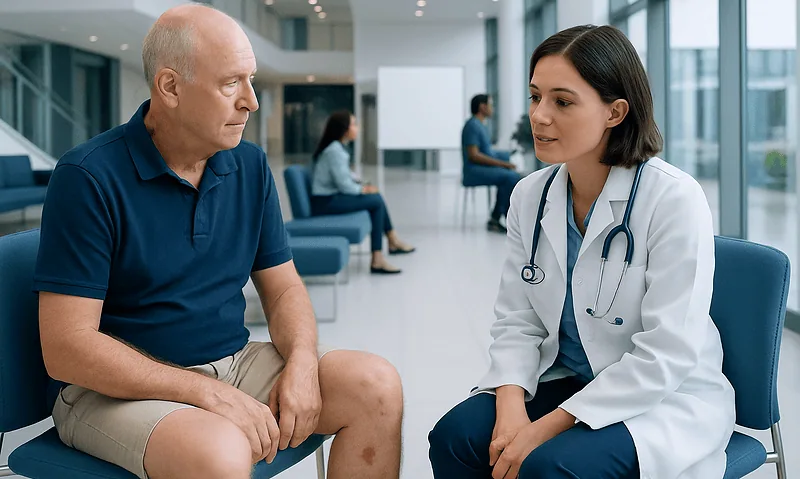
It is sensible to speak with a doctor about cancer risk during routine health visits, especially if there is a family history of cancer, exposure to tobacco, unusual weight loss, or concerns about a persistent symptom. A doctor can help review personal risk factors and recommend screening or preventive steps based on age and medical history.
Certain symptoms deserve medical attention if they are unexplained or do not go away. These may include a new lump, ongoing fatigue, unexplained bleeding, a persistent cough, a change in bowel or bladder habits, trouble swallowing, or a mole that changes in shape or color. These symptoms can have many causes, and having them does not automatically mean cancer, but they should be evaluated.
People who know they have inherited cancer risk, chronic viral hepatitis, HPV-related disease, or significant workplace exposure to carcinogens should also ask whether extra monitoring is needed. Clear communication with a healthcare team can help reduce uncertainty and support timely care.
For international patients who need evaluation or treatment planning, Acibadem International’s multidisciplinary specialists and JCI-accredited hospitals provide diagnosis and cancer care across a range of conditions.
Frequently asked questions
What is the main cause of cancer?
There is no single main cause of cancer in every person. Cancer usually develops after DNA changes build up over time because of aging, lifestyle factors, environmental exposures, infections, inherited genes, and chance.
Can a healthy person still get cancer?
Yes. Healthy habits can lower risk, but they cannot remove it completely. Some cancers happen because of age, inherited factors, random DNA changes, or exposures a person cannot fully control.
Does cancer always run in families?
No. Most cancers are not directly inherited. However, some families carry gene changes that increase risk, so a strong family history may justify genetic counseling or earlier screening.
Which lifestyle changes can lower cancer risk?
The most important steps include avoiding tobacco, limiting alcohol, maintaining a healthy weight, staying physically active, eating a balanced diet, and protecting the skin from too much sun. Keeping up with vaccines and screening is also valuable.
Do infections really cause cancer?
Some infections can increase cancer risk, especially when they cause long-term inflammation or change how cells behave. Examples include HPV, hepatitis B and C, and Helicobacter pylori, which is why vaccination, testing, and treatment can matter.
Can stress cause cancer?
Stress itself is not considered a direct cause of cancer. However, long-term stress may affect sleep, activity, alcohol use, smoking, or other habits that influence overall health, so managing stress is still important.
References
- World Health Organization
- National Cancer Institute
- American Cancer Society
- Centers for Disease Control and Prevention
- International Agency for Research on Cancer
This article is for general information only and is not a substitute for professional medical advice. Please consult a qualified doctor about your individual situation.
Oncology care in Turkey — second opinion and treatment plan
JCI-accredited · board-certified surgeons · reply within 24h
Add us as a Preferred Source to see more of our trusted health content across Google Search, AI Overviews and Discover.
Check your numbers in seconds
BMI, calories, due date, blood pressure and 30+ more clinical calculators — free, instant, doctor-reviewed ranges.