What Causes Dry Mouth? A Doctor-Reviewed Answer

Dry mouth usually happens when saliva production drops or saliva evaporates faster than normal. Common triggers include dehydration, medications, mouth breathing, smoking, alcohol, and caffeine.
Key Takeaways
- Dry mouth usually happens when saliva production drops or saliva evaporates faster than normal.
- Common triggers include dehydration, medications, mouth breathing, smoking, alcohol, and caffeine.
- Persistent dry mouth can raise the risk of cavities, gum disease, bad breath, and difficulty swallowing.
- Doctors diagnose the cause by reviewing symptoms, medicines, hydration, oral health, and sometimes blood tests or imaging.
- Medical review is important if dry mouth is ongoing, painful, affects eating or sleep, or occurs with eye dryness, swelling, or unexplained weight loss.
What causes dry mouth? In many people, it is a common and often harmless symptom linked to dehydration, stress, mouth breathing, or medication side effects. When it persists, becomes severe, or comes with other symptoms, a doctor can check for dental problems, salivary gland disorders, diabetes, autoimmune conditions, or other underlying causes.
Overview: why dry mouth happens
Dry mouth, also called xerostomia, means there is not enough saliva to keep the mouth comfortably moist. In many cases, this is temporary and not serious. It often follows not drinking enough fluids, sleeping with the mouth open, feeling anxious, or taking a medication that reduces saliva production.
Saliva does much more than keep the mouth wet. It helps with speaking, chewing, swallowing, tasting food, and protecting the teeth and gums. When saliva levels fall, a person may notice stickiness, thick saliva, cracked lips, bad breath, trouble swallowing dry foods, or a burning feeling in the mouth.
The most helpful way to think about the question “what causes dry mouth” is to group causes into three broad types: everyday triggers, medication side effects, and medical conditions. This approach helps explain why dry mouth is often harmless, while also showing when it deserves a closer medical look.
Symptoms and signs that may come with dry mouth
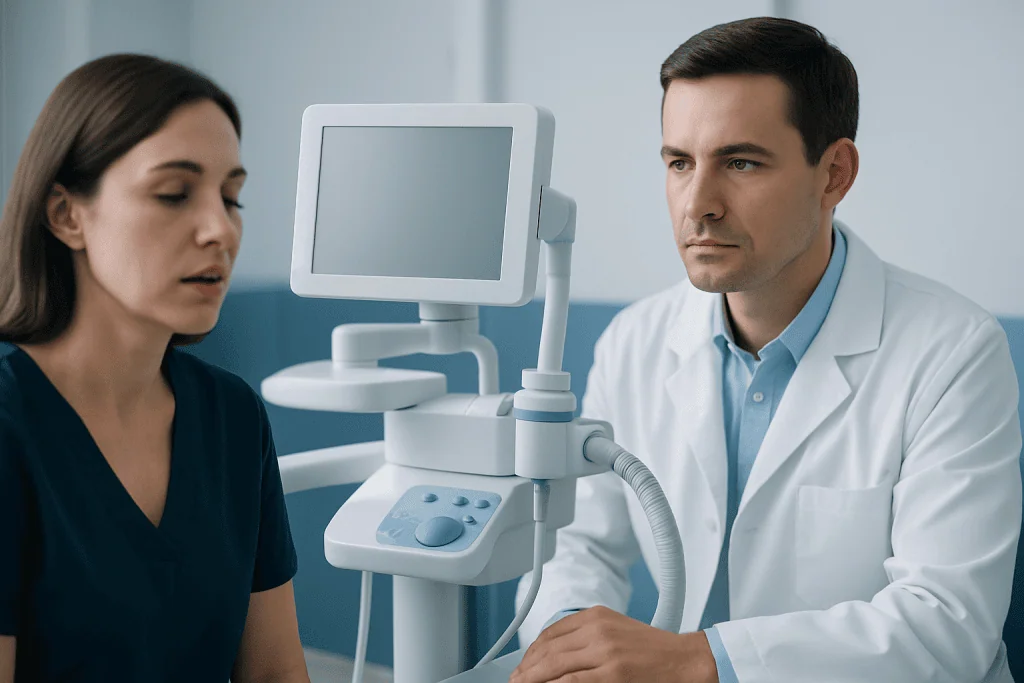
Dry mouth can feel different from person to person. Some people notice mild thirst or a rough feeling in the mouth. Others describe a sticky, cotton-like sensation, thick or stringy saliva, or a dry throat that is worse at night or on waking.
Because saliva protects the mouth, reduced saliva can also lead to other symptoms over time. These may include bad breath, difficulty wearing dentures, changes in taste, hoarseness, mouth sores, cracked lips, and discomfort when chewing or swallowing. Food may feel harder to move around the mouth, especially dry foods such as crackers, bread, or rice.
Dental changes can be an important clue. Frequent cavities, sensitive teeth, gum irritation, or oral infections such as thrush may appear when dryness has been present for a while. If dry mouth occurs with dry eyes, joint pain, swelling near the jaw, numbness, fever, or unexplained weight loss, a doctor may consider a broader medical cause rather than a temporary one.
Common everyday causes of dry mouth

One of the most common answers to “what causes dry mouth” is simple dehydration. This may follow not drinking enough fluids, hot weather, exercise, fever, vomiting, or diarrhea. Alcohol and too much caffeine can also contribute by increasing fluid loss or worsening the dry feeling in the mouth.
Mouth breathing is another frequent reason. Nasal congestion from allergies, a cold, a deviated septum, or snoring can leave the mouth very dry overnight. Stress and anxiety may also temporarily reduce saliva flow, especially before public speaking, travel, or medical appointments.
Lifestyle factors can play a role as well. Smoking, vaping, and recreational drug use can irritate the mouth and affect saliva production. Dry indoor air, especially in heated or air-conditioned rooms, may make symptoms more noticeable. These causes are often reversible once the trigger is addressed.
- Not drinking enough water
- Fever, vomiting, or diarrhea
- Mouth breathing during sleep
- Stress or anxiety
- Smoking, vaping, alcohol, or high caffeine intake
- Dry environmental air
Medications and health conditions linked to dry mouth
Medications are among the most frequent medical causes of dry mouth. Many common drugs can reduce saliva as a side effect, including some antihistamines, antidepressants, anti-anxiety medicines, blood pressure medicines, bladder control medicines, muscle relaxants, and some pain medicines. Taking several of these at the same time can increase the effect.
Certain health conditions can also interfere with saliva production or fluid balance. Diabetes, thyroid disease, autoimmune disorders such as Sjogren syndrome, salivary gland problems, and nerve conditions may all contribute. People receiving chemotherapy or radiation treatment to the head and neck may develop significant dryness because salivary glands can be affected.
Occasionally, dry mouth is part of a wider symptom pattern rather than a problem on its own. For example, someone with increased thirst and urination may need assessment for diabetes. Dryness with swollen glands, dry eyes, or ongoing fatigue may lead a doctor to evaluate autoimmune causes. If a blockage, infection, or structural problem of the salivary glands is suspected, further ENT or dental evaluation may be recommended.
How doctors find the cause
Medical assessment usually starts with a focused history. A doctor will ask when the dryness began, whether it is constant or worse at night, what medicines or supplements are being used, how much fluid a person drinks, and whether symptoms such as dry eyes, frequent urination, nasal blockage, snoring, or weight changes are present. This step is often the fastest way to narrow down the cause.
An examination of the mouth can show reduced saliva, dental decay, gum irritation, oral thrush, mouth ulcers, or signs of dehydration. The doctor may also check the salivary glands around the jaw and ears for swelling or tenderness and assess the nose and throat if mouth breathing seems likely. In some cases, dental review is important because tooth damage may be the first clear sign of ongoing dryness.
Tests are chosen based on the person’s symptoms rather than used for everyone. A doctor may order blood tests to look for diabetes, autoimmune disease, thyroid problems, or dehydration-related changes. If gland disease is suspected, imaging may be useful, and some patients may need specialist evaluation in endocrinology, dentistry, or ENT. When there is concern about a blocked duct, chronic gland inflammation, or another salivary problem, assessment may include imaging and procedures related to ENT surgery when appropriate.
Treatment and practical relief
Treatment depends on the cause. If dryness is linked to dehydration, increasing fluids and treating fluid loss often helps. If a medication is responsible, a doctor may review whether the dose, timing, or type of medicine can be adjusted safely. People should not stop prescribed medicines on their own, especially for blood pressure, mental health, or chronic pain.
Relief measures can make daily life more comfortable while the cause is being addressed. Frequent sips of water, sugar-free gum or lozenges, avoiding tobacco and alcohol, limiting excess caffeine, and using a room humidifier at night may all help. Some people also benefit from saliva substitutes or oral moisturizing gels recommended by a doctor or dentist.
Good mouth care is especially important because dry mouth increases the risk of cavities and gum problems. Brushing with fluoride toothpaste, flossing regularly, and keeping up with dental checkups can protect the teeth. If there is a treatable medical condition behind the symptom, such as nasal obstruction affecting breathing, targeted care such as septoplasty may be discussed in selected patients.
For international patients who need coordinated evaluation, Acibadem International’s multidisciplinary specialists and JCI-accredited hospitals assess symptoms such as persistent dry mouth and arrange treatment according to the underlying cause.
Prevention and self-care that may reduce dryness
Not every case can be prevented, but small daily habits often reduce symptoms. Drinking water regularly through the day is one of the simplest steps. It can also help to avoid very salty foods, excessive alcohol, and frequent caffeinated drinks if these seem to worsen the problem.
Breathing through the nose rather than the mouth is another useful goal. Managing allergies, nasal congestion, or snoring may improve overnight dryness. People who wake with a dry mouth every morning may benefit from discussing sleep habits, nasal symptoms, or possible sleep-disordered breathing with a doctor.
Smoking cessation can also make a difference, both for comfort and overall oral health. A dentist or doctor may suggest preventive fluoride treatments or closer dental follow-up for people with long-standing xerostomia. Self-care is helpful, but persistent symptoms should still be evaluated so that an underlying condition is not missed.
When to seek medical care
Dry mouth should be medically reviewed if it lasts more than a few weeks, keeps coming back, or starts to interfere with eating, speaking, sleeping, or wearing dentures. It is also worth discussing if cavities, mouth sores, bad breath, or repeated oral infections are developing, since these can be signs that low saliva is affecting oral health.
More urgent review is sensible if dry mouth comes with significant thirst, frequent urination, fever, swelling near the jaw or under the tongue, severe pain, trouble swallowing, or a new lump in the mouth or neck. Dryness combined with dry eyes, joint pain, fatigue, or unexplained weight loss may point to a systemic condition that needs assessment. Depending on the findings, a doctor may recommend blood testing, dental care, or related evaluations such as a medical check-up or assessment for salivary gland diseases.
In short, most cases are manageable and many are temporary. The key is to notice when the symptom is lasting longer than expected or appearing with other changes in health. A timely medical review can both relieve discomfort and help identify the underlying reason.
Frequently asked questions
Is dry mouth usually serious?
Often, no. Dry mouth is commonly caused by dehydration, mouth breathing, stress, or medication side effects. It becomes more important to assess when it is persistent, severe, or associated with dental problems or other symptoms.
Can dehydration alone cause dry mouth?
Yes, dehydration is one of the most common causes. Not drinking enough water, losing fluids through fever or diarrhea, or spending time in hot conditions can all reduce moisture in the mouth. Rehydration usually improves symptoms if dehydration is the main reason.
Which medicines commonly cause dry mouth?
Many medicines can do this, especially antihistamines, antidepressants, some blood pressure drugs, bladder medicines, and some pain or anxiety treatments. The risk can be higher when several medicines with this effect are taken together. A doctor or pharmacist can review whether a medicine may be contributing.
Can dry mouth be a sign of diabetes?
It can be. Dry mouth may occur with diabetes because of dehydration, high blood sugar, or increased urination. If it happens along with unusual thirst, fatigue, blurred vision, or frequent urination, medical assessment is advisable.
What can help relieve dry mouth at home?
Frequent sips of water, sugar-free gum or lozenges, and avoiding tobacco and excess alcohol or caffeine often help. A humidifier at night may reduce symptoms related to mouth breathing or dry air. Good oral hygiene is important to protect the teeth and gums.
When should someone see a doctor for dry mouth?
A doctor should be consulted if dry mouth lasts for weeks, keeps returning, or affects eating, swallowing, sleep, or speech. Review is also important if there are mouth sores, frequent cavities, gland swelling, fever, dry eyes, or unexplained weight loss.
References
- National Institute of Dental and Craniofacial Research
- American Dental Association
- Mayo Clinic
- National Health Service
- Merck Manual Consumer Version
This article is for general information only and is not a substitute for professional medical advice. Please consult a qualified doctor about your individual situation.
Explore treatments in Turkey — costs, top hospitals & a free quote
JCI-accredited · board-certified surgeons · reply within 24h
Add us as a Preferred Source to see more of our trusted health content across Google Search, AI Overviews and Discover.
Check your numbers in seconds
BMI, calories, due date, blood pressure and 30+ more clinical calculators — free, instant, doctor-reviewed ranges.