What Causes Memory Problems? Causes, Explanations, and Next Steps

Occasional forgetfulness is common and is often related to stress, fatigue, or distraction. Memory problems can also be caused by depression, anxiety, medication side effects, vitamin deficiencies, thyroid disorders, and sleep problems.
Key Takeaways
- Occasional forgetfulness is common and is often related to stress, fatigue, or distraction.
- Memory problems can also be caused by depression, anxiety, medication side effects, vitamin deficiencies, thyroid disorders, and sleep problems.
- Persistent, progressive, or disruptive memory changes should be evaluated by a doctor.
- Warning signs include confusion, difficulty managing daily tasks, personality changes, or sudden memory loss.
- Diagnosis usually involves a medical history, medication review, cognitive assessment, and sometimes blood tests or brain imaging.
- Treatment depends on the cause and may include managing underlying health conditions, adjusting medications, and lifestyle changes.
What causes memory problems? In many people, memory lapses are linked to stress, poor sleep, aging, or medication effects rather than serious disease. Still, memory changes that are new, worsening, or affecting daily life deserve medical attention because some causes are treatable.
Overview: why memory problems happen
Memory problems are very common, and in many cases they are not a sign of dementia or permanent brain disease. People may notice misplacing items, forgetting names, or struggling to recall information when they are under stress, not sleeping well, juggling too many tasks, or recovering from illness. Attention and memory are closely linked, so when the brain is tired or distracted, memory can seem worse.
At the same time, memory changes should not be ignored if they are new, getting worse, or interfering with daily life. A doctor may look for reversible causes such as medication side effects, vitamin deficiencies, thyroid problems, depression, or sleep disorders. In some cases, memory problems can be related to neurological conditions, including Alzheimer’s disease or other forms of cognitive decline.
A useful way to think about memory symptoms is to ask three questions: when did they begin, how often do they happen, and do they affect daily function? Forgetting where the keys were placed once in a while is different from repeatedly getting lost, missing bills, or being unable to follow familiar steps. This difference helps doctors decide whether the problem is likely temporary, treatable, or in need of more detailed assessment.
Common signs and patterns of memory problems
Memory problems can show up in different ways. Some people mainly notice short-term memory issues, such as forgetting recent conversations, appointments, or why they entered a room. Others have trouble finding words, learning new information, or keeping track of tasks that used to feel routine.
Not every memory complaint reflects damage to memory itself. Sometimes the main issue is concentration, slowed thinking, anxiety, or mental overload. A person may say, “My memory is bad,” when the real problem is that stress or poor sleep is making it harder to focus well enough for memories to be stored in the first place.
Examples of symptoms that may prompt medical review include:
- Frequently repeating questions or stories
- Missing medications, bills, or appointments more often than before
- Difficulty following directions or completing familiar tasks
- Word-finding problems that are becoming more noticeable
- Confusion about time, place, or recent events
- Changes reported by family members, friends, or coworkers
The pattern matters. Sudden memory loss may point to a different medical issue than slowly progressive forgetfulness over months or years. For that reason, writing down examples and timing of symptoms can be very helpful before a medical appointment.
What causes memory problems?

There is no single answer to what causes memory problems. In many adults, common everyday factors are involved. Stress, anxiety, low mood, sleep deprivation, and busy multitasking can all reduce attention and make memory seem unreliable. Alcohol and recreational drugs can also affect memory, especially if use is frequent or heavy.
Medication effects are another important cause. Some sleep medicines, sedatives, antihistamines, pain medicines, and drugs with anticholinergic effects may contribute to forgetfulness or mental fog, particularly in older adults. This does not mean a person should stop treatment on their own, but it does mean a medication review with a doctor or pharmacist may be useful.
Physical health conditions can also affect memory. Examples include thyroid disease, vitamin B12 deficiency, dehydration, infections, poorly controlled diabetes, liver or kidney disease, and hormonal changes. Sleep disorders such as insomnia or sleep apnea may significantly impair concentration and short-term memory. In some people, memory complaints improve once these underlying issues are treated.
Neurological causes are also considered, especially when symptoms are progressive. These include mild cognitive impairment, dementia, stroke-related changes, head injury, seizures, brain inflammation, and neurodegenerative diseases. Rarely, sudden or severe memory symptoms can be linked to urgent conditions such as stroke, severe infection, or other acute brain disorders.
How doctors evaluate memory changes
Medical assessment usually begins with a detailed conversation rather than a single test. The doctor will ask when memory problems started, whether they came on suddenly or gradually, and how they affect work, home life, driving, finances, and medication management. Input from a family member can be helpful because loved ones may notice changes the person does not.
A careful review of medicines is a key part of the evaluation. Doctors often ask about prescription drugs, over-the-counter products, alcohol use, and supplements. They will also ask about mood, sleep, headaches, past head injuries, infection symptoms, and any changes in walking, speech, or behavior.
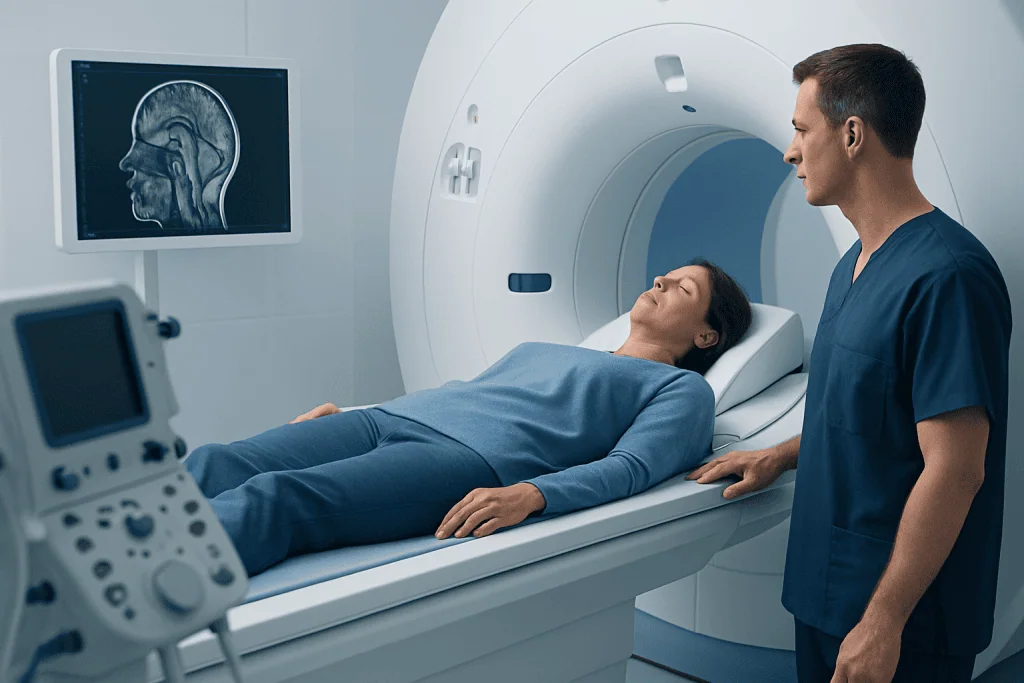
Most assessments include a physical and neurological examination and a brief cognitive screening test. Depending on the situation, blood tests may be ordered to look for thyroid problems, vitamin deficiency, infection, metabolic imbalance, or other treatable causes. If there are warning signs or concern about structural brain disease, imaging such as MRI or CT scan may be recommended.
Some people benefit from more detailed memory and thinking tests, especially if symptoms are subtle or the diagnosis is unclear. This fuller evaluation can help distinguish stress-related concentration problems from mild cognitive impairment or early dementia. The goal is not only to name the problem but to identify causes that can be managed or improved.
Treatment depends on the cause
There is no one treatment for memory problems because treatment depends on why they are happening. If poor sleep, stress, depression, anxiety, or medication side effects are contributing, addressing those issues may lead to noticeable improvement. That may include sleep treatment, counseling, medication adjustment under medical supervision, or management of chronic conditions such as thyroid disease or diabetes.
When memory changes are linked to neurological disease, treatment focuses on diagnosis, safety, symptom management, and support. Some people may need specialist care in neurology, psychiatry, geriatrics, or sleep medicine. In selected cases, doctors may recommend neurological rehabilitation to support cognitive function, routine, and day-to-day independence.
Daily strategies can also help reduce the impact of memory symptoms. Examples include using calendars, phone reminders, labeled storage places, written checklists, and keeping a regular routine. These tools are practical and can be useful whether memory issues are temporary or part of a longer-term condition.
Near the end of the diagnostic process, some patients need coordinated specialist care. Acibadem International’s multidisciplinary specialists and JCI-accredited hospitals diagnose and treat memory-related conditions for international patients when advanced evaluation is needed.
Self-care steps that support memory
Healthy habits can support memory at any age, even when a medical cause is being investigated. Good sleep is one of the most important foundations for attention and memory. Many people notice fewer memory lapses once they improve sleep routines, reduce late caffeine or alcohol, and address snoring or daytime sleepiness with a doctor.
Regular physical activity, balanced nutrition, hydration, and mental stimulation can also help maintain brain health. Social engagement matters too. Isolation, low mood, and inactivity may worsen memory complaints, while regular conversation, hobbies, reading, and structured activity can support thinking and attention.
Helpful self-care measures include:
- Keeping a consistent sleep schedule
- Using one calendar or reminder system
- Breaking tasks into smaller steps
- Reviewing medications with a clinician if symptoms began after a new drug
- Limiting alcohol and avoiding non-prescribed substances
- Seeking support for anxiety, depression, or prolonged stress
It is also helpful to avoid self-diagnosing serious illness based on occasional forgetfulness alone. Many causes of memory problems are treatable, and early assessment can bring reassurance as well as practical next steps.
When to seek medical care
Medical care is appropriate if memory problems are persistent, becoming more frequent, or affecting everyday activities. Examples include getting lost in familiar places, missing bills or medications, repeating the same questions, or having trouble following conversations and instructions. Changes noticed by family members are especially important to mention.
Urgent medical attention is needed for sudden memory loss, confusion, new trouble speaking, facial drooping, severe headache, weakness, seizure, head injury, or major changes in alertness. These symptoms may point to a medical emergency and should not be watched at home.
Even when the cause is not urgent, earlier evaluation can be useful because some conditions are easier to treat when found promptly. A doctor can help determine whether symptoms fit common age-related forgetfulness, a mood or sleep problem, a medication effect, or a condition needing specialist assessment.
Frequently asked questions
Are memory problems always a sign of dementia?
No. Many memory complaints are related to stress, poor sleep, depression, anxiety, medication side effects, or normal aging rather than dementia. A medical assessment helps determine whether the changes are benign, reversible, or part of a larger neurological condition.
What causes memory problems in younger adults?
In younger adults, memory problems are often linked to sleep deprivation, stress, anxiety, depression, alcohol or drug use, and medication effects. Vitamin deficiencies, thyroid disorders, concussion, and some neurological conditions can also play a role, so persistent symptoms should be checked.
Can stress and anxiety really affect memory?
Yes. Stress and anxiety can make it harder to focus, and poor attention interferes with storing new information. Many people describe this as forgetfulness, even though the main issue is difficulty concentrating rather than permanent memory loss.
Which medicines can cause memory problems?
Some sleep medicines, sedatives, certain antihistamines, pain medicines, and drugs with anticholinergic effects may affect memory or cause mental fog. Older adults may be more sensitive to these effects. A doctor or pharmacist can review medications safely and discuss possible alternatives if needed.
How do doctors test for memory problems?
Doctors usually start with a medical history, medication review, physical and neurological examination, and a brief cognitive assessment. Depending on the findings, they may order blood tests, brain imaging, or more detailed neuropsychological testing. The aim is to find treatable causes and understand how memory changes affect daily life.
When should someone worry about memory loss?
Concern is warranted if memory problems are worsening, frequent, or interfering with daily activities such as finances, medications, work, or navigation. Sudden confusion, trouble speaking, weakness, seizure, or severe headache needs urgent medical attention because these can signal an emergency.
This article is for general information only and is not a substitute for professional medical advice. Please consult a qualified doctor about your individual situation.
Explore treatments in Turkey — costs, top hospitals & a free quote
JCI-accredited · board-certified surgeons · reply within 24h
Add us as a Preferred Source to see more of our trusted health content across Google Search, AI Overviews and Discover.

More from the Health Library

Osteomalacia vs Osteoporosis: Key Differences and How Doctors Tell Them Apart

How to Make Time Go Faster? Here Is What the Evidence Says

How to Reheat Rice? Causes, Explanations, and Next Steps

Can You Live Without a Pancreas? A Doctor-Reviewed Answer

Can the Hospital Force You to Stay? A Doctor-Reviewed Answer