What Causes Seizures? A Doctor-Reviewed Answer

A seizure is a sudden burst of abnormal electrical activity in the brain, and it can have many different causes. One seizure does not automatically mean epilepsy, but a first seizure should be medically assessed.
Key Takeaways
- A seizure is a sudden burst of abnormal electrical activity in the brain, and it can have many different causes.
- One seizure does not automatically mean epilepsy, but a first seizure should be medically assessed.
- Temporary triggers such as fever, sleep deprivation, alcohol withdrawal, low sodium, or low blood sugar can provoke seizures.
- Red flags include a first-time seizure, repeated seizures, injury, breathing difficulty, pregnancy, or a seizure lasting longer than 5 minutes.
- Doctors use the history, examination, blood tests, brain imaging, and often an EEG to look for the underlying cause.
Seizures can happen for many reasons, and not all of them mean a person has epilepsy. Common causes include fever, low blood sugar, medication or alcohol-related effects, head injury, stroke, infection, and electrical changes in the brain that may need medical evaluation.
Overview: what causes seizures?
Seizures are caused by a sudden disturbance in the brain’s electrical signaling. In many people, the reason is temporary and treatable, such as fever, low blood sugar, a medication effect, or lack of sleep. In others, a seizure may be linked to a structural brain problem, a prior brain injury, stroke, infection, or a chronic seizure tendency called epilepsy.
A single seizure does not always mean a person has epilepsy. Doctors usually use the term provoked seizure when there is an immediate trigger, and unprovoked seizure when no short-term trigger is found. This distinction matters because it helps guide testing, treatment, and the chance of another seizure.
Many seizure-like events are not dangerous, and some episodes that look like seizures turn out to have another explanation, such as fainting, migraine, sleep disorders, or movement disorders. Even so, a first seizure or unexplained loss of awareness should be checked by a qualified doctor so the cause can be clarified safely.
How seizures can look and feel
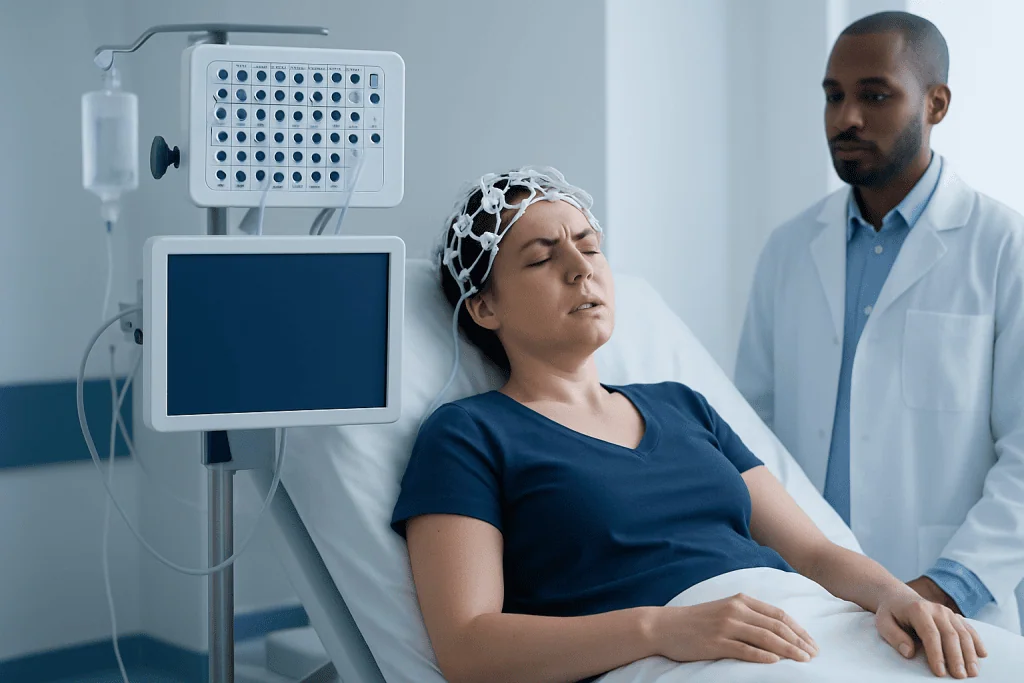
People often imagine seizures as full-body shaking, but seizures can appear in many different ways. Some involve stiffening and jerking of the arms and legs with loss of consciousness. Others may cause staring, lip smacking, confusion, unusual sensations, a sudden fall, or brief involuntary movements in one part of the body.
Symptoms depend on which part of the brain is affected. A person may notice warning signs before a seizure, sometimes called an aura, such as a strange smell, a rising feeling in the stomach, déjà vu, fear, visual changes, or tingling. Afterward, there may be fatigue, headache, muscle soreness, or temporary confusion.
Because seizure symptoms vary, it is easy to mistake them for another condition. Fainting, panic attacks, low blood sugar, and some sleep-related events can resemble seizures. If possible, a witness video and a clear description of what happened before, during, and after the event can be very helpful for the doctor.
Common causes and risk factors

When asking what causes seizures, it helps to think in groups. Some causes are short-term body stresses that temporarily disrupt brain function. Others are ongoing brain conditions that increase the likelihood of repeated seizures. Age also matters, because the most likely causes differ in children, adults, and older adults.
Common temporary or provoked causes include:
- High fever, especially in young children
- Low blood sugar or severe changes in blood chemistry, such as low sodium
- Alcohol withdrawal or misuse of certain substances
- Side effects or interactions from some medications
- Severe sleep deprivation
- Acute illness, including serious infections affecting the brain or body
Underlying brain-related causes include head injury, stroke, brain tumors, prior brain surgery, congenital brain differences, and scar tissue from earlier infections or trauma. A person may also have epilepsy, which means the brain has an enduring tendency to produce unprovoked seizures. In some cases, the exact cause remains unclear even after testing, but evaluation is still important to rule out urgent problems such as stroke or central nervous system infection.
Risk factors for having a seizure include a previous brain injury, prior stroke, family history of seizures, dementia, heavy alcohol use, and certain neurological illnesses. Children can develop febrile seizures with fever, while older adults are more likely to have seizures related to vascular disease, neurodegenerative conditions, or medication effects.
What doctors consider after a first seizure
Doctors do not rely on one symptom alone. They first want to confirm whether the episode was truly a seizure and then identify whether it was provoked or unprovoked. This is one of the most important parts of care because the answer affects both urgency and the need for longer-term treatment.
The history is especially important. A doctor may ask what the person was doing beforehand, whether there was sleep loss, alcohol use, illness, fever, recent injury, or new medication, and whether anyone witnessed stiffening, jerking, staring, turning of the head, blue lips, tongue biting, or loss of bladder control. Recovery time afterward can also offer clues.
They will also think about conditions that can mimic seizures. Brief fainting episodes can happen with dehydration or heart rhythm problems. Sudden weakness or speech changes may point toward stroke, while severe headache, fever, or neck stiffness may suggest an infection requiring urgent attention. This careful sorting process helps keep testing focused and safe.
How the cause is diagnosed
Evaluation usually begins with a physical and neurological examination, along with blood tests to look for problems such as low glucose, electrolyte imbalance, kidney or liver dysfunction, and signs of infection. Depending on the situation, urine tests or toxicology screening may also be considered. These tests help identify causes that can be treated quickly.
Brain imaging is often recommended after a first seizure, especially in adults. A CT scan may be used in urgent situations to look for bleeding, major injury, or other acute changes. An MRI can provide a more detailed view of the brain and may be especially useful if doctors are looking for scar tissue, small structural abnormalities, or a tumor. In some cases, specialists may recommend MRI imaging as part of a fuller neurological assessment.
An electroencephalogram, or EEG, records electrical activity from the brain and can show patterns that support a diagnosis of epilepsy or help classify seizure type. This information can guide treatment choices. If the cause remains uncertain, longer monitoring, sleep-deprived EEG, or hospital-based observation may be needed, and some patients may benefit from specialist review in neurology care.
Not every person needs every test, and the exact approach depends on age, symptoms, medical history, and whether the event was a one-time provoked seizure or part of a recurring pattern. The goal is to find a correct explanation while avoiding unnecessary treatment.
Treatment options depend on the cause
Treatment is aimed first at the underlying cause. If a seizure happened because of low blood sugar, low sodium, infection, alcohol withdrawal, or a medication problem, doctors focus on correcting that trigger. In these situations, preventing the same trigger from happening again can greatly reduce the chance of another seizure.
If testing suggests epilepsy or a high risk of recurrence, an anti-seizure medicine may be recommended. The choice depends on seizure type, age, other health conditions, possible side effects, and future pregnancy plans. Doctors usually explain whether medicine is needed after a first event or only after repeated unprovoked seizures.
Some patients need treatment for a related neurological condition such as a brain lesion, prior trauma, or cerebrovascular disease. In selected cases, referral for advanced evaluation may include epilepsy surgery assessment when seizures remain difficult to control with medication alone. Care is individualized, and many people achieve good seizure control with the right diagnosis and follow-up.
Near the end of the evaluation pathway, patients who need multidisciplinary care may be assessed in specialized centers. Acibadem International’s multidisciplinary specialists and JCI-accredited hospitals diagnose and treat seizure disorders and related neurological conditions for international patients.
Prevention and self-care
Prevention depends on what caused the seizure. General steps that help lower risk include taking medicines exactly as prescribed, avoiding sudden alcohol withdrawal, managing diabetes carefully, staying hydrated, and seeking treatment for infections or significant metabolic problems. Good sleep is also important, because sleep deprivation can lower the seizure threshold in some people.
If a doctor has diagnosed epilepsy, consistency matters. Missing anti-seizure medication doses is a common reason for breakthrough seizures. People should also ask before starting new prescription drugs, herbal products, or supplements, because some can interact with seizure medicines or affect seizure risk.
Safety planning is part of self-care. Until a doctor gives guidance, it may be wise to avoid swimming alone, climbing heights, taking baths unattended, or driving if a seizure could recur. Family members can be taught simple seizure first aid, such as turning the person onto one side, cushioning the head, and not putting anything in the mouth.
When to seek medical care
Medical review is important after a first seizure, even if the person feels well afterward. A doctor should also assess repeated unexplained episodes of staring, sudden confusion, loss of awareness, or unusual movements. These symptoms are not always seizures, but they do deserve evaluation.
Urgent or emergency care is needed if a seizure lasts longer than 5 minutes, if seizures happen back-to-back without full recovery, or if the person has trouble breathing, turns blue, has a serious injury, or does not regain normal awareness. Emergency assessment is also important during pregnancy, after a head injury, in someone with diabetes, or if there is fever, stiff neck, severe headache, new weakness, or speech difficulty.
Prompt medical attention helps doctors look for red flags such as infection, bleeding, severe metabolic disturbance, or a brain tumor. Early evaluation can also reduce uncertainty and support safe next steps, whether the cause turns out to be temporary, treatable, or part of a longer-term seizure disorder.
Frequently asked questions
Does one seizure mean a person has epilepsy?
No. A single seizure can happen because of a temporary trigger such as fever, low blood sugar, alcohol withdrawal, or a medication effect. Epilepsy is usually considered when a person has repeated unprovoked seizures or testing shows an ongoing tendency for seizures.
What is the most common cause of a first seizure in adults?
There is no single cause for everyone, but common reasons include metabolic problems, medication or substance effects, sleep deprivation, head injury, stroke, and structural brain changes. Doctors assess age, medical history, and the details of the event to narrow down the cause. In some adults, no immediate trigger is found on the first evaluation.
Can stress cause seizures?
Stress alone is not usually considered a direct cause in the same way as low blood sugar or a brain injury. However, stress can contribute indirectly by disturbing sleep, affecting medication routines, or worsening overall health, which may lower the seizure threshold in some people. Anyone with new seizure-like symptoms should still be medically evaluated.
Are seizures always dangerous?
Not always. Some seizures are brief and resolve without lasting harm, especially when the trigger is identified and treated. Still, seizures can be dangerous if they lead to injury, breathing problems, prolonged unconsciousness, or if they reflect a serious underlying condition.
What tests are usually done after a seizure?
Doctors often begin with a medical history, witness description, examination, and blood tests. Depending on the situation, they may also order brain imaging such as CT or MRI and an EEG to study brain electrical activity. The exact tests depend on the person’s age, symptoms, and whether this was a first or recurrent event.
Can lack of sleep trigger a seizure?
Yes. Sleep deprivation is a well-recognized seizure trigger in some people, particularly those who already have a lower seizure threshold or epilepsy. Improving sleep habits can be an important part of prevention, but it does not replace medical assessment after a first seizure.
References
- World Health Organization
- National Institute of Neurological Disorders and Stroke
- Centers for Disease Control and Prevention
- Epilepsy Foundation
- International League Against Epilepsy
This article is for general information only and is not a substitute for professional medical advice. Please consult a qualified doctor about your individual situation.
Explore treatments in Turkey — costs, top hospitals & a free quote
JCI-accredited · board-certified surgeons · reply within 24h
Add us as a Preferred Source to see more of our trusted health content across Google Search, AI Overviews and Discover.