What Do Orthopedic Specialists Treat?
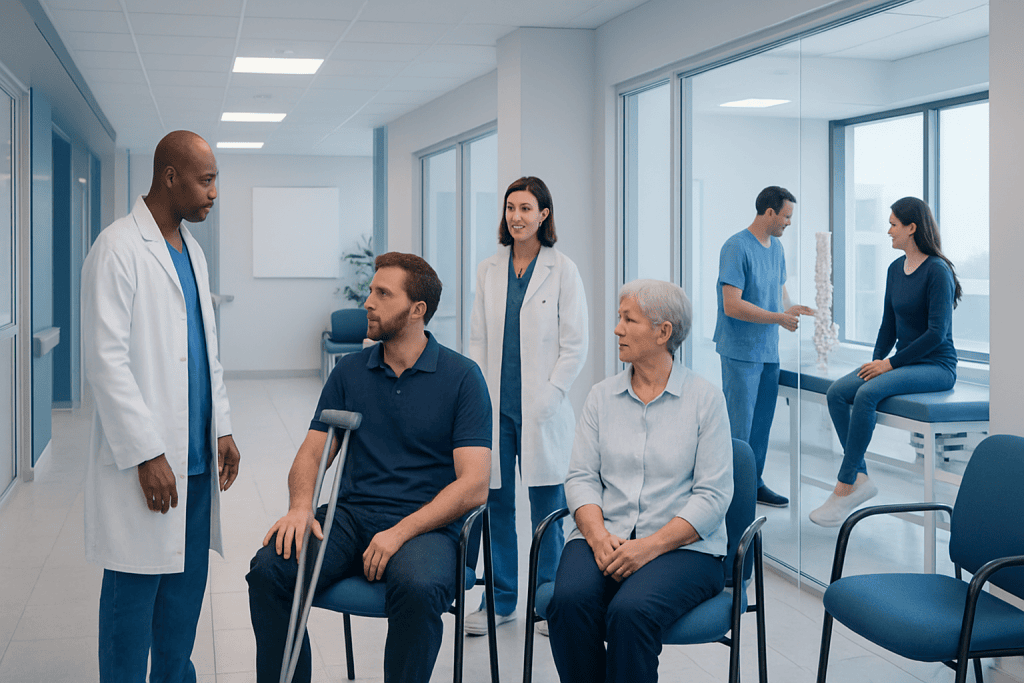
Orthopedic specialists treat injuries and diseases of bones, joints, muscles, tendons, ligaments, and the spine. Common reasons to see an orthopedic specialist include joint pain, fractures, sports injuries, back pain, and arthritis.
Key Takeaways
- Orthopedic specialists treat injuries and diseases of bones, joints, muscles, tendons, ligaments, and the spine.
- Common reasons to see an orthopedic specialist include joint pain, fractures, sports injuries, back pain, and arthritis.
- Treatment often begins with non-surgical options such as medication, physical therapy, braces, or injections.
- Surgery may be recommended for severe damage, unstable fractures, advanced arthritis, or when symptoms do not improve.
- Early evaluation can help prevent worsening pain, stiffness, weakness, and loss of mobility.
Orthopedic specialists diagnose and treat conditions affecting the musculoskeletal system, including bones, joints, muscles, tendons, ligaments, and the spine. They care for people of all ages, using both non-surgical and surgical treatments to reduce pain, restore movement, and support daily function.
Overview: What orthopedic specialists treat
Orthopedic specialists are doctors who focus on the musculoskeletal system. This includes bones, joints, muscles, ligaments, tendons, cartilage, and the spine. Their goal is to diagnose the cause of pain or limited movement, protect function, and help patients return to daily life as safely and comfortably as possible.
People often associate orthopedics with broken bones, but the specialty is much broader. Orthopedic specialists treat sudden injuries such as fractures, dislocations, and torn ligaments, as well as long-term conditions such as arthritis, tendon disorders, spinal degeneration, and overuse injuries. They may care for children, adults, athletes, and older adults depending on their training and subspecialty.
Orthopedic care can be non-surgical or surgical. Many patients improve with rest, rehabilitation, supportive devices, lifestyle changes, or medication. When needed, orthopedic surgeons can perform procedures such as fracture repair, arthroscopy, ligament reconstruction, spine surgery, or knee replacement to restore stability, reduce pain, and improve mobility.
Common conditions and injuries they manage
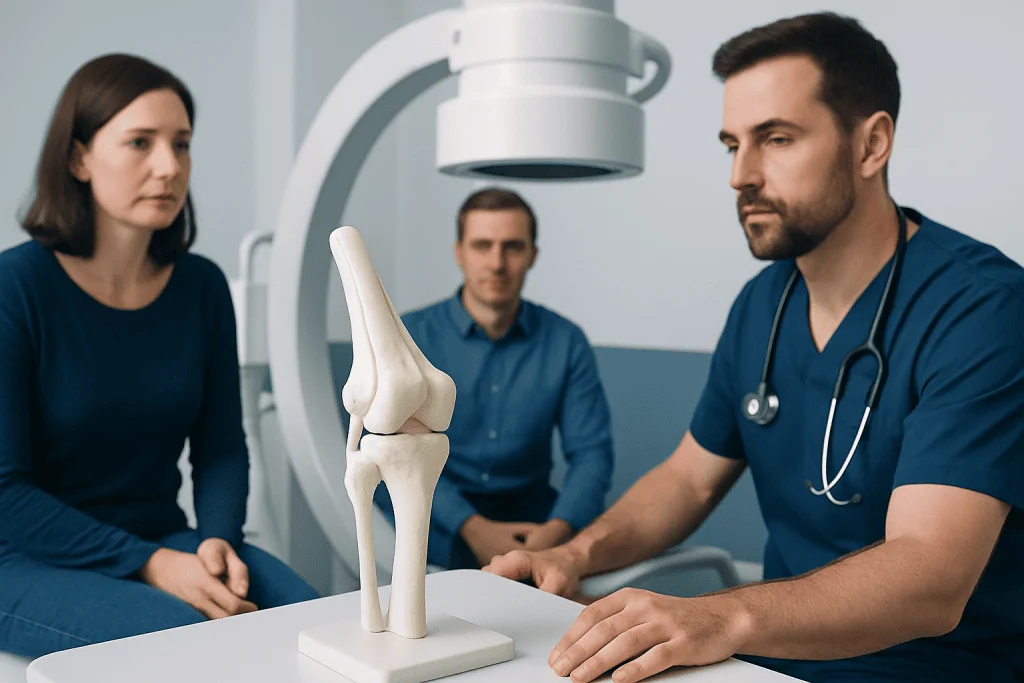
Orthopedic specialists treat a wide range of problems. Some are caused by injury, while others develop over time due to wear, inflammation, repetitive stress, or age-related changes. The exact treatment depends on the affected body part, the severity of symptoms, the patient’s activity level, and overall health.
Common orthopedic conditions include:
- Fractures and stress fractures
- Sprains, strains, and dislocations
- Osteoarthritis and other forms of joint degeneration
- Tendonitis, bursitis, and tendon tears
- Meniscus injuries and ligament tears, including ACL injuries
- Rotator cuff injuries and shoulder instability
- Carpal tunnel syndrome and other hand or wrist conditions
- Back pain, neck pain, herniated discs, and some spine disorders
- Foot and ankle problems such as plantar fasciitis, Achilles tendon injuries, and bunions
- Bone deformities or alignment problems
Orthopedic specialists may also evaluate conditions that overlap with other fields, such as nerve compression, chronic joint swelling, or gait problems. In some cases, they work closely with rheumatologists, neurologists, physical medicine specialists, pain specialists, or rehabilitation teams to provide coordinated care.
Symptoms that may need orthopedic evaluation
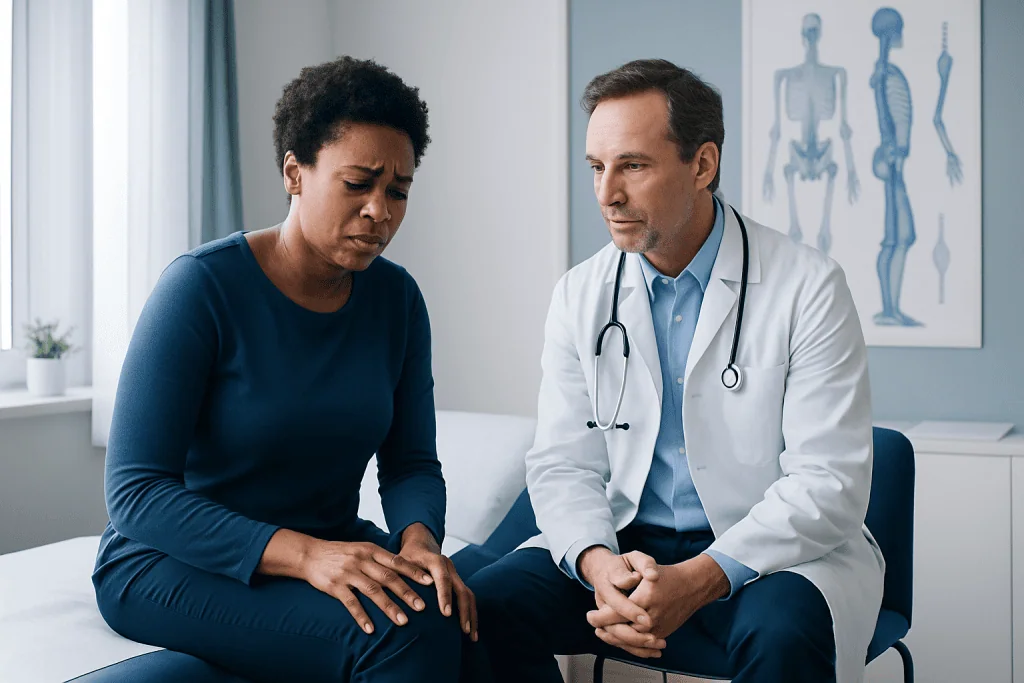
Many musculoskeletal aches improve with time, but certain symptoms suggest that an orthopedic evaluation may be helpful. Persistent pain, swelling, stiffness, weakness, numbness, deformity, or difficulty moving a limb or joint can point to an underlying injury or structural problem. Symptoms after a fall, sports injury, or accident deserve particular attention.
Patients often seek orthopedic care for pain in the knees, hips, shoulders, back, hands, feet, or neck. Common warning signs include pain that lasts more than a few weeks, repeated joint instability, trouble walking, reduced range of motion, or pain that interferes with sleep, work, or exercise. A joint that catches, locks, gives way, or swells repeatedly may also need specialist assessment.
In children, limping, persistent bone or joint pain, visible deformity, or reluctance to use an arm or leg should be assessed. In older adults, worsening balance, fragile bones, and pain after even minor trauma can raise concern for fractures or degenerative joint disease. Early diagnosis can make treatment simpler and may reduce the chance of long-term complications.
How orthopedic specialists diagnose problems
Diagnosis usually begins with a detailed medical history and physical examination. The specialist asks about symptoms, how they started, what makes them better or worse, previous injuries, daily activities, and general health conditions. During the exam, they may assess swelling, tenderness, alignment, strength, range of motion, reflexes, and stability of the affected area.
Imaging tests are often used to confirm the diagnosis or understand the extent of damage. X-rays help show fractures, joint space narrowing, and bone alignment. MRI scans are useful for soft tissues such as ligaments, cartilage, tendons, and discs. CT scans may be used for complex fractures or detailed bone assessment, while ultrasound can sometimes help evaluate tendon or joint problems.
In selected cases, blood tests may help rule out infection, inflammatory arthritis, or metabolic bone disease. If symptoms involve the spine or nerve compression, a neurological evaluation may also be needed. The goal is not only to identify the injured structure, but also to understand how it affects function so that treatment can be tailored to the individual.
Treatment options in orthopedics
Orthopedic treatment often starts with conservative care. Depending on the diagnosis, this may include rest, activity modification, ice or heat, pain-relieving medication, anti-inflammatory treatment, splints or braces, shoe inserts, and physical therapy. Exercise-based rehabilitation is especially important because it helps improve strength, flexibility, balance, and joint support.
Some patients benefit from targeted procedures that do not require major surgery. These may include joint or soft-tissue injections, aspiration of excess joint fluid, or minimally invasive techniques to diagnose and treat certain injuries. For example, arthroscopy can be used to evaluate and treat damage inside a joint through small incisions, particularly in the knee or shoulder.
Surgery may be considered when there is severe structural damage, unstable fractures, progressive nerve pressure, advanced joint disease, or symptoms that do not improve with non-surgical treatment. Common operations include fracture fixation, tendon or ligament repair, hip replacement, shoulder stabilization, and spine surgery. In patients with advanced wear-and-tear joint disease, an orthopedic specialist may treat osteoarthritis with a stepwise plan that ranges from lifestyle support to joint replacement if needed.
Treatment decisions are individualized. Age, bone quality, activity goals, work demands, other medical conditions, and personal preferences all influence the plan. A good orthopedic treatment plan focuses not only on pain relief, but also on function, independence, and safe recovery.
Prevention, self-care, and recovery support
Not every orthopedic problem can be prevented, but many injuries and overuse conditions can be reduced with healthy habits. Regular physical activity helps maintain muscle strength, joint stability, flexibility, and bone health. Warm-up exercises before sports, proper technique during training, and gradual increases in activity can lower the risk of strain or repetitive injury.
Protective steps also matter in everyday life. Supportive footwear, safe lifting techniques, good posture, and an ergonomic workspace can reduce stress on the spine and joints. Maintaining a healthy weight helps decrease pressure on the hips, knees, and feet. Adequate calcium and vitamin D intake, along with weight-bearing exercise, supports bone health, especially as people age.
Recovery after an orthopedic injury or procedure often takes time and consistency. Following rehabilitation instructions, attending physical therapy, and returning to activity gradually are important for healing. Patients should avoid rushing back to sports or heavy work before the injured area is ready, because this can increase the chance of reinjury or chronic pain.
When to see a doctor
Medical attention is important for severe pain, visible deformity, inability to bear weight, major swelling, or loss of movement after an injury. A patient should also seek prompt care if there is numbness, weakness, fever with joint pain, or signs that a limb may not be getting enough blood flow, such as unusual coldness or color change. These symptoms need timely assessment.
Even without an emergency, a doctor should evaluate musculoskeletal symptoms that persist, return frequently, or interfere with sleep, walking, exercise, work, or self-care. Joint pain that steadily worsens, repeated ankle sprains, shoulder instability, or back pain with leg weakness are examples of issues that may benefit from specialist review. In many cases, early treatment can reduce pain and improve long-term function.
If symptoms suggest a chronic joint condition such as arthritis or a sports-related problem affecting performance and mobility, orthopedic assessment can help clarify the diagnosis and guide next steps. For international patients who need advanced evaluation or treatment, Acibadem International’s multidisciplinary specialists and JCI-accredited hospitals provide orthopedic diagnosis, surgery, and rehabilitation services.
Frequently asked questions
What is the difference between an orthopedist and an orthopedic surgeon?
An orthopedist is a doctor who specializes in musculoskeletal conditions, and many are trained as orthopedic surgeons. Not every patient needs surgery, though, and orthopedic specialists often use non-surgical treatments first, such as therapy, braces, medication, or injections.
Do orthopedic specialists only treat broken bones?
No. They also treat joint pain, arthritis, sports injuries, tendon and ligament tears, back and neck problems, hand conditions, foot and ankle issues, and many overuse injuries. Their scope includes both sudden injuries and long-term musculoskeletal diseases.
When should someone see an orthopedic specialist for joint pain?
It is a good idea to seek evaluation if joint pain lasts more than a few weeks, keeps coming back, or limits walking, exercise, sleep, or daily tasks. Swelling, stiffness, locking, giving way, or reduced range of motion are also common reasons to make an appointment.
Can orthopedic conditions be treated without surgery?
Yes. Many orthopedic problems improve with conservative care, including rest, activity changes, physical therapy, supportive devices, and medication. Surgery is usually considered when symptoms are severe, function is significantly affected, or non-surgical treatments have not helped enough.
What tests do orthopedic specialists use to make a diagnosis?
They usually begin with a medical history and physical examination. Depending on the problem, they may also order imaging tests such as X-rays, MRI, CT, or ultrasound, and sometimes blood tests to rule out infection or inflammatory conditions.
Do orthopedic specialists treat back pain?
Yes, many do. Orthopedic spine specialists can evaluate causes of back or neck pain such as disc problems, degeneration, fractures, spinal alignment issues, or nerve compression, and they may recommend rehabilitation, pain management, or surgery when appropriate.
References
- American Academy of Orthopaedic Surgeons
- National Institute of Arthritis and Musculoskeletal and Skin Diseases
- National Health Service
- Mayo Clinic
- World Health Organization
This article is for general information only and is not a substitute for professional medical advice. Please consult a qualified doctor about your individual situation.
Joint and spine care in Turkey — expert assessment & treatment
JCI-accredited · board-certified surgeons · reply within 24h
Add us as a Preferred Source to see more of our trusted health content across Google Search, AI Overviews and Discover.

Orthopedics & Spine
Care for bones, joints and the musculoskeletal system, including joint replacement, sports injuries and trauma.
125 specialists in this unit