What Does a Cancer Doctor Do? Your First Visit Explained

A cancer doctor evaluates symptoms, reviews test results, and confirms or clarifies a diagnosis. The first visit often includes a detailed discussion about medical history, staging, and treatment options.
Key Takeaways
- A cancer doctor evaluates symptoms, reviews test results, and confirms or clarifies a diagnosis.
- The first visit often includes a detailed discussion about medical history, staging, and treatment options.
- Cancer care is usually provided by a multidisciplinary team, not just one specialist.
- Patients can prepare by bringing records, medication lists, questions, and a support person if desired.
- Treatment plans may include surgery, chemotherapy, radiation therapy, targeted therapy, immunotherapy, or careful monitoring.
A cancer doctor, often called an oncologist, helps diagnose cancer, explain its stage, and create a treatment plan tailored to the person’s needs. The first visit usually focuses on reviewing medical history, symptoms, test results, and the next steps in care.
Overview: What a Cancer Doctor Does
A cancer doctor is a physician who specializes in diagnosing and treating cancer. This specialist is usually called an oncologist. Depending on the type of cancer and the treatment needed, care may involve a medical oncologist, surgical oncologist, radiation oncologist, hematologist-oncologist, or several of these working together.
The cancer doctor’s role goes beyond prescribing treatment. This doctor helps confirm the diagnosis, explains what the cancer means, orders or reviews tests, discusses treatment choices, and monitors the person’s health during and after treatment. The goal is to create a plan that is medically appropriate while also taking the patient’s overall health, preferences, and quality of life into account.
Cancer care is often delivered by a team. Along with oncologists, a patient may meet pathologists, radiologists, oncology nurses, pharmacists, dietitians, psychologists, palliative care specialists, and surgeons. This team-based approach helps ensure that decisions are based on complete information and that supportive care is available throughout the process.
Different Types of Cancer Doctors
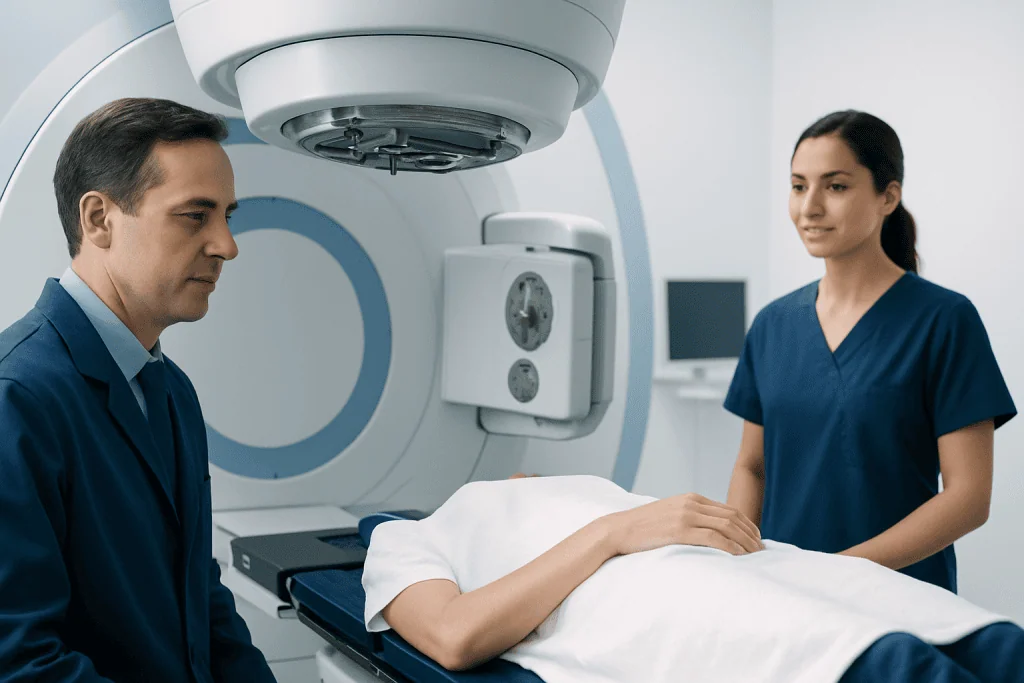
Not every cancer doctor does the same job. A medical oncologist usually manages cancer using medicines such as chemotherapy, targeted therapy, hormone therapy, or immunotherapy. A radiation oncologist plans and oversees radiation treatment. A surgical oncologist removes tumors and may perform biopsies to help establish a diagnosis.
Some doctors focus on blood-related cancers such as leukemia, lymphoma, or myeloma. Others specialize in cancers affecting a particular part of the body, such as the breast, lung, colon, prostate, or gynecologic organs. This specialization can help tailor care to the specific cancer type.
In many cases, the person’s main point of contact is a medical oncologist, but care decisions are made together with the wider team. For example, a patient with a solid tumor may need imaging, pathology review, surgery, and then medicines or radiation. This coordinated care can also overlap with related topics such as cancer screening, diagnosis, and long-term follow-up.
- Medical oncologist: treats cancer with medicines
- Radiation oncologist: treats cancer with radiation
- Surgical oncologist: removes tumors and performs cancer-related surgery
- Hematologist-oncologist: treats blood cancers and some blood disorders
What Happens at the First Visit

The first visit with a cancer doctor is usually centered on understanding the full picture. The doctor will ask about symptoms, past illnesses, family history, prior surgeries, medications, allergies, and any recent test results. If cancer has already been suspected or diagnosed, the doctor will review pathology reports, scans, and blood tests in detail.
This appointment may feel information-heavy, but it is meant to build a clear plan. The doctor may explain whether the diagnosis is confirmed, what type of cancer is involved, and whether more tests are needed. Patients are often encouraged to bring a family member or trusted friend for support and to help remember what was discussed.
Many first visits also include a physical examination and a conversation about the next step. Sometimes treatment starts quickly. In other cases, the doctor may need more information before recommending a plan. The aim is not to rush decisions, but to make them based on accurate staging and a careful assessment of the person’s health.
It is common for patients to ask what treatment might involve, how long testing will take, and whether daily life will be affected. These are appropriate and helpful questions. The first visit is an opportunity to begin an open, ongoing conversation with the care team.
Tests, Diagnosis, and Staging
A cancer doctor often helps organize the tests needed to confirm the diagnosis and determine the stage of disease. Diagnosis may involve blood tests, imaging studies, endoscopy, bone marrow testing, or a biopsy. A biopsy is especially important because it allows a pathologist to examine tissue and identify the exact cancer type.
Staging describes how far the cancer has spread and helps guide treatment. For many solid tumors, stage depends on the size of the main tumor, whether lymph nodes are involved, and whether there is spread to other organs. Blood cancers are staged differently and may rely more on laboratory results, bone marrow findings, and imaging.
The doctor may also order molecular or genetic testing of the tumor. These tests do not look only for inherited conditions; they may also identify specific changes in the cancer cells that help predict which treatments are most likely to work. This is one reason why treatment recommendations can differ from one patient to another, even when the cancer starts in the same organ.
When appropriate, the cancer doctor may discuss tests such as MRI scans, PET-CT imaging, or procedures such as a biopsy to clarify the diagnosis and stage. The exact tests depend on the symptoms, the suspected cancer type, and results already available.
How Treatment Decisions Are Made
After reviewing the diagnosis and stage, the cancer doctor explains the available treatment options. These may include surgery, systemic medicines, radiation therapy, stem cell transplant for some blood cancers, or a combination of treatments. In certain situations, close monitoring may also be an appropriate choice.
Treatment decisions are based on several factors: the cancer type, stage, molecular features, the person’s age and general health, existing medical conditions, and personal goals. The doctor will usually explain the purpose of treatment as well, such as curing the disease, controlling it, shrinking a tumor before surgery, reducing the risk of recurrence, or relieving symptoms.
Discussion of side effects is an important part of the visit. A cancer doctor helps patients understand expected benefits, possible risks, and how side effects may be prevented or managed. Treatment can be physically and emotionally demanding, so supportive care is often included from the beginning rather than only later.
In many hospitals, treatment plans are reviewed at multidisciplinary meetings where specialists consider the pathology, imaging, and patient factors together. This helps ensure a balanced recommendation. Depending on the case, options may include chemotherapy or radiation therapy as part of a personalized care plan.
How to Prepare for the Appointment
Preparing for the first oncology visit can help the appointment feel more manageable. Patients can gather all available records, including scan reports, pathology results, blood tests, hospital discharge papers, and a list of current medicines and supplements. If records are in another language, translated summaries may also be helpful.
Writing down questions in advance often makes the conversation easier. Common questions include: What type of cancer is this? Has it spread? What additional tests are needed? What treatment do you recommend first? What side effects are common? Will I need treatment in the hospital or as an outpatient?
It can also help to bring practical information about allergies, prior reactions to medicines, other medical conditions, and family history of cancer. Some people prefer to keep a notebook or use a phone to record key points if the clinic allows it. Bringing a support person is often useful, especially when a lot of new information is being discussed.
- Bring identification, insurance or referral documents if needed
- Carry a full medication and supplement list
- Bring copies of scans, pathology, and lab reports
- Prepare a short symptom timeline
- Write down questions and treatment goals
Supportive Care, Follow-Up, and Living With Cancer
A cancer doctor also helps patients manage life during and after treatment. This includes monitoring response to therapy, arranging follow-up scans or blood tests, checking for side effects, and supporting recovery. Follow-up care may continue for years, especially if there is a risk of recurrence or long-term treatment effects.
Supportive care is a major part of oncology. Patients may need help with fatigue, nausea, pain, appetite changes, emotional distress, sleep problems, fertility concerns, or practical issues such as returning to work. Addressing these concerns early can improve comfort and help people stay on track with treatment.
Cancer care may also include survivorship planning. After treatment, the doctor may recommend routine checkups, screenings, healthy lifestyle measures, and rehabilitation services when needed. These steps are intended to protect overall health, detect recurrence if it occurs, and support the person’s long-term well-being.
For international patients who need coordinated oncology care, Acibadem International’s multidisciplinary specialists and JCI-accredited hospitals diagnose and treat many cancer types while supporting communication and treatment planning across specialties.
When to Contact the Doctor Urgently
Patients should know when symptoms need quicker medical attention. During cancer evaluation or treatment, urgent contact may be needed for high fever, trouble breathing, chest pain, confusion, severe dehydration, uncontrolled vomiting, heavy bleeding, or sudden severe pain. A cancer doctor or oncology nurse can explain which warning signs are most relevant for the person’s treatment.
It is also important to report symptoms that seem less dramatic but persist or worsen, such as new swelling, severe constipation or diarrhea, mouth sores, numbness, unusual bruising, or difficulty eating and drinking. These may be side effects of treatment or signs that the care plan needs adjustment.
Patients should not feel they are bothering the team by asking for guidance. Prompt communication can prevent complications and may reduce the need for emergency care. If symptoms feel severe or life-threatening, emergency medical care should be sought immediately.
Frequently asked questions
Is a cancer doctor the same as an oncologist?
Yes. The term cancer doctor usually refers to an oncologist, a physician trained to diagnose and treat cancer. Depending on the situation, this may be a medical, radiation, or surgical oncologist.
Will treatment start at the first oncology visit?
Not always. Many first visits focus on reviewing records, confirming the diagnosis, and deciding whether more tests are needed before treatment begins. If the diagnosis and staging are already clear, treatment planning may move forward more quickly.
What should a patient bring to the first visit?
It is helpful to bring medical records, scan and pathology reports, blood test results, a medication list, and a summary of symptoms. Many people also bring written questions and a family member or friend for support.
Can a cancer doctor give a second opinion?
Yes. Second opinions are common in oncology and can help confirm the diagnosis, stage, or treatment plan. They are especially useful when the cancer is rare, treatment choices are complex, or surgery or intensive therapy is being considered.
Does seeing a cancer doctor always mean a person has cancer?
No. Some people are referred to a cancer doctor because a scan, biopsy, blood test, or symptom needs specialist review. The visit may help rule out cancer, confirm it, or clarify what further testing is required.
How does a cancer doctor choose the best treatment?
The doctor considers the cancer type, stage, test results, overall health, and the patient’s preferences and goals. Treatment decisions are often discussed with a multidisciplinary team so that surgery, medicines, radiation, and supportive care can be coordinated thoughtfully.
References
- National Cancer Institute
- American Cancer Society
- World Health Organization
- National Comprehensive Cancer Network
- European Society for Medical Oncology
This article is for general information only and is not a substitute for professional medical advice. Please consult a qualified doctor about your individual situation.
Oncology care in Turkey — second opinion and treatment plan
JCI-accredited · board-certified surgeons · reply within 24h
Add us as a Preferred Source to see more of our trusted health content across Google Search, AI Overviews and Discover.

Medical Oncology Department
Medical treatment of cancer with chemotherapy, immunotherapy and targeted therapies under a multidisciplinary tumor board.
60 specialists in this unit