What Does a Heart Attack Feel Like? Symptoms, Differences, and Emergency Care

A heart attack may cause pressure, squeezing, heaviness, or pain in the chest, but not everyone has the same symptoms. Symptoms can include shortness of breath, nausea, cold sweat, unusual fatigue, dizziness, or pain in the jaw, back, neck, or arm.
Key Takeaways
- A heart attack may cause pressure, squeezing, heaviness, or pain in the chest, but not everyone has the same symptoms.
- Symptoms can include shortness of breath, nausea, cold sweat, unusual fatigue, dizziness, or pain in the jaw, back, neck, or arm.
- Heart attack symptoms can differ from heartburn, anxiety, or muscle pain, but it is safest to seek emergency help if there is any doubt.
- Calling emergency services right away can help restore blood flow sooner and limit heart damage.
- Risk factors include smoking, high blood pressure, diabetes, high cholesterol, obesity, inactivity, and family history.
A heart attack often feels like chest pressure, tightness, heaviness, or pain that may spread to the arm, jaw, back, or stomach area. Symptoms can vary, especially in women, older adults, and people with diabetes, so fast emergency care is important whenever a heart attack is suspected.
Overview
A heart attack happens when blood flow to part of the heart muscle becomes suddenly blocked, usually by a blood clot forming in a narrowed coronary artery. Without enough oxygen, that part of the heart muscle begins to suffer damage. Quick treatment is important because reopening the artery as early as possible can reduce injury and improve recovery.
Many people expect a heart attack to feel dramatic and unmistakable. In reality, heart attack symptoms can range from severe chest pain to milder pressure, discomfort, or shortness of breath. Some people have classic symptoms, while others notice unusual tiredness, nausea, or discomfort in the jaw, back, or arm.
Understanding what a heart attack can feel like helps people act quickly. It is not possible to confirm or rule out a heart attack based on symptoms alone at home. If symptoms suggest a possible heart attack, emergency medical help should be called right away rather than waiting to see if they pass.
What a Heart Attack May Feel Like
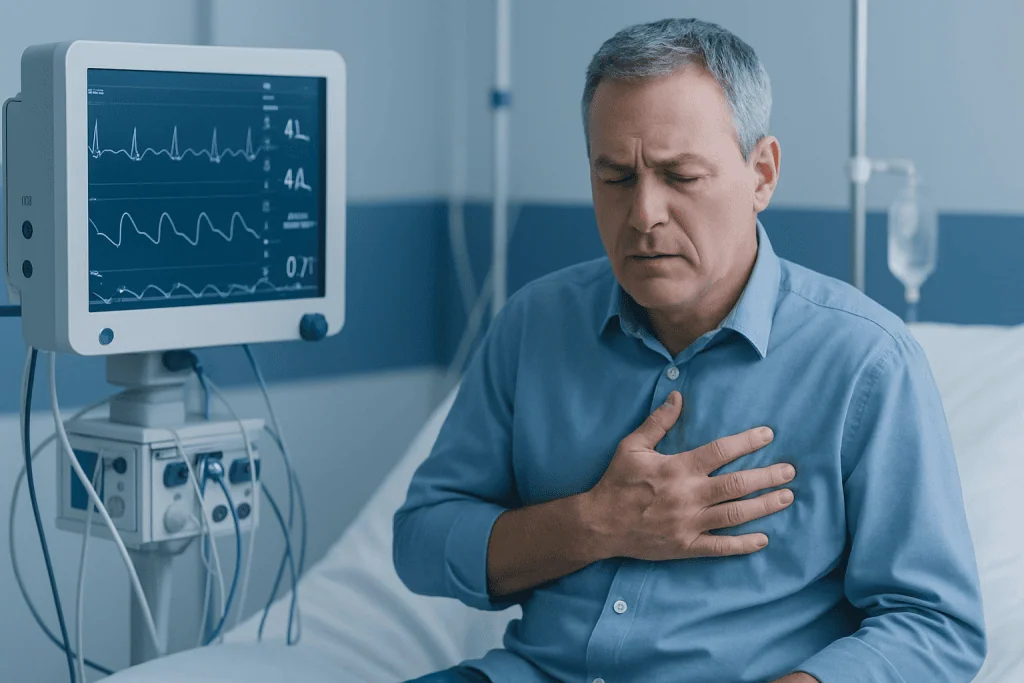
The most common description is pressure, squeezing, fullness, tightness, or heaviness in the center or left side of the chest. Some people describe it as a weight sitting on the chest rather than a sharp, stabbing pain. The discomfort may last more than a few minutes, come and go, or gradually worsen.
The sensation does not always stay in the chest. It may spread to one or both arms, especially the left arm, or move into the shoulders, neck, jaw, upper back, or upper abdomen. Some people mainly notice these spreading pains rather than strong chest symptoms.
Heart attack symptoms can also include shortness of breath, cold sweating, nausea, vomiting, dizziness, lightheadedness, and a sudden feeling of weakness. An unusual sense that something is seriously wrong is also sometimes reported. In some cases, symptoms begin during physical activity or emotional stress, but they can also happen during rest or sleep.
- Chest pressure, squeezing, or heaviness
- Pain or discomfort in the arm, jaw, neck, back, or upper stomach
- Shortness of breath
- Cold sweat
- Nausea or vomiting
- Dizziness, faintness, or sudden weakness
How Symptoms Can Differ in Women, Older Adults, and People With Diabetes

Not everyone experiences a heart attack in the same way. Women may have chest discomfort, but they are also more likely to report shortness of breath, nausea, vomiting, fatigue, back pain, jaw pain, or a burning or pressure-like feeling that is easier to overlook. These symptoms may be mistaken for indigestion, stress, or exhaustion.
Older adults may have less obvious chest pain and more generalized weakness, confusion, shortness of breath, or fainting. People with diabetes can sometimes have reduced pain sensation because of nerve damage, which may make symptoms feel milder or less typical. This is sometimes called a “silent” or minimally symptomatic heart attack, although it is still dangerous.
Because symptoms vary so much, it is important not to dismiss a possible warning sign simply because it does not match the common image of sudden crushing chest pain. Any new, unexplained chest discomfort or concerning combination of symptoms should be treated seriously and assessed urgently by a medical team.
Heart Attack vs Other Causes of Chest Discomfort
Chest discomfort can have many causes, including heartburn, muscle strain, panic attacks, lung problems, or other heart conditions. Heartburn often causes a burning feeling behind the breastbone, sometimes after eating or when lying down. Muscle pain may become worse with movement or pressing on the chest wall. Anxiety or panic can cause chest tightness, fast breathing, and a racing heart.
Even so, it can be very hard to tell the difference without medical evaluation. A heart attack does not always cause severe pain, and non-cardiac conditions can also feel frightening. That is why experts advise treating sudden or unexplained chest pressure, especially with sweating, breathlessness, nausea, or pain spreading to the arm or jaw, as a medical emergency.
Some heart-related conditions can resemble a heart attack, including angina, which causes chest discomfort when the heart muscle temporarily does not get enough blood. Angina can feel similar, but a heart attack means the blood flow reduction is severe enough to injure heart muscle. Because the distinction cannot be made safely at home, urgent evaluation is necessary.
Causes and Risk Factors
Most heart attacks are caused by coronary artery disease. Over time, fatty deposits called plaque build up in the arteries that supply the heart. If a plaque ruptures, a blood clot can form and suddenly block blood flow. This blockage deprives part of the heart muscle of oxygen and triggers a heart attack.
Several factors increase risk. Some are medical, such as high blood pressure, high cholesterol, diabetes, chronic kidney disease, and previous heart disease. Others are lifestyle-related, including smoking, physical inactivity, obesity, poor sleep, and long-term stress. A family history of early heart disease can also increase risk.
Age is another important factor, and risk generally rises as people get older. Men tend to develop heart disease earlier, while women’s risk increases after menopause. Preventing or controlling risk factors can lower the chance of a heart attack, and medical follow-up is especially important for anyone who already has coronary artery disease.
Diagnosis and Emergency Care
If a heart attack is suspected, the safest response is to call emergency services immediately. It is better not to drive oneself if symptoms are significant, because a person’s condition can worsen on the way. Emergency responders can begin assessment and treatment early, which may save valuable time.
At the hospital, doctors use a combination of symptoms, physical examination, an electrocardiogram (ECG), and blood tests that look for heart muscle damage. Additional tests may include echocardiography, chest imaging, or coronary angiography to see where blood flow is blocked. These tests also help distinguish a heart attack from other conditions.
Treatment focuses on restoring blood flow quickly and protecting the heart muscle. This may include medicines to reduce clotting and improve circulation, followed by procedures such as coronary angiography to identify the blockage and coronary angioplasty to open the affected artery. In some cases, coronary bypass surgery may be recommended if there are multiple severe blockages.
Treatment, Recovery, and Preventing Another Heart Attack
After emergency treatment, recovery continues with careful monitoring, medications, and lifestyle changes. Common goals include preventing new clots, lowering cholesterol, controlling blood pressure, easing strain on the heart, and helping the heart recover. The exact treatment plan depends on the type of heart attack, the amount of heart damage, and a person’s overall health.
Cardiac rehabilitation is often an important part of recovery. This is a supervised program that helps patients return to activity safely, improve fitness, learn heart-healthy habits, and manage stress. Many people also need ongoing care for conditions such as diabetes, cholesterol disorders, or smoking dependence.
Prevention focuses on practical steps: not smoking, eating a heart-healthy diet, staying physically active, maintaining a healthy weight, sleeping well, and taking prescribed medicines as directed. Regular medical follow-up can help manage risk factors before they lead to another event. Near the end of recovery planning, some patients may seek evaluation at specialized centers; Acibadem International’s multidisciplinary specialists and JCI-accredited hospitals diagnose and treat heart conditions for international patients.
When to Seek Immediate Medical Help
Emergency help should be sought right away for chest pressure, squeezing, or pain that lasts more than a few minutes, goes away and returns, or occurs together with shortness of breath, sweating, nausea, faintness, or pain spreading to the arm, jaw, neck, or back. These symptoms should never be ignored, even if they seem mild.
People sometimes delay care because they are unsure, embarrassed, or hoping the discomfort will pass. This delay can allow more heart muscle damage to occur. If symptoms suggest a possible heart attack, acting quickly is far safer than waiting.
If a doctor has previously given instructions about what to do for recurring chest pain, those instructions should be followed while emergency help is being called. However, new, stronger, or different symptoms still need urgent assessment. Fast treatment can make a major difference in outcomes.
Frequently asked questions
Does a heart attack always feel like severe chest pain?
No. A heart attack can feel like pressure, tightness, heaviness, burning, or discomfort rather than intense pain. Some people mainly notice shortness of breath, nausea, fatigue, dizziness, or pain in the jaw, back, or arm.
Can heart attack symptoms come and go?
Yes. Symptoms may build gradually, come and go, or remain constant. Even intermittent chest pressure or discomfort can be serious and should be assessed urgently.
How is a heart attack different from heartburn?
Heartburn often causes a burning sensation after eating or when lying down, while a heart attack more often causes pressure, squeezing, or heaviness and may occur with sweating, breathlessness, or pain spreading to the arm or jaw. Still, the difference is not always clear, so emergency evaluation is safest when symptoms are concerning.
Can women have different heart attack symptoms?
Yes. Women may have chest discomfort, but they are also more likely to have symptoms such as unusual fatigue, nausea, shortness of breath, jaw pain, or back pain. These symptoms can be mistaken for less serious problems, which is one reason prompt medical attention is important.
What should someone do if they think they are having a heart attack?
They should call emergency services immediately and not wait to see if symptoms go away. It is usually safest not to drive oneself, because symptoms can worsen quickly and emergency teams can begin care on the way to the hospital.
Can a heart attack happen without warning?
Yes, it can. Some people have warning symptoms such as chest discomfort during exertion beforehand, while others experience sudden symptoms with little or no warning. Regular checkups and risk factor control can help reduce the chance of an unexpected event.
References
- World Health Organization
- American Heart Association
- National Heart, Lung, and Blood Institute
- European Society of Cardiology
- Centers for Disease Control and Prevention
This article is for general information only and is not a substitute for professional medical advice. Please consult a qualified doctor about your individual situation.
Persistent digestive symptoms? Get evaluated in Turkey
JCI-accredited · board-certified surgeons · reply within 24h
Add us as a Preferred Source to see more of our trusted health content across Google Search, AI Overviews and Discover.