What Does a Stroke Doctor Do During an Emergency?

Stroke doctors act fast because early treatment can limit brain injury. Their first steps are to assess symptoms, timing, and vital functions such as breathing and blood pressure.
Key Takeaways
- Stroke doctors act fast because early treatment can limit brain injury.
- Their first steps are to assess symptoms, timing, and vital functions such as breathing and blood pressure.
- Brain imaging helps them tell the difference between an ischemic stroke and a hemorrhagic stroke.
- Treatment may include clot-busting medicine, catheter-based clot removal, or supportive care depending on the cause.
- Stroke doctors also coordinate intensive monitoring, prevention of complications, and plans for rehabilitation.
A stroke doctor in an emergency focuses on one goal: protecting brain tissue as quickly as possible. They rapidly assess symptoms, confirm the type of stroke, and guide urgent treatment to improve safety and recovery.
Overview: the role of a stroke doctor during an emergency
A stroke doctor in an emergency is a physician trained to recognize and treat sudden problems with blood flow or bleeding in the brain. This doctor may be a vascular neurologist, emergency physician, neurologist, interventional neuroradiologist, or neurosurgeon working as part of a stroke team. Their job is to move quickly, because stroke treatment is highly time-sensitive.
When someone arrives with possible stroke symptoms, the stroke doctor helps lead a structured response. This includes checking when symptoms began, examining the patient, ordering urgent brain imaging, and deciding whether treatment to restore blood flow or control bleeding is needed. The doctor also helps rule out other conditions that can look like stroke, such as seizures, migraine, low blood sugar, or infection.
Stroke care is a team effort. Nurses, radiology staff, laboratory teams, emergency doctors, and rehabilitation specialists all play important roles, but the stroke doctor helps coordinate the medical decisions. The aim is not only to treat the immediate event, but also to lower the risk of complications and support the best possible recovery.
How a stroke emergency is recognized
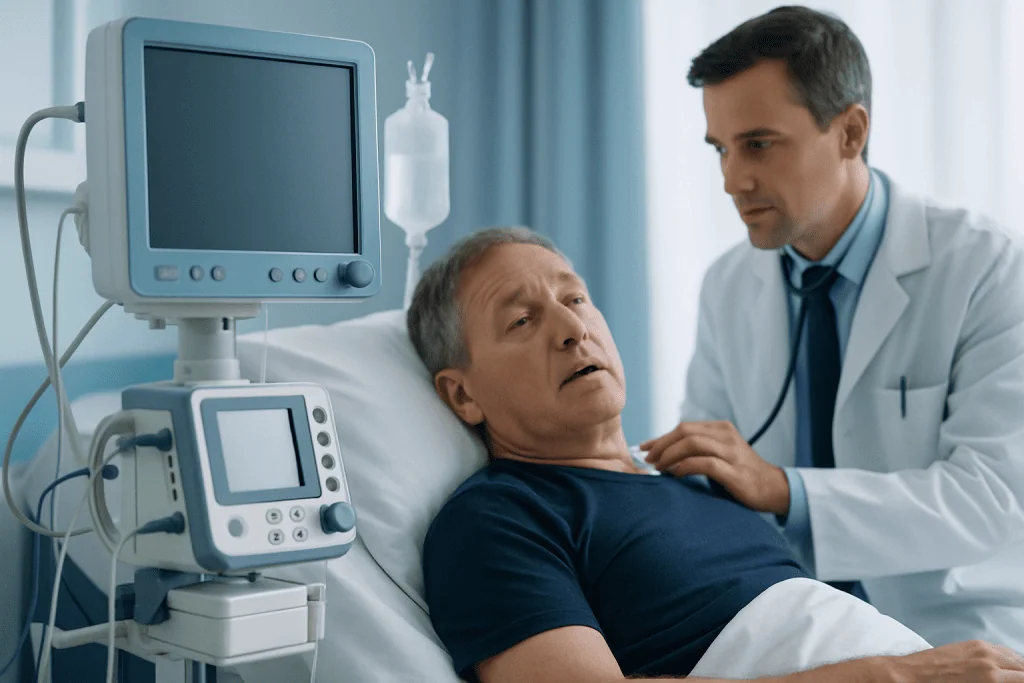
Most stroke emergencies begin with sudden neurological symptoms. These can include weakness or numbness on one side of the body, facial drooping, slurred speech, trouble understanding words, sudden vision changes, severe dizziness, balance problems, or a sudden severe headache. Because these symptoms can appear suddenly and may be painless, some people delay seeking help. Quick action is very important.
Many clinicians and public health organizations use the FAST warning signs: Face drooping, Arm weakness, Speech difficulty, Time to call emergency services. Some strokes also cause confusion, difficulty walking, double vision, or sudden loss of coordination. In the emergency setting, the stroke doctor treats these symptoms as urgent until proven otherwise.
The doctor will ask exactly when the person was last known to be well, because this timing affects treatment choices. If symptoms started during sleep or no one saw the onset, the last known normal time becomes especially important. Even if symptoms improve, urgent evaluation is still needed because a transient ischemic attack or a stroke in evolution may be present.
What happens first in the emergency department

The first priority is stabilizing the patient. The stroke doctor and emergency team check airway, breathing, circulation, oxygen level, heart rhythm, blood pressure, and blood sugar. They make sure the person is safe enough for urgent imaging and treatment, because some symptoms may be worsened by low glucose, infection, or heart problems.
Next comes a focused neurological examination. The doctor looks at speech, facial movement, strength, sensation, vision, coordination, and level of alertness. A standardized stroke scale may be used to estimate severity and document changes over time. This quick exam helps identify which parts of the brain may be affected and whether there may be a large vessel blockage.
Blood tests are usually ordered, but treatment decisions often proceed in parallel rather than waiting for every result. The doctor reviews medicines such as blood thinners, recent surgeries, bleeding history, and other medical conditions that may affect safety. Family members or witnesses can be very helpful if the patient cannot speak clearly.
Throughout this process, the stroke doctor balances speed with safety. Each minute matters, but treatment must fit the type of stroke and the individual patient’s risks.
How a stroke doctor confirms the type of stroke
Not all strokes are the same, and the treatment depends on the cause. The two main types are ischemic stroke, caused by a blocked blood vessel, and hemorrhagic stroke, caused by bleeding in or around the brain. A doctor cannot tell the difference reliably from symptoms alone, which is why urgent imaging is essential.
A non-contrast CT scan of the brain is often the first test because it is fast and very good at detecting bleeding. In many cases, the stroke doctor also orders CT angiography or other vascular imaging to look for blocked arteries in the neck or brain. Sometimes MRI is used when it can provide faster or clearer answers in a given hospital setting.
These imaging tests help determine whether the patient may benefit from time-sensitive treatments such as clot-busting treatment or thrombectomy. They also guide decisions about blood pressure control, reversal of blood-thinning medicines, and whether a neurosurgical opinion is needed. If symptoms are due to another condition instead of stroke, imaging helps the team shift safely toward the correct diagnosis.
Emergency treatments a stroke doctor may use
If the stroke is ischemic and the patient meets safety criteria, the stroke doctor may recommend intravenous thrombolytic medicine to dissolve the clot. This treatment is used within a specific time window and after careful review of imaging, bleeding risk, and medical history. The goal is to restore blood flow before more brain tissue is injured.
If imaging shows a large artery blockage, the doctor may also arrange mechanical thrombectomy. In this procedure, a specialist uses a catheter to reach the blocked vessel and remove the clot. For selected patients, thrombectomy can be beneficial even when several hours have passed, depending on imaging findings and the amount of brain tissue still at risk.
If the stroke is caused by bleeding, the priorities change. The doctor works to control blood pressure, reverse certain anticoagulant medicines when appropriate, monitor pressure inside the skull, and involve specialists for possible procedures or surgery. In some cases, treatment may overlap with the care pathways used for brain hemorrhage or other forms of intracranial bleeding.
Supportive care is equally important. The stroke doctor helps manage fever, hydration, blood sugar, swallowing safety, and prevention of complications such as aspiration, deep vein clots, or worsening brain swelling. Even when a clot-removing treatment is not suitable, close monitoring and timely supportive care can make a meaningful difference.
What happens after the immediate emergency
Once the patient is stabilized, the stroke doctor focuses on why the stroke happened and how to prevent another one. This often includes checking the heart rhythm for atrial fibrillation, evaluating the carotid and brain arteries, reviewing blood pressure and cholesterol, and looking at conditions such as diabetes or smoking history. Identifying the cause guides the next phase of treatment.
The doctor may recommend antiplatelet medicines, anticoagulants, cholesterol-lowering therapy, blood pressure management, or other treatments depending on the stroke type. Some patients with artery narrowing may need additional procedures, while others benefit most from medication and risk-factor control. If the stroke is related to an underlying vascular problem, the care plan may connect with evaluation for carotid artery disease.
Recovery planning starts early. The stroke doctor works with rehabilitation specialists to assess mobility, speech, swallowing, daily function, and cognition. Physical therapy, occupational therapy, and speech therapy may begin in the hospital or soon after discharge.
Near this stage of care, some patients and families also seek coordinated international stroke services. Acibadem International’s multidisciplinary specialists and JCI-accredited hospitals diagnose and treat stroke and related neurological emergencies for international patients.
How families can help during a stroke emergency
Family members often provide critical information that speeds treatment. The most helpful detail is the exact time the person was last known to be well. Bringing a list of medications, allergies, major medical problems, and contact information for regular doctors can also support safe decisions.
It is also useful to describe how symptoms began and whether they changed suddenly or gradually. Witnesses may notice facial drooping, confusion, loss of balance, or unusual speech before the patient realizes something is wrong. If possible, they should tell the team about recent surgery, falls, head injury, or blood thinner use.
During the emergency, families can help by staying calm and available for questions. They may need to support urgent consent discussions if the patient cannot speak for themselves. Clear communication with the stroke doctor allows treatment to proceed as efficiently as possible.
- Call emergency services rather than driving if stroke is suspected.
- Note the time symptoms started or the last normal time.
- Do not give food, drink, or medication unless instructed by clinicians.
- Bring medication lists and details of recent medical events.
When to seek urgent medical attention
Any sudden sign of stroke needs urgent medical assessment, even if it seems mild or goes away quickly. Temporary symptoms can be a warning of a future stroke and should not be ignored. The safest response is to call emergency services immediately.
People should seek emergency care for sudden weakness, numbness, speech difficulty, facial drooping, severe imbalance, abrupt vision loss, or a sudden severe headache unlike their usual headaches. These symptoms may signal stroke, bleeding in the brain, or another neurological emergency. Fast evaluation gives doctors the best chance to protect brain function.
After a stroke, follow-up also matters. New symptoms, worsening weakness, confusion, repeated falls, chest pain, or trouble swallowing should be reported promptly. Ongoing care with a qualified clinician helps reduce the chance of another event and supports recovery over time.
Frequently asked questions
Is a stroke doctor the same as a neurologist?
A stroke doctor is often a neurologist with additional expertise in vascular neurology or acute stroke care. In an emergency, the stroke team may also include emergency physicians, interventional specialists, and neurosurgeons. The exact team depends on the hospital and the type of stroke.
Why is timing so important in stroke treatment?
Brain cells can be damaged quickly when blood flow is blocked or when bleeding occurs. Some treatments are only safe and effective within certain time windows, although advanced imaging can sometimes expand options for selected patients. Getting help early gives the stroke doctor more choices.
Can a stroke doctor treat a stroke if symptoms go away?
Yes, emergency evaluation is still needed even if symptoms improve. Temporary symptoms may represent a transient ischemic attack or a stroke that is still evolving. A doctor can assess the cause and help prevent a more serious event.
What tests are usually done during a stroke emergency?
The main early test is brain imaging, usually a CT scan, to look for bleeding and guide treatment. Doctors also check blood sugar, vital signs, and often order blood tests and heart monitoring. Additional vessel imaging may be used to look for blockages in the arteries.
Do all stroke patients need surgery or a procedure?
No, treatment depends on the stroke type and severity. Some patients benefit from clot-dissolving medicine, some need catheter-based clot removal, and others need careful monitoring and medical management. Surgery is mainly considered in certain bleeding strokes or when pressure in the brain becomes dangerous.
What should a family member tell the stroke doctor first?
The most important detail is when the person was last known to be normal. It also helps to share the medication list, especially blood thinners, along with major health conditions, allergies, and any recent surgery or injury. These details can affect treatment safety and timing.
References
- World Health Organization
- American Stroke Association
- National Institute of Neurological Disorders and Stroke
- Centers for Disease Control and Prevention
- European Stroke Organisation
This article is for general information only and is not a substitute for professional medical advice. Please consult a qualified doctor about your individual situation.
Explore treatments in Turkey — costs, top hospitals & a free quote
JCI-accredited · board-certified surgeons · reply within 24h
Add us as a Preferred Source to see more of our trusted health content across Google Search, AI Overviews and Discover.
Check your numbers in seconds
BMI, calories, due date, blood pressure and 30+ more clinical calculators — free, instant, doctor-reviewed ranges.