What Does an Oncologist Do?

An oncologist is a cancer specialist who manages diagnosis, treatment planning, and follow-up care. There are different types of oncologists, including medical, surgical, and radiation oncologists.
Key Takeaways
- An oncologist is a cancer specialist who manages diagnosis, treatment planning, and follow-up care.
- There are different types of oncologists, including medical, surgical, and radiation oncologists.
- Oncologists often work as part of a multidisciplinary team to personalize treatment.
- A person may see an oncologist for suspected cancer, a new diagnosis, treatment decisions, or ongoing monitoring.
- Cancer care can include treatment, symptom relief, emotional support, and survivorship planning.
An oncologist is a doctor who specializes in diagnosing, treating, and monitoring cancer. They help patients understand their condition, discuss treatment choices, coordinate care, and support long-term follow-up.
Overview: What Is an Oncologist?
An oncologist is a doctor who specializes in cancer care. Their role includes helping diagnose cancer, determining its type and stage, recommending treatment options, monitoring how treatment is working, and providing long-term follow-up. They also help patients understand complex medical information so they can make informed decisions about their care.
Cancer treatment often involves more than one specialist. For this reason, oncologists usually work within a team that may include surgeons, radiation specialists, radiologists, pathologists, nurses, pharmacists, dietitians, psychologists, and palliative care professionals. This team-based approach helps create a treatment plan that fits the person’s diagnosis, overall health, and personal goals.
Not everyone who sees an oncologist already has cancer. Some people are referred because a scan, blood test, biopsy, or symptom suggests that cancer needs to be ruled out. Others may see an oncologist after a diagnosis to discuss next steps, get a second opinion, or review treatment options.
Types of Oncologists and Their Roles
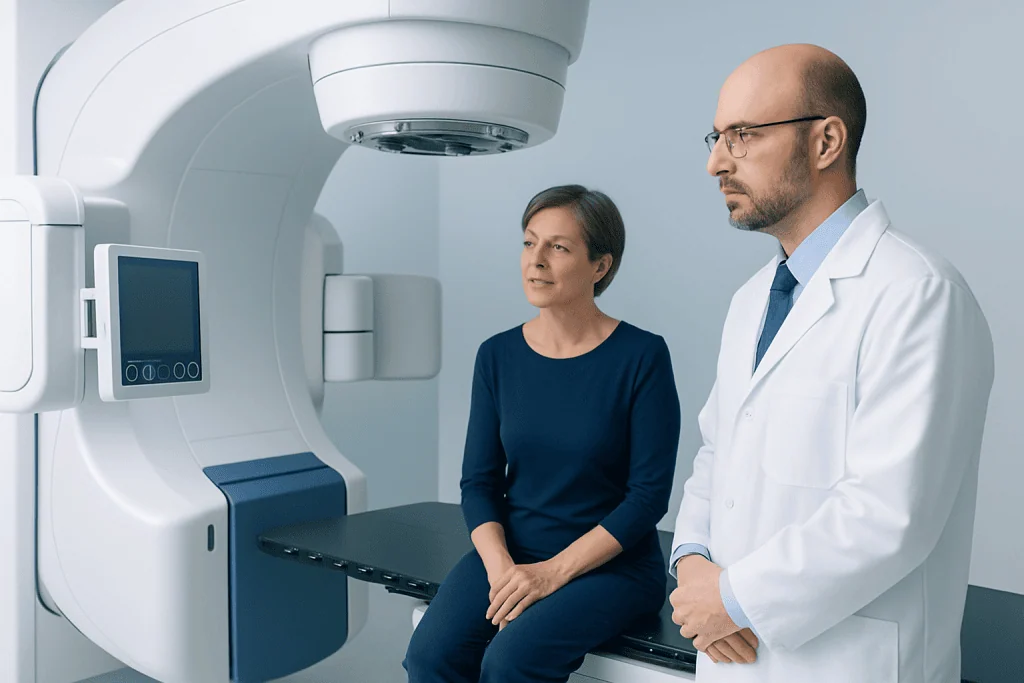
There are several types of oncologists, and each focuses on a different part of cancer care. A medical oncologist treats cancer with medicines such as chemotherapy, hormone therapy, targeted therapy, immunotherapy, or other systemic treatments. A surgical oncologist performs operations to remove tumors or obtain tissue for diagnosis. A radiation oncologist treats cancer using carefully planned radiation therapy.
Some doctors have additional subspecialties. For example, there are pediatric oncologists for children, gynecologic oncologists for cancers affecting the female reproductive system, hematologist-oncologists for blood cancers, and neuro-oncologists for cancers involving the brain or nervous system. This extra training helps match patients with the most appropriate expertise for their condition.
In many cases, one person will meet more than one oncologist during the course of care. A patient might first have surgery, then receive medicines, and later have radiation therapy. Although each specialist has a different role, they usually meet together or review records in a multidisciplinary setting to align treatment decisions and timing.
- Medical oncologist: manages drug-based cancer treatments and overall cancer care
- Surgical oncologist: removes tumors and may perform biopsies
- Radiation oncologist: plans and delivers radiation treatment
- Hematologist-oncologist: treats cancers of the blood, bone marrow, and lymphatic system
What an Oncologist Does During Diagnosis and Staging

One of the most important responsibilities of an oncologist is confirming the diagnosis and understanding the full extent of the disease. Cancer diagnosis often involves reviewing symptoms, medical history, imaging tests, blood work, and biopsy results. The oncologist studies this information carefully to identify the exact cancer type and how advanced it is.
This process is called staging. Staging describes where the cancer started, whether it has grown into nearby tissues, and whether it has spread to other parts of the body. Staging helps guide treatment choices and gives the care team a common language for planning. In some cancers, additional laboratory or molecular tests are used to look for biomarkers that may help predict which treatments are more likely to work.
The oncologist also explains the diagnosis in clear terms. They discuss what the test results mean, whether more tests are needed, and what treatment paths are possible. This conversation can feel overwhelming, so patients are often encouraged to bring a family member, ask questions, and request written summaries when available.
Depending on the situation, the oncologist may recommend advanced diagnostics, imaging, or tissue sampling to clarify the diagnosis. These evaluations help build a more personalized care plan and may also determine whether PET-CT scanning or radiology imaging is helpful in assessing the disease.
How Oncologists Plan and Coordinate Treatment
After diagnosis and staging, the oncologist develops a treatment plan tailored to the individual. This plan depends on many factors, including the cancer type, stage, tumor biology, age, general health, symptoms, and patient preferences. The goals of treatment may include curing the cancer, controlling it, slowing its growth, relieving symptoms, or reducing the risk of recurrence.
An oncologist explains the possible benefits, limits, and side effects of each option. Treatment may involve one approach or a combination. For example, surgery may remove a localized tumor, while medications treat cancer cells throughout the body. Radiation may be used before or after surgery, or to target a specific area. In some cases, clinical trials may also be discussed if they are appropriate and available.
Cancer care usually happens over time rather than in a single visit. The oncologist tracks progress, adjusts treatment when needed, manages side effects, and coordinates referrals to other specialists. They may also discuss supportive services such as nutrition counseling, fertility preservation, rehabilitation, pain control, and emotional support. When surgery is part of care, a referral for oncological surgery may be made, and if radiation is indicated, the patient may be guided toward radiotherapy planning.
What to Expect at an Oncology Appointment
A first appointment with an oncologist usually includes a detailed review of symptoms, medical history, previous test results, and family history. The doctor may ask when symptoms began, whether they have changed, what treatments have already been tried, and whether there are any other health conditions that could affect treatment decisions. A physical examination may also be performed.
Patients often receive an explanation of the diagnosis, the likely next steps, and whether additional tests are needed. If cancer has already been confirmed, the oncologist may discuss stage, treatment intent, possible side effects, timelines, and follow-up plans. This visit is also a good time to ask practical questions about work, travel, fertility, exercise, nutrition, and support during treatment.
Many people find it helpful to prepare beforehand. Useful steps include bringing a list of medicines, copies of scans or pathology reports if available, and written questions. Patients can ask about the purpose of treatment, expected benefits, possible risks, alternatives, and how success will be monitored. Good communication helps people feel more informed and involved in their care.
When to See an Oncologist
A person may need to see an oncologist if a doctor suspects cancer based on symptoms, physical findings, imaging, laboratory tests, or biopsy results. A referral may also happen when a patient has already been diagnosed and needs a treatment plan. In some situations, people seek an oncologist for a second opinion, especially if treatment choices are complex or involve several possible approaches.
Common reasons for referral include a newly discovered mass, unexplained abnormal bleeding, persistent unexplained weight loss, long-lasting fatigue, suspicious imaging findings, or biopsy-confirmed cancer. However, these signs do not always mean cancer is present. The oncologist’s job is to investigate carefully, interpret results, and advise on the most appropriate next step.
People with a history of cancer may continue seeing an oncologist after treatment ends. These follow-up visits can help monitor recovery, detect recurrence early, manage late side effects, and support long-term health. Some patients with inherited cancer risk or strong family history may also be referred for risk assessment, surveillance planning, or genetic counseling through the wider cancer care team.
Supportive Care, Follow-Up, and Survivorship
Oncology care is not only about treating the tumor. It also includes managing symptoms and protecting quality of life. Oncologists often help patients cope with pain, nausea, fatigue, appetite changes, sleep problems, anxiety, or emotional stress related to diagnosis and treatment. Supportive care can begin at any stage of illness and may continue long after treatment ends.
After active treatment, follow-up remains important. The oncologist may schedule regular visits, blood tests, imaging, or other assessments based on the type of cancer and the treatments used. These appointments help monitor for recurrence, assess long-term effects, and address health concerns such as bone health, heart health, hormonal changes, sexual health, or return to daily routines.
Survivorship planning is another key part of the oncologist’s role. This may include guidance on physical activity, nutrition, smoking cessation, vaccinations, mental well-being, and routine health screening. For patients with conditions such as cancer or specific diagnoses like breast cancer, follow-up plans are usually individualized. Near the end of the care pathway, some international patients may choose centers such as Acibadem International, where multidisciplinary specialists in JCI-accredited hospitals diagnose and treat cancer and coordinate ongoing care.
Frequently asked questions
Is an oncologist the same as a cancer doctor?
Yes. An oncologist is a doctor who specializes in diagnosing and treating cancer. Depending on the type of oncologist, they may use medicines, surgery, radiation, or a combination of treatments.
Do people only see an oncologist after cancer is confirmed?
Not always. Some people are referred to an oncologist when test results or symptoms suggest cancer needs to be ruled out. The oncologist may help arrange further testing and explain what the findings mean.
What is the difference between a medical oncologist and a surgical oncologist?
A medical oncologist mainly treats cancer with medications such as chemotherapy, immunotherapy, hormone therapy, or targeted therapy. A surgical oncologist performs operations to remove tumors or obtain tissue samples for diagnosis.
Can an oncologist help with side effects and symptoms?
Yes. Oncologists do more than treat the cancer itself. They also help manage treatment side effects and symptoms such as pain, nausea, fatigue, and appetite changes, often with support from a wider care team.
Should someone get a second opinion from an oncologist?
A second opinion can be helpful, especially for a new diagnosis, a rare cancer, or a complex treatment decision. It may confirm the current plan or present additional options, helping the patient feel more confident about the next step.
How often are follow-up visits needed after cancer treatment?
Follow-up schedules vary depending on the cancer type, stage, treatment used, and the person’s overall health. The oncologist creates an individualized plan to monitor recovery, look for recurrence, and address long-term effects.
References
- World Health Organization
- National Cancer Institute
- American Society of Clinical Oncology
- European Society for Medical Oncology
- Centers for Disease Control and Prevention
This article is for general information only and is not a substitute for professional medical advice. Please consult a qualified doctor about your individual situation.
Oncology care in Turkey — second opinion and treatment plan
JCI-accredited · board-certified surgeons · reply within 24h
Add us as a Preferred Source to see more of our trusted health content across Google Search, AI Overviews and Discover.

Medical Oncology Department
Medical treatment of cancer with chemotherapy, immunotherapy and targeted therapies under a multidisciplinary tumor board.
60 specialists in this unit