What Does an Orthopedic Doctor Do? Exams, Imaging, and Treatment Options

Orthopedic doctors diagnose and treat injuries and conditions affecting the musculoskeletal system. A visit usually includes a medical history, physical exam, and sometimes X-rays, MRI, CT, or ultrasound.
Key Takeaways
- Orthopedic doctors diagnose and treat injuries and conditions affecting the musculoskeletal system.
- A visit usually includes a medical history, physical exam, and sometimes X-rays, MRI, CT, or ultrasound.
- Many orthopedic problems improve with non-surgical care such as rest, physical therapy, bracing, and medication.
- Surgery may be considered when symptoms are severe, function is limited, or conservative treatment does not help enough.
- Early assessment can help protect mobility, reduce pain, and support recovery.
An orthopedic doctor evaluates and treats problems that affect bones, joints, muscles, tendons, ligaments, and the spine. Care often begins with a physical exam and imaging, followed by a treatment plan that may include exercise, medication, injections, rehabilitation, or surgery when needed.
Overview: What an Orthopedic Doctor Does
An orthopedic doctor is a physician who specializes in the musculoskeletal system. This includes bones, joints, muscles, tendons, ligaments, and often the spine. Their role is to find the cause of pain, stiffness, weakness, swelling, instability, or reduced movement, then recommend the most suitable treatment.
Orthopedic care covers both sudden injuries and long-term conditions. A person may see an orthopedic doctor after a sports injury, fall, workplace accident, or car accident. Others are referred for chronic knee pain, hip arthritis, back or neck problems, shoulder pain, hand conditions, or foot and ankle issues that affect daily life.
Orthopedic doctors may focus on different areas, such as sports medicine, joint replacement, spine care, trauma, hand surgery, pediatric orthopedics, or foot and ankle surgery. Some mainly provide non-surgical care, while others also perform operations. In many cases, treatment begins with conservative steps before surgery is considered.
The overall goal is to relieve symptoms, restore movement, improve strength and function, and help prevent further injury. Because orthopedic problems can affect walking, exercise, sleep, and independence, timely evaluation can make a meaningful difference in quality of life.
Common Reasons to See an Orthopedic Doctor
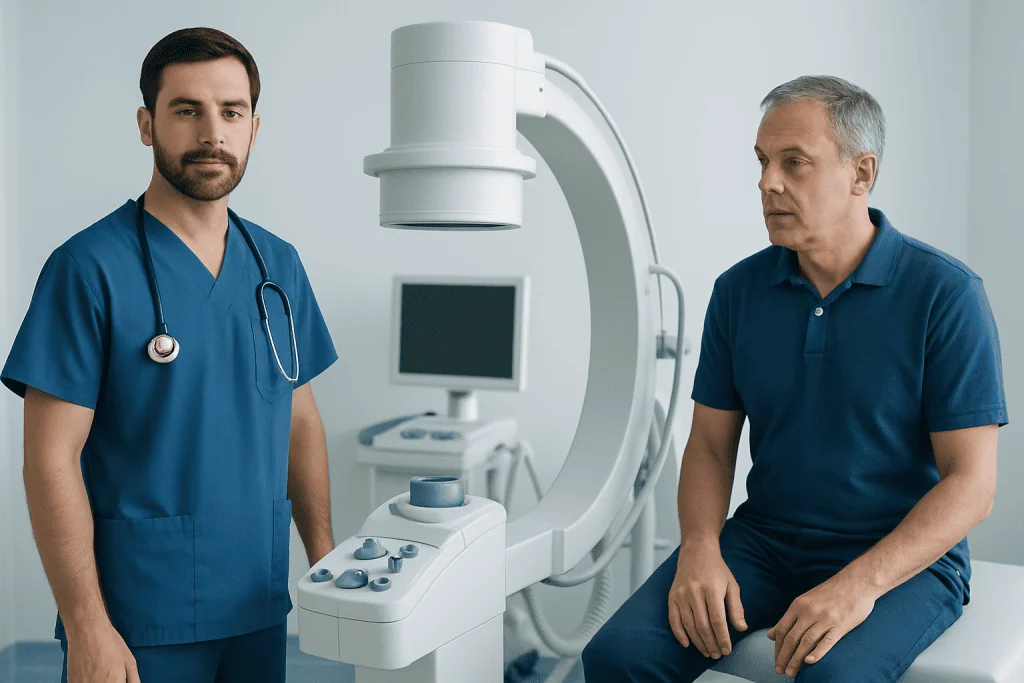
People often visit an orthopedic doctor for pain that does not improve, repeated injuries, or difficulty using a limb or joint normally. Symptoms may develop gradually over time or start suddenly after an accident or overuse. Even when symptoms seem mild at first, ongoing discomfort or reduced mobility may benefit from specialist assessment.
Common concerns include joint pain, swelling, stiffness, limited range of motion, weakness, numbness related to nerve compression, joint instability, or a visible deformity. An orthopedic doctor may also evaluate fractures, tendon tears, ligament sprains, cartilage injuries, and problems related to wear and tear, such as osteoarthritis.
Typical body areas seen in orthopedic practice include:
- Shoulder, elbow, wrist, and hand pain
- Hip, knee, ankle, and foot problems
- Sports injuries such as sprains, strains, and meniscus tears
- Back and neck pain linked to posture, disc problems, or degeneration
- Fractures and dislocations
- Tendon conditions such as rotator cuff disease or Achilles tendinopathy
An orthopedic doctor may also help when symptoms interfere with work, exercise, sleep, or self-care. If walking becomes difficult, pain returns repeatedly, or a joint feels unstable, specialist guidance can help clarify the problem and the available treatment options.
What Happens During an Orthopedic Exam

An orthopedic visit usually starts with a detailed medical history. The doctor may ask when symptoms began, what makes them better or worse, whether there was an injury, and how the problem affects daily activities. Past medical conditions, previous surgeries, medications, work demands, and sports or exercise habits are also important because they can influence diagnosis and treatment.
The physical exam is a key part of the assessment. The doctor may look for swelling, bruising, deformity, muscle wasting, or changes in posture and gait. They often compare both sides of the body, check range of motion, press on specific areas to identify tenderness, and assess strength, balance, reflexes, sensation, and joint stability.
Some exams include specific maneuvers designed to stress a tendon, ligament, meniscus, or nerve. For example, the doctor may test shoulder rotation, knee stability, spinal movement, or grip strength. Although a few movements may briefly reproduce symptoms, these tests help locate the source of pain and distinguish between muscle, joint, tendon, ligament, and nerve-related problems.
After the exam, the doctor explains the likely diagnosis and whether further testing is needed. In many cases, the exam itself already provides strong clues, and imaging is used to confirm findings or plan treatment rather than replace the hands-on evaluation.
Imaging and Tests Used in Orthopedics
Imaging helps an orthopedic doctor see bones, joints, and soft tissues more clearly. The type of test depends on the symptoms, the body area involved, and whether the problem is thought to affect bone, cartilage, tendon, ligament, or nerve structures. Not every patient needs advanced imaging, and tests are usually chosen to answer a specific clinical question.
X-rays are often the first imaging study. They are especially useful for fractures, alignment problems, dislocations, joint narrowing, bone spurs, and signs of arthritis. If more detail is needed, the doctor may recommend MRI scanning, which is particularly helpful for soft tissues such as ligaments, tendons, cartilage, discs, and muscles. MRI is commonly used for knee, shoulder, spine, and hip complaints.
Computed tomography may be used when complex bone detail is needed, such as certain fractures or surgical planning. CT scanning can show bone structure more precisely than standard X-rays in some situations. Ultrasound may also be used to assess tendons, fluid collections, bursae, or guided injections, especially around the shoulder, elbow, or ankle.
Depending on the case, other tests may include blood tests to look for inflammation, infection, or metabolic bone disease, and nerve studies when numbness or tingling suggests nerve compression. When imaging is part of a broader workup, a doctor may refer for radiology services to support accurate diagnosis and treatment planning.
Orthopedic Treatment Options
Many orthopedic problems can be managed without surgery. Initial treatment often includes activity modification, rest from painful movements, ice or heat, supportive footwear, bracing, or short-term use of medicines to reduce pain and inflammation. The doctor may recommend a home exercise plan or formal physical therapy to improve flexibility, strength, balance, and joint mechanics.
Rehabilitation is a major part of orthopedic care. Targeted exercises can help restore function after injury and may also reduce the chance of recurring problems. In some cases, doctors use injections to ease inflammation or pain in a specific joint or tendon area, although the right choice depends on the diagnosis and the patient’s overall health.
Surgery may be considered if symptoms are severe, a structure is torn or unstable, a fracture needs repair, or conservative treatment does not bring enough relief. Procedures range from arthroscopy and fracture fixation to tendon repair, ligament reconstruction, and knee replacement for advanced joint damage. Orthopedic surgeons choose the least invasive option that can safely meet the treatment goal whenever possible.
Treatment plans are individualized. Age, activity level, occupation, underlying health conditions, imaging findings, and personal goals all matter. For some people, the main priority is pain relief; for others, it is returning to sport, work, or independent movement. Shared decision-making helps align treatment with what matters most to the patient.
Recovery, Prevention, and Self-Care
Recovery depends on the diagnosis, treatment type, and the person’s general health. Minor sprains may improve in days to weeks, while fractures, tendon injuries, or surgery often need longer rehabilitation. Following the treatment plan closely, attending therapy sessions, and progressing activity gradually can support better healing and function.
Self-care plays an important role in both recovery and prevention. Helpful habits include maintaining a healthy weight, warming up before exercise, building muscle strength, improving flexibility, and using proper technique during sports or lifting. Good posture, supportive shoes, and an ergonomic work setup may also reduce strain on joints and soft tissues.
To lower the risk of orthopedic injuries and overuse problems, people can focus on:
- Regular strength and balance training
- Gradual increases in exercise intensity
- Rest days and recovery between demanding activities
- Protective equipment for sports and work
- Prompt attention to pain that persists or keeps returning
For patients who need specialist care, multidisciplinary teams can coordinate diagnosis, imaging, rehabilitation, and surgery when appropriate. Near the end of the care pathway, some international patients may choose centers such as Acibadem International, where multidisciplinary specialists in JCI-accredited hospitals evaluate and treat orthopedic conditions.
When to See a Doctor
It is sensible to seek medical advice if pain lasts longer than expected, keeps coming back, or limits walking, work, sleep, exercise, or self-care. An orthopedic evaluation is also useful if a joint feels unstable, catches or locks, loses range of motion, or becomes noticeably swollen without a clear reason.
Prompt assessment is especially important after a significant injury, such as a fall, twisting injury, direct blow, or sudden popping sensation followed by pain or weakness. A person should also be examined if they cannot bear weight, cannot move a limb normally, or suspect a fracture or dislocation.
Urgent medical attention is needed for severe deformity, sudden inability to use an arm or leg, rapidly increasing swelling, signs of infection such as fever with a hot red joint, or numbness and weakness that appear quickly. These symptoms do not always mean a serious condition, but they should not be ignored.
Early evaluation can help avoid worsening damage and may allow simpler treatment. A qualified doctor can determine whether symptoms are due to an overuse injury, joint disease, nerve irritation, or another problem that needs targeted care.
Frequently asked questions
What conditions does an orthopedic doctor treat?
An orthopedic doctor treats problems involving bones, joints, muscles, tendons, ligaments, and sometimes the spine. This includes fractures, arthritis, sports injuries, tendon tears, back pain, joint instability, and overuse conditions.
Do I need a referral to see an orthopedic doctor?
This depends on the healthcare system, insurance plan, and country. Some people can book directly, while others may need a referral from a primary care doctor or emergency department.
Will an orthopedic visit always include imaging?
Not always. The doctor may diagnose many problems through the history and physical exam, then decide whether imaging is needed to confirm the cause or guide treatment. X-rays are common first tests, while MRI or CT is used when more detail is necessary.
Does seeing an orthopedic doctor mean surgery is needed?
No. Many orthopedic conditions improve with non-surgical care such as rest, physical therapy, bracing, exercise changes, and medication. Surgery is usually considered only when symptoms are severe, the injury is significant, or conservative treatment has not helped enough.
What should a patient bring to an orthopedic appointment?
It helps to bring previous scan results, a list of medications, and notes about when symptoms started and what affects them. Comfortable clothing that allows easy examination of the painful area can also be useful.
How long does orthopedic recovery usually take?
Recovery time varies widely based on the diagnosis, severity, treatment plan, and overall health. Some soft tissue injuries improve within weeks, while fractures, major tears, or surgery may require months of healing and rehabilitation.
References
- American Academy of Orthopaedic Surgeons
- National Institute of Arthritis and Musculoskeletal and Skin Diseases
- NHS
- MedlinePlus
- American College of Radiology
This article is for general information only and is not a substitute for professional medical advice. Please consult a qualified doctor about your individual situation.
Joint and spine care in Turkey — expert assessment & treatment
JCI-accredited · board-certified surgeons · reply within 24h
Add us as a Preferred Source to see more of our trusted health content across Google Search, AI Overviews and Discover.

Orthopedics & Spine
Care for bones, joints and the musculoskeletal system, including joint replacement, sports injuries and trauma.
125 specialists in this unit