What Does Radiation Do to the Body: How It Works, Results and What to Expect
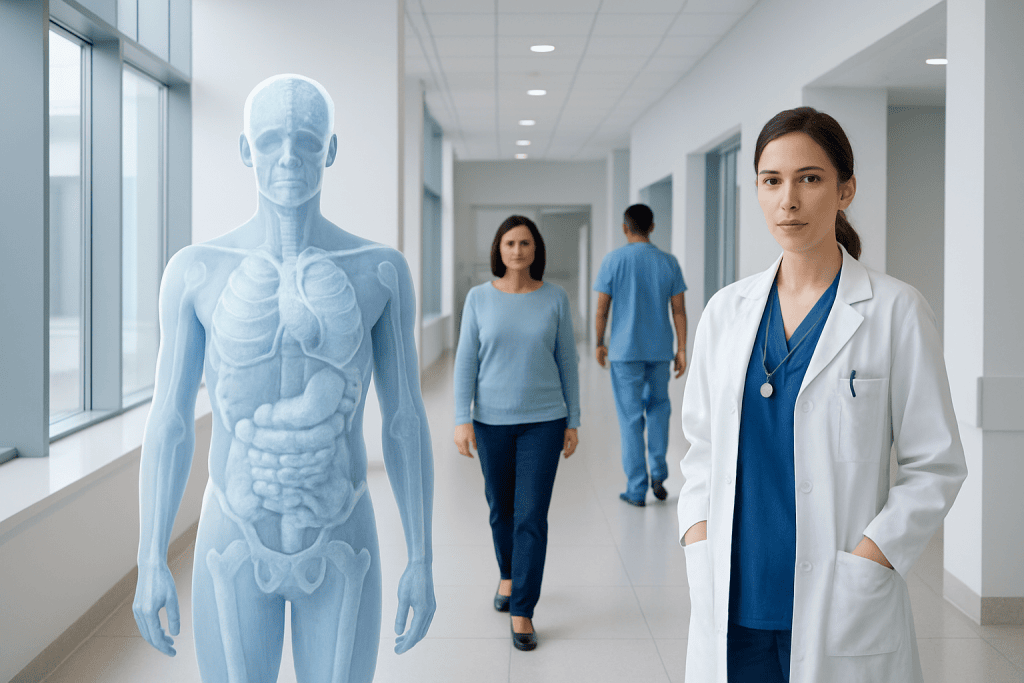
Radiation therapy is a local treatment that targets a defined area of the body rather than the whole body. Its main effect is DNA damage in cancer cells, which may lead to cell death immediately or after future cell divisions.
Key Takeaways
- Radiation therapy is a local treatment that targets a defined area of the body rather than the whole body.
- Its main effect is DNA damage in cancer cells, which may lead to cell death immediately or after future cell divisions.
- Side effects vary according to the treatment site, dose, technique, and a person's overall health.
- Many side effects develop gradually during treatment and improve in the weeks after it ends, although some can be long term.
- Modern planning and image guidance help radiation teams protect nearby healthy tissues as much as possible.
Radiation therapy uses carefully targeted high-energy beams or particles to damage the DNA of cancer cells, preventing them from growing and dividing. It can also affect nearby healthy cells, which is why side effects occur, but healthy tissues often repair themselves more effectively than cancer cells.
Overview: What Does Radiation Do to the Body?
Radiation therapy is a cancer treatment that uses precisely planned high-energy radiation to damage cancer cell DNA. When cancer cells cannot repair this damage, they may stop dividing or die. The effects are mainly concentrated in the treatment field, so radiation therapy is different from chemotherapy, which travels through the bloodstream and can affect cells throughout the body.
Healthy cells near the treatment area may also be exposed. However, normal tissues usually have a better capacity to recover between treatments than cancer cells. Radiation oncologists use detailed imaging, computerized planning, positioning devices, and daily checks to deliver the prescribed dose accurately while limiting radiation to nearby organs.
Radiation may be used alone, before surgery to shrink a tumor, after surgery to reduce the chance of cancer returning, or alongside systemic treatments such as chemotherapy, hormone therapy, targeted therapy, or immunotherapy. The goals may be curative, to lower recurrence risk, or palliative, meaning to ease symptoms such as pain, bleeding, or pressure caused by cancer.
How Radiation Treatment Works
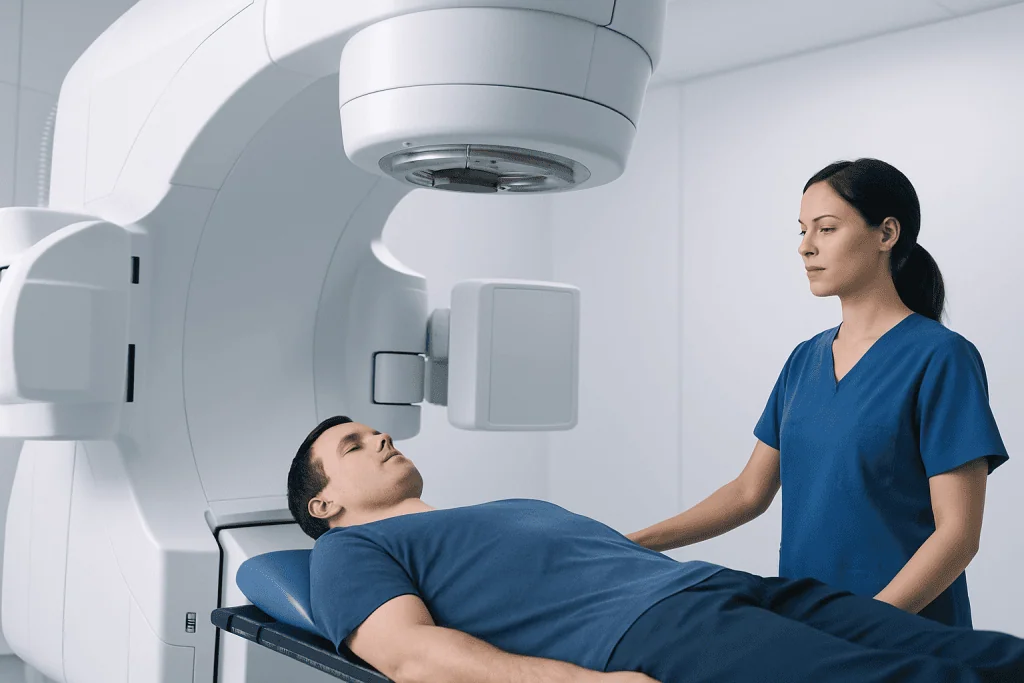
Most radiation treatment is external beam radiation therapy. A machine called a linear accelerator directs radiation from outside the body toward a tumor or surgical area. The machine does not touch the person and does not make them radioactive. It may rotate around the treatment table to deliver beams from several angles.
Some people receive internal radiation, also called brachytherapy, in which a radioactive source is placed temporarily or sometimes permanently in or close to the tumor. Certain cancers may also be treated with systemic radioactive medicines that circulate in the body. The approach depends on the cancer type, its location, its stage, and the purpose of treatment.
Radiation does not always cause cancer cells to disappear immediately. Some cells are damaged during treatment, while others die when they try to divide in the following days or weeks. Tumors and treatment-related changes can therefore continue evolving after the final session, and follow-up scans are scheduled at clinically appropriate intervals.
Who May Be a Candidate for Radiation Therapy?
Radiation therapy may be considered for many solid tumors, including cancers affecting the breast, prostate, lung, head and neck, brain, cervix, uterus, skin, and digestive system. It may also be used to treat certain blood cancers, lymphoma, or cancer that has spread to bone, brain, or other areas. Whether it is appropriate depends on the individual diagnosis rather than the cancer name alone.
A multidisciplinary cancer team considers the tumor’s type, size, location, stage, molecular features where relevant, previous treatments, and the person’s symptoms, general health, and goals of care. Prior radiation to the same body area may affect whether additional radiation can be safely given, but does not automatically rule it out.
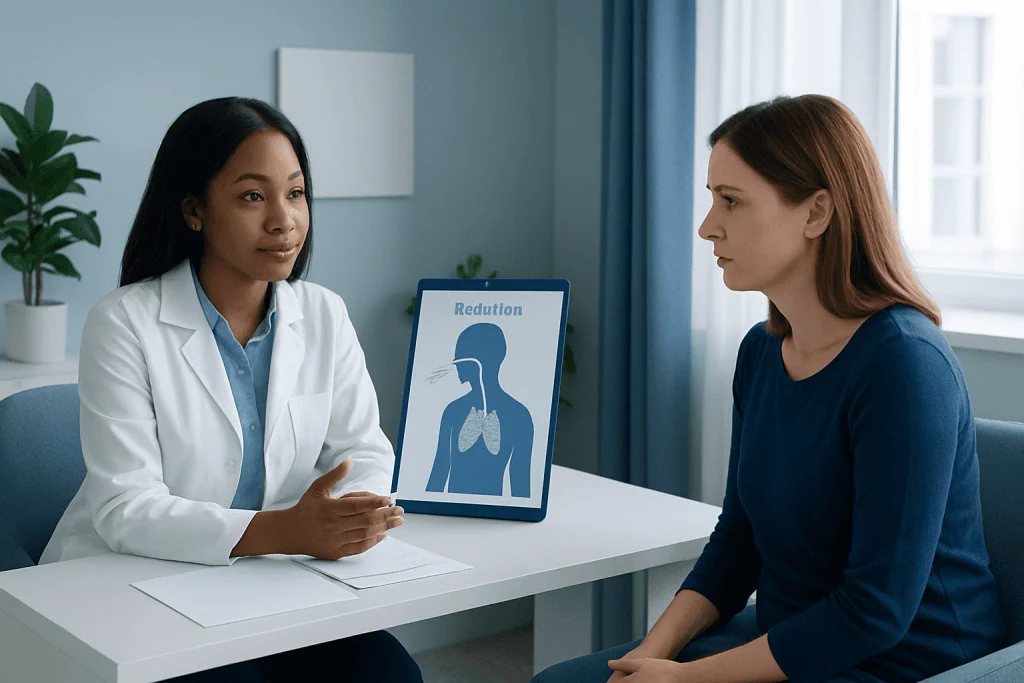
For some patients, a non-radiation approach or a different radiation technique may be preferable. A radiation oncologist explains the expected benefit, possible alternatives, and the short- and long-term effects most relevant to the planned treatment area before treatment begins.
What Happens During Radiation Treatment?
Treatment starts with a planning appointment, often called simulation. The team uses a CT scan and sometimes MRI or PET imaging to identify the treatment target and nearby organs. Small skin marks, temporary marks, or tiny tattoo dots may be used to help reproduce the same position each day. A personalized support device, mask, or cushion may be made when it helps keep the body still and comfortable.
After planning, a radiation oncologist, medical physicist, and dosimetry team create and review a treatment plan. External beam treatment is commonly delivered on weekdays over a course ranging from a few sessions to several weeks. Each visit may take 15 to 30 minutes, although the actual radiation delivery usually takes only a few minutes.
During a session, the person lies still while staff monitor from a nearby room using cameras and an intercom. The treatment is painless and cannot be felt as it is delivered. The team may perform imaging before or during treatment to confirm alignment. Appointments with the care team are usually scheduled during the course to review symptoms and supportive care needs.
Benefits, Side Effects, and Recovery Timeline
The potential benefit of radiation is local tumor control: it can destroy cancer cells, reduce the likelihood of recurrence after surgery, shrink a tumor, or relieve symptoms. The balance between benefit and risk is individualized because the same radiation dose can have different implications depending on where treatment is delivered and which normal structures lie nearby.
Early side effects often begin after several treatments rather than on the first day. Fatigue is common and may build gradually. Skin in the treated area can become dry, itchy, red, tender, or darker. Other effects are linked to the body region: head and neck treatment may cause mouth soreness or swallowing difficulty; chest treatment may cause swallowing discomfort or cough; abdominal or pelvic treatment may cause nausea, diarrhea, bladder irritation, or changes in bowel habits.
Many early side effects peak near the end of treatment or during the first one to two weeks afterward. They commonly begin to improve over the following weeks, though recovery can take longer for some people. Late effects can occur months or years later and may include fibrosis or stiffness, persistent skin changes, swelling, hormonal or fertility effects, or organ-specific changes. The radiation oncologist discusses meaningful late risks before treatment and monitors recovery after it ends.
What Are the Hardest Days After Radiation Treatment?
For many people, the hardest period is not the final treatment day itself but the first one to two weeks afterward. Radiation-related inflammation can continue for a short time after treatment finishes, so fatigue, skin irritation, soreness, bowel or bladder symptoms, or throat and mouth discomfort may temporarily intensify before improving.
The timing and severity depend greatly on the body area treated and on whether radiation is combined with other cancer therapies. A person receiving head and neck radiation, for example, may have a different recovery experience from someone treated for breast or prostate cancer. The care team can explain the expected pattern for the specific plan.
Contact the radiation team if symptoms are difficult to manage, prevent adequate eating or drinking, disturb sleep substantially, or feel different from what was explained. Early supportive care can help address pain, nausea, skin problems, nutrition concerns, and emotional strain.
What I Wish I Knew Before Radiation?
Many patients find it helpful to know that radiation treatment itself is generally painless, and external beam radiation does not make a person radioactive. Normal contact with family and friends is usually safe. Exceptions can apply to certain internal radiation treatments or radioactive medicines, when the care team gives specific safety instructions.
It is also useful to expect a routine that includes planning, daily positioning, and follow-up appointments. Side effects may appear gradually, and fatigue can be influenced by treatment, sleep, stress, nutrition, travel demands, anemia, and other medical conditions. Keeping a brief symptom record can make appointments more productive.
Practical preparation may include arranging transport if tiredness is expected, discussing work or caregiving needs, asking which skin products are safe, and speaking with a dietitian when treatment could affect eating, swallowing, or digestion. Patients should bring questions to the radiation oncology team; understanding the plan often makes treatment feel more manageable.
What Not to Do While on Radiation?
Patients should not apply creams, deodorants, powders, herbal products, adhesive dressings, or other products to the treatment area without checking with their radiation team. The skin may be more sensitive during treatment. In general, gentle washing, patting the skin dry, avoiding friction, and protecting the area from direct sun are commonly advised, but individual instructions may differ.
It is important not to miss appointments without contacting the treatment center, as the schedule is designed to deliver treatment safely and effectively. Patients should also avoid starting vitamins, supplements, or alternative remedies without medical advice, particularly high-dose antioxidant supplements, because they may interact with cancer care or worsen side effects in some circumstances.
Smoking and tobacco use can impair healing and may increase treatment complications, so support to stop is worthwhile. Alcohol may irritate the mouth and throat during head and neck treatment and can worsen dehydration or digestive symptoms in some patients. The safest approach is to ask the care team for guidance tailored to the treatment site, medicines, and health history.
How Long Does It Take Radiation to Start Killing Cancer?
Radiation begins damaging cancer cell DNA from the first treatment, but cancer cells do not all die at the same time. Some die soon after exposure, while others die later when they attempt to divide. This is why the biological effect of radiation can continue for days or weeks after the final session.
Symptoms may improve at different speeds. Radiation used to relieve pain from bone metastases, for example, may help over days to several weeks. Tumor shrinkage on imaging can take weeks or months, and some treated areas may initially appear swollen or inflamed. Scan timing is chosen carefully because imaging too early may not show the full response.
Follow-up is an essential part of care. The oncology team evaluates symptoms, examination findings, laboratory tests when needed, and imaging over time to assess response and address any side effects. A lack of immediate change does not necessarily mean that treatment has not worked.
When to Seek Medical Care
Patients should contact their radiation or oncology team promptly for fever, severe or rapidly worsening pain, uncontrolled vomiting or diarrhea, new confusion, severe shortness of breath, chest pain, heavy bleeding, inability to pass urine, or inability to drink enough fluids. Urgent symptoms should not wait until the next scheduled appointment.
It is also appropriate to call for worsening skin reactions, open or blistered skin, signs of infection, persistent dizziness, unexplained weakness, or symptoms that interfere with eating, sleeping, or daily activities. The team can determine whether home measures, a prescription, a clinic assessment, or urgent evaluation is needed.
Acibadem International’s multidisciplinary specialists and JCI-accredited hospitals support international patients through cancer diagnosis, radiation planning, treatment, and follow-up. Individual advice should always come from the treating radiation oncologist and the wider cancer care team.
Frequently asked questions
Does radiation therapy make a person radioactive?
External beam radiation therapy does not make a person radioactive. It is generally safe to be around family members, children, and pregnant people after each session. Some internal radiation treatments or radioactive medicines require temporary precautions, which the care team explains clearly.
Is radiation therapy painful?
The radiation beam itself is not painful and cannot be felt during treatment. However, side effects such as skin tenderness, mouth soreness, swallowing pain, or bowel irritation can develop later, depending on the treatment area. The radiation team can provide supportive treatments to improve comfort.
Can radiation therapy cause fatigue?
Yes, fatigue is one of the most common effects of radiation therapy. It may develop gradually and can be affected by treatment demands, sleep changes, stress, anemia, nutrition, and other treatments. Rest, gentle activity when appropriate, practical support, and reporting persistent fatigue to the care team can help.
How long do radiation side effects last?
Many early side effects begin improving within several weeks after radiation ends, although the recovery period varies. Some symptoms may take months to settle, and certain late effects can occur months or years later. Follow-up appointments help the care team monitor recovery and manage ongoing concerns.
Can a person work during radiation treatment?
Some people continue working during radiation, while others need reduced hours or time away, especially if fatigue or site-specific symptoms become significant. The feasibility depends on the treatment schedule, type of work, travel needs, and overall health. Discussing workplace needs early with the care team can help with planning.
Can radiation therapy be given with chemotherapy?
Yes, radiation may sometimes be given at the same time as chemotherapy, known as chemoradiation. This can improve treatment effectiveness for some cancers, but it may also increase certain side effects. The oncology team weighs potential benefits and risks based on the specific diagnosis and treatment goal.
References
- National Cancer Institute
- American Cancer Society
- American Society for Radiation Oncology
- European Society for Medical Oncology
- World Health Organization
This article is for general information only and is not a substitute for professional medical advice. Please consult a qualified doctor about your individual situation.
Oncology care in Turkey — second opinion and treatment plan
JCI-accredited · board-certified surgeons · reply within 24h
Add us as a Preferred Source to see more of our trusted health content across Google Search, AI Overviews and Discover.